
Cameras have certainly changed over the years, and the phone could be one of the biggest reasons why.
While there is still plenty of reasons to keep an interchangeable lens camera in your life, the sheer fact that your phone can take so many great photos tells you just how less you might need a compact camera.
The era of needing a small and slimline snapper seems to have passed.
But if you still like that level of versatility and camera capability in a pint-sized package, there are models still popping up from time to time, some of which get the benefit of today’s tech.
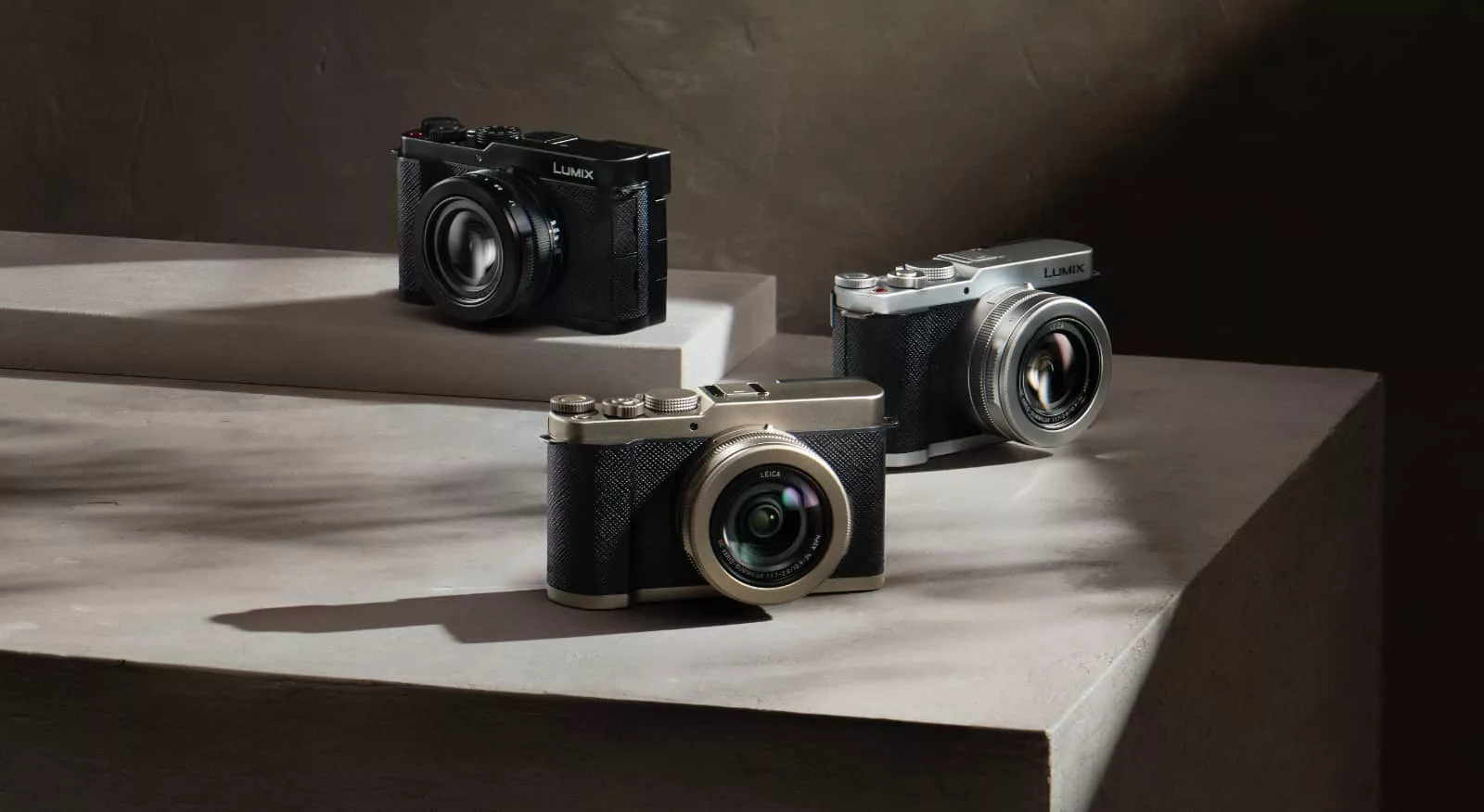
Panasonic appears keen for another of those, launching a new generation of its Lumix compact cameras, partially celebrating the 25th anniversary of the brand.

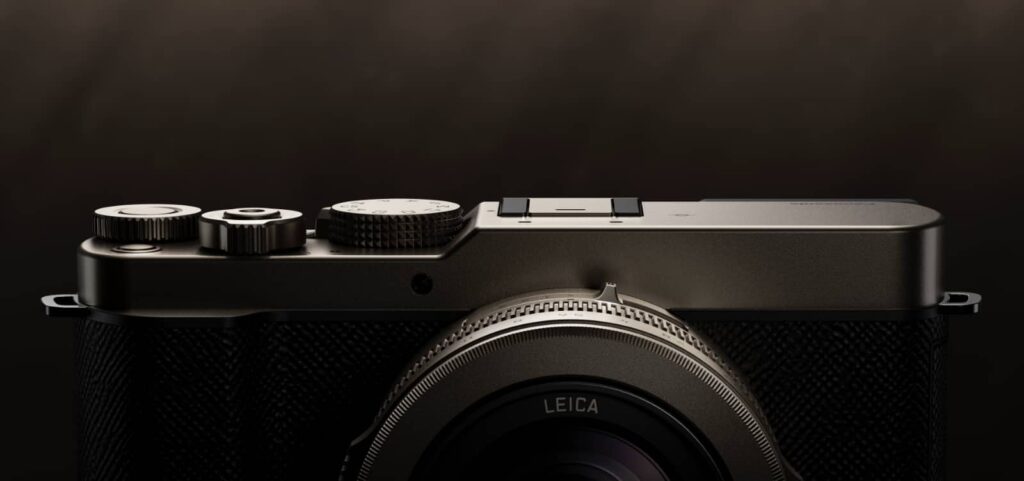
The new model is the Lumix L10, a variation on the compact camera theme that isn’t just a recycled model, but something different designed and developed in Japan. The camera uses a 20.4 megapixel four-thirds sensor similar to its mirrorless cameras (but not the full-frame variations), and places it inside of a compact with a Leica lens covering 24 to 75mm and an aperture of F1.7 to F2.8, making it ideal for low light, particularly with F1.4 at the 24mm mark.
Unsurprisingly, the L10 will be able to snap 20 megapixel stills, but it’s also built for video, handling 4K with support for LUTs, a format that lets you grade videos much like you would in a professional video editing platform.
Panasonic’s system “Real Time LUT” allows you to layer up to two LUTs at once, changing the colour and shades, while Lumix’s camera-tweaking app can turn photos into custom LUTs using AI colour analysis.
Capturing either will see a form of autofocus with up to 779 focus points and AI tracking for eyes, faces, and subject. Sports photography is a bit of a highlight, supporting up to 30 frames per second using the electronic shutter.

At 24 to 75mm, the rough 3X zoom isn’t quite long enough to let you get super close to the football pitch at the next game, though if you were near the grass, macro capturing is supported, adding to the versatility.
Perhaps the biggest point of frustration isn’t going to be from the lens reach on the Lumix L10, but rather the price: in Australia, the black and silver variations of the camera will cost $2599, while a titanium gold model will cost a little more at $2999.
No matter how you slice it, the Lumix L10 is not an inexpensive compact, and in an era where compacts have largely fallen away to high-end cameras on phones, it may not necessarily be a logical buy for anyone but the most ardent of photographers, particularly those enamoured by the Lumix brand.
However, if that’s you, the black and silver models are set to arrive first in June, with the more pricey gold variation a month later in July 2026.