
Mobile phones can influence the sort of laptop you own, and you only really need to look at the iPhone to see how that works. If you have an iPhone, Apple has made the MacBook fit nicely, providing a way to share files, mirror the phone, and connect passwords and other Apple features between the two. It’s an ecosystem that plays nicely together.
The same hasn’t really existed on the other major mobile platform.
While an Android can play nicely with Windows, and even work relatively well with a Mac, the reality is that there hasn’t really been a laptop that bridges the ecosystem for Pixel and Galaxy (and every other Android phone make) owners in quite the same way that Apple does with the iPhone.
You can make any laptop work with an Android, sure, but it might not be an experience that feels deeply connected.
But that looks set to change.
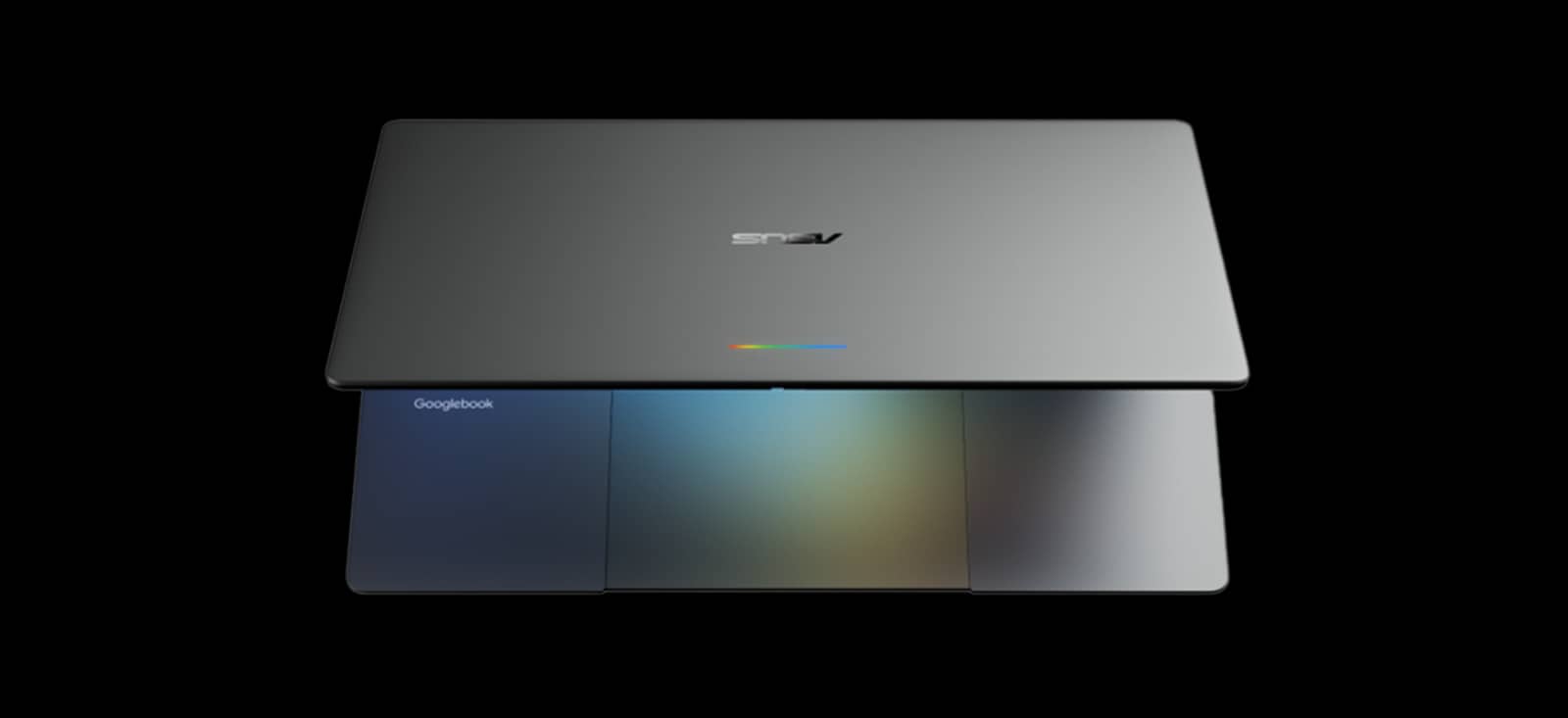
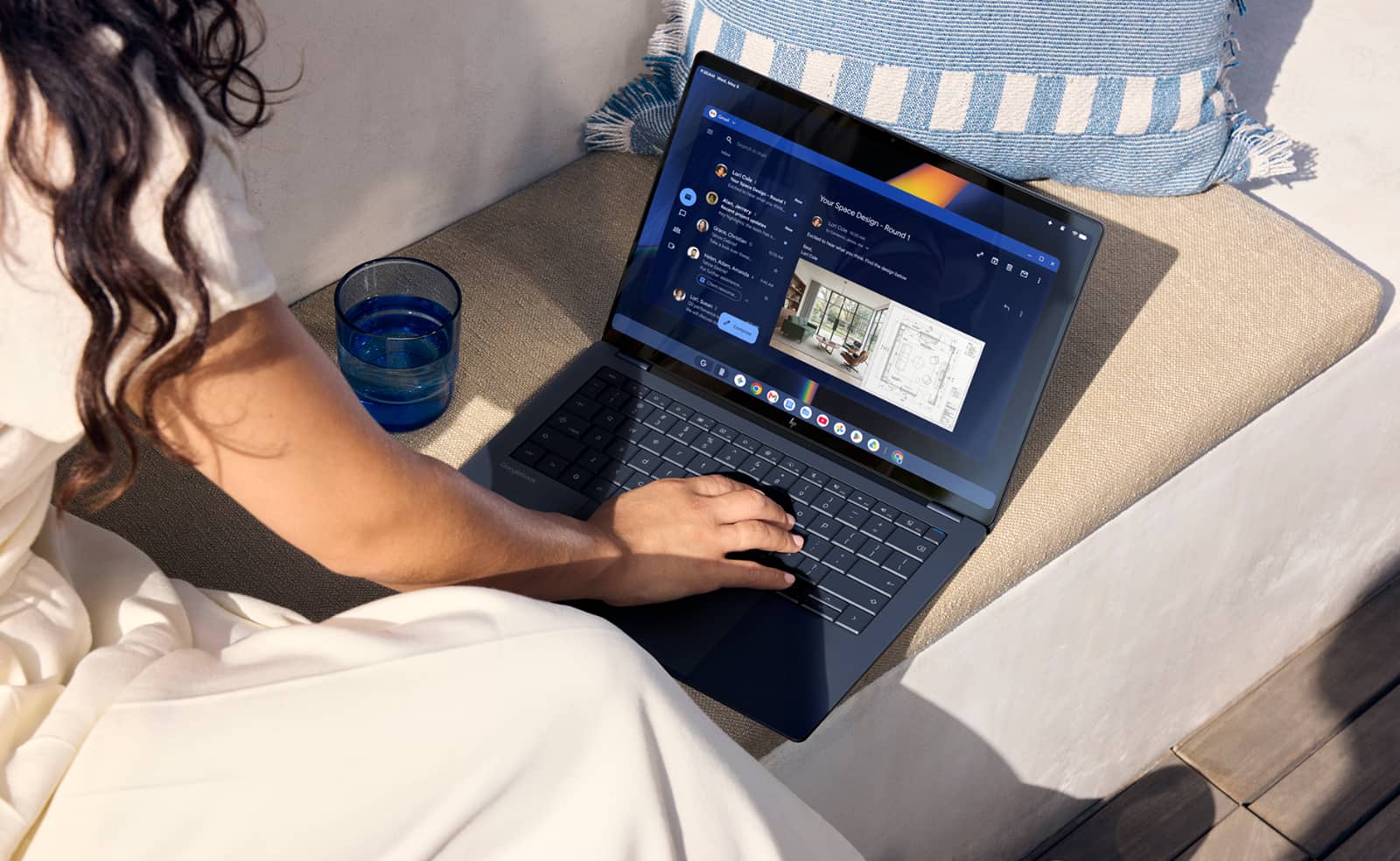
Google is this week talking up what we can expect with the “Googlebook”, a concept that will essentially put Android at the heart of a premium PC laptop, but make it different from Android on the phone.
Rather, the Googlebook runs a desktop version of Android in a style of laptop designed to be more premium than the Chromebook, and capable of running the same apps the Pixel phones use.
There have been premium Chromebooks before in the recent Chromebook Plus range, and the Googlebook aims to go beyond that, using materials such as aluminium, magnesium, and carbon-fibre, together with OLED screens, glass trackpads with haptic feedback, and an assortment of high-speed processors from Intel and Qualcomm.
The result aims to build a bridge between the Android experience on phone with something that is like that on a laptop, offering a way to mirror the use from one to the other, connecting Google’s AI locally, and even getting support for coding apps, building a version of Google’s Antigravity AI coding app for the platform.
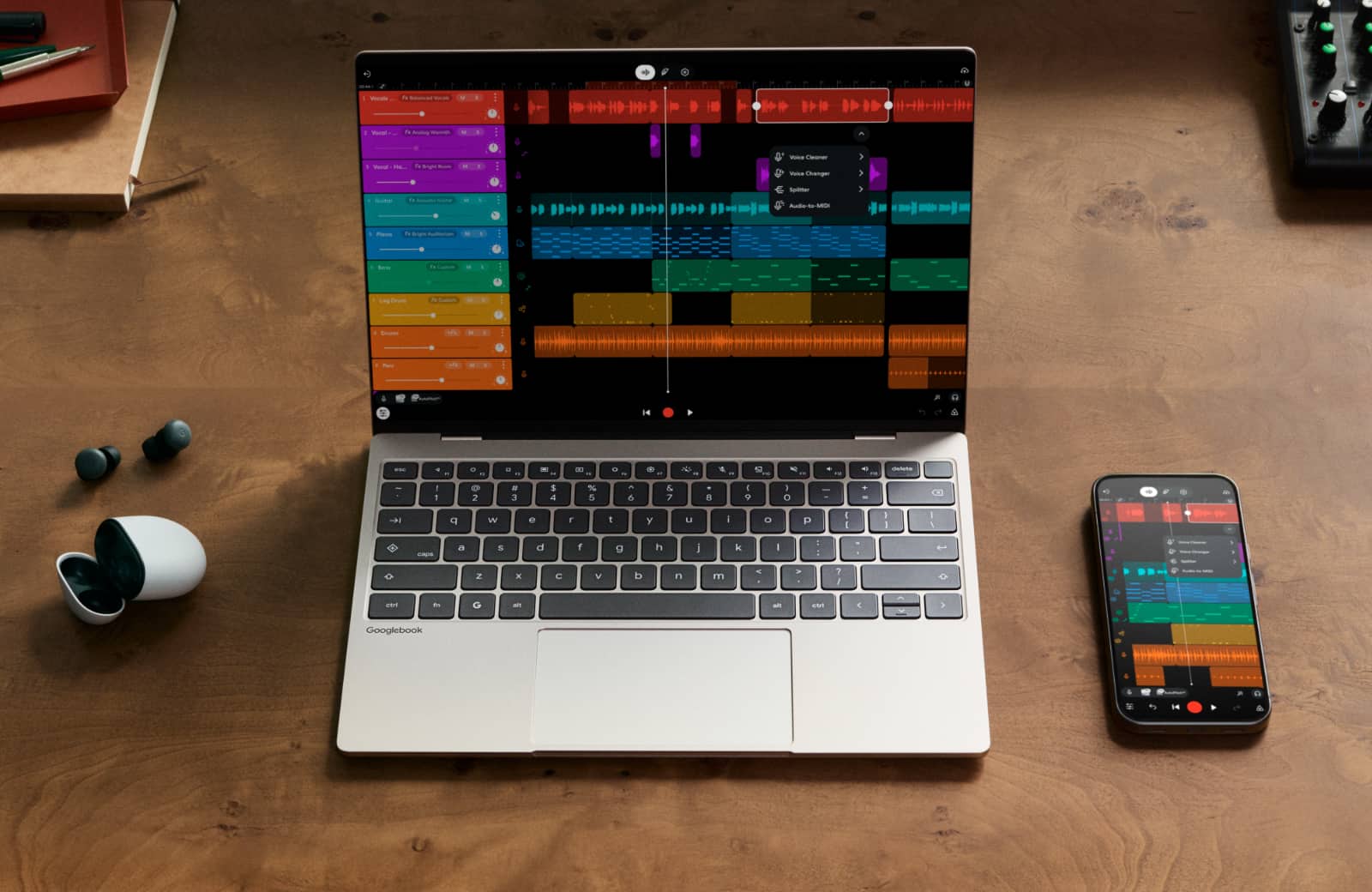
In short, it’s not just another version of the Chromebook, and will actually be different. Rather, the Googlebook appears more like a premium take on Android made for people who love and have Android in their life on phones, whether it’s a Pixel or Galaxy or Motorola Razr or Oppo or whatever.
It runs Chrome and apps, and even uses the same security architecture as ChromeOS, potentially making it more secure than simply the version of Android on your phone. There’s even a built-in isolated Linux environment with terminal access, handy for the geeks who crave that level of control.
Folks who love Android because of that are clearly one of the targets of the Googlebook, but so are people keen for a premium almost MacBook-styled experience, but with Android at the heart. Depending on the model Googlebooks will support battery life of up to 16 hours use, with USB-C charging the whole thing up.
And the whole thing is a blueprint of sorts, with Google providing that blueprint to laptop makers in much the same way that Intel did with the “Ultrabook” years ago.
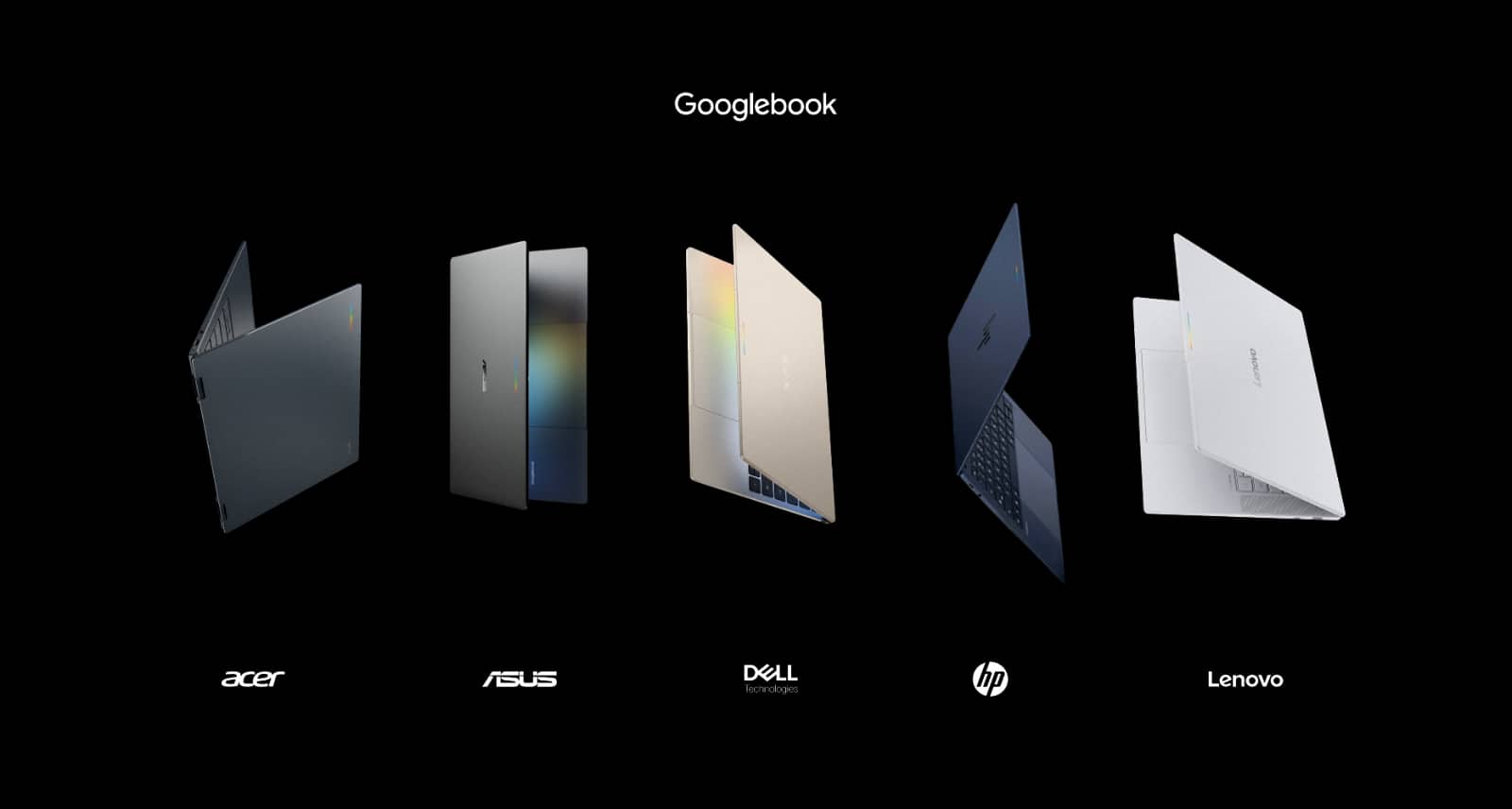
The combination of premium parts and materials means several manufacturers will be making these things, with variants from Acer, Asus, Dell, HP, and Lenovo, and all five supporting 10 years of updates, as well.
It’s a little like how Android can run on nearly any manufacturer’s hardware, but applied to a laptop. Some of the laptops do look familiar, too: a Dell XPS Googlebook looks an awful lot like the XPS 13 that saw release this year, and we suspect other models are likely from PC counterparts reworked slightly for Google’s approach.
Priced from $2299, they’re clearly focused on the premium end of Android users, folks who likely end up on the Pixel Pro, Pro XL, and the Pixel Pro Fold models that come in at a higher price point. Throughout the range, the HP Googlebook 14 and Lenovo Googlebook 15 appear to be the least expensive, priced at $2299 in Australia, while the Dell XPS Googlebook and Asus Googlebook 14 are $2399 and $2799 respectively, and the Acer equivalent is nowhere to be seen in Australia just yet.
Beyond that Acer model, Australians can look forward to seeing the Googlebook shortly, arriving alongside the Chromebook, which won’t reportedly go away, with more models of Google’s other laptop style expected soon, as well.