

For a while, Fitbit has largely felt simply like software, and there’s probably a good reason for that: Google.
Ever since the Google acquisition of the wearable innovator several years ago, we’re not entirely sure that Fitbit has felt like it fit in with Google’s plans for wearables on the whole, so to speak. The wearables with the Fitbit name have existed at times, but they’ve never felt as connected as Google’s Pixel Watch, which has come with the Fitbit software as the health connection.
If anything, post-acquisition, Fitbit has largely felt simply like software.
That appears to be changing.
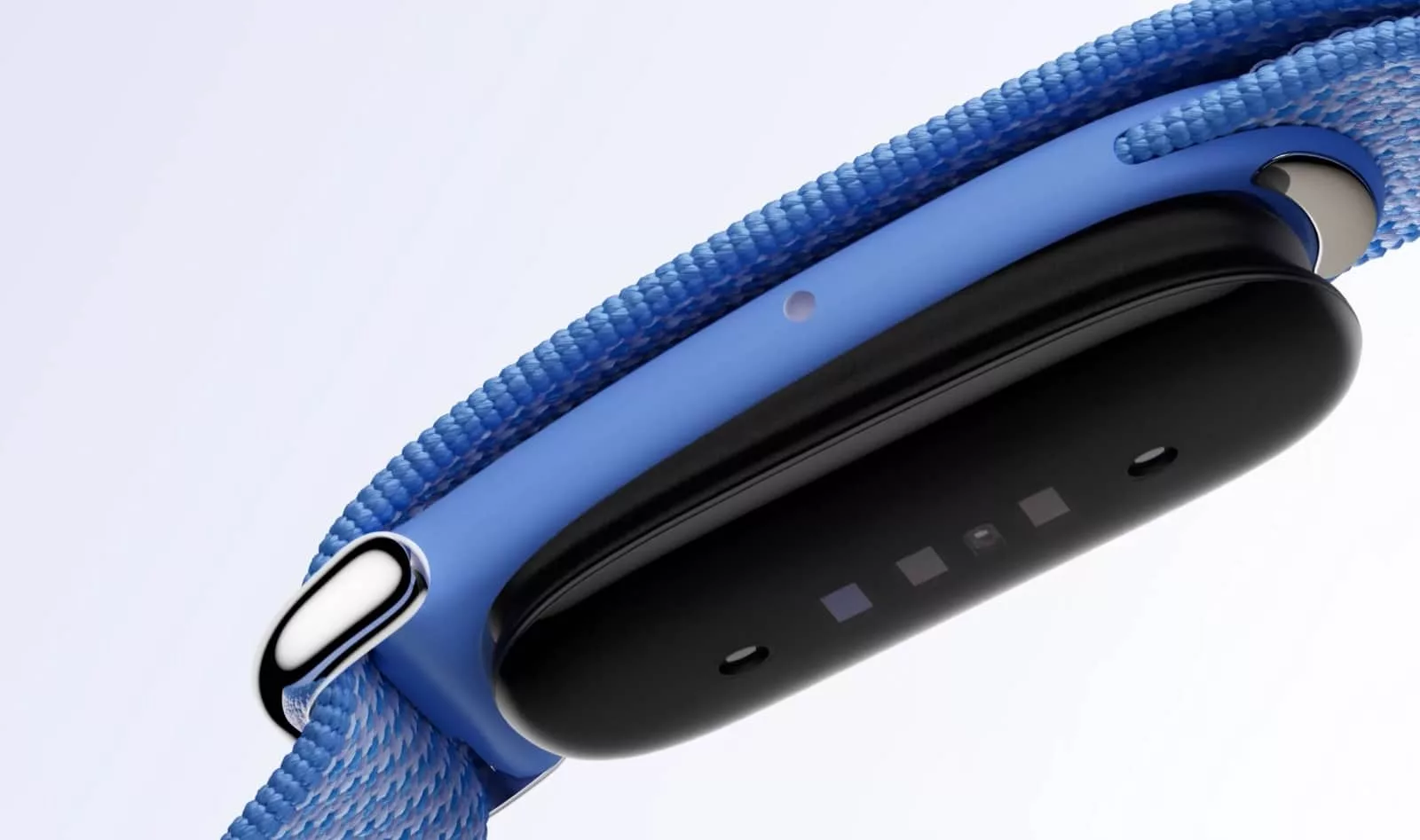
Ahead of Google I/O in the coming weeks, Google has announced a new wearable is on the way with the Fitbit name: the Fitbit Air, a tracker that feels a little different from other modern fitness trackers.
For one, there’s no screen, almost like it goes back to the original screen-less design from the first models. They simply had little lights, though this doesn’t really have that.
The Fitbit Air is a compact pebble of a tracker that incorporates pretty much all of the things you’d expect a tracker to have these days — heart rate, SpO2 blood oxygen, sleep, heart rhythm — but in a way where you’re not thinking about it, and stays on your wrist.
Everything goes back to the Google Health app on your phone, now the new name for the Fitbit app, while the wearable comes with a maximum of a week of battery life.

Like other wearables, activities can be tracked, and will kick in automatically, thanks to a little bit of AI, something you should probably expect given the era we’re living in. But if you look at the name, the expectation is also there: there’s an “ai” in “Air”.
That AI side of things isn’t just about an automatic fitness detection, but also the Fitbit software doing some heavy lifting with an AI coach, providing a recommended workout and the ability to take photos of how you work out, connecting it with the system.
And perhaps interestingly, this Fitbit will be compatible with both Android and iOS, making it distinct to the Wear OS Pixel Watch, which is Android only. Owners of a Pixel Watch will be able to switch between that wearable and the Fitbit Air, it seems, handy if they don’t want to sleep with the watch.
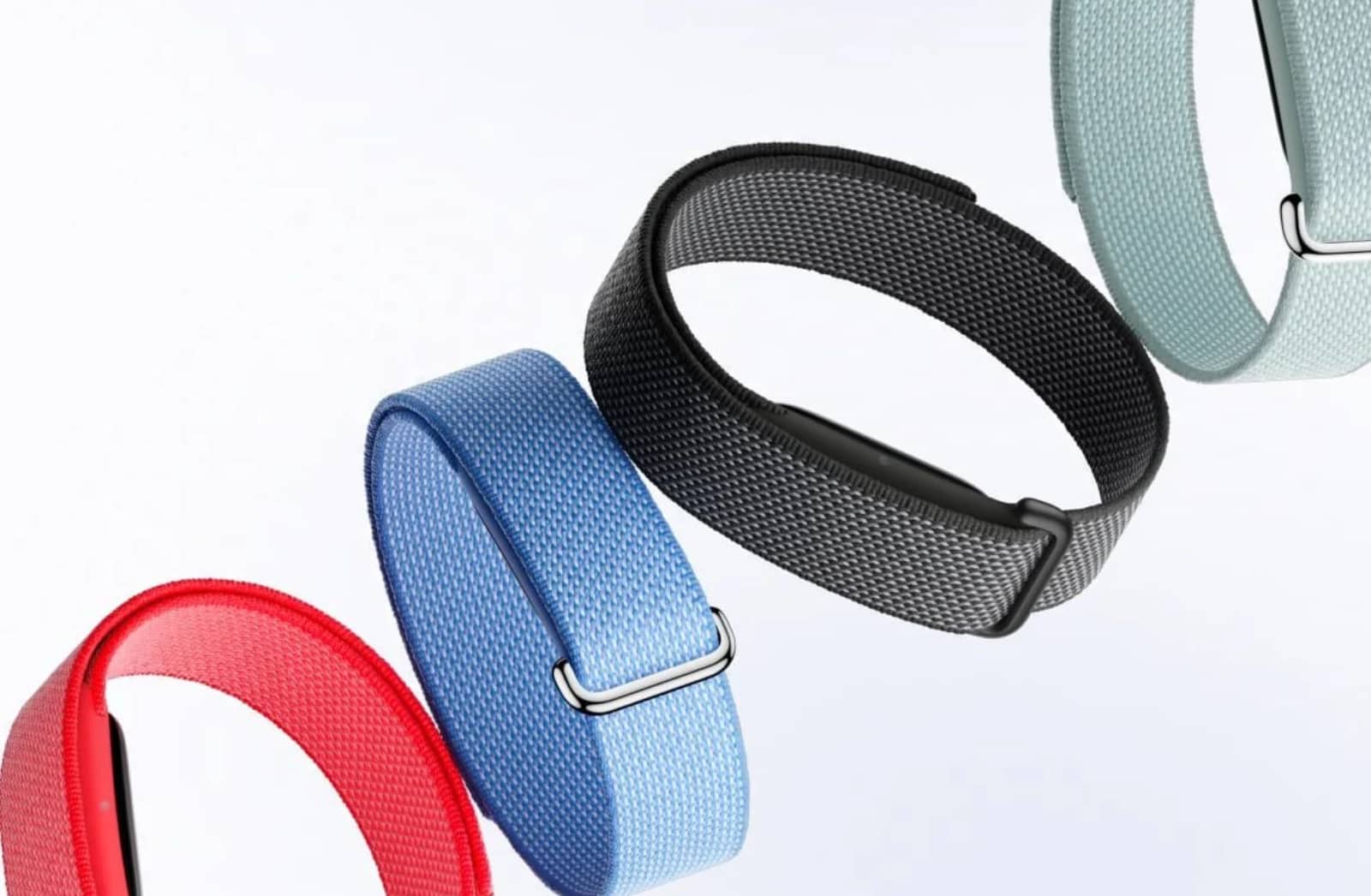
If anything, the Fitbit Air concept feels like if Google interpreted ring wearables like the Galaxy Ring and the Oura smart ring for a different audience: one that wanted to pay less for the experience. Given that wearables tend to attract high price tags, that might be a smart tactic, though it’s still not going to be “cheap”.
In Australia, the Fitbit Air will attract a price tag of $199 when it launches in late May, with optional extra wrist bands to start from $59 beyond the one the device will ship with.