
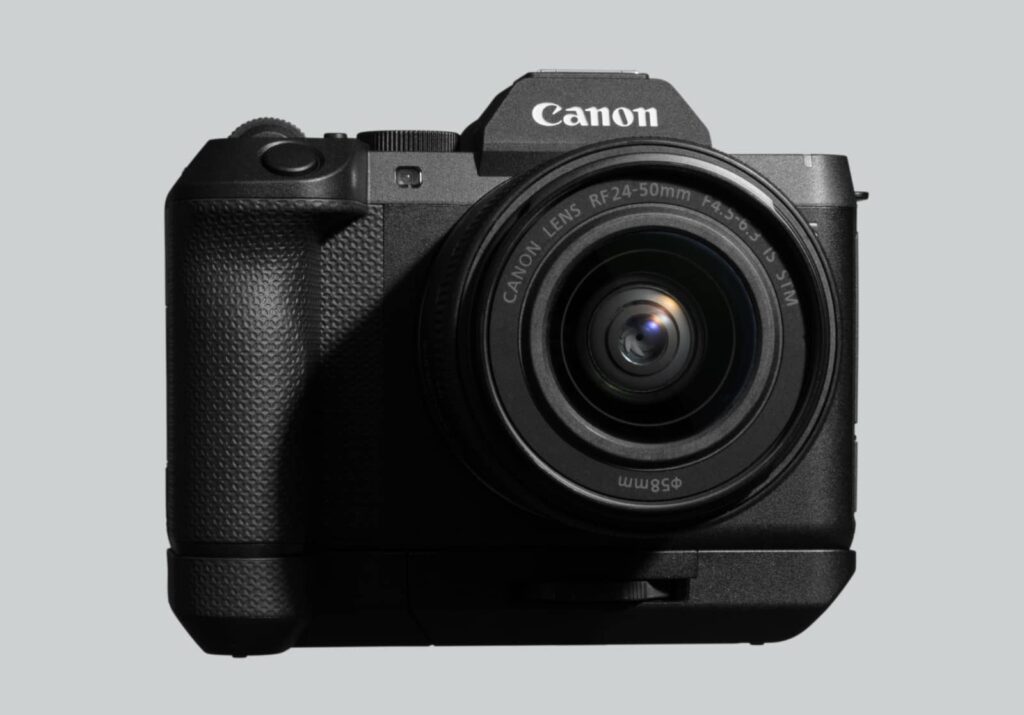
Sometimes you just need a bit of a change. A new food. A new destination. Maybe even a new look. Designers feel that last one from time to time, though companies typically don’t make changes unless there’s a good reason.
Sometimes it’s just time.
Over in the world of cameras, Canon appears to be doing just that, launching another camera in 2026, though one with changes in places you mightn’t expect.
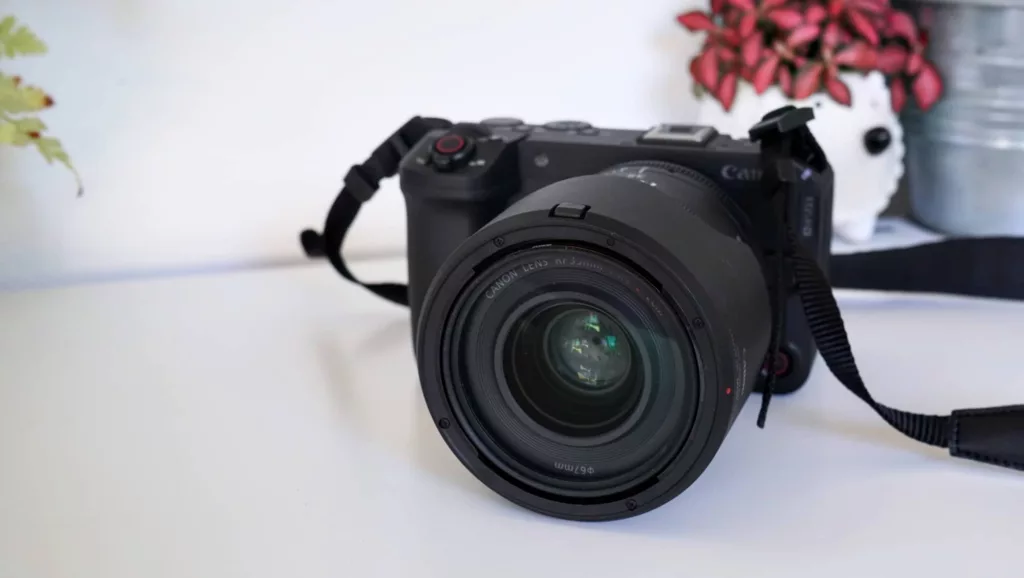
While the tech is normally changed under the hood, a new model from the maker of the EOS R cameras is actually turning to the design to make a change for a new mirrorless, and looking to some very old models to make that move.
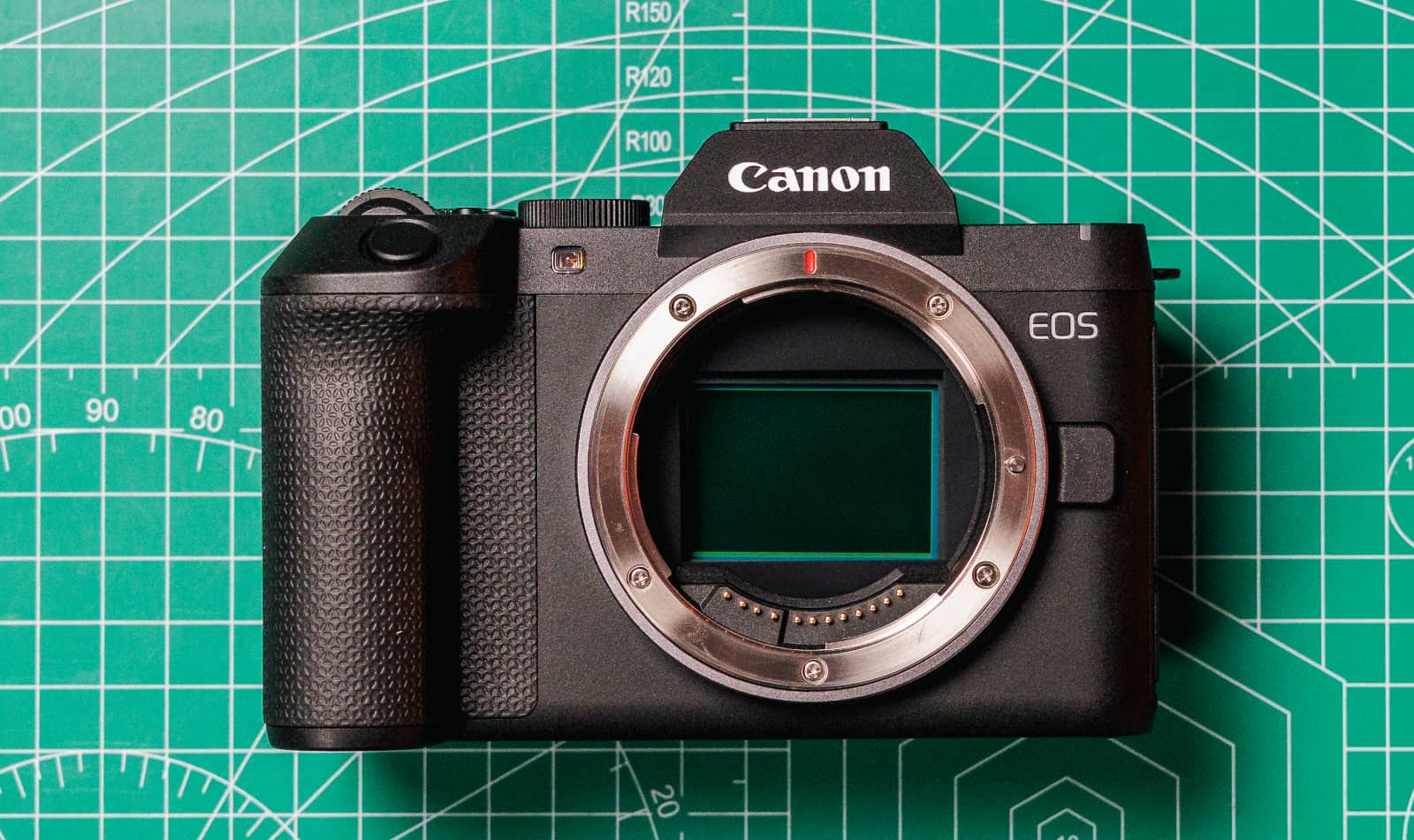
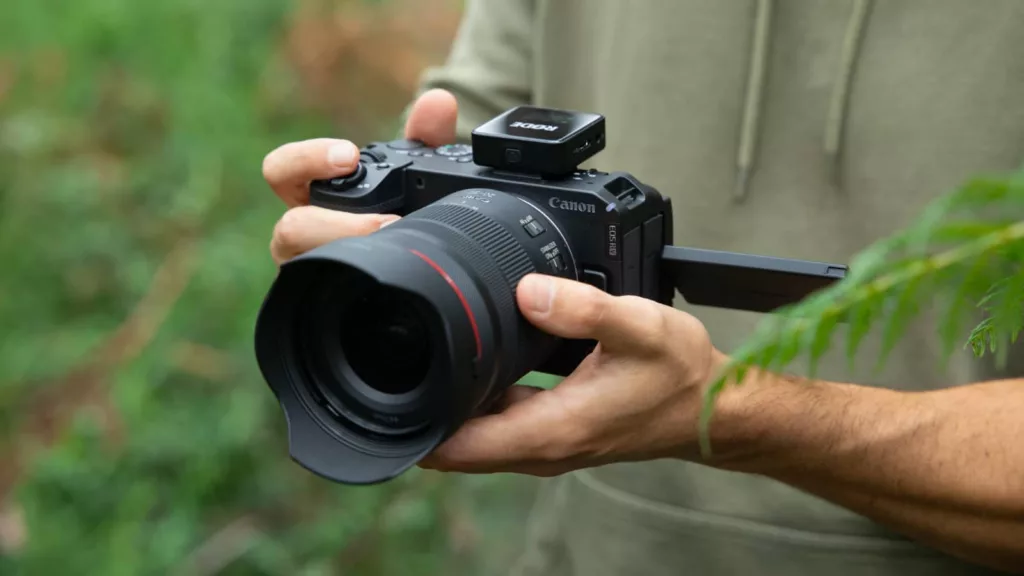
This week, Canon announced its R8 Mark II, a full-frame mirrorless that follows the original R8 from three years ago. Strangely, Canon is keeping much of the tech that made that work, complete with the same 24 megapixel full-frame sensor, but bringing in-body image stabilisation up to 7.5 stops, essentially giving the camera more control when the light falls, or simply when you want to take ownership of the lens moreso.
Autofocus has been given a bit of an upgrade, too, with improved tracking, plus the ability to register people to keep them in focus.
That’ll be useful for images, as is the inclusion of pre-continuous shooting, allowing the camera to capture frames before you’ve actually pressed the shutter release down. Crazily, it will handle stills at 40 frames per second, giving you 20 frames before you press the button, letting you capture moments you might otherwise miss.
You will need a specific speed of SD card to make this work, but it’s definitely something that could help, as is the wireless support, which will send images to phones over Bluetooth and Wi-Fi.
Video is here for the ride, too, with support for 4K at 60p, though unlike its recent R6 V sibling, you won’t be able to capture from the entire sensor.
RAW video is also not a part of the package here, but you will be able to load in colour grading LUTs (look-up tables) to change the colour of video inside the camera, potentially giving amateur and enthusiast filmmakers a taste of the pro life.
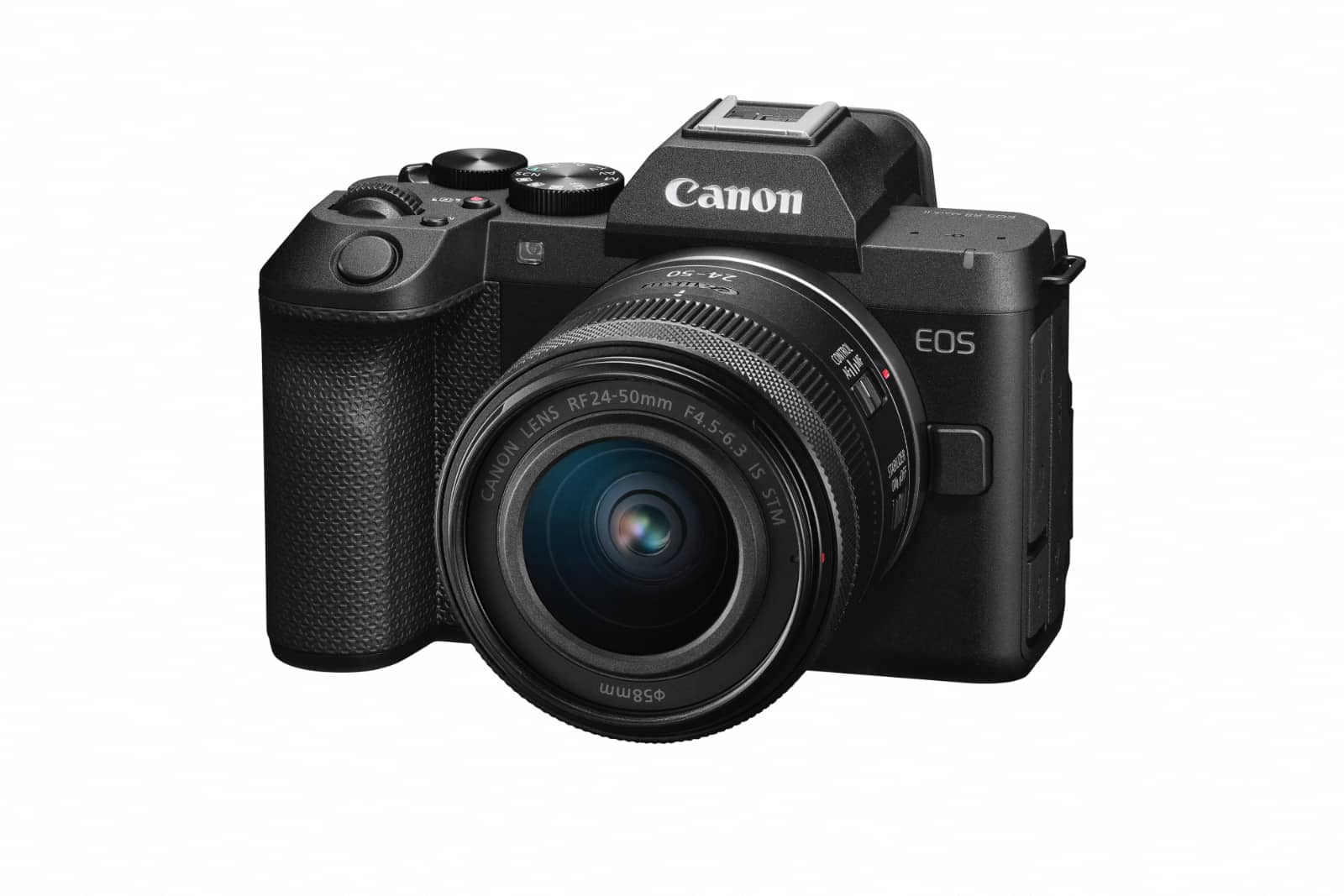
Overall, the upgrades seem somewhat small, but there is one more obvious change: the design.
Canon has seemingly looked to its past with the R8 Mark 2, turning to the Canon A1 back in the day, forgoing the soft corners of its regular style and adopting a more mechanical and edgy style that gives it a totally different look.
And it’s one this journalist and photographer is here for, almost exuding the style of a Leica rather than a Canon.
Despite that look, it won’t come with a hefty weight, which body only comes in at just over half a kilogram (546 grams) before you factor in a lens, which is clearly needed, but varies greatly depending on the lens.
The price is also not quite near one of those larger cameras, set to cost $2529 body online or $2859 with the Canon RF 24-50mm F4.5-6.3, more of a starter lens focused on this range.
Australians can expect to find it in stores from the middle of October, alongside an extension grip that won’t upgrade the battery but will give you a little more camera to hold, as well as a new generation of Canon’s EL-5 external flash.