
There’s a new smartwatch or health-related wearable seemingly every month, but while they’re designed to cover a variety of health metrics and provide insights on your life, they do tend to come with one big flaw: battery life.
Smartwatches that barely last a day or two is the norm, while other devices meant to track health tend to need regular charging, making for a situation where you might forget to keep your wearable charged in quite the right way.
It’s a frustration we’re beginning to see dealt with in mobiles thanks to different battery technologies, such as silicon carbon which can back in more volume in the same space compared to lithium ion.
Wearables may eventually make their way to that technology, but researchers in Australia are trying a different approach, turning to solar panels made differently to go without the battery.
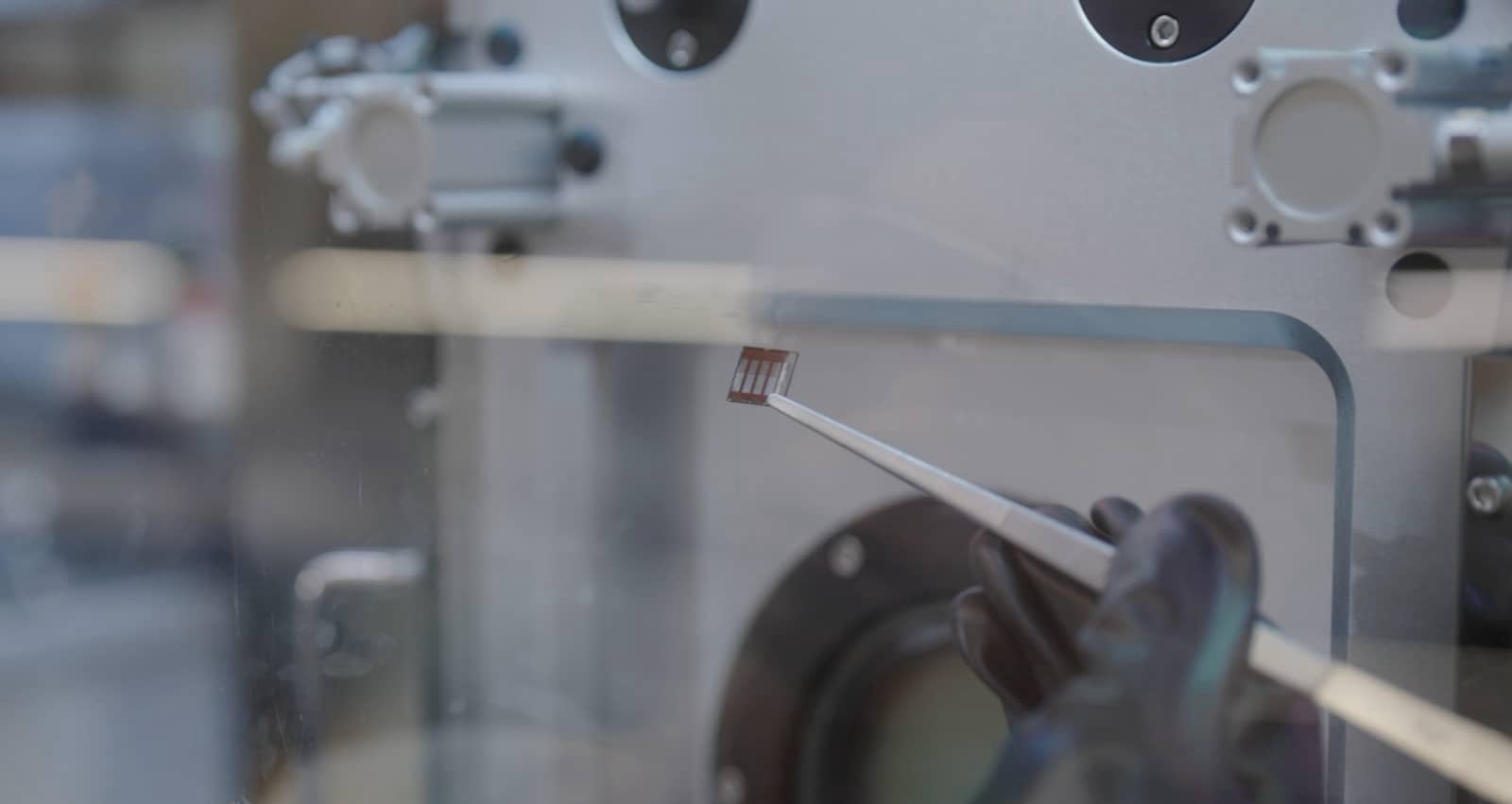
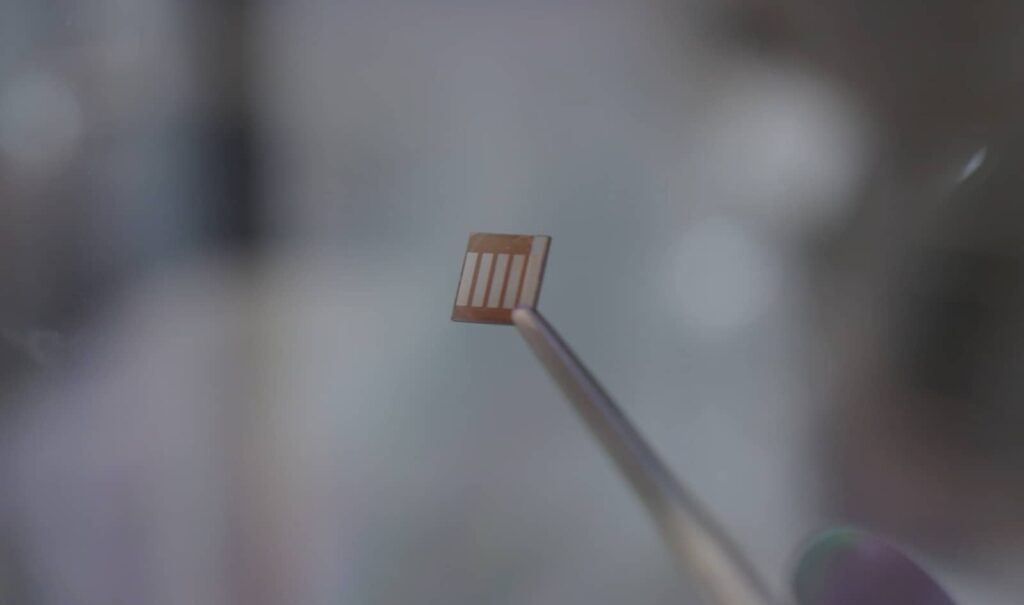
Researchers from the University of Queensland have found a way to built a lead-free solar system that can work on wearable devices, essentially building an indoor type of solar panel that could be used to keep small health wearables always charged and working without needing a battery.
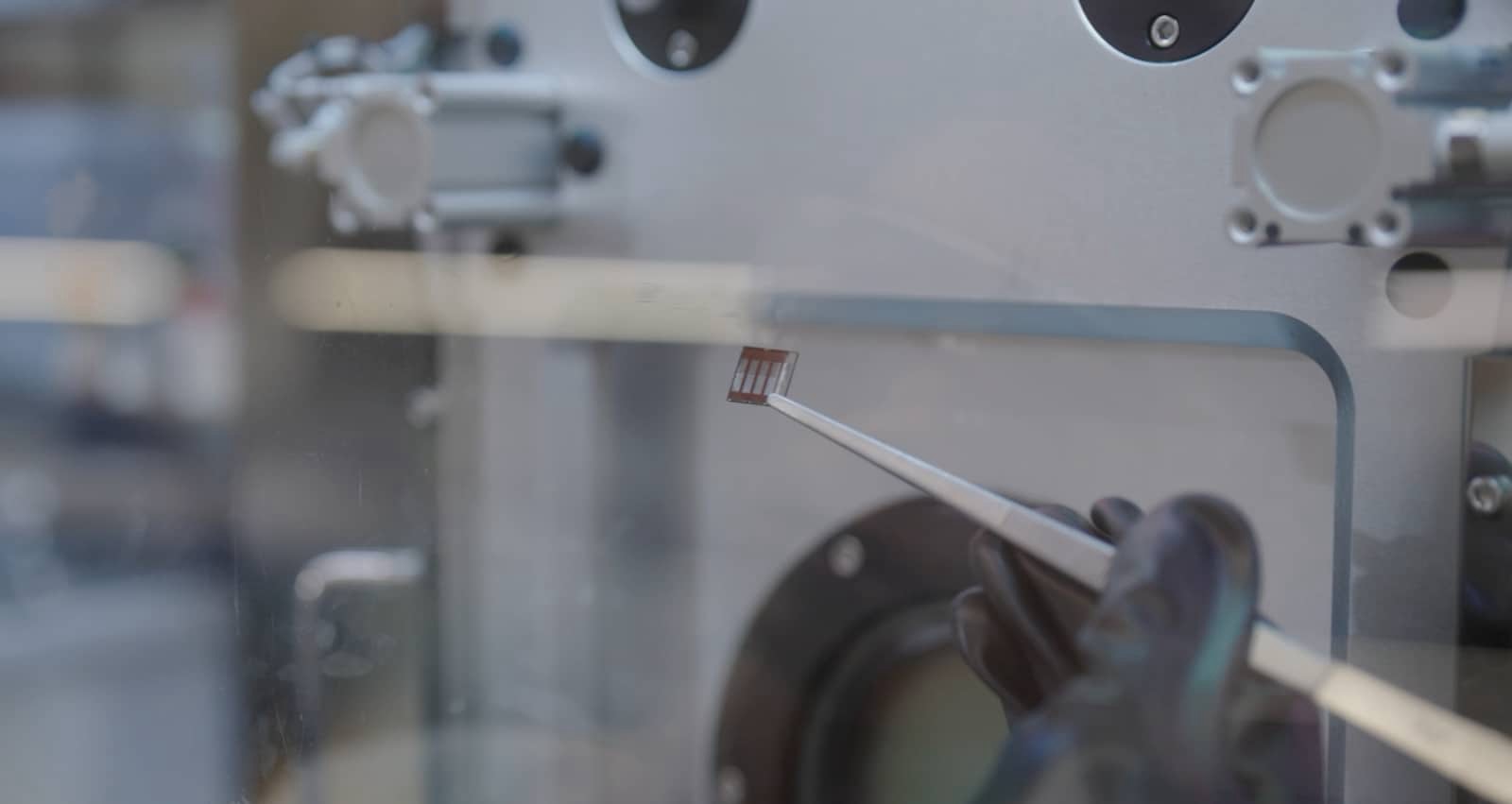
Solar panels will typically have some lead in them, though the material is sealed and doesn’t really come into contact with people on a regular basis. However, if used in a wearable, it could eventually break down and cause harm. As it is, even target=”_blank”>the World Health Organisation warns against exposure to lead.
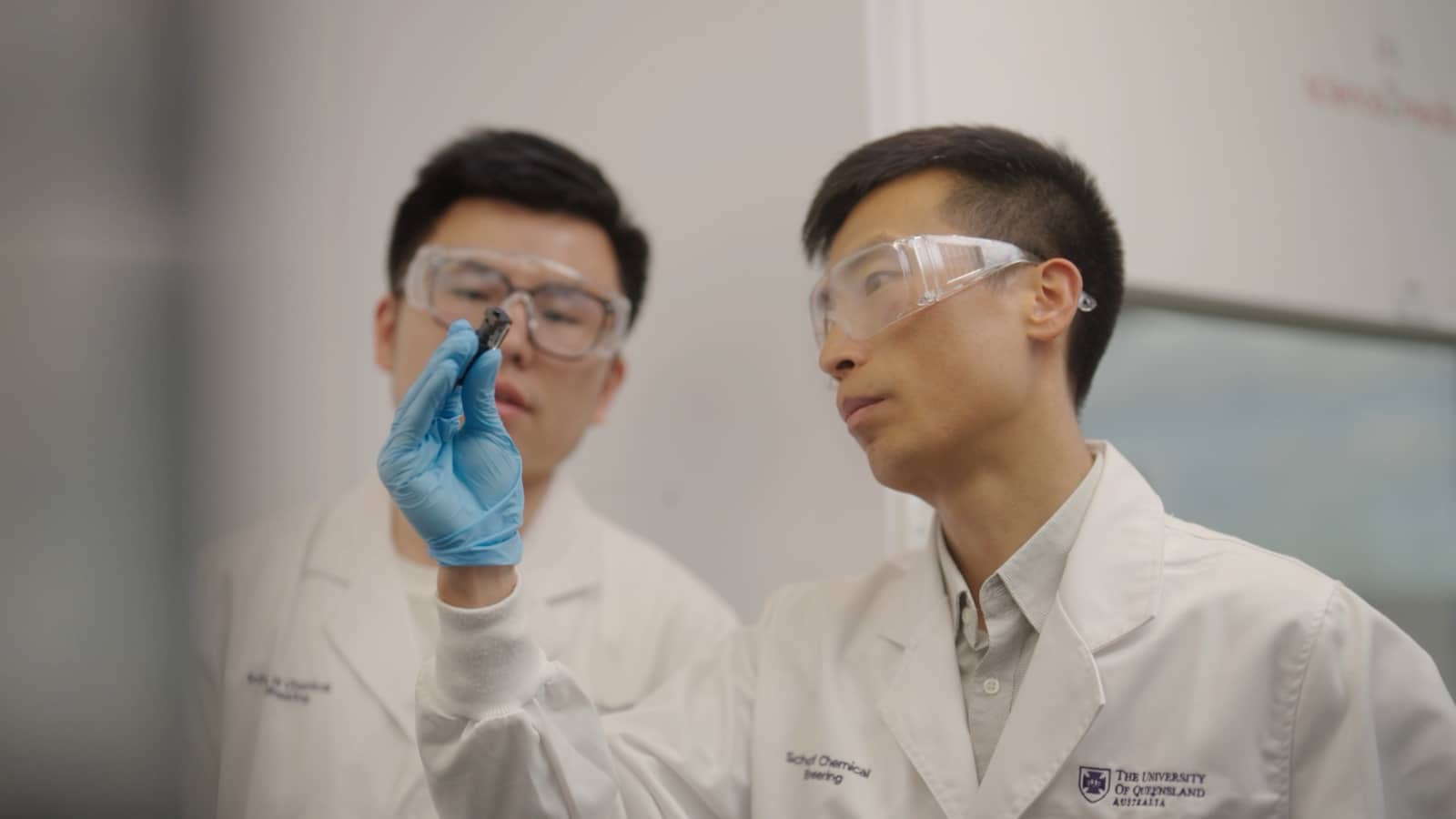
Dr Miaoqiang Lyu from the University of Queensland has worked to build a variation on a small solar panel with a lead-free indoor panel that can be customised to match the smaller size of personal wearables, offering a low-toxicity solution.
“Wearable health devices such as glucose sensors, ECG patches and sweat-based lactate and electrolyte patches support preventative healthcare and improve quality of life, but limitations with their batteries can be challenging for users,” said Dr Lyu.
“Batteries need regular charging and eventual replacement while indoor photovoltaic technologies have the potential to provide a low-maintenance source of clean energy,” he said.
The result of this research could end up being a health gadget you can wear that doesn’t even include a battery, or uses a small one that can remain charged from small amounts of light.
It could even make its way into small electronics, turning indoor light into energy, and using that instead of a larger battery.
“If successful, lead-free indoor photovoltaics could help enable a new generation of healthcare devices that are safer, more sustainable and easier to use in everyday life,” he said.
Like all research, there’s no word as to when this will become a reality, but with gadgets always getting smaller and technology’s regular rate of improvement, it’s entirely possible the days of needing a charge are numbered, when light could simply do it all for you.