
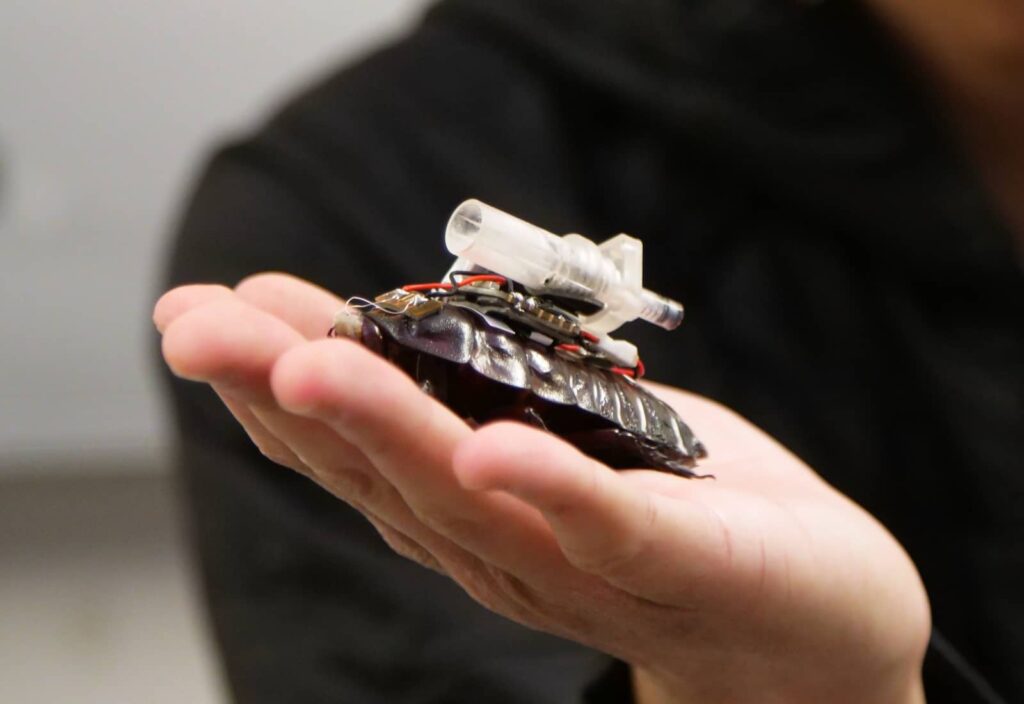
When Disney released The Rescuers Down Under, it probably wasn’t thinking about robot-enhanced bugs invented in Australia to search down under rubble from collapsed buildings and caves, and yet that’s close to where we are, as research from last year enters a new phase.
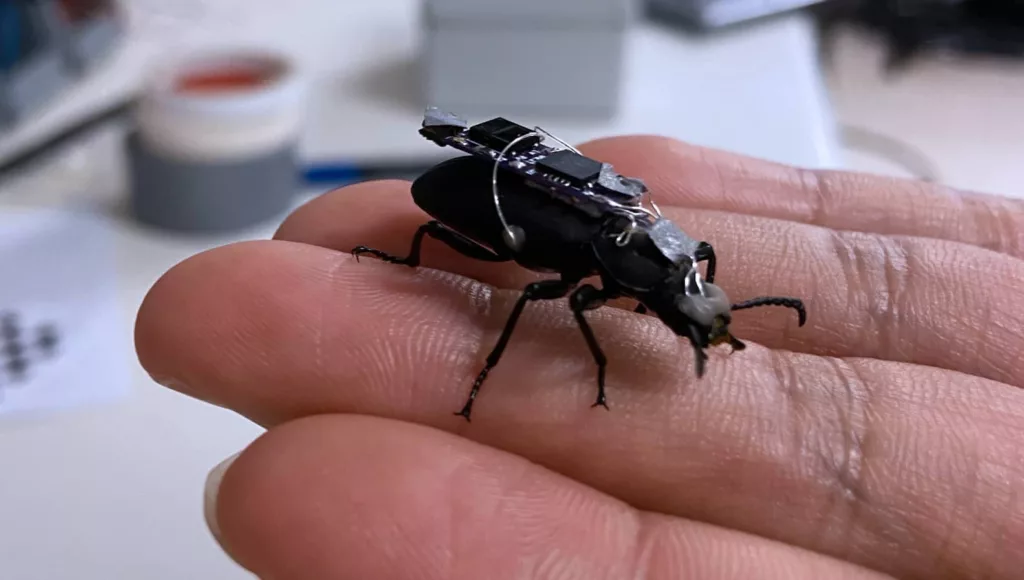
Depending on how much you read this site or even just pay attention to some of the crazy ideas found in our country, you might recall the University of Queensland researching cyborg beetles around this time last year. The idea (which can sound a little crazy) was to equip real-life beetles with robotics and allow teams to control the bugs using a remote control system.
It wasn’t so much “control” as it was “nudging the bug in the right direction”, with technology to stimulate sensory receptors on the bug to make them move left and right. In short, the team wasn’t electrocuting an insect to make it move, but simply nudging them left and right using their wings and antenna.
A year later, University of Queensland’s Dr Thang Vo-Doan has made more progress, working with biomedical engineers at the University of New South Wales to equip a less-liked bug with similar hardware to send them into search and rescue situations.
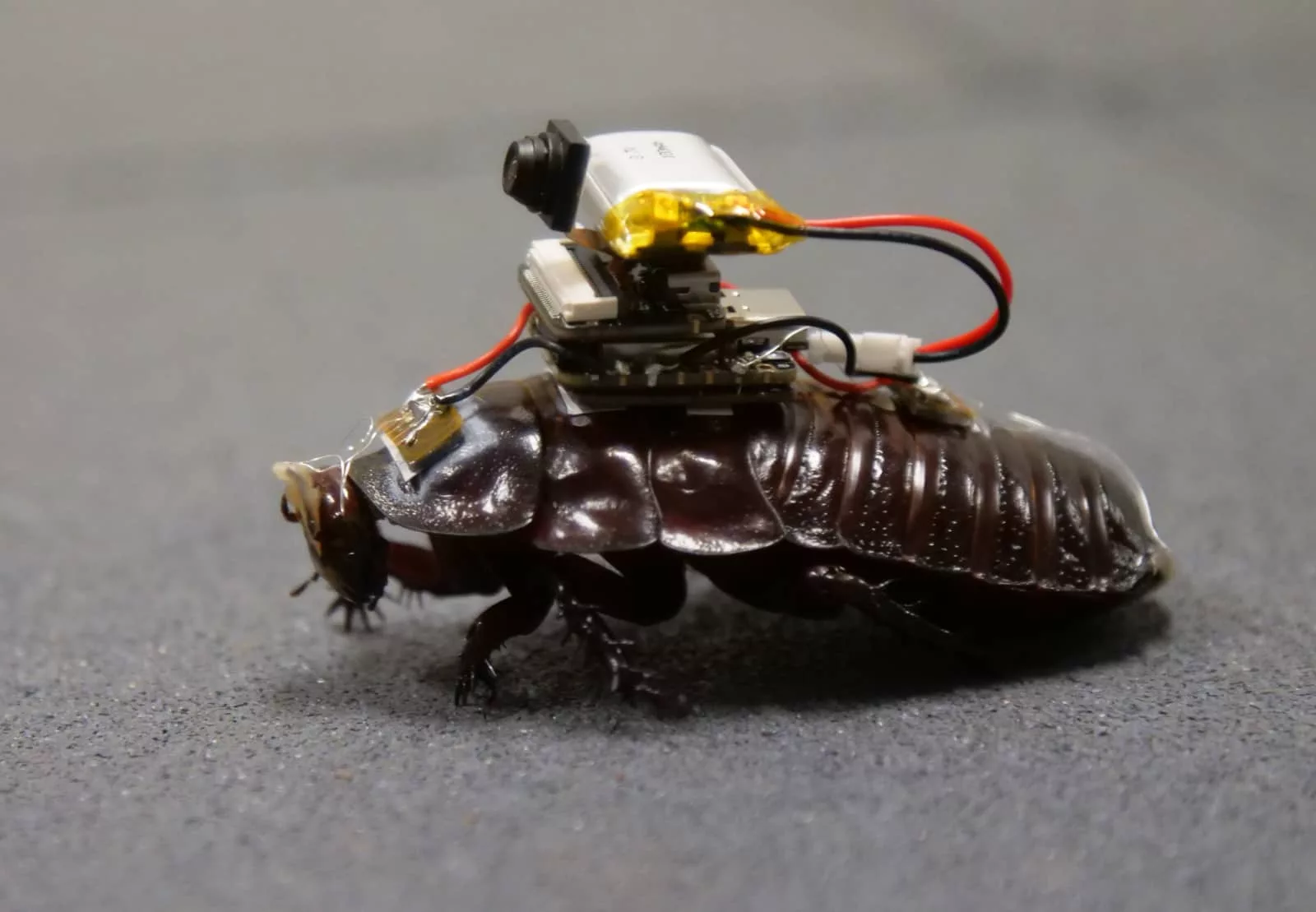
As part of the research, cockroaches are being equipped with lightweight cameras and sensors to let researchers control the bugs, potentially assisting in rescue operations.
Nicknamed “paraborgs’, the bugs are essentially paramedic assistants, with special packs that could be used to find people in places where humans can’t get to.
Imagine a building that has collapsed with no way to get through; that’s where these cyborg bugs are expected to be put to use, with rhinocerous cockroaches being used to carry the equipment. Bigger and heavier, they’re less like the cockroaches you’ll reach for the shoe or spray for at home.
As it is, the technology could see it setting up “swarms” of these cyborg bugs, and using it to help first responders.
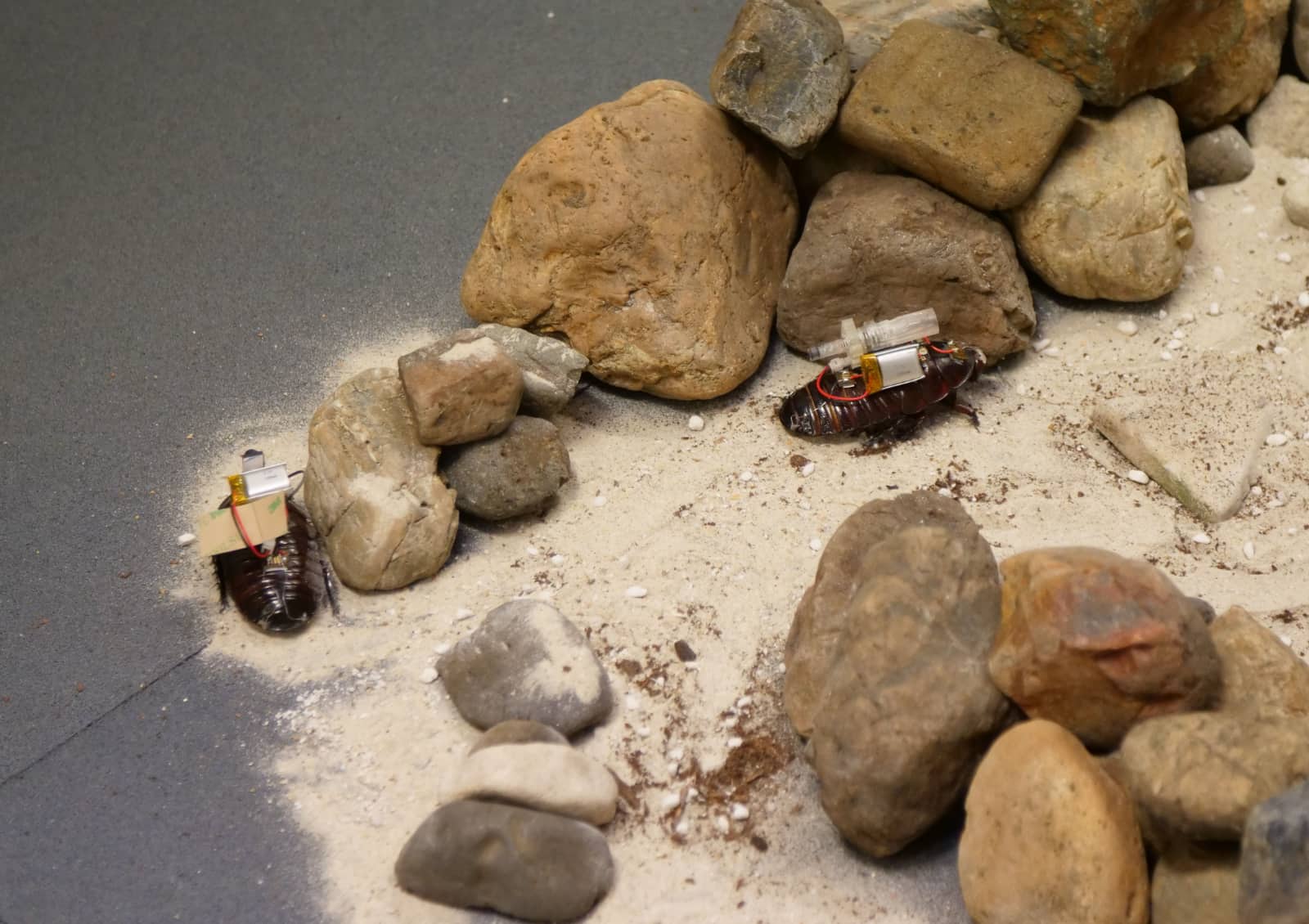
“Some could carry cameras and environmental sensors, while others could carry specialised emergency or medical equipment,” said Dr Vo-Doan.
“The vision is not to replace first responders, but to give them another way to see, reach and potentially help people when direct access is impossible,” he said.
“Hopefully, within the next 5 to 10 years, we could see cyborg insect rescue teams deployed to help people in real emergencies, provided we have the resources to accelerate the research and field testing.”