
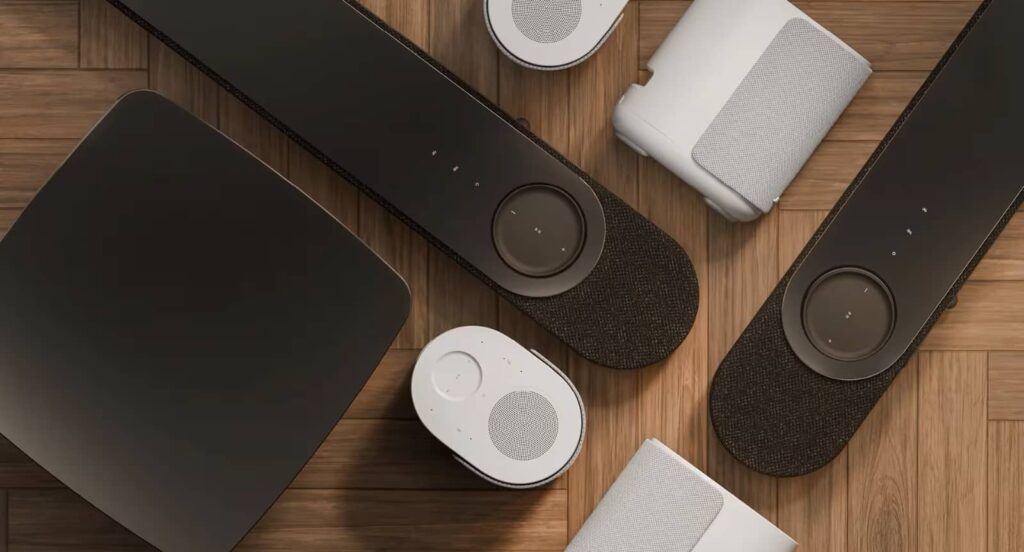
With great power comes great responsibility, and if you happen to have a sizeable TV, that responsibility typically should come with great sound alongside.
Unless your TV comes with a soundbar, that almost always won’t come from the TV itself, typically because the speakers will just be too small or aimed at the wrong location. Understandably, that can mean replacing it is the first thing you do.
But replacing it is just one of the things, because it should give you better sound, as well. Not simply content with adopting marginally better than stereo or virtual surround, Bose has been looking into what else it can do, creating new speakers for the home, though largely centred around the TV.
The range borrows a name we’ve seen on Bose gear previously, as the company brings over its “Ultra” branding used across noise cancelling headphones and earphones, while cutting out the noise cancellation they’re both known for.
In its place is support for spatial audio by way of Dolby Atmos, plus Apple AirPlay, Google Cast, and some technology designed to automatically analyse the room and optimise the sound accordingly, using the microphone on your phone as a reference point.
If that last one sounds a little like True Play on the Sonos gear, you wouldn’t be far off, though this is Bose’s take, even if you can’t take old gear with you.
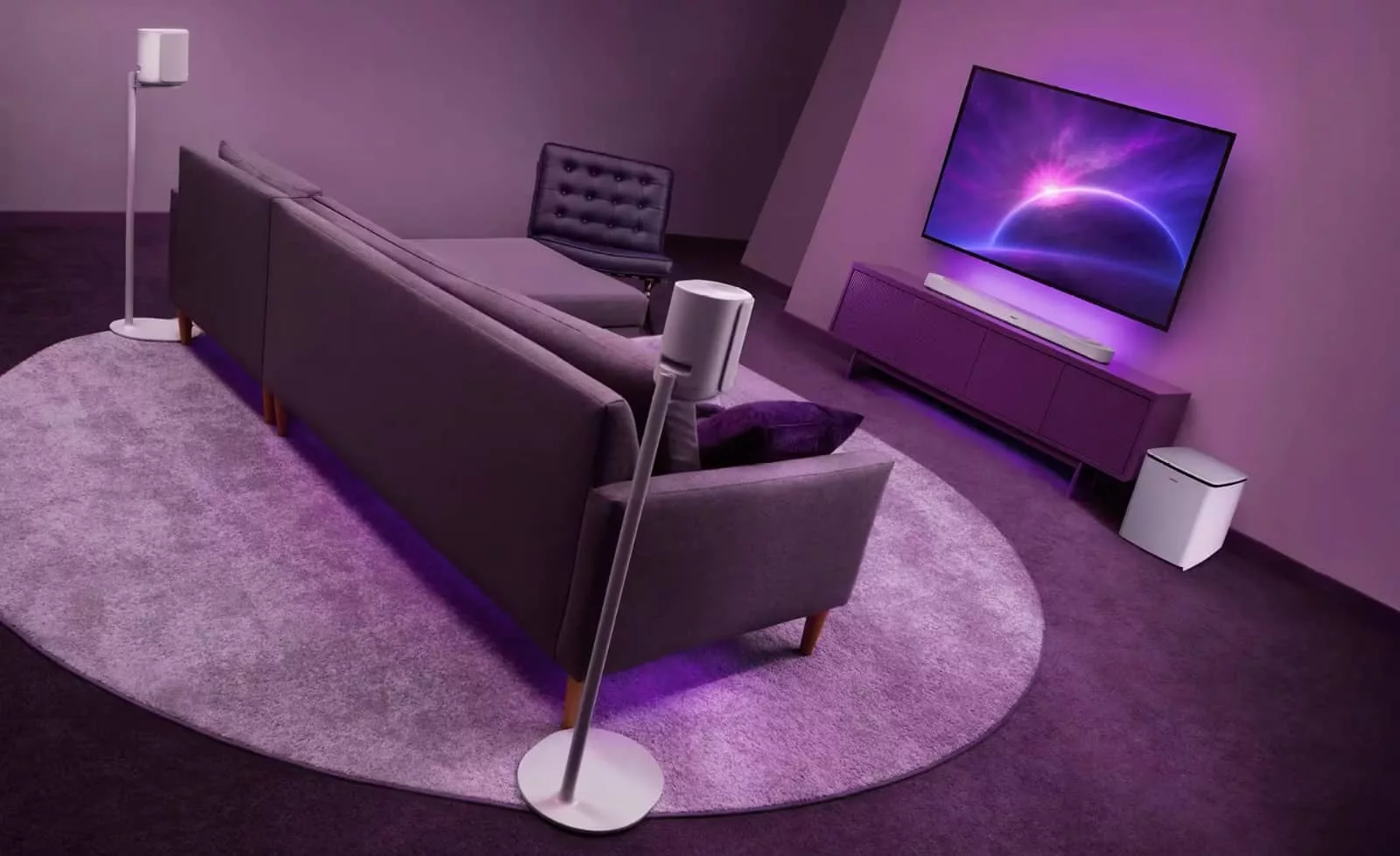
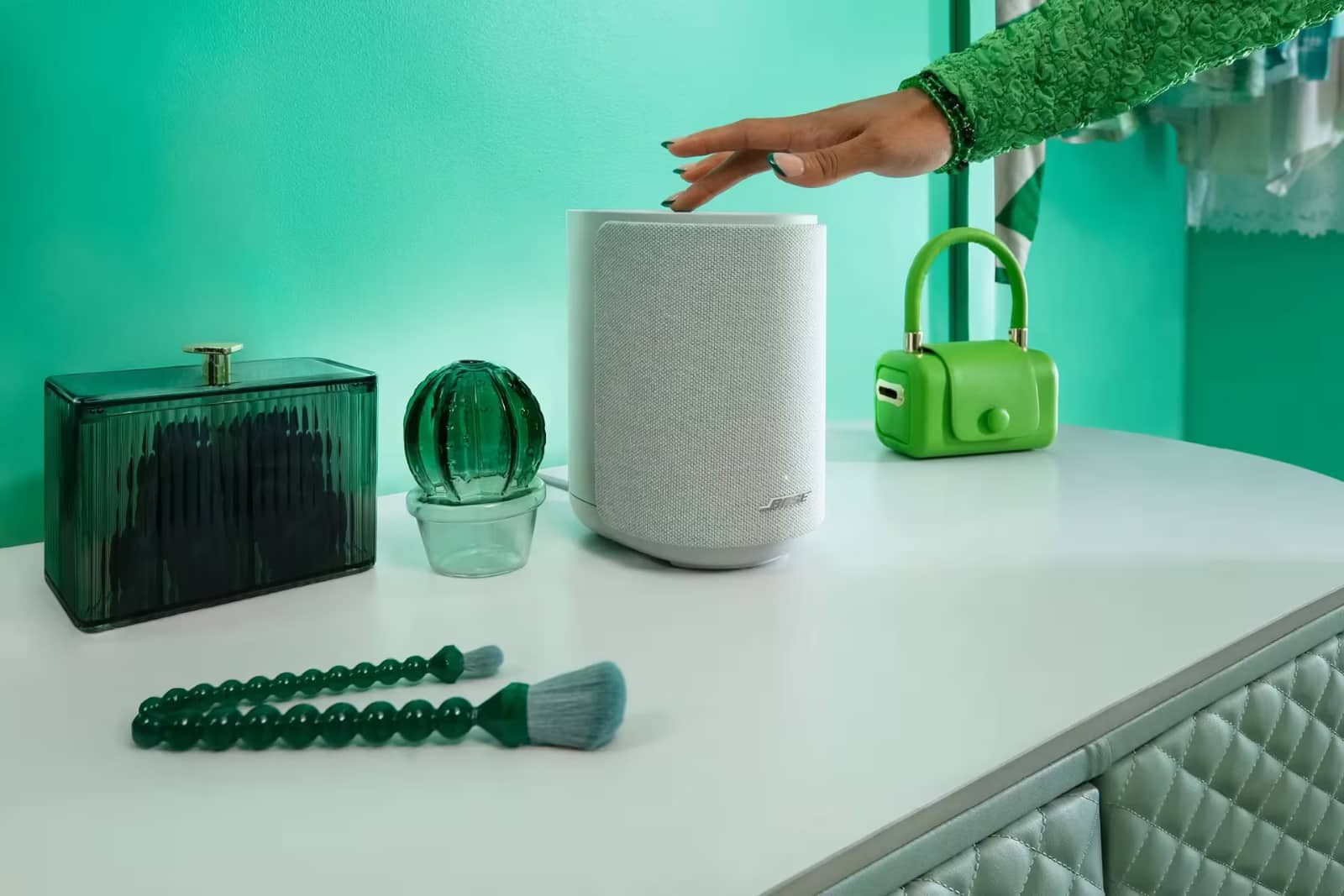
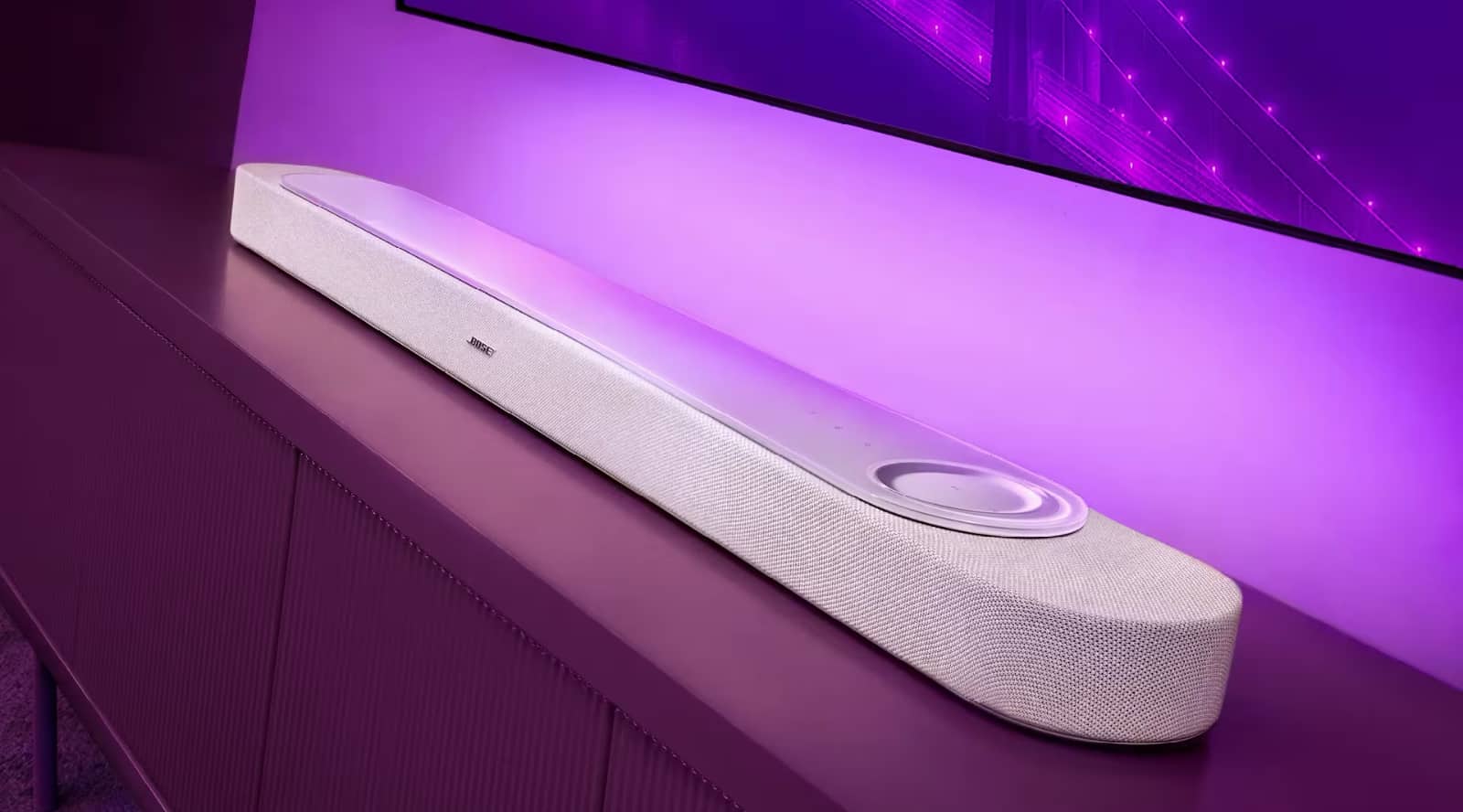
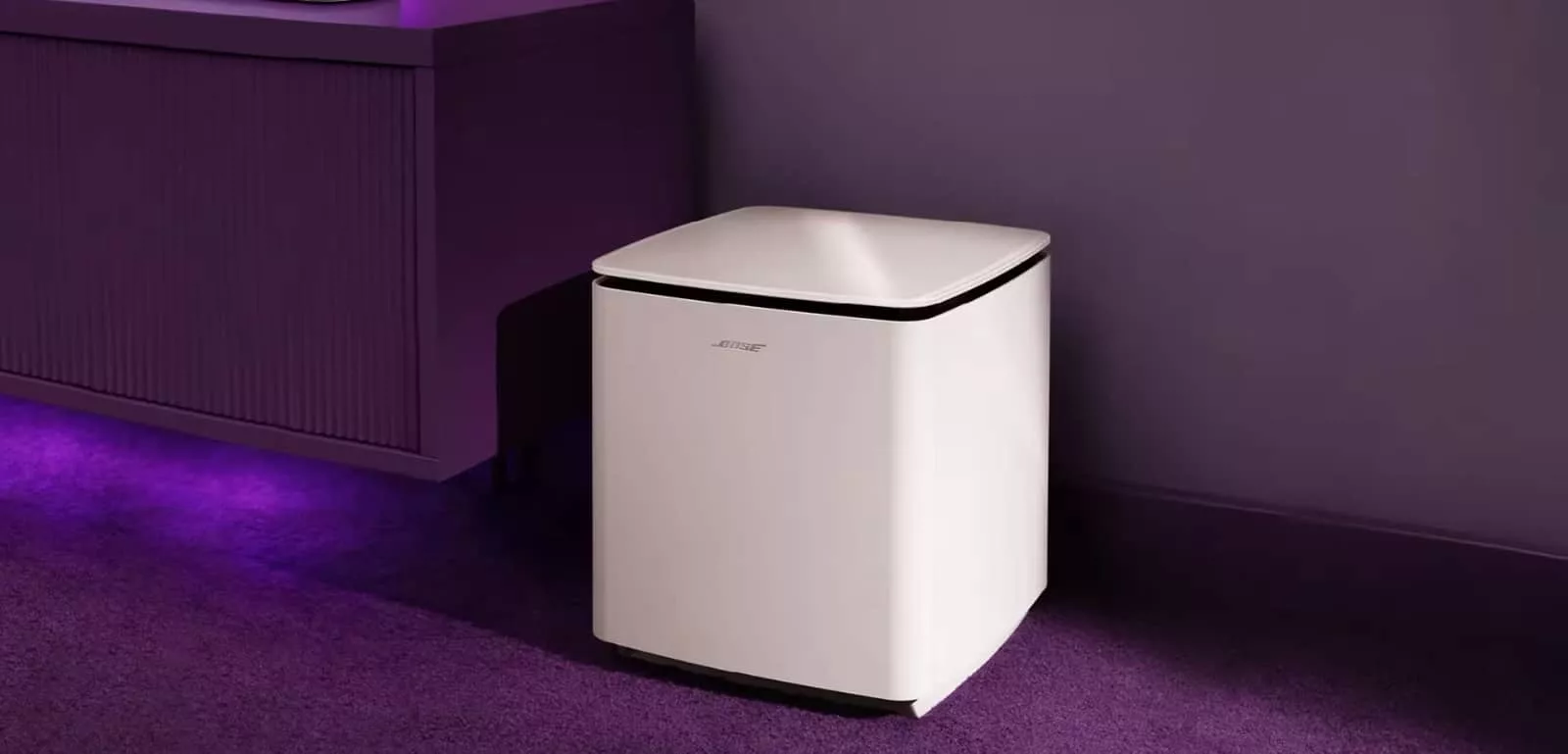
The new gear is the Bose Lifestyle Ultra speakers, covering a singular Ultra speaker with an upward firing speaker, a Bose Lifestyle Ultra Subwoofer made to give you the lows, and the Bose Lifestyle Ultra Soundbar, supporting six drivers all up including four front-facing and two up-firing, covering 5.0.2 in its sound, and using guide elements to send the sound out and simulate the idea of side speakers.
You’ll be able to mix and match these speakers for a bigger sound, essentially adding two speakers and a subwoofer to the soundbar for a 7.1.4 spatial sound, though that would bring you to a total of four speakers talking to each other: two Lifestyle Ultra speakers at the back, the comparative subwoofer nearby, and one soundbar at the front.
Sadly, if you have older Bose speakers or soundbars, they won’t play nicely with the new models, something Bose confirmed for Pickr.
In fact, the previous Bose Atmos-enabled soundbars aren’t compatible at all with the new Ultra speaker, basically leaving old customers slightly out of luck.
The design is also a little different, using a textured knit material versus say obvious plastic aesthetics used in other speakers, while the frames of the soundbar and subwoofer use glass to give them both a little more premium feeling.
“With the Lifestyle Collection, we wanted every detail to serve a singular purpose: making exceptional sound easy to enjoy,” said Raza Haider, President of Premium Audio at Bose.
“The flexibility, refined aesthetic, and experience are all built to fit into life at home, delivering on the one central promise that has defined Bose for decades: that sound matters,” he said.
While sound might be all that matters for Bose, the price will end up being something that matters for consumers, and given these come from the “premium audio” part of the company, you shouldn’t be surprised at the cost.
In Australia, the Bose Lifestyle Ultra Soundbar will cost $1799.95, while the Ultra Subwoofer will cost $1299.95 and the Ultra Speaker at $549.95 each.
All up, that suggests a full Bose Lifestyle Ultra soundbar system delivering 7.1.4 will hit just under $4200 locally, making it not exactly an inexpensive system. That said, given Sennheiser’s Ambeo launched at not much under $4000, and the Sonos Arc Ultra isn’t priced terribly far off, Bose is likely targeting the same crowd.
In short, if you’re after high-end spatial audio, this seems to be about the norm lately, and Bose’s range will land mid-May 2026.