
There’s a difference between your real parents and scammers pretending to be them, but sometimes your phone can get a little lost in translation.
Never mind that they should have a totally different phone number and name, but the Sender ID can be a little confusing at times. That’s one reason why the government has a plan to make text messages a little more convincing with the Sender ID program rolling into place from July 1, forcing all businesses to register their SMS-sending phone numbers on a list to verify who they are.
But there’s still more that can be done, because the SMS Sender ID programme only works for text messages, not for phone calls.
Up until now, most of the “your mum” scams have been a text message or over WhatsApp, but criminals are trying it on other avenues, as well.
In short, you can still be tricked if a scammer decides to simply pick up the phone and make a call instead of simply texting their details. “Hey Mum” need not be a simple text; it can be a voice message, and one potentially made more crafty with an AI cloned recording from the kids on social media. It’s not very difficult to imagine.
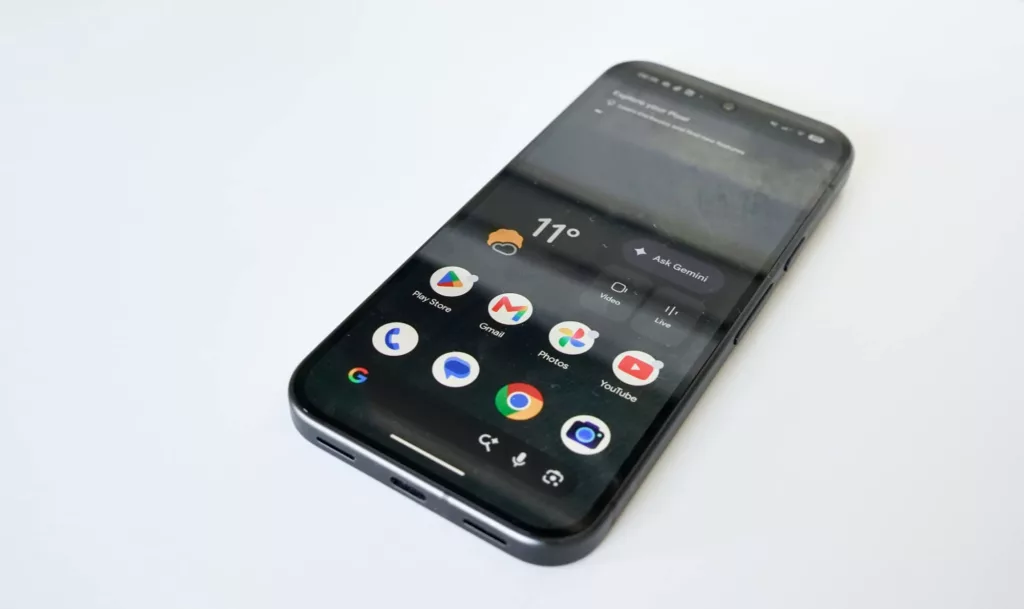
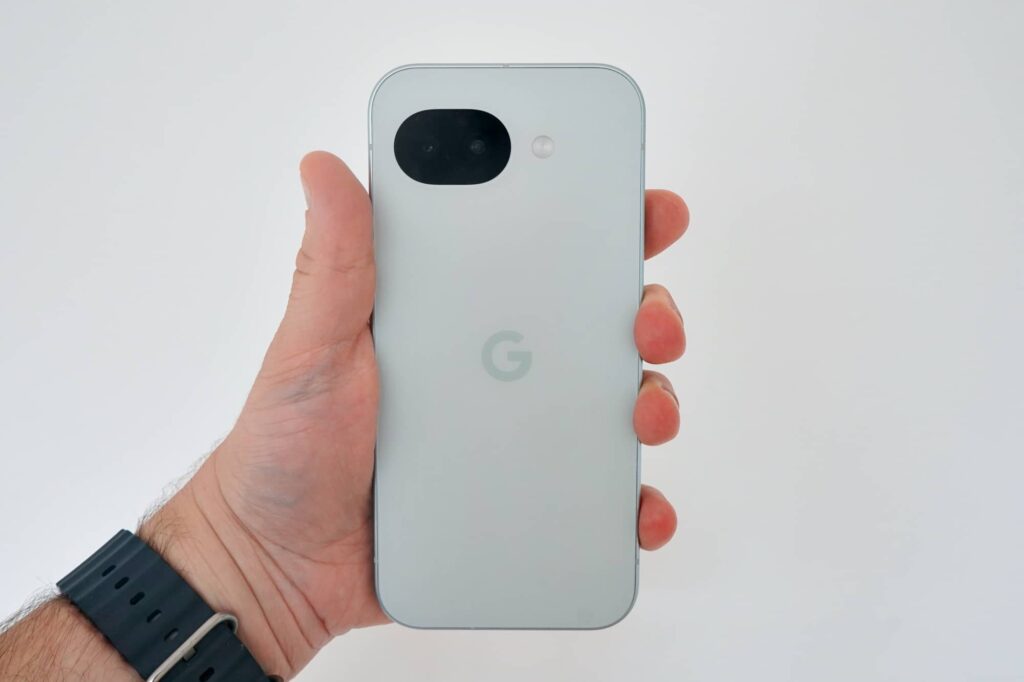
To at least assist with the prevention of scams like this, Google has been doing some work, and owners of recent Android phones — specifically those in the Google Pixel camp — look set to reap the benefits first before any other device maker.
It’s a feature rolling out for Pixel first, but will eventually make its way to all Android devices with Android 12 and higher, and essentially checks whether a phone call is fake or real.
To do this, Android’s fake call detection builds from technology used in Rich Communication Services, what is ostensibly the evolution of text messaging in SMS. When someone calls, the caller’s phone app sends a signal to say it’s a real caller, and can essentially tie that to the real contact. Picked up on the other end, your phone basically verifies it.
But when a scammer tries it, the first signal is missing, and your phone can basically work out the phone call isn’t coming from the real place, sending a warning message.
The problem, however, could be in how Google does this, using the phone app it makes for Android. If you own an Android and your mum owns an iPhone, she probably isn’t using the phone app Google makes, but rather the one Apple makes. That may prevent this from working.
It is a start, however, and joins some of the previous approaches, including an AI detection that works over messaging over in the world of Pixel phones.