
Australians have been doing things together of late, though the government is possibly the reason why.
On July 28, we all checked our phones in unison as AusAlert was tested, with not every device firing, even though millions did.
And on August 11, we’ll all head to our phones and tablets and laptops together to see if the government’s web servers are capable of holding us all at once, providing data about how the country is going and what we’re all roughly doing.
Yes, it’s Census time again.
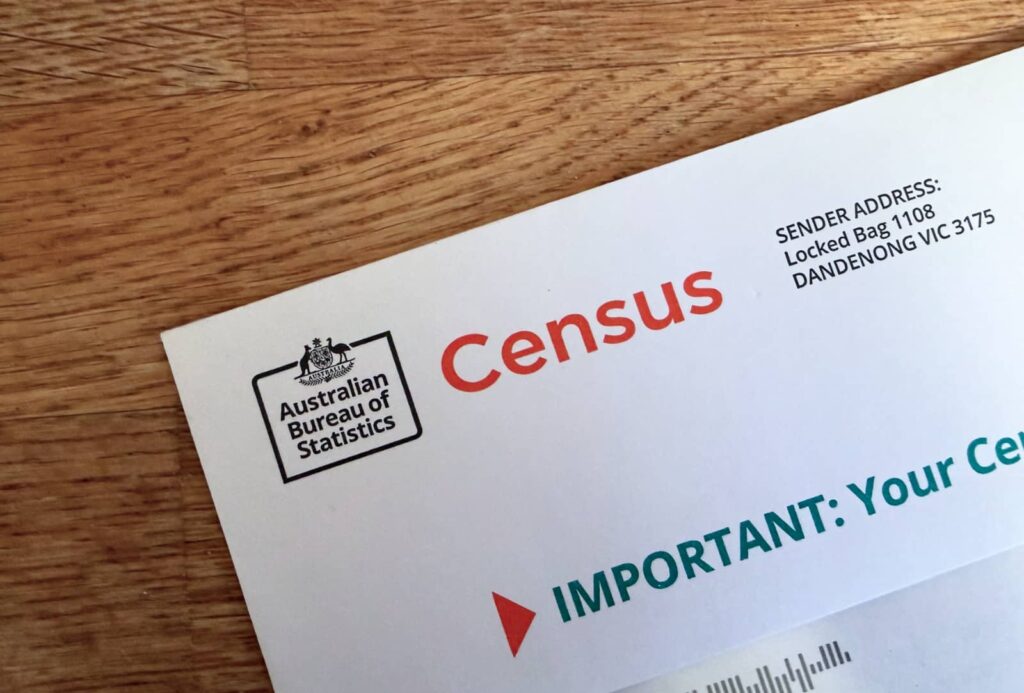
Held every five years, the Census is a national event where every household is required to provide a few details for the Australian Bureau of Statistics (ABS), painting a picture of what’s going on around the country.
It’s a serious event, and not participating could get you fined much like it does with not voting, but there’s one major difference: everyone gets to do this from the comfort of their home, logging on to a website and entering those details.
You don’t need to leave the house to take the Census, and you can do your own Democracy Sausage in your own kitchen.
But because you’re doing it on a website, that makes the Census a target for scammers.

The chances of phishing rise
You probably already know by now that scammers will do anything to make money, or more specifically to take money from you.
With scams taking literal billions from people in Australia every year, it’s an effort that likely won’t stop, with much of it coming from fake websites designed to fish your details out of them. They can affect young and old, and anyone can fall for them if they’re not paying attention, and sometimes even if they are.
Get caught by the wrong site — the fraudulent one — and you can inadvertently hand over those details to someone in the middle, who will then use them against you. Credit and debit details. Banking information. Logins to other websites and social networks. All of this can be used against you, or to manipulate aspects of your life and remove money from it.
Technically, the Census doesn’t require any of this information. You don’t need your bank card to run the Census, nor should you need to log in to social to share that you’re doing the Census, if that’s even a thing.
However, scammers will likely take advantage of the Census for a few reasons, including:
- It’s a government run event
- It’s held online, and
- It likely won’t be difficult to fake a website for
All of this means you need to be a little more aware of what you share, and what sort of emails and text messages come in over the coming days, plus the week or two after the Census is officially over.
While scammers can no longer pretend to be the government using SMS because of the new Sender ID rules (meaning they can’t spoof a phone message sender name), they can still simply send them under a phone number in the middle of the night and hope to catch you out.
And catching you out could lead to dire circumstances.
“Be particularly cautious of Census-themed phishing,” said Geoff Schomburgk, Vice President of Yubico in the Asia Pacific region, a security company that builds physical passkeys.
“Criminals regularly exploit major government events and deadlines to create a sense of urgency and fear,” he said. “Messages claiming a form is overdue, a fine is pending or information must be urgently verified should be treated cautiously.”
It means being just as aware (if not more so) is as important as ever, and not to click on text messages or emails purporting to be about the Census. The same rules we typically recommend for all scams play here, including checking the sender email address on emails, and to simply type in the address on your Census form, following the government’s specific instructions.
Don’t fall for a related myGov scam
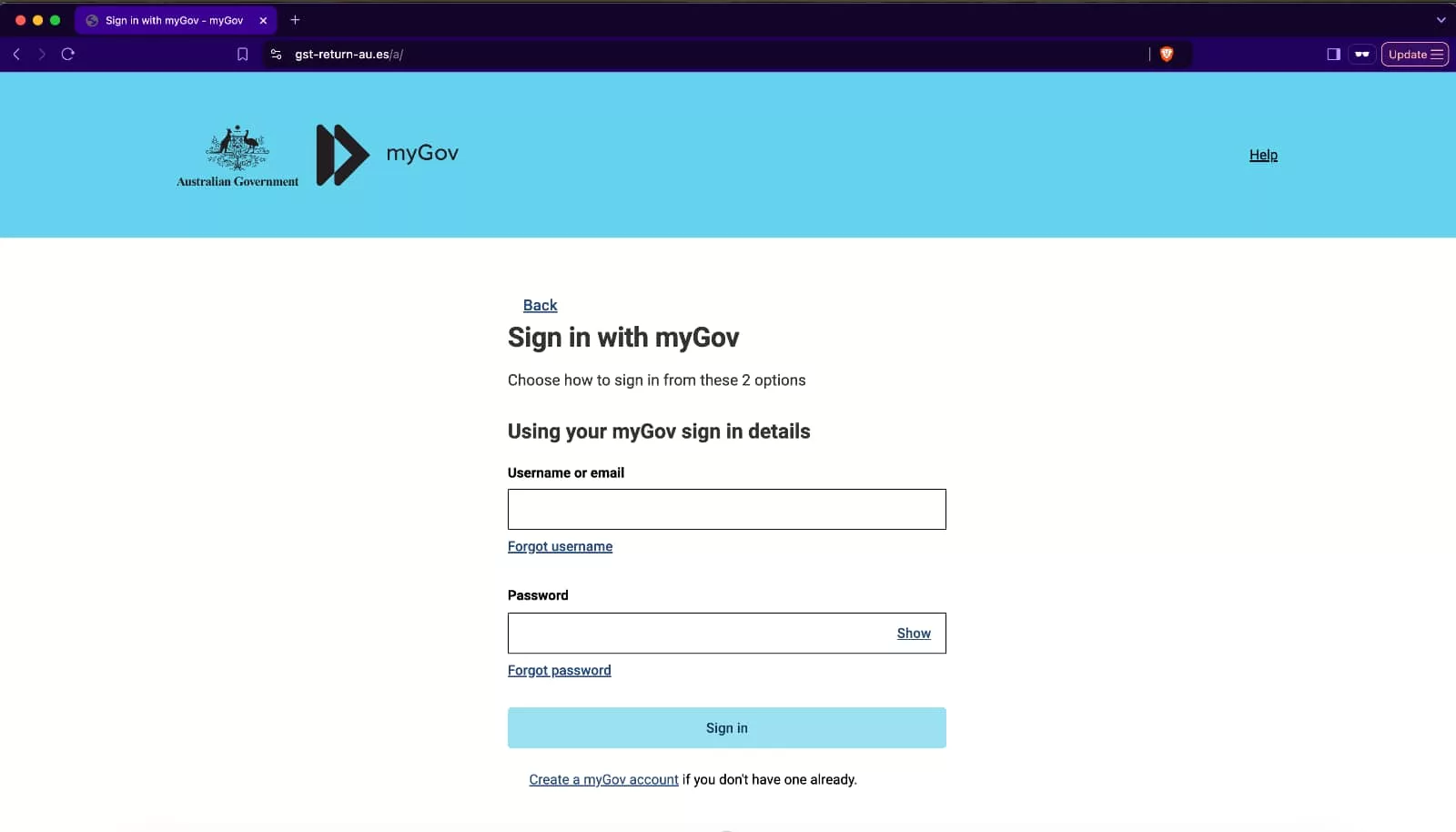
This year, the government will let you log in to the Census using your myGov access, which could be a handy way to get to the right website.
The problem is that scammers will also likely join the dots between these two, and create phishing sites with myGov connections.
It’s worth pointing out that while some myGov scams are particularly difficult to work out, they can still be found by looking at the domain in your browser, the www-dot-whatever that websites use.
A scammer can’t use the real Census site, a real domain from the ABS, or any other government websites because they’re not connected with the owners of those sites. Nor will they flag in Google for searches about those for very much the same reason.
That means finding the real Census site should come from either a web search, your myGov inbox, or even those Census details you were mailed like everyone else.
Keep your Census details private
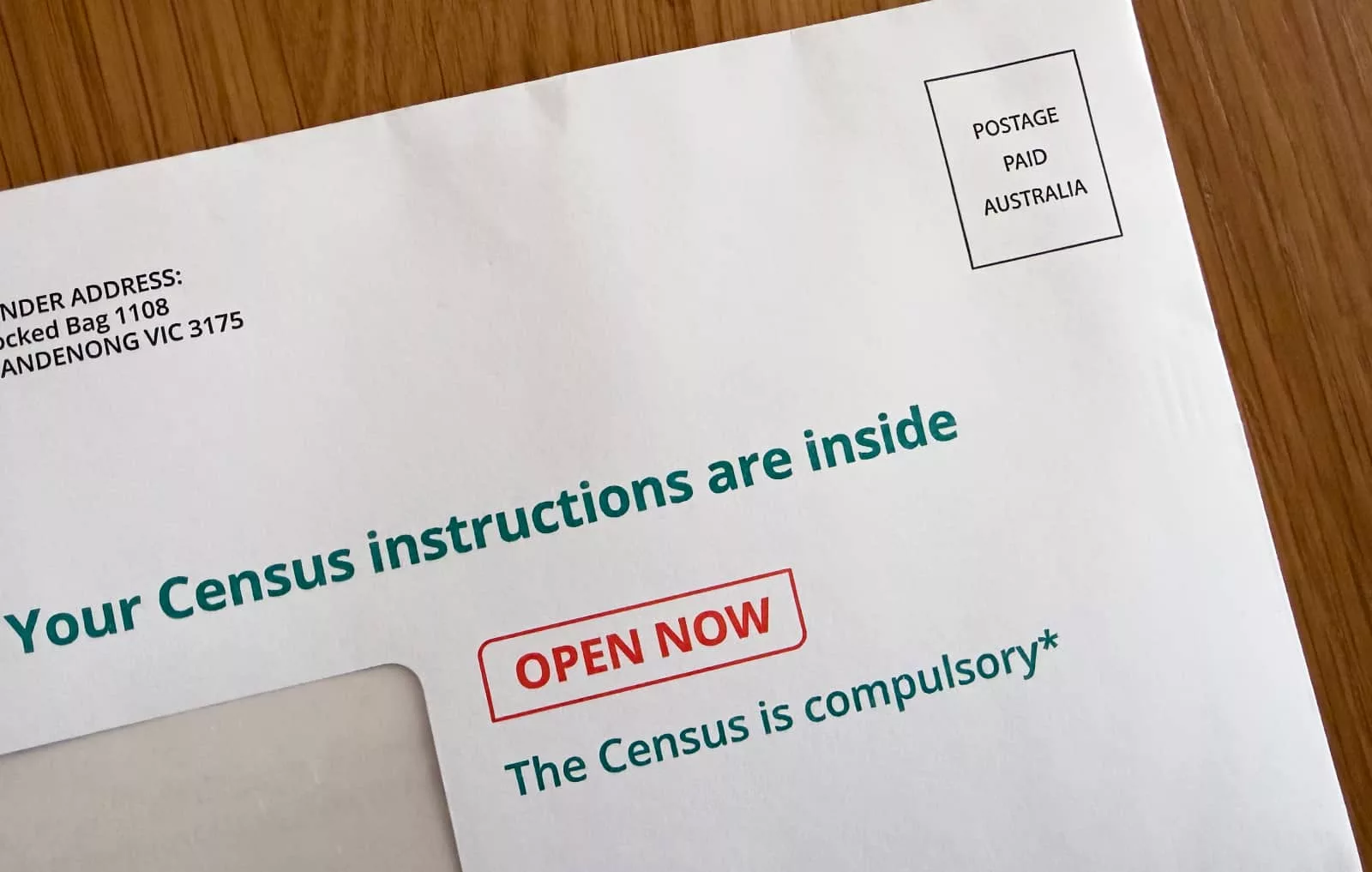
While we’re on the subject of your Census details, it’s a handy idea to keep them private. Not necessarily because they can be used as security details for any other service, but rather because they can be used as a way to identify which people are more likely to fall for a scam.
Sharing your Census details can be a little like sending a flare up to say to scammers “please try”, simply because they can join the dots between your social accounts and emails (likely from other breaches), and then pepper you with other related scams and phishing attempts.
You might receive specific scams noting that your Census details have been cancelled or invalidated because you shared them, or you might receive a fake request to get new details. Both of these don’t take much imagination, but you simply need to be caught out to lose your legitimate details.
Scammers might even try to extract financial details simply by asking you to pay for new Census details because you shared your old ones, another scam but one that could be easy to fall for if you didn’t know.
“Treat the Census number and temporary password like account credentials. Do not photograph them, forward them or share them outside the household,” said Schomburgk, who also noted that when you use the Census site, make sure to do it by using it through a trusted route, such as typing the address in the browser or going through myGov directly.
“Avoid clicking links in unexpected emails, text messages or social media posts,” he said. That’s where you might get caught out.

The days following the Census
It’s entirely possible (and likely) scammers will try some tricks following the night of the Census on August 11, 2026.
Scams advertising late Census reports and filings, being asked to pay money to avoid fines, and other related themes are exactly the sort of things we still see in tax-related scams, and we’re also in that season as well.
Like with all scams, it’s good to be aware of what’s going on and to not fall for the trick of urgency. Scammers and criminal use that sense of speed because it discourages thinking, and you’re more likely to be a victim when immediacy is a part of the plan.
But if you simply take a moment, and read the message and where it comes from, you’ll quickly find that it’s just a ploy rather than anything legitimate. And you can delete it and move on with your life.