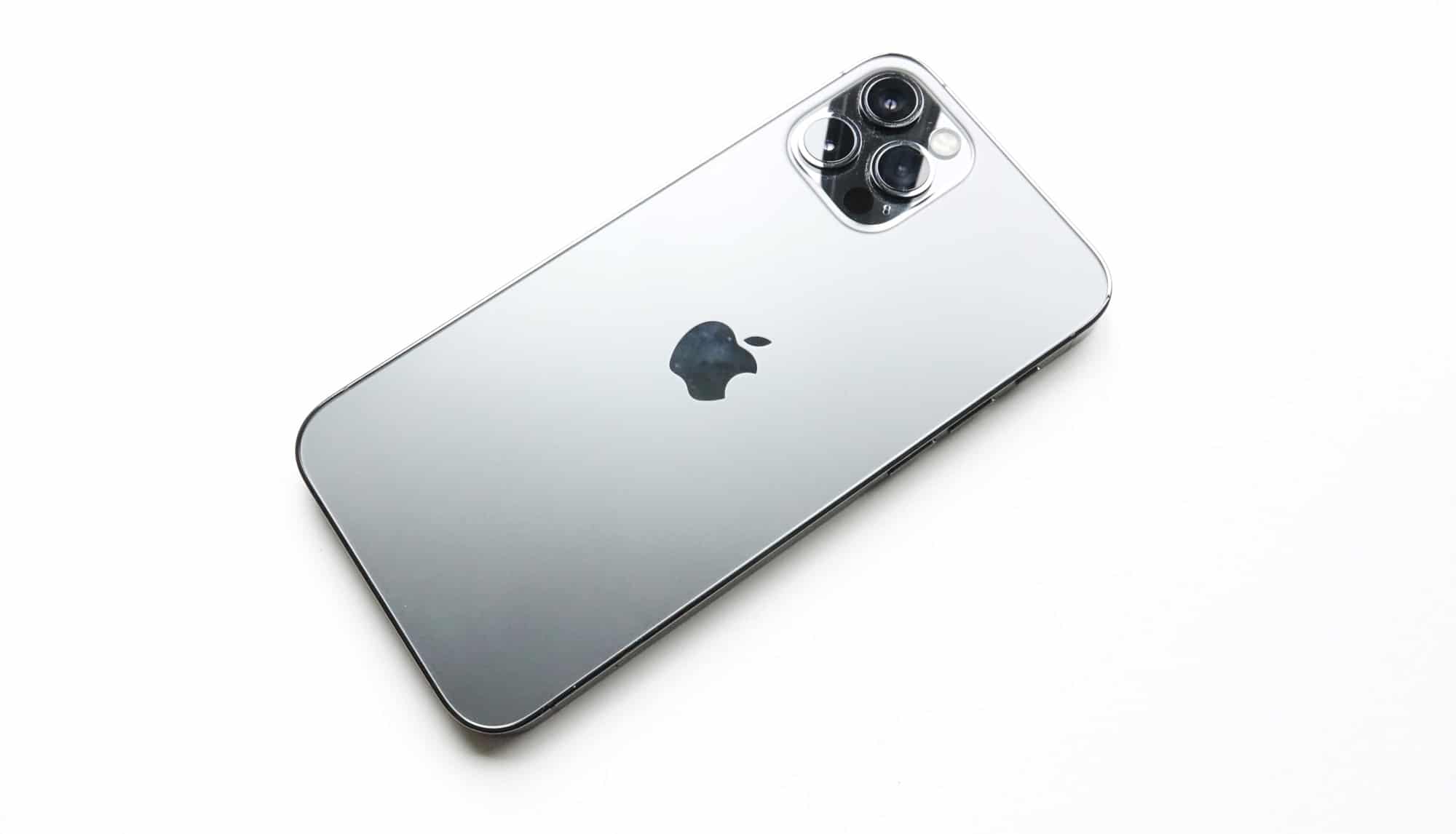

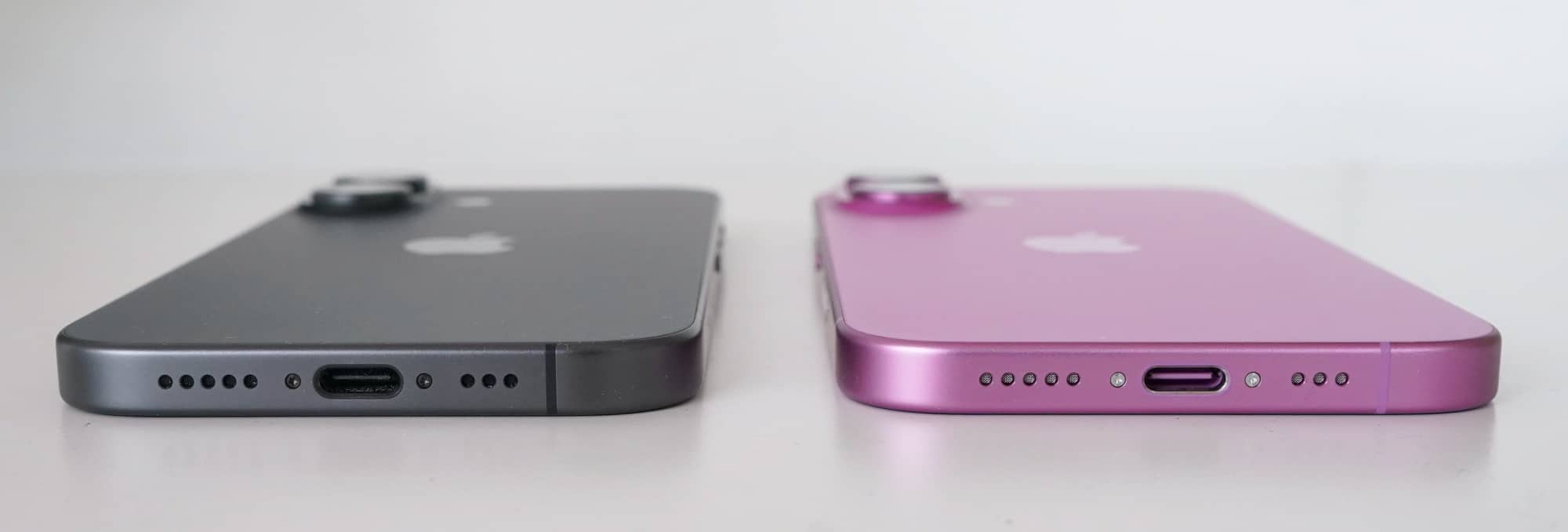
With no less than five current iPhones and a few from prior years also in the line-up, picking an iPhone can be difficult. Fortunately, we can help.
When you’re in the market for any new gadget, working out what you want can be a daunting task. There are prices, feature sets, sizes, and so on, and so picking anything is often a case of research and working out just what is right for you.
It’s a question only you can answer, while the research side is often up to publishers like Pickr to help out. After all, reviewers have been working for years to explain what makes the right product the right product for you.
Picking a phone is one of these dilemmas. It’s never all that easy unless you know exactly what you want, and there is often a lot to choose from.
Pickr’s editor has long suggested to head to a store and find three phones you like the look and feel of, and then to research them and read reviews. Feeling whether they match your hand and who you are is an important part of working out if a phone is right for you, and is very much like seeing a TV for yourself when you audition it before buying. However, the research is critically important, as well. After all, how do you know if it’s good if you don’t see a review?
Buying an iPhone is no different, thanks in part to just how many iPhone models there are these days. With four released at a minimum every year, plus older models still in the range, both found new and from refurbished places, how do you pick an iPhone?
Buying the best iPhone right now
One of the obvious approaches is to pick the best iPhone you can, of which there are always two best iPhone models every year.
Simply look for the model that has the latest number and the words “Pro” or “Pro Max” to find the best iPhone. What makes the Pro/Pro Max models “the best” comes from a combination of factors, including:
- The materials used in the design
- More capable processors
- Better cameras
From September 2025 to September 2026, those models will likely be the iPhone 17 Pro and iPhone 17 Pro Max, released on September 19, 2025.
While our iPhone 17 reviews are on the way, their predecessors are still very much in demand, the iPhone 16 Pro and iPhone 16 Pro Max. Apple typically keeps the feature set very similar between models, so in terms of technology, two of the best iPhones available right now are both of these, models that are practically the same except for screen size and battery life. Each were awarded Best Picks in 2024 due to the tech and feature set found on the phones.
As of the time this guide was updated, we had our iPhone 17 Pro review ready to go, and our iPhone 17 Pro Max review wasn’t far behind. We’re still working on reviews for the standard iPhone 17 and iPhone Air, both released alongside.
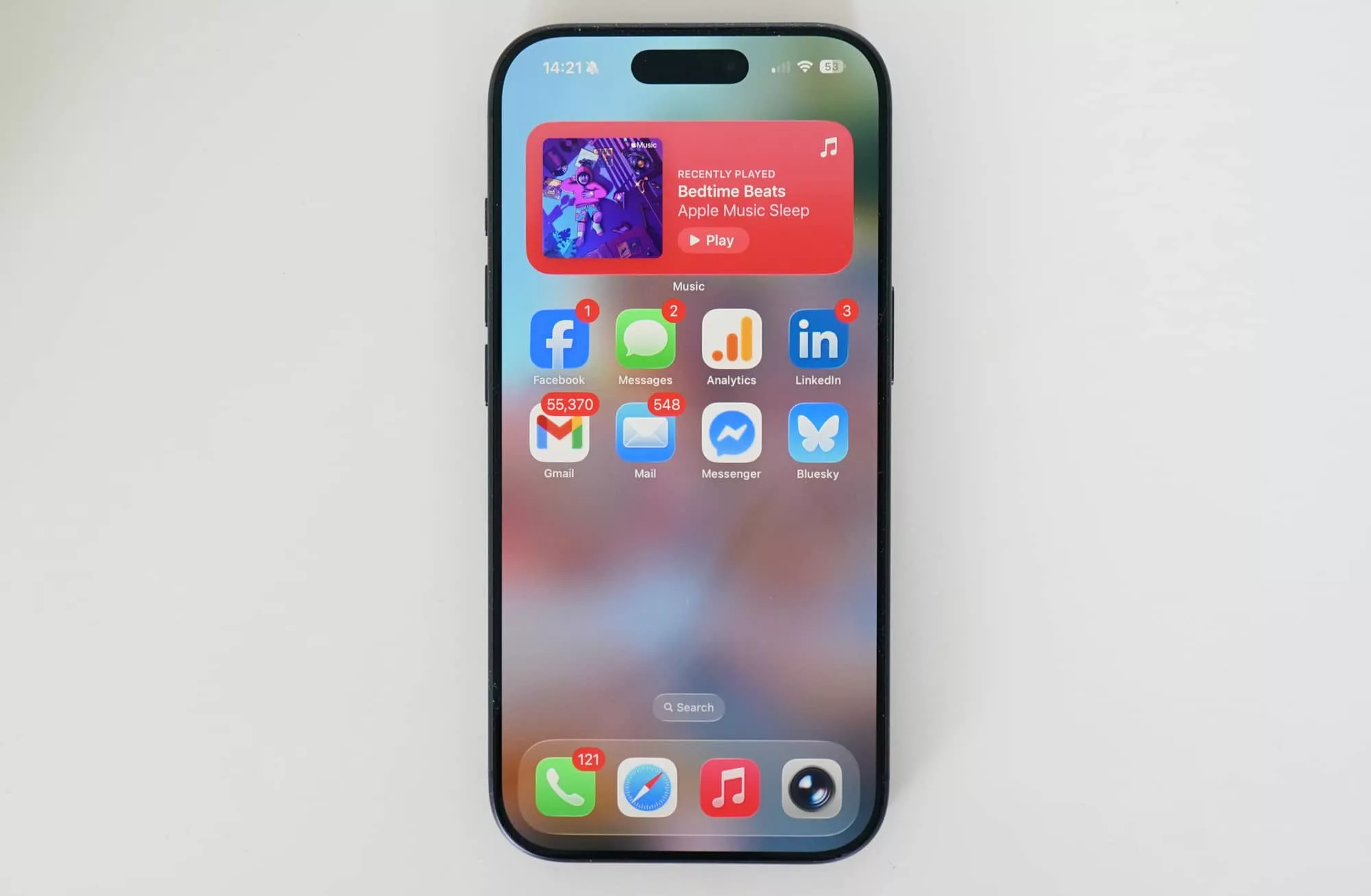
Apple iPhone 17 Pro
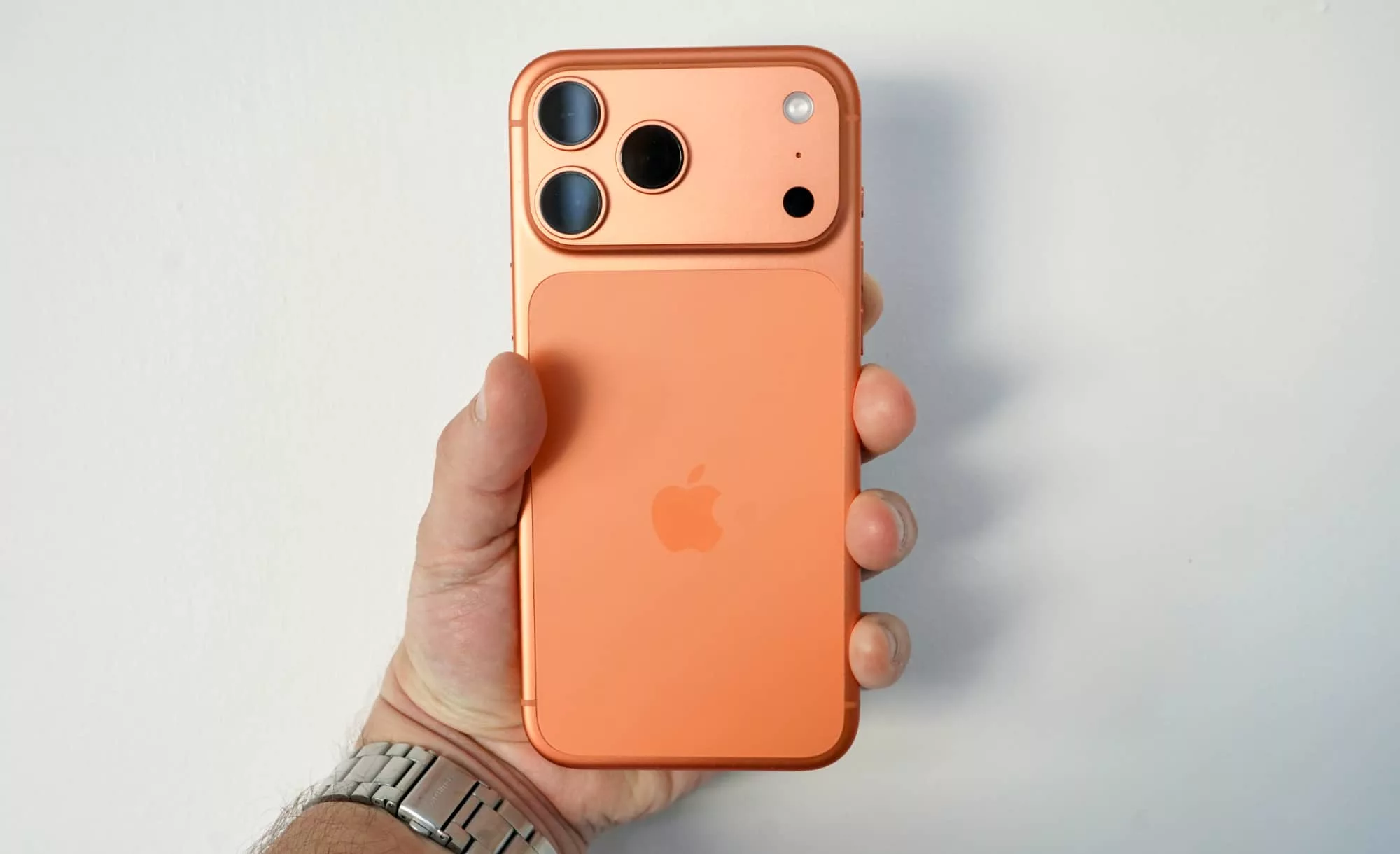
Apple iPhone 17 Pro Max
Buying on size: which iPhone is right for me?
Alternatively, you may want to look at an iPhone based on size, which can give you a clue on which model to buy that fits your hand best.
Size is an important factor, because some people prefer a big phone while others prefer a smaller phone. If you don’t like carrying a lot of a phone with you, a smaller model can make a lot of sense. Meanwhile, if you prefer a phone with more battery life, bigger models can pack a larger battery in, which typically means greater battery life.
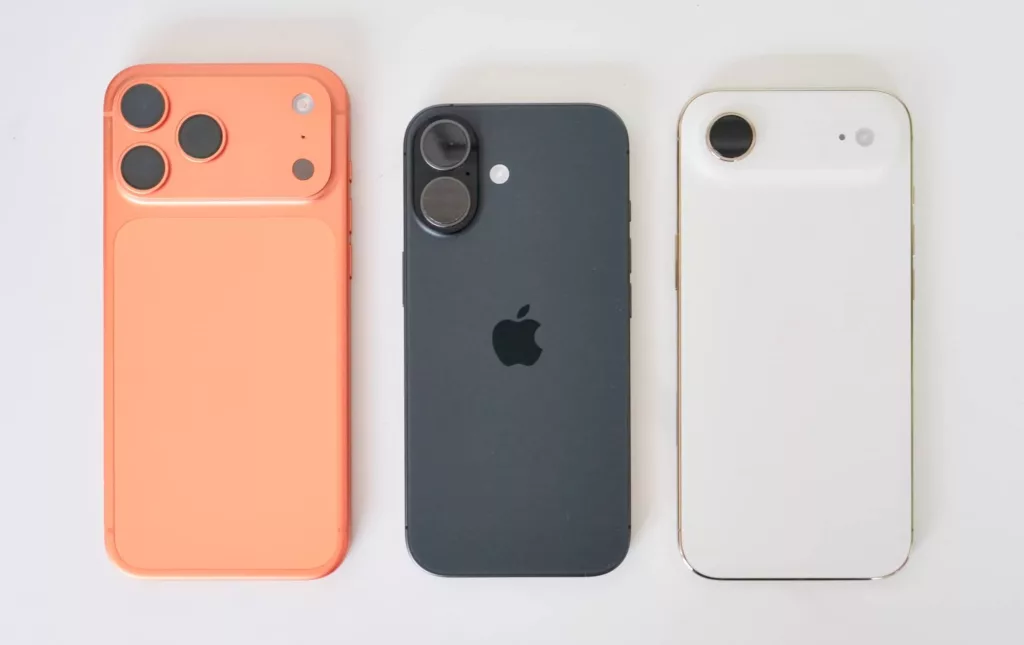
Apple’s current range includes 6.3 inch regular sized iPhones and larger 6.7 inch iPhone models, as well. These days, the use of Apple’s screen technology taking up most of the front meant 6.3 inches is considered a “normal” size of phones, even if it sounds larger, while 6.7 inches is the larger style of phone.
Apple no longer makes its smaller 5.5 inch iPhone Mini models, but a small iPhone can be found in the older 4.7 inch iPhone SE, which is about the same size as the iPhone Mini, but instead uses a smaller screen flanked by borders not unlike the older iPhone 8.
Knowing what size suits your hand and pockets best can tell you which phone models you want to end up with.
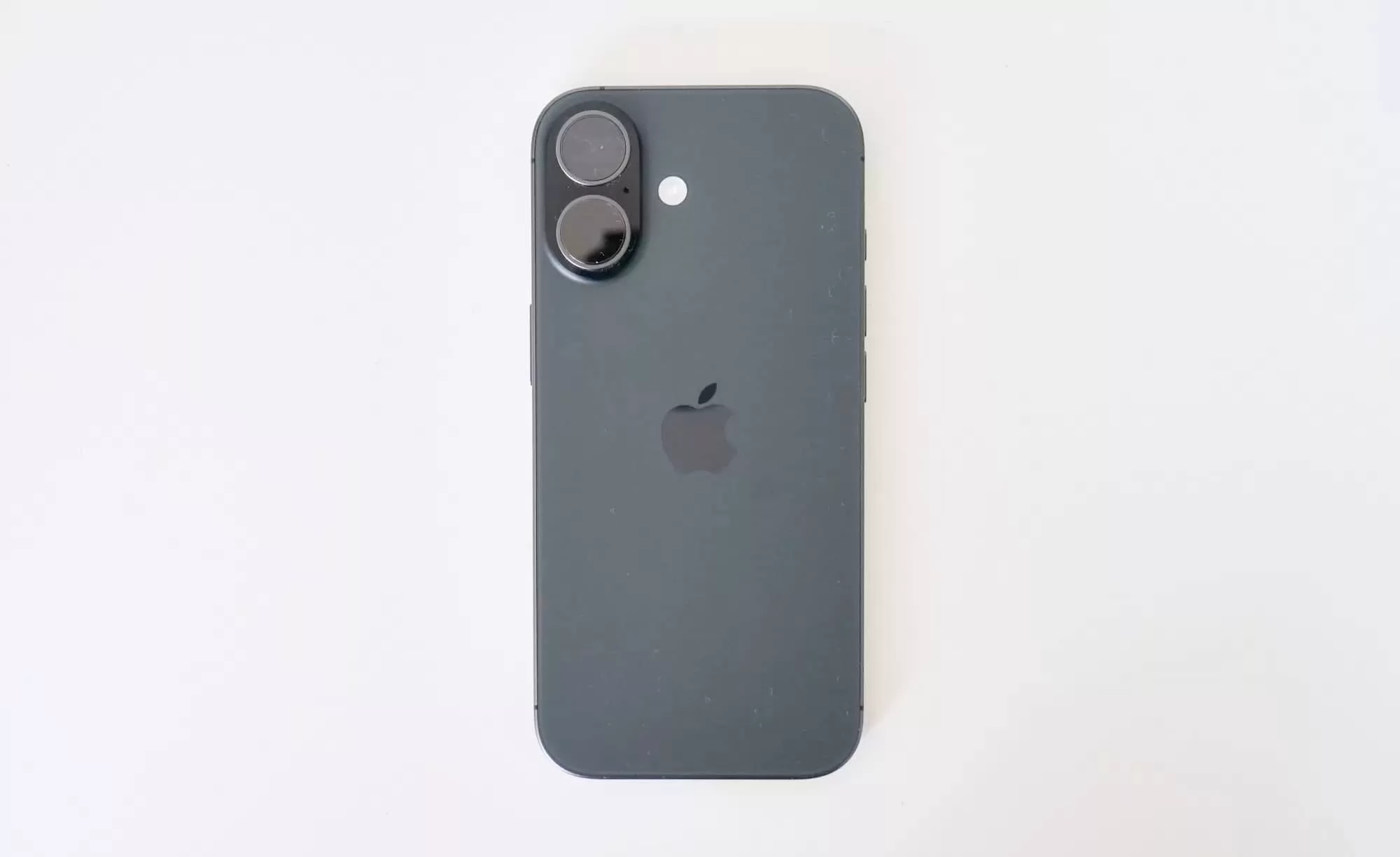
Technically, Apple doesn’t make the SE anymore, so the smallest phones as of 2025 onwards are the 6.3 inch iPhone 17 or the 6.1 inch iPhone 16. Interestingly. Apple’s use of 6.3 inch screens fits in roughly the same size as its previous 6.1 inch iPhones, largely thanks to improvements in technology.
Buying on price: which model has the best cost?
When you know which iPhone is right for your hands, consider the cost. Phones aren’t cheap, and an iPhone is typically the most premium of the bunch.
New iPhones start from $1399 in Australia, while the Pro models start from $1999, providing a solid difference in what you need to choose between. With the iPhone Plus seemingly removed from the range, Apple’s only current standard models include a 6.3 inch regular-sized model in two versions: the standard iPhone and the Pro iPhone. Meanwhile, the less expensive single-camera “e” model. As such, your choice of size can be matched to your desire to save money or get the best technology.
Ultimately, reading reviews will give you the best understanding of what makes those differences up, but as we learned year on year, the range of the iPhone is so solid, you’ll end up with a great phone regardless.
For iPhone buyers, the choice often comes down to what’s more important in the long term: saving money or having a better camera setup. That is largely the conundrum when picking an iPhone.
If the answer is saving money, go for the standard models. The feature set will often keep you happy for a few years, and you won’t need to spend as much. Meanwhile, if you want the best technology and don’t mind spending a little extra, the Pro and Pro Max models are the best you can go each year. They may change every year, but your feature set will likely keep you happier, and you may even find ways to gradually use everything Apple provides. Maybe.
Long term thinking: how much storage do I need?
Even after you’ve settled down and picked which size and price you want to spend, one question remains with iPhones: storage size.
Storage is one of the few choices Apple provides when you buy an iPhone, and it’s an important one, largely because everything we do depends on storage. When you take a photo, it stores that data on storage. When you download an app or game, it eats into the storage, as well.
The more things we do with an iPhone, the more our storage will be consumed, and while you can get it back if you delete files (hopefully after backing them up), you can’t upgrade storage on an iPhone at all. Storage is locked into a size when you buy an iPhone, and the most you can do to fix that is back things up and delete them. Apple’s operating system for an iPhone, iOS, also eats up storage on the iPhone.
The logic is therefore simple: buy the iPhone with the storage amount you think will keep you comfortable for the next however long you plan to use and keep your iPhone for.
While that can be difficult to work out, a simple logic is to start from the second storage tier for any iPhone. If you’re not sure how many apps you plan to download or photos and videos you plan to take, start from the second storage option and move up, as that will give you just that little bit extra flexibility.
On the current iPhone range, that’s essentially starting from 256GB throughout most of the range, which seems an appropriate minimum amount of storage for any phone in 2025 to have. For most, this is a totally reasonable amount, but if you’re looking at longevity, we’d suggest around 512GB, particularly if you plan on holding onto your phone for 3 to 5 years.
Apple iPhone 17
Apple iPhone Air
Apple iPhone 17 Pro
Apple iPhone 17 Pro Max
A super-slim iPhone Air before a foldable arrives
With the removal of the iPhone Plus line from the official line-up, Apple has actually added a new type of iPhone for 2025: a super-slim iPhone.
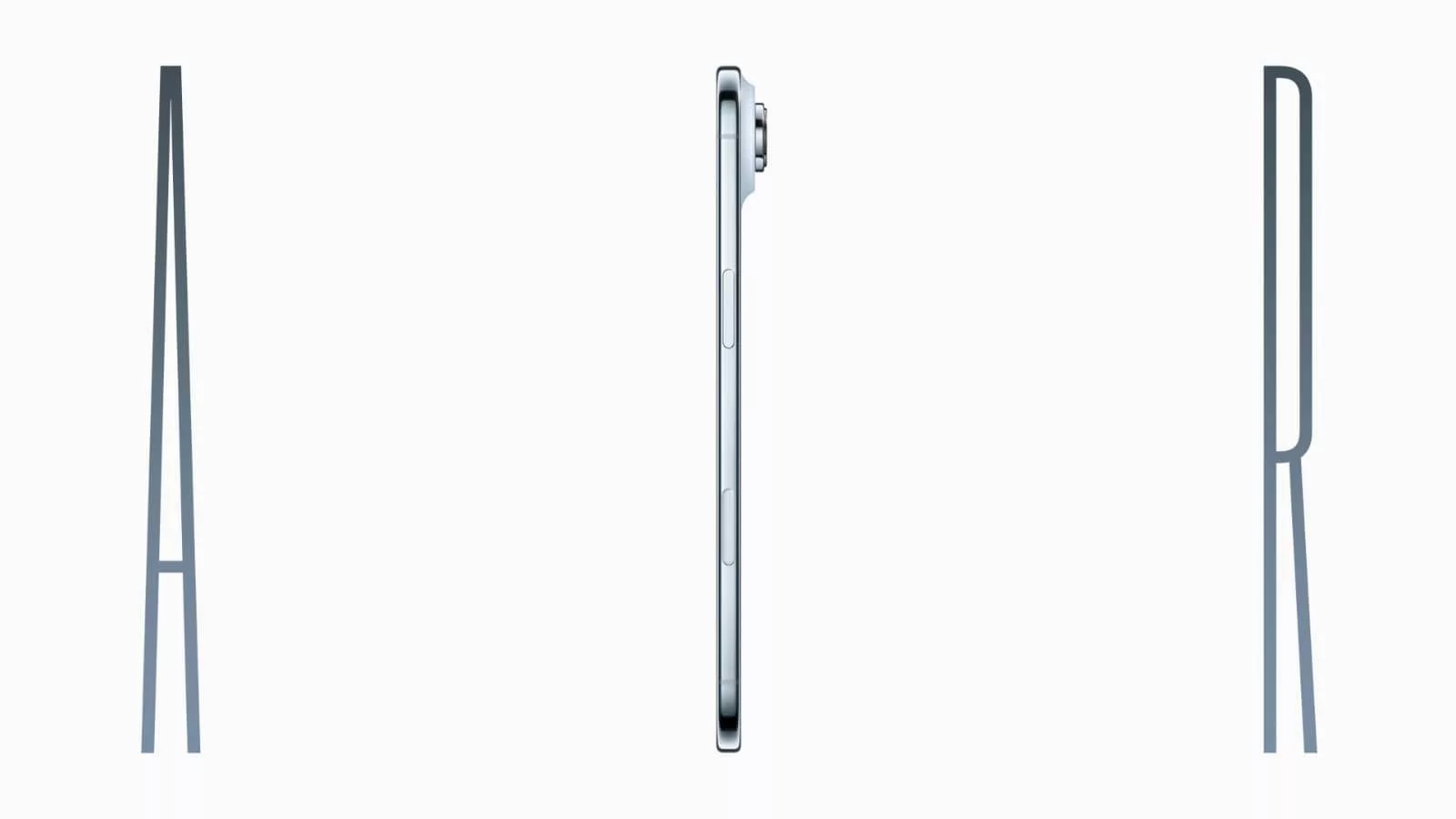
In 2025, the iPhone Air has been added, offering a very slim 5.4mm thickness to compete against the Samsung Galaxy S25 Edge’s 5.8mm design. These might just seem like numbers, but the Air’s 5.4mm thickness is a good 3mm thinner than the 8.75mm iPhone 17 Pro, making everything really slim by comparison.
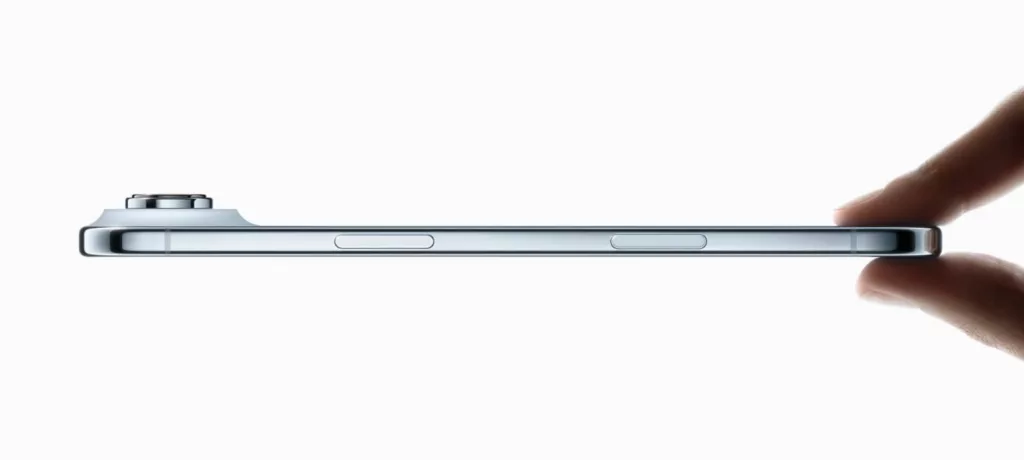
In terms of features and specs, the iPhone Air (which we’ve also called the iPhone 17 Air) uses the same pro-grade chip as the iPhone 17 Pro and Pro Max, but only offers one camera, essentially bundling all the important tech that isn’t the screen or battery in the section at the back for the camera. That means the iPhone Air is mostly screen and battery in a slim build with just one camera, something that could easily be a compromise for some buyers.
It’s worth noting, too, that the iPhone Air is likely a precursor product to what Apple has in store for 2026 or 2027: a foldable iPhone.
While Apple doesn’t comment on speculation, improvements in foldable phones such as in Samsung’s excellent Galaxy Fold 7 will likely bolster the idea that the next super-slim iPhone will in fact be an iPhone that also unfolds to become an iPad Mini. Samsung’s Fold 7 nailed the compromise for Android, and we suspect Apple will adopt something similar for a future iPhone Air.
A more budget-focused iPhone 16e
There’s also another entry to the iPhone 16 range, and it’s one you might be surprised by: a variant built to let you save a few bucks here and there.
The iPhone 16e is a little like the iPhone SE of past years, but made in the iPhone 16’s image. Using the body of an iPhone 14, the screen of an iPhone 14, the buttons of an iPhone 16, and even the chip from the newer iPhone 16, the iPhone 16e is a $999 entry designed to bring much of what people love about the iPhone 16, but to a more compelling price point.
And it’s still a new iPhone.
But we suspect it will probably see a change to an iPhone 17e in 2026. Current rumours paint a picture that the iPhone 17e may get MagSafe when it arrives likely between March and May 2026.
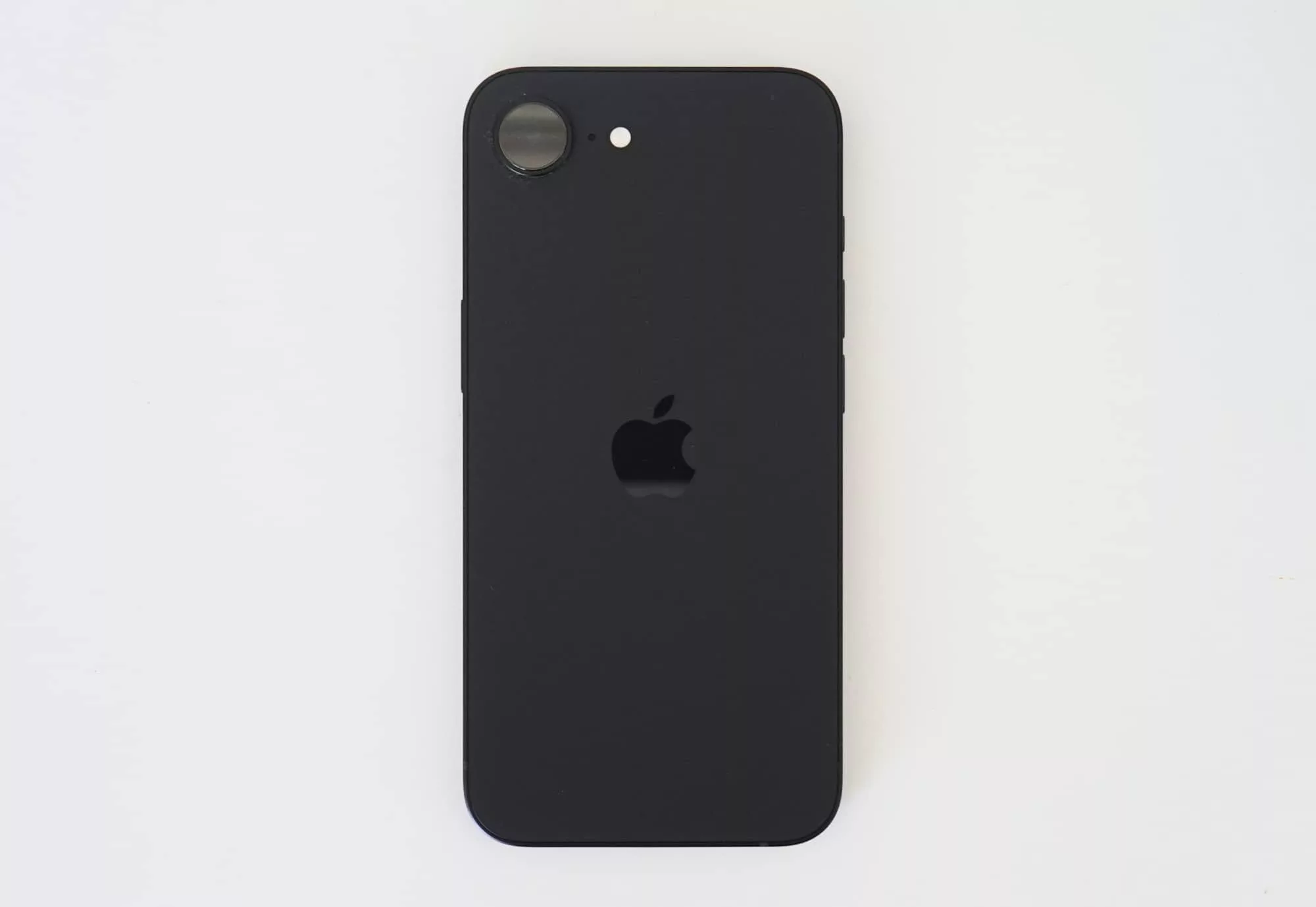
Apple iPhone 16e
Older iPhones are still great, too
Of course, you don’t have to buy a new iPhone.
Last year’s 2024 to 2025 range is still sticking around to a degree, as Apple opts to sell the 16 and 16 Plus alongside the current range, starting from $1249 in Australia:
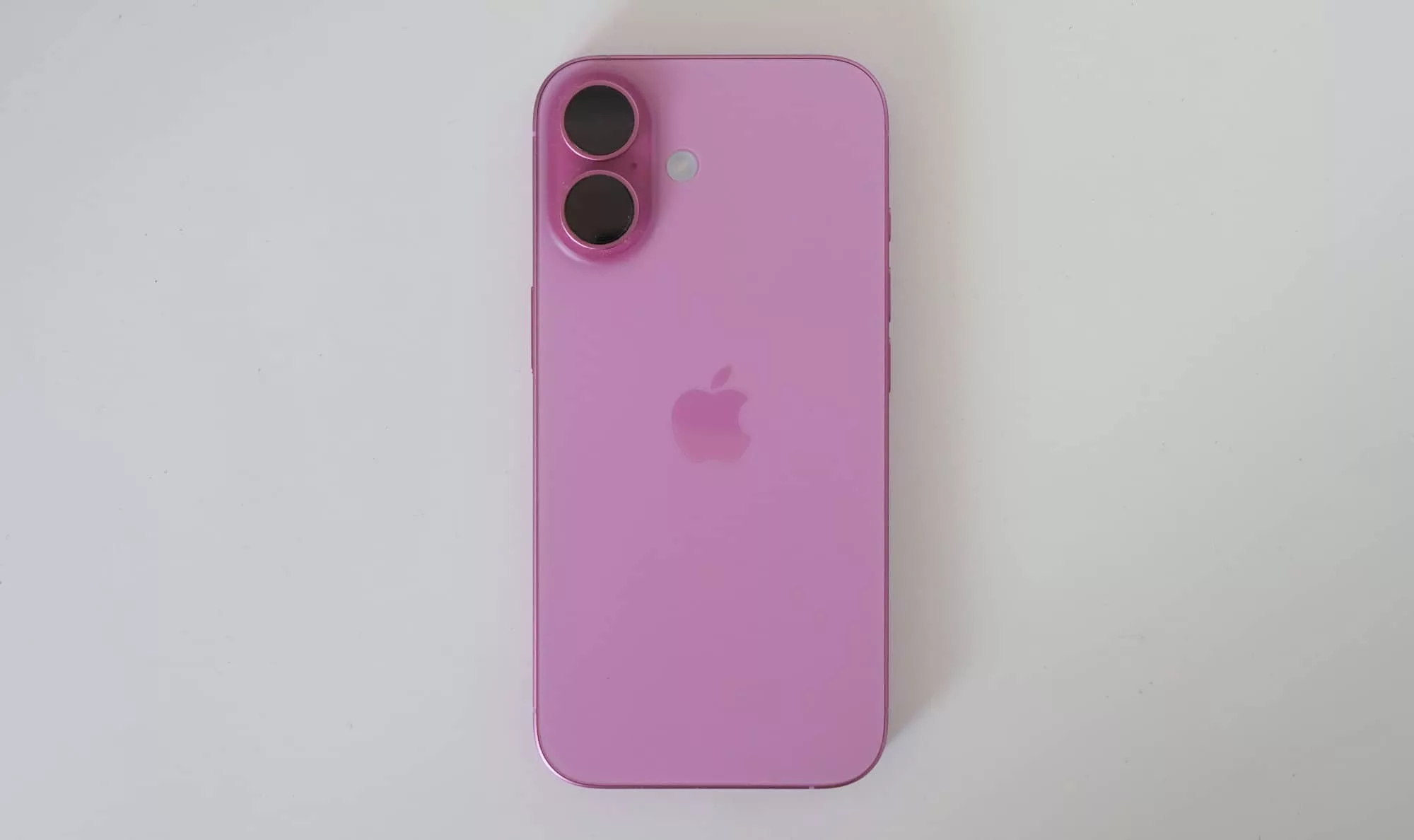
Apple iPhone 16
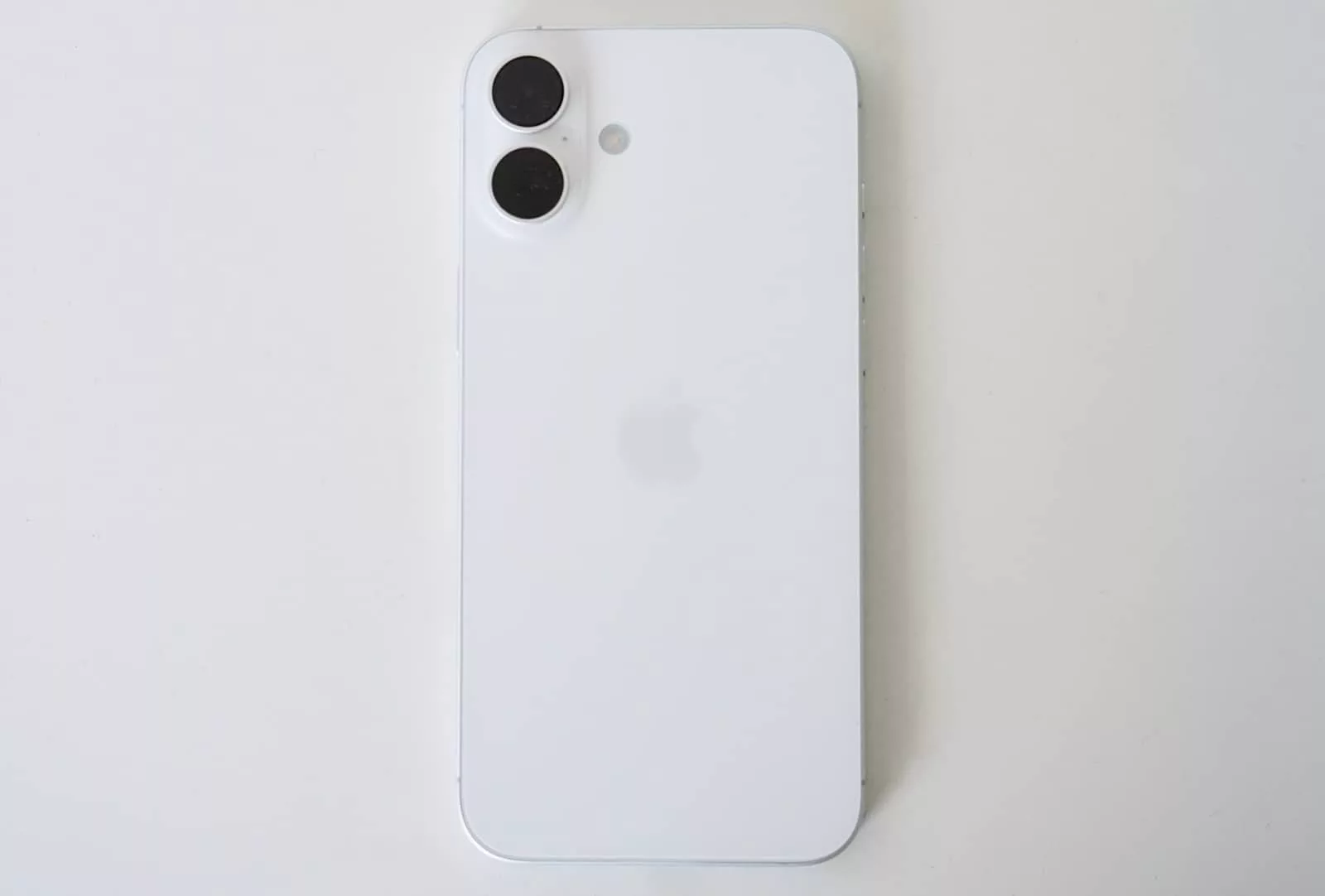
Apple iPhone 16 Plus
While Apple still proactively sells the 16 and 16 Plus, previous Pro and Pro Max models over the past years can still be found at various retailers, telcos, and online stores, as well.
Once the top of each model line, these are still excellent phones and may offer great value for money depending on the prices you can find them at.
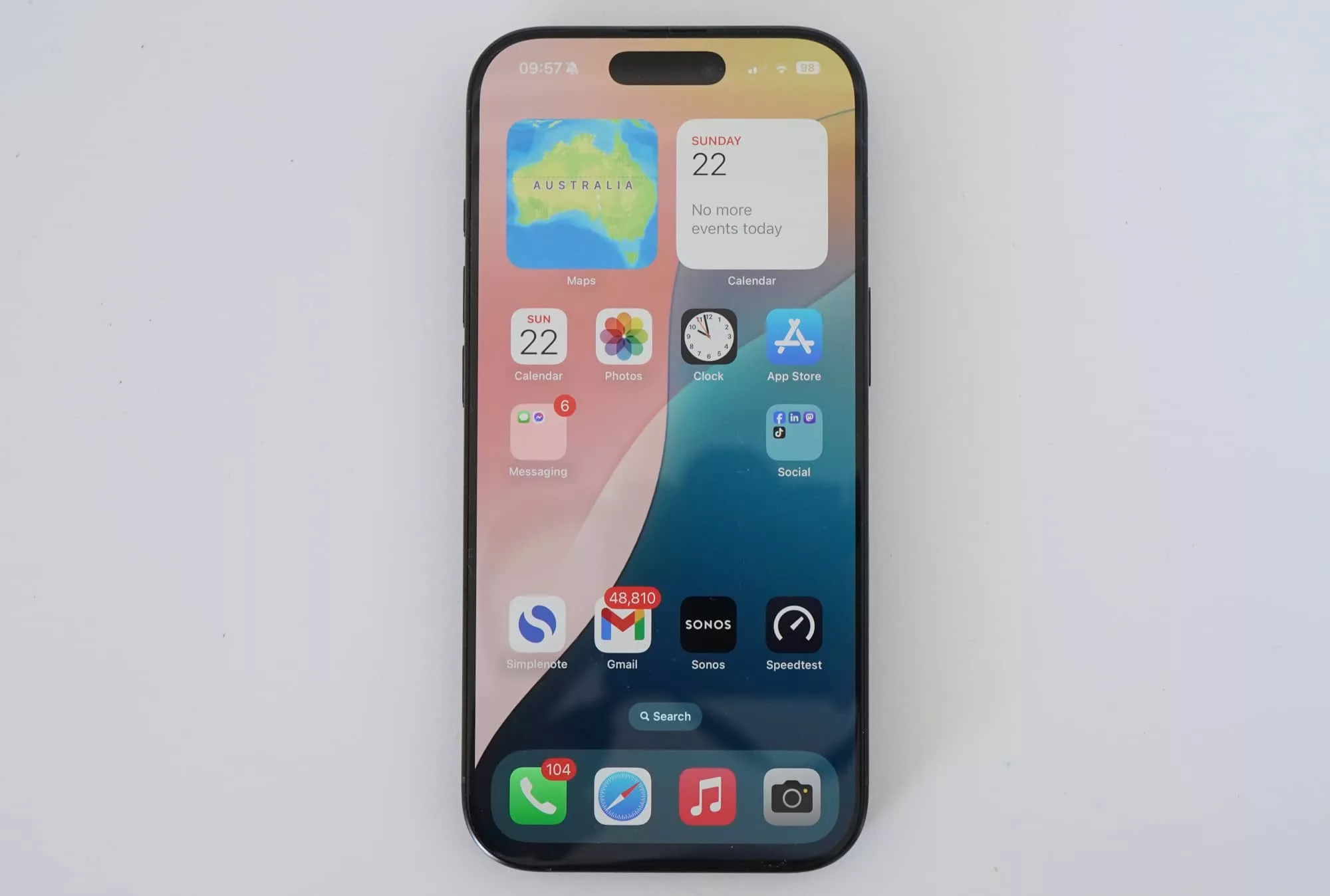
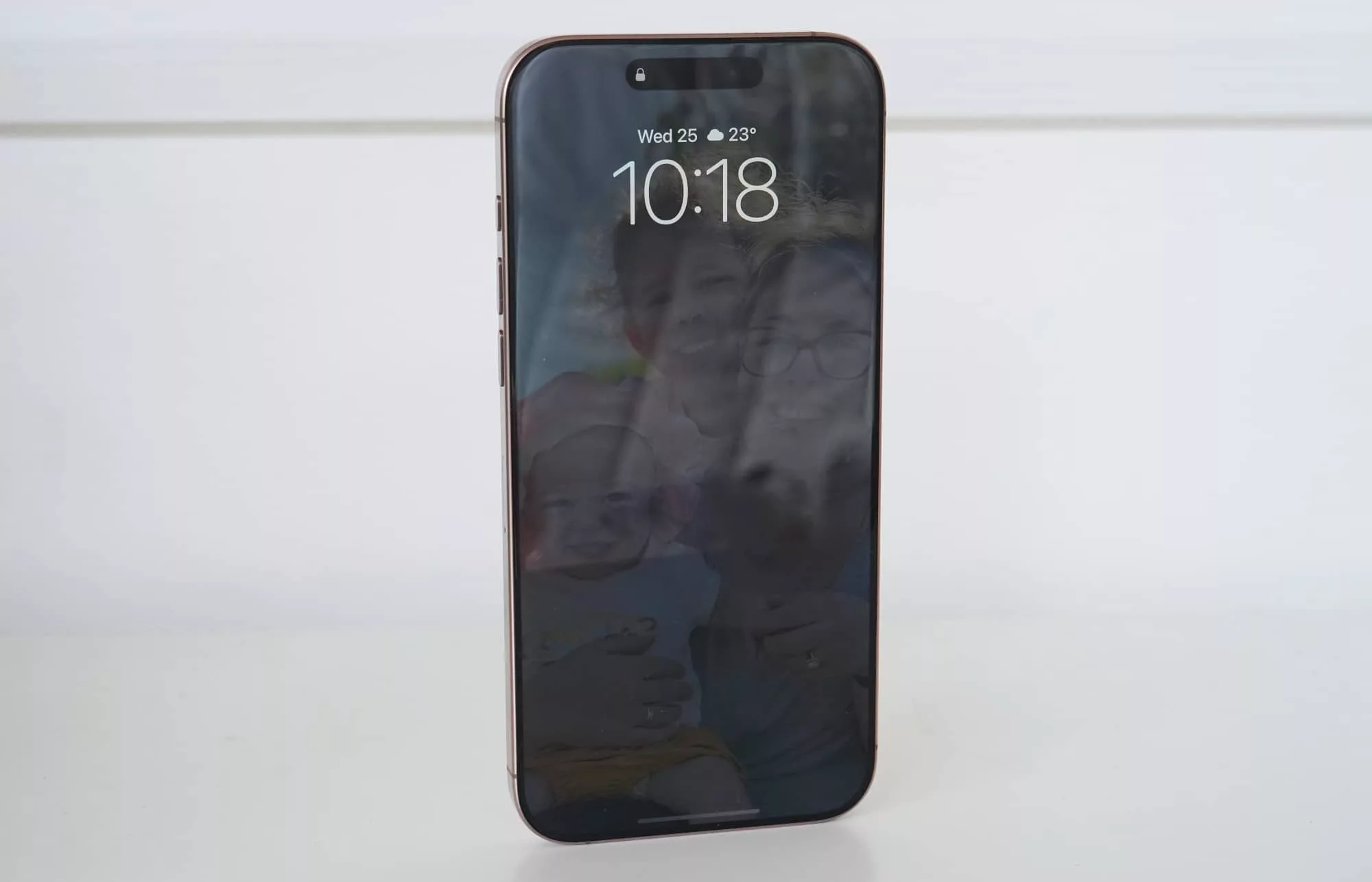
Apple iPhone 16 Pro
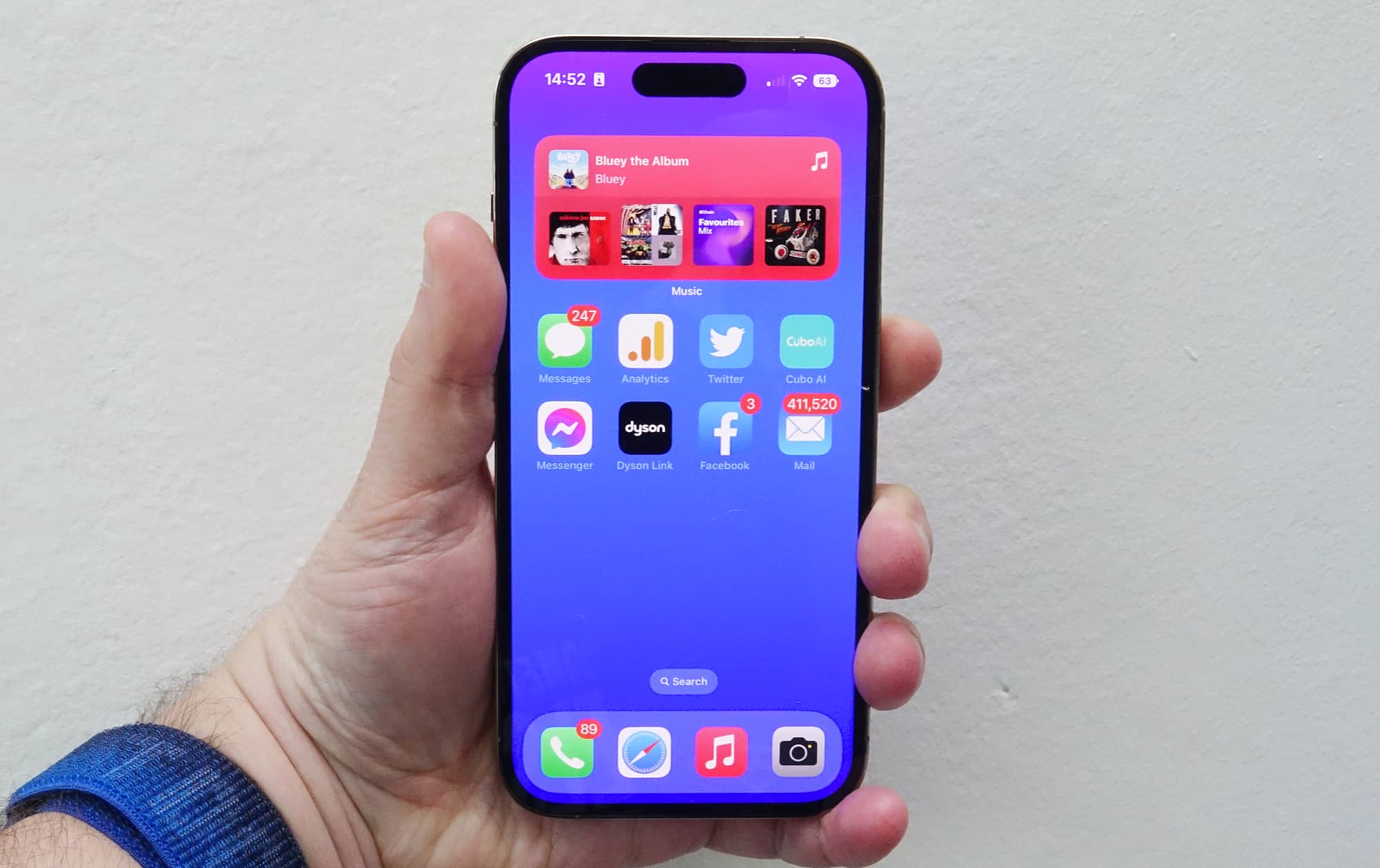
Apple iPhone 16 Pro Max
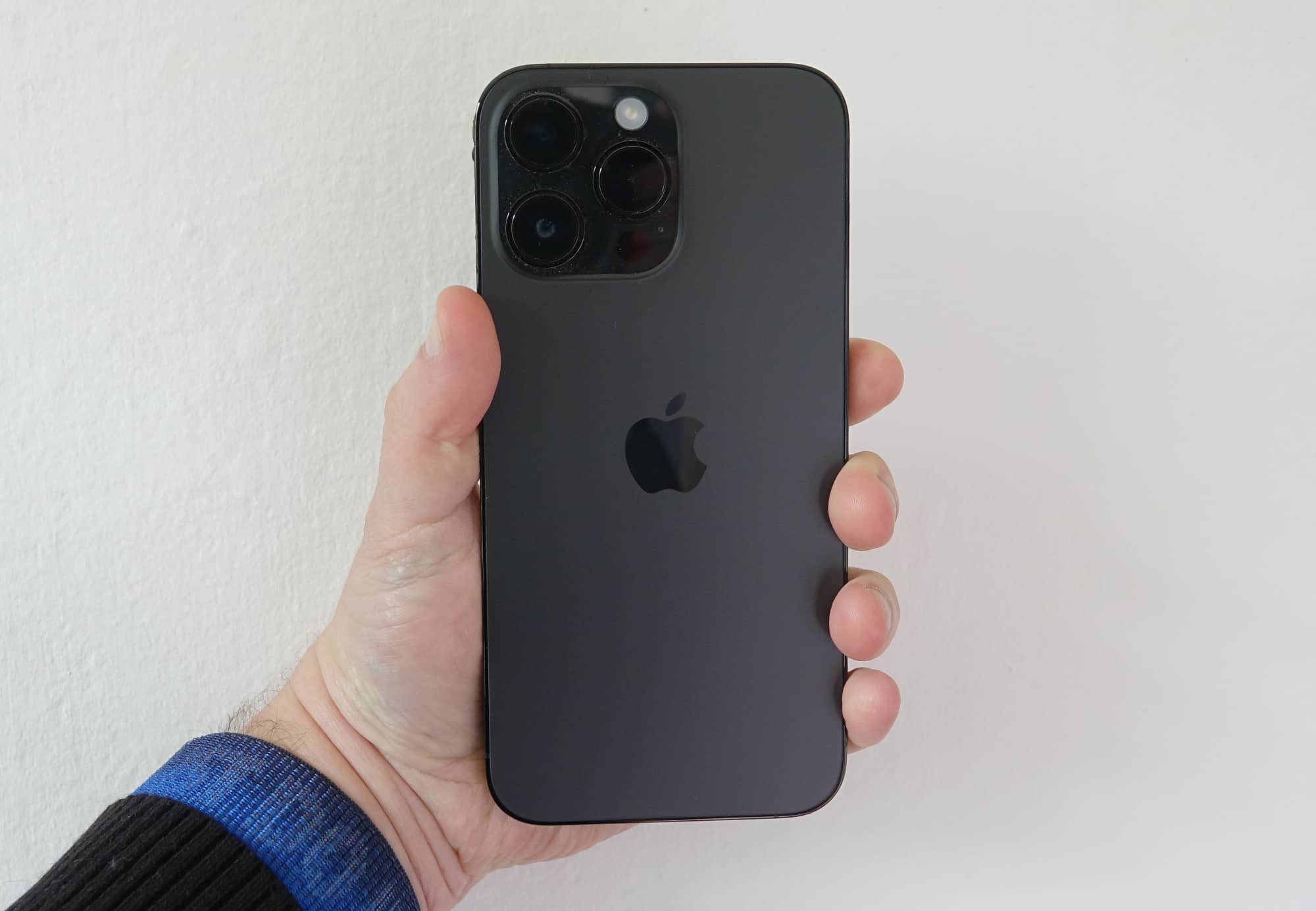
Apple iPhone 14 Pro
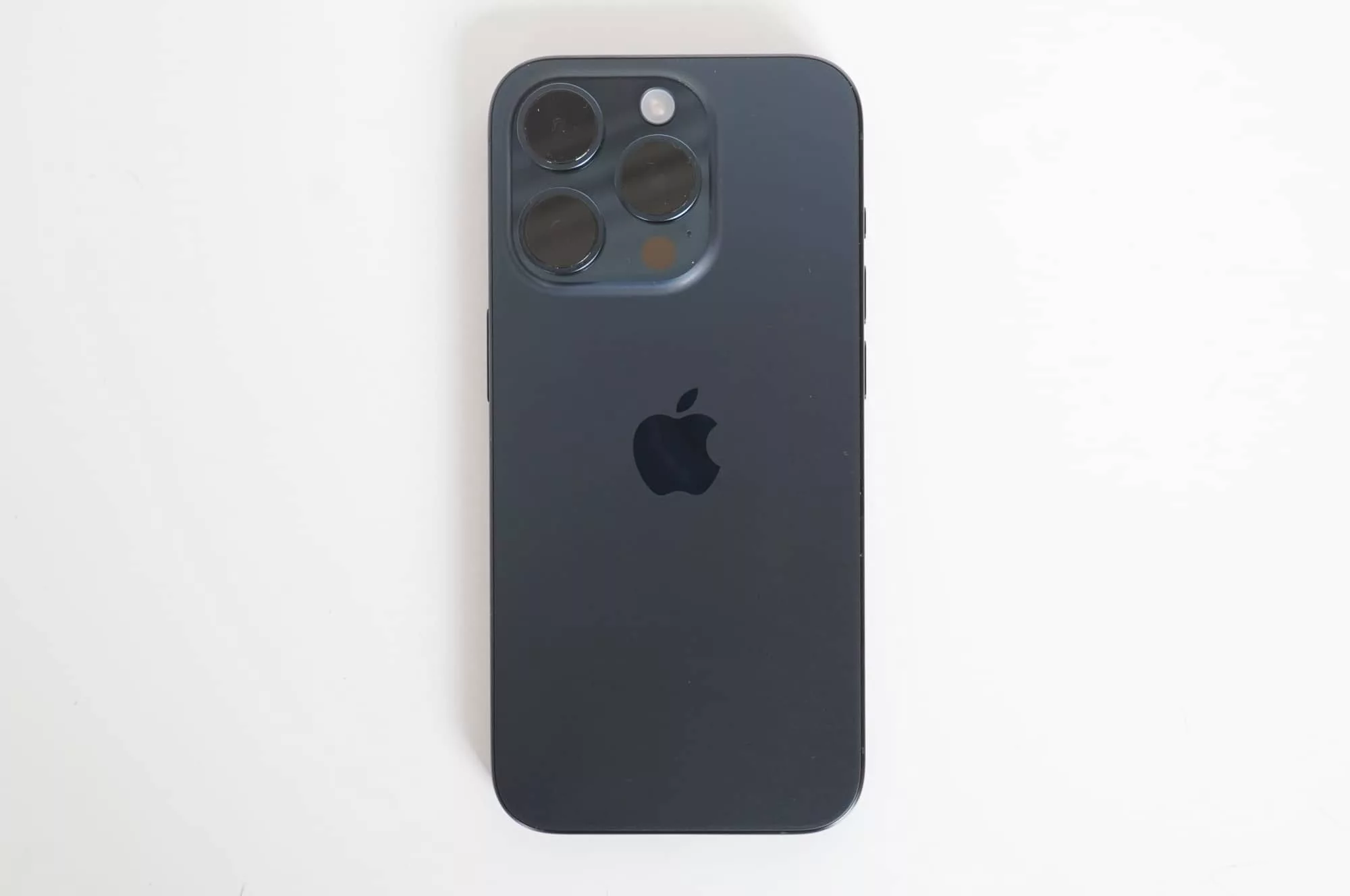
Apple iPhone 14 Pro Max
Apple iPhone 15 Pro
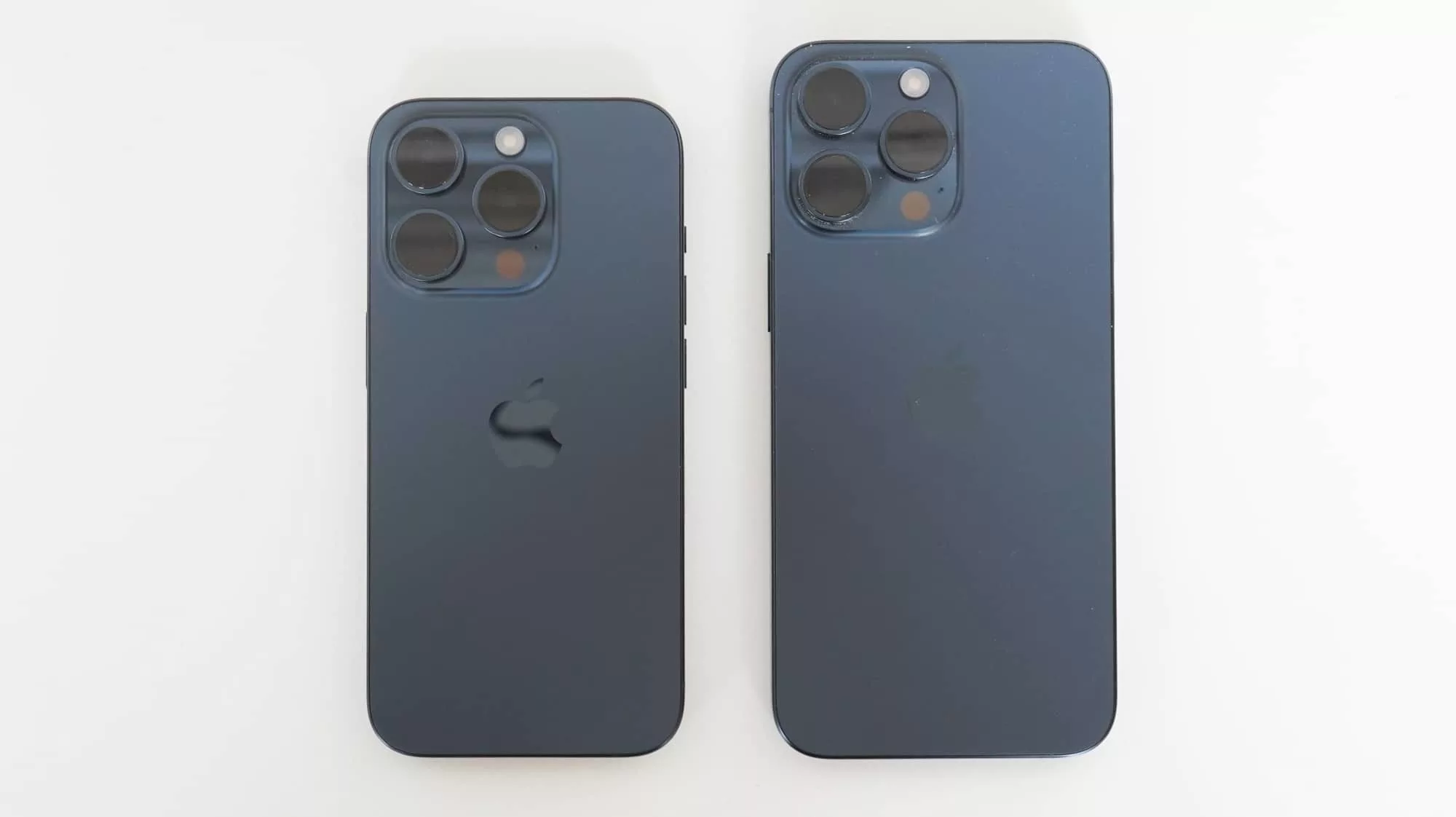
Apple iPhone 15 Pro Max
Refurbished phones can save serious money
There are others ways to save money on an iPhone in Australia, too.
While buying an older generation of iPhone is definitely one way to save on costs, a refurbished phone will also help you cut back due to its pre-owned status.
Refurbished phones are essentially used phones that have been checked by a professional and restored to their factory appearance as best possible. They’ll typically come with information noting the level of quality you’re buying, and may have components replaced, such as the battery and screen, which can give you more confidence than simply buying a used phone from someone else.
When it comes to buying an iPhone, buying a refurbished iPhone also comes with the added bonus of being able to find some of Apple’s older models that are quickly replaced when new models come out. While Apple shifts standard iPhone models along in its line, former Pro and Pro Max models invariably are removed from the line-up, likely to encourage people who want the best iPhone to consider the latest technology found in that year’s current iPhone Pro and Pro Max model.
Refurbished models can overcome this issue because they can be sold back to refurb dealers and be found once again.
If you’ve read the review of a Pro or Pro Max model iPhone that no longer can be commonly found, you may find a refurbished dealer can provide what you need.
It’s worth keeping in mind that some older phones won’t be supported by current updates. Presently, if you’re looking at older iPhone purchases, iOS 26 only works on iPhone 11 devices and higher.
That’s just something to keep in mind when looking at refurbished iPhones. You may save some money depending on the age, but you also might miss out on updates early into owning the phone, but the following phones are examples of models that will run iOS 26.
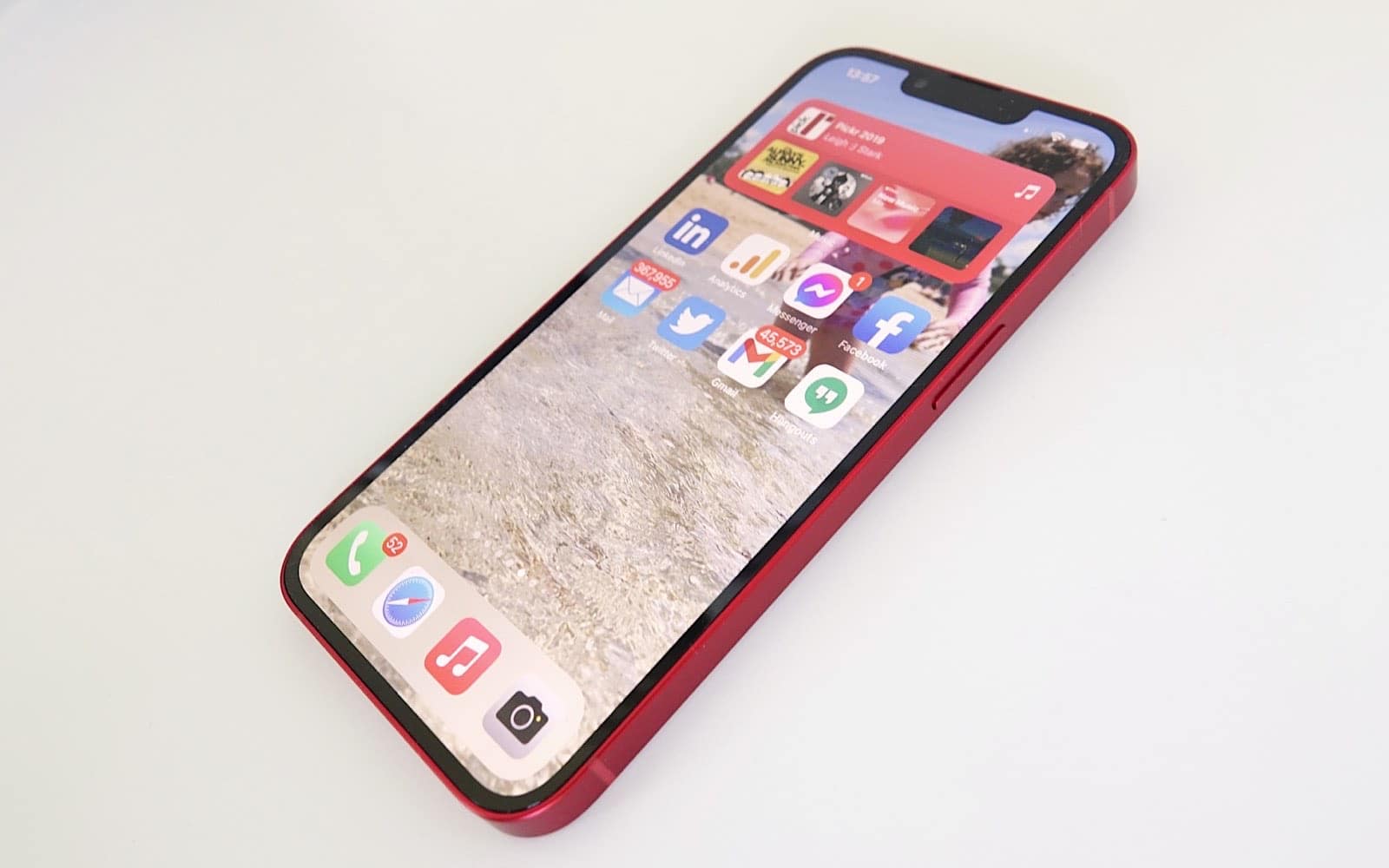
Apple iPhone 13
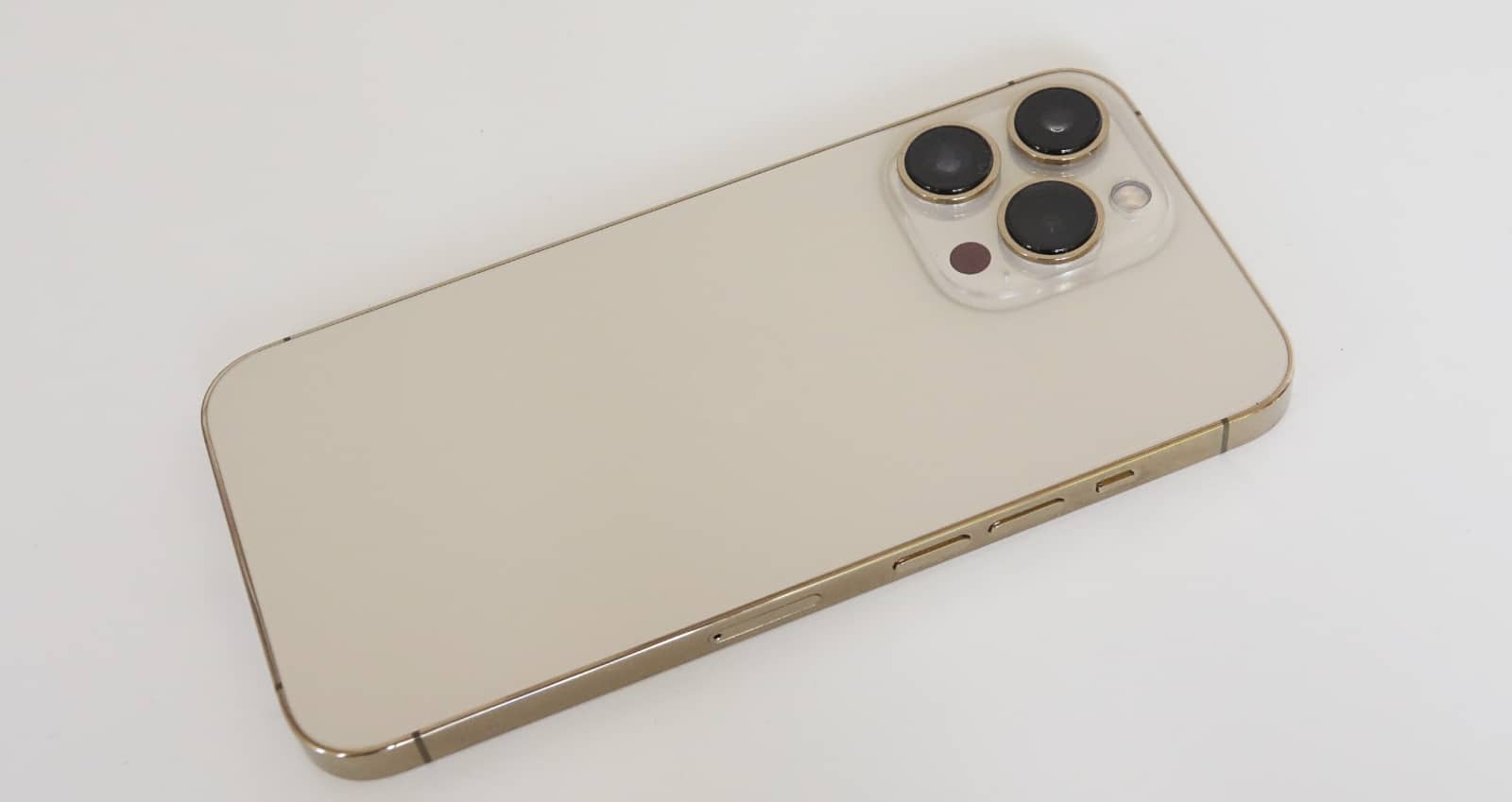
Apple iPhone 13 Pro
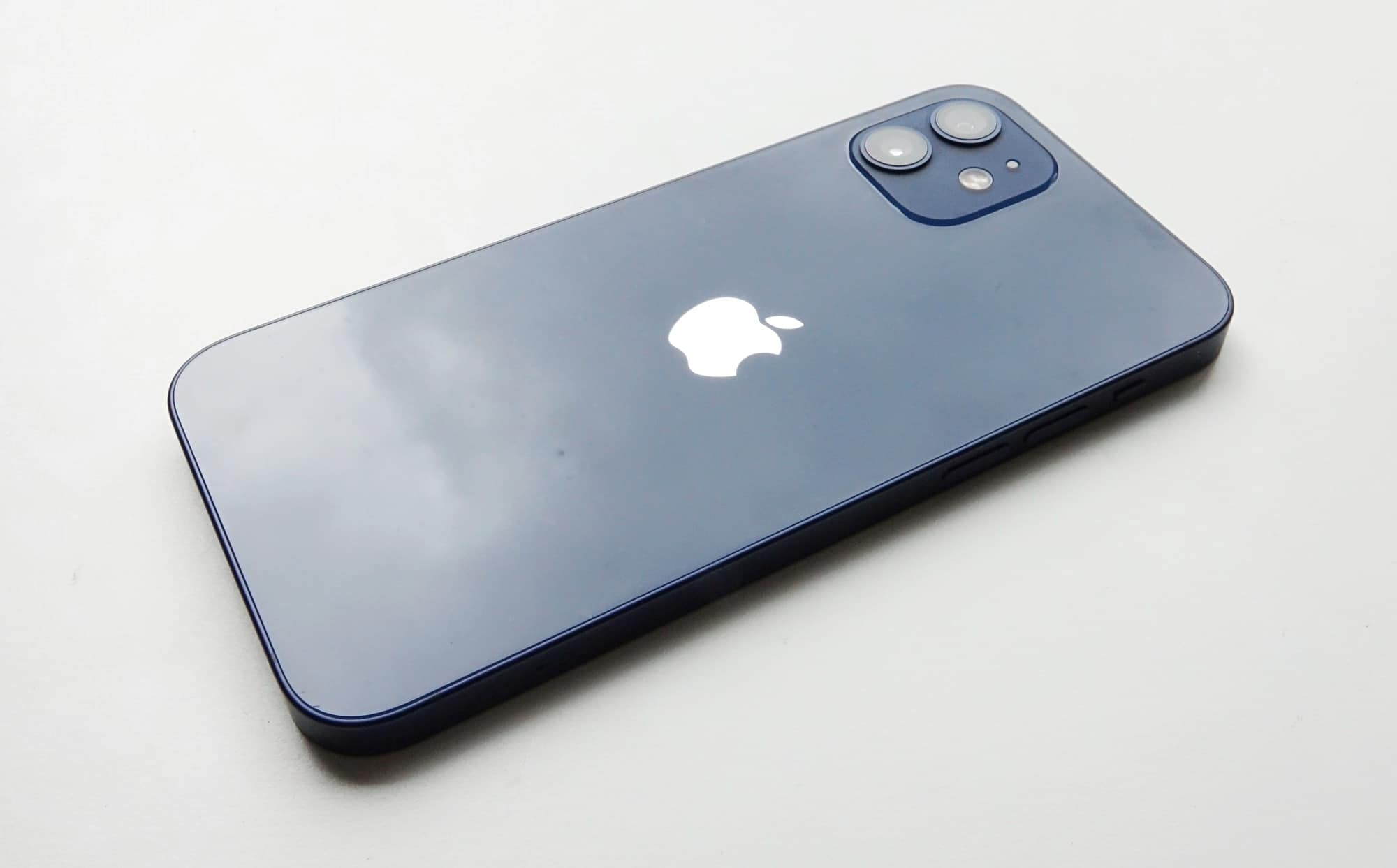
Apple iPhone 12