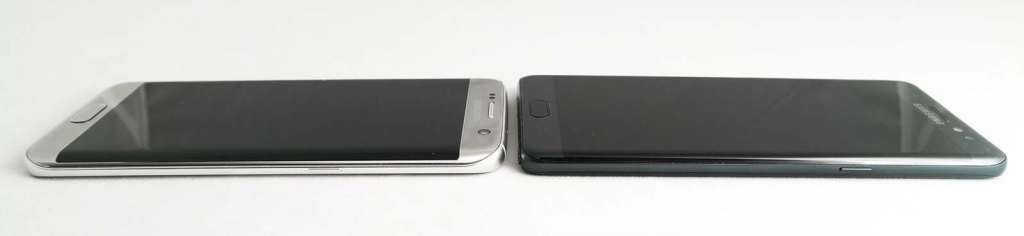
Samsung Galaxy Z Fold 8 reviewed: a real joy
Big phones may well be a big deal, but Samsung’s Galaxy Fold8 makes small smart and stylish in a curious new design.
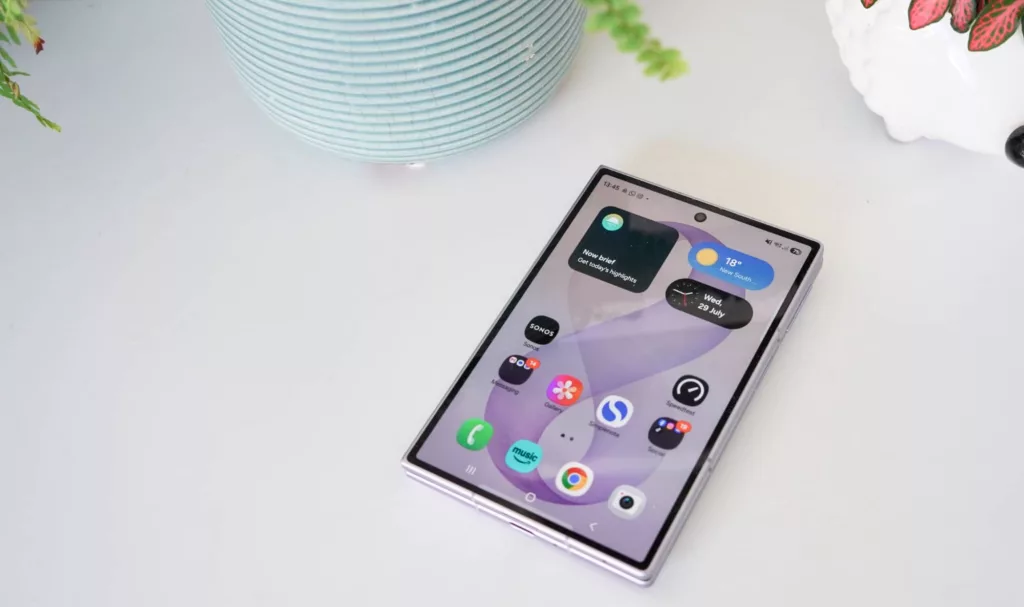


Big phones may well be a big deal, but Samsung’s Galaxy Fold8 makes small smart and stylish in a curious new design.
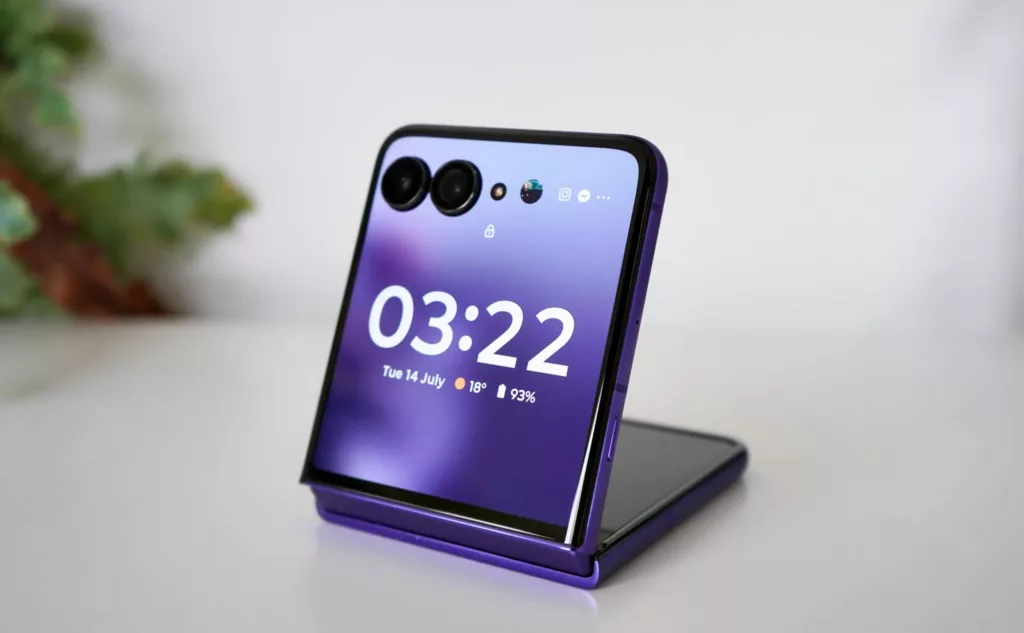
Compact phones aren’t very common, but the Motorola Razr 70 Ultra aims to pack in power and battery life in a size made to surprise.
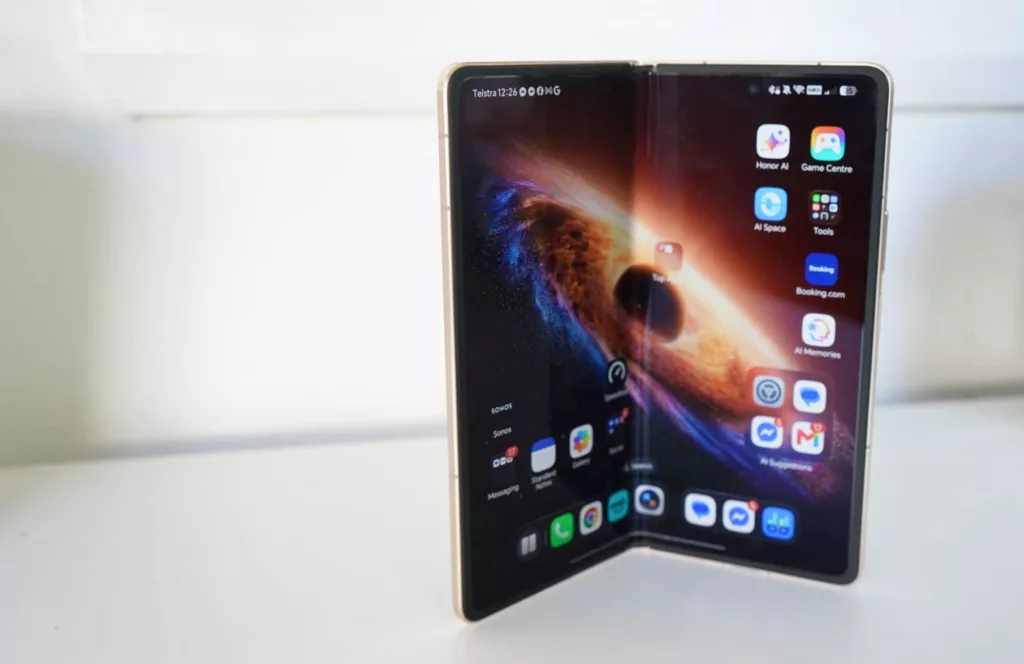
A bit of a challenger foldable, the Honor Magic V6 attempts the premium fold by giving you as much as possible for a $3K price tag. Is it a success?
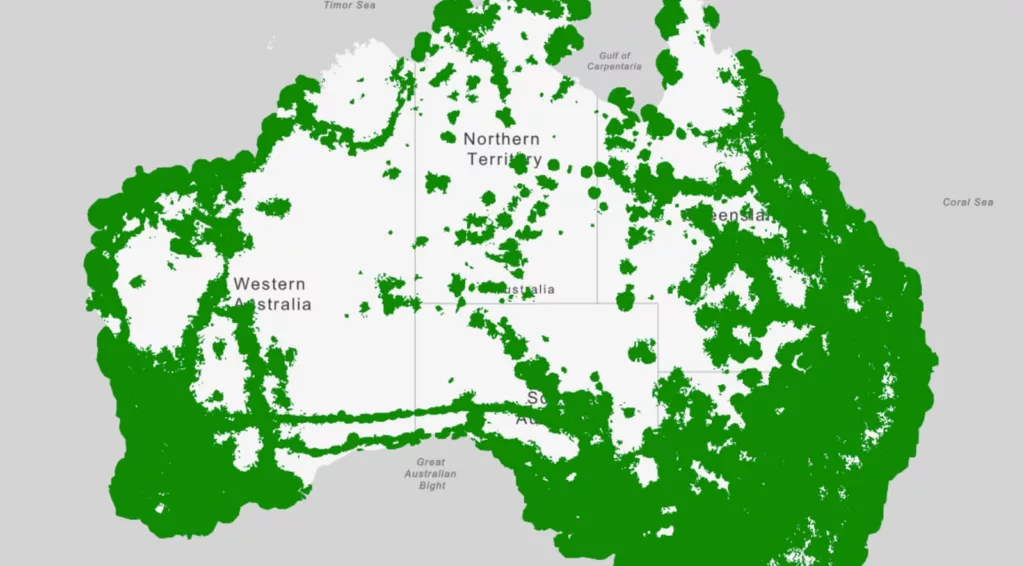
Nearly one million square kilometres have been removed from Telstra’s mobile reception maps, as the government aims to keep telcos honest.
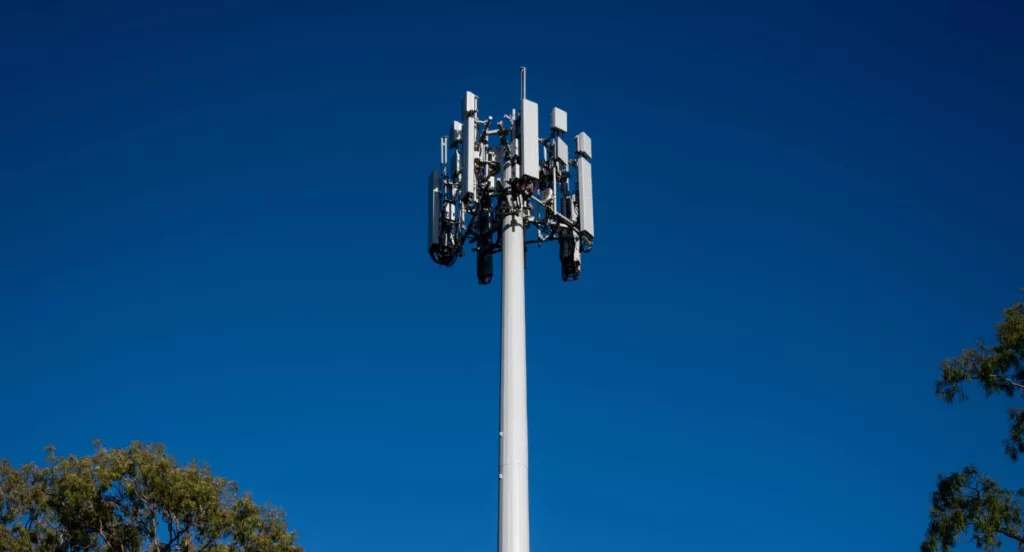
The rules of what constitute mobile reception and reach look set to change this year, and the result could make more sense for why calls drop out when you’re in areas where it shouldn’t.
We already have some reasonably fast speeds with 5G, but what’s coming with 6G? If you guessed more speed, you’d be right, but you may not expect that Australia is having a hand in its development.

Telstra has found a few phones struggle to connect to emergency with every network, meaning it’s time to urgently replace those models.
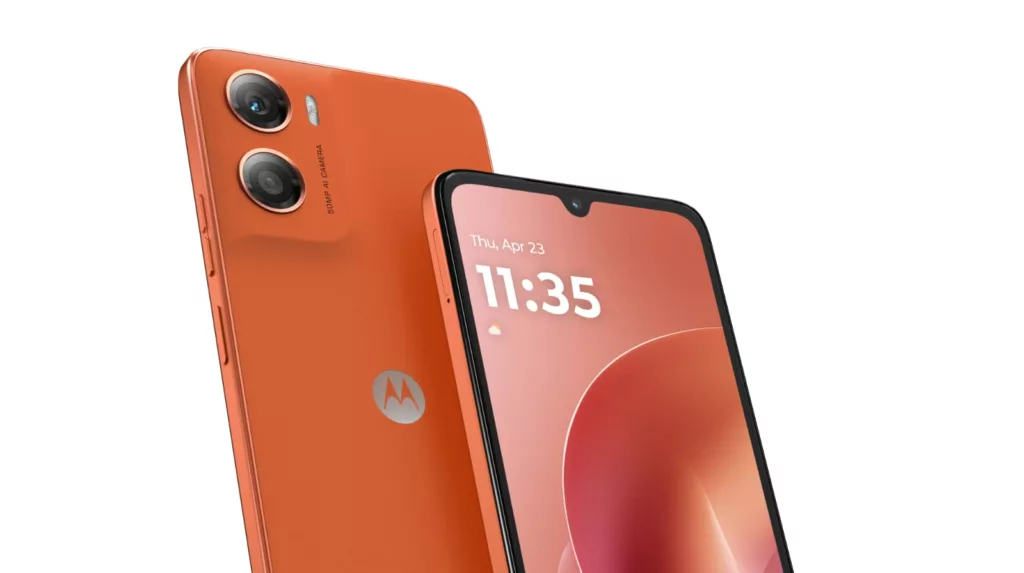
With a massive 6.88 inch screen, the sub-$200 Moto G06 seems like it should be higher priced. There are definitely some compromises, but the screen and battery size probably aren’t it.
Sharing the internet needn’t be complex or costly. With the $99 D-Link DWR-933M portable hotspot, both are true.
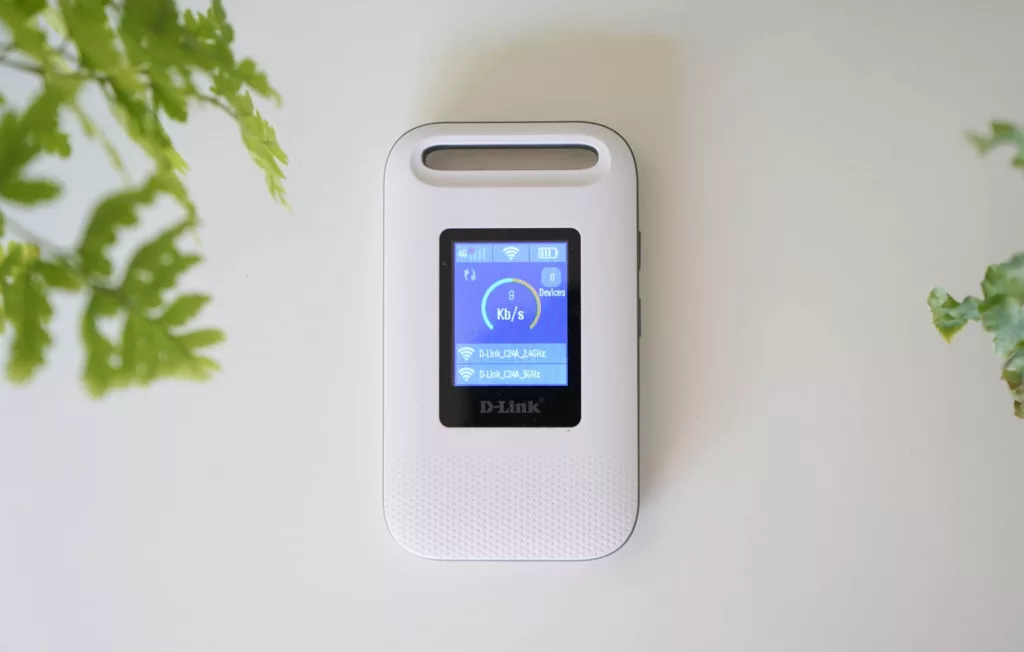
Not quite a luggage tag, but not far from one, either, D-Link’s latest modem lets you take your internet with you in a pint-sized way.