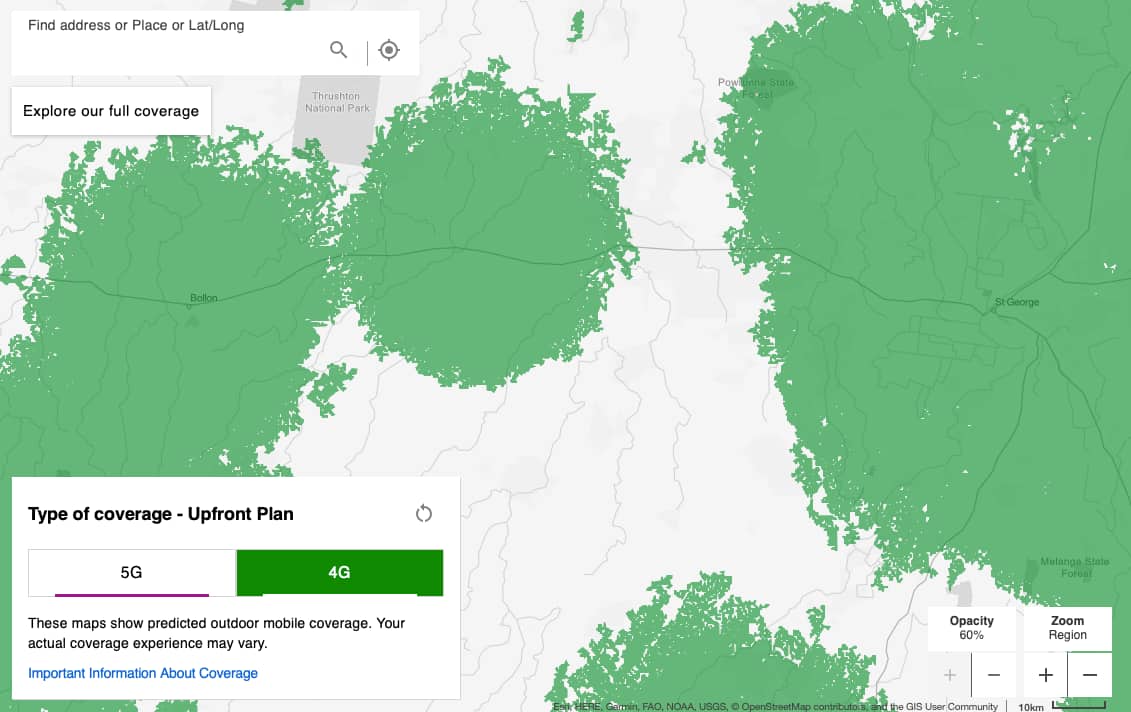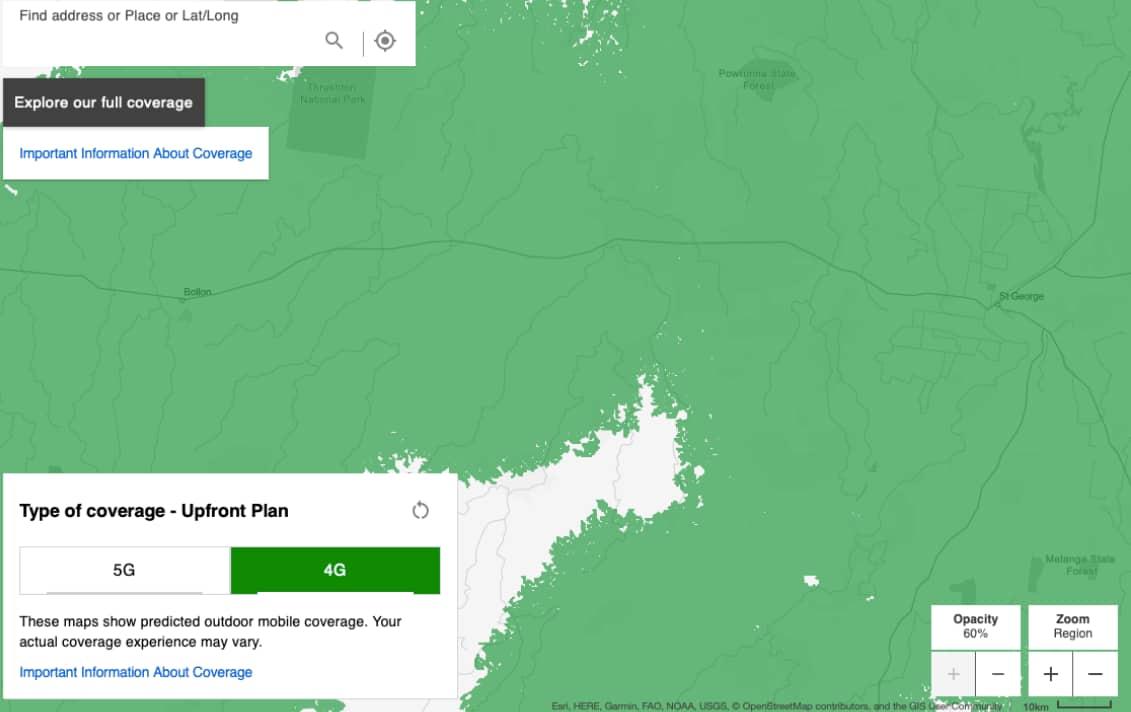

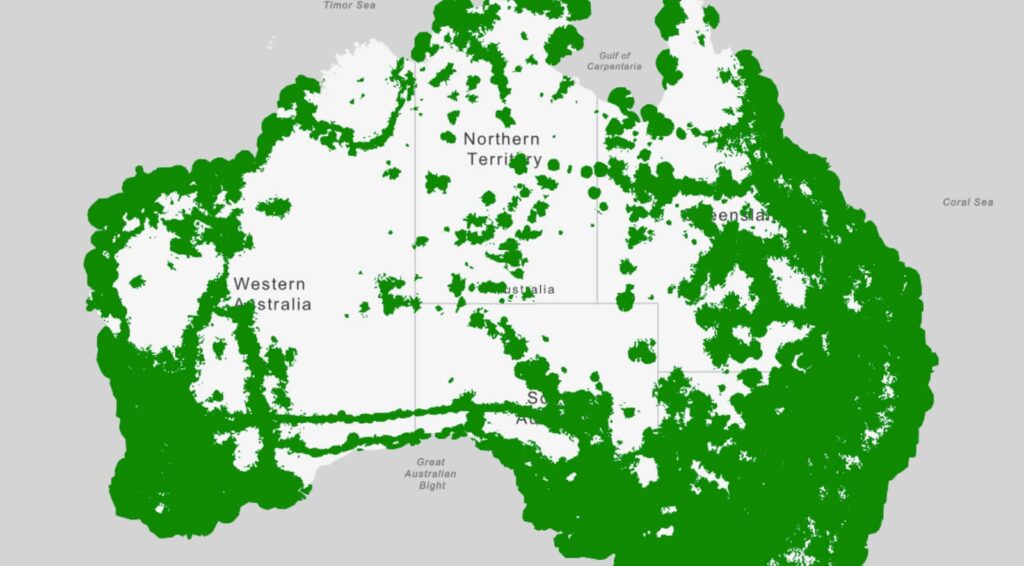
Maps shouldn’t be misleading, but when it comes to mobile coverage, they absolutely can be. Just ask anyone who has ever lived or worked, or even travelled through a mobile black spot. Or even the folks still struggling from the shut down of the 3G network.
What once was a good long reach of reception across Australia for everyone now might simply look that way, and it could look a lot smaller soon, as well.
The Australian Communications and Media Authority (ACMA) looks set to roll out a replacement to coverage maps with a new, standardised set based on real-world usability, and it’s very different from things now.
While the current mobile reception maps are based on any and all coverage, even if the signal is unreliable and largely unavailable, the new ACMA maps are coming because telco maps aren’t always reliable for actually getting a call out.
In short, you might technically have reception, but it might be totally unusable. Even where this journalist operates and reviews phones using the Telstra network (through Belong), there is often one bar of reception at home, despite Telstra’s own maps suggesting full 4G and 5G coverage.
The reality is that full coverage doesn’t actually mean usable signal, and may not work properly for customers.
As a result, the new ACMA maps will leave Telstra some one million square kilometres smaller in coverage, with a loss roughly the size of New South Wales.
It’s a situation all of the three major telcos will have to deal with, including Optus and TPG (which operates Vodafone), and comes amidst claims of reception woes and lost calls affecting parts of Australia, including most notably rural customers.
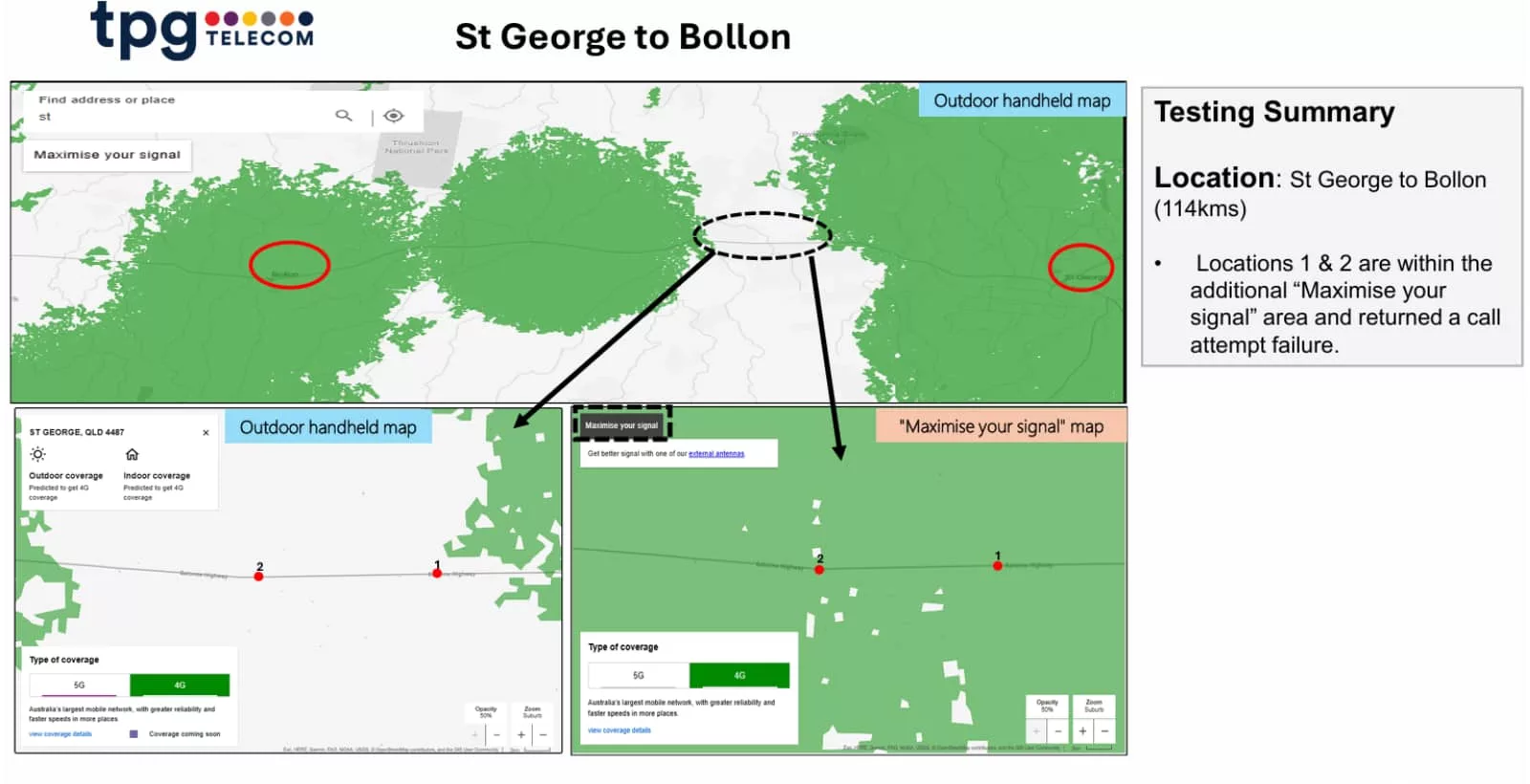
TPG’s own submission to ACMA suggests independent testing cites issues with Telstra’s own definition of “full coverage”, and Telstra’s maps clearly don’t do it any favours.
A glance at the spots TPG tested using Telstra’s own maps show a clear difference in 4G between “coverage” and “full coverage”, a distinction that reads almost like “the truth” and “the truth” in The Simpsons.
It’s a distinction Telstra says suggests covers a difference of phone use for calls and text (full coverage) versus that of using your phone for more (video calls, social media, video streaming), though it’s not one that may be easily compared, either. Even in places where the more advanced coverage is implied, customers might not get that, either.
The result is that ACMA’s approach could make things that little bit easier to understand, and while it could affect Telstra’s maps significantly, it could just work as an incentive for all telcos to improve coverage significantly, a move that would benefit everyone in the long run, telcos and customers together.