
Quick review
The good
The not-so-good

One of the year’s best phones arrives at the year’s end, as Oppo’s Find X9 Pro shows just what an amazing combination of tech can do in the right package.
Phones live a longer life than many other gadgets these days, and there’s a pretty clear reason why: they are literally feature packed. They go well beyond phone calls and text and even email and web surfing.
The modern phone is your gateway to the world, covering music, photography, entertainment, the internet, work, play, payment, and more.
You can do everything from your phone, so it’s no wonder we hold onto them for so long.
Because of this, it also makes sense to find one that covers a long period of time, looking for a device built to be great for years plural, rather than year singular.
It’s no wonder then that device makers put so much into their best mobile, releasing models meant to stand the test of time, and Oppo’s latest seems to really match that.
Released at the end of the year, the Oppo Find X9 Pro packs in so much, it could be a phone to keep anyone going for years. On paper alone, it looks like a winner. Is it one of the year’s best phones?
Design
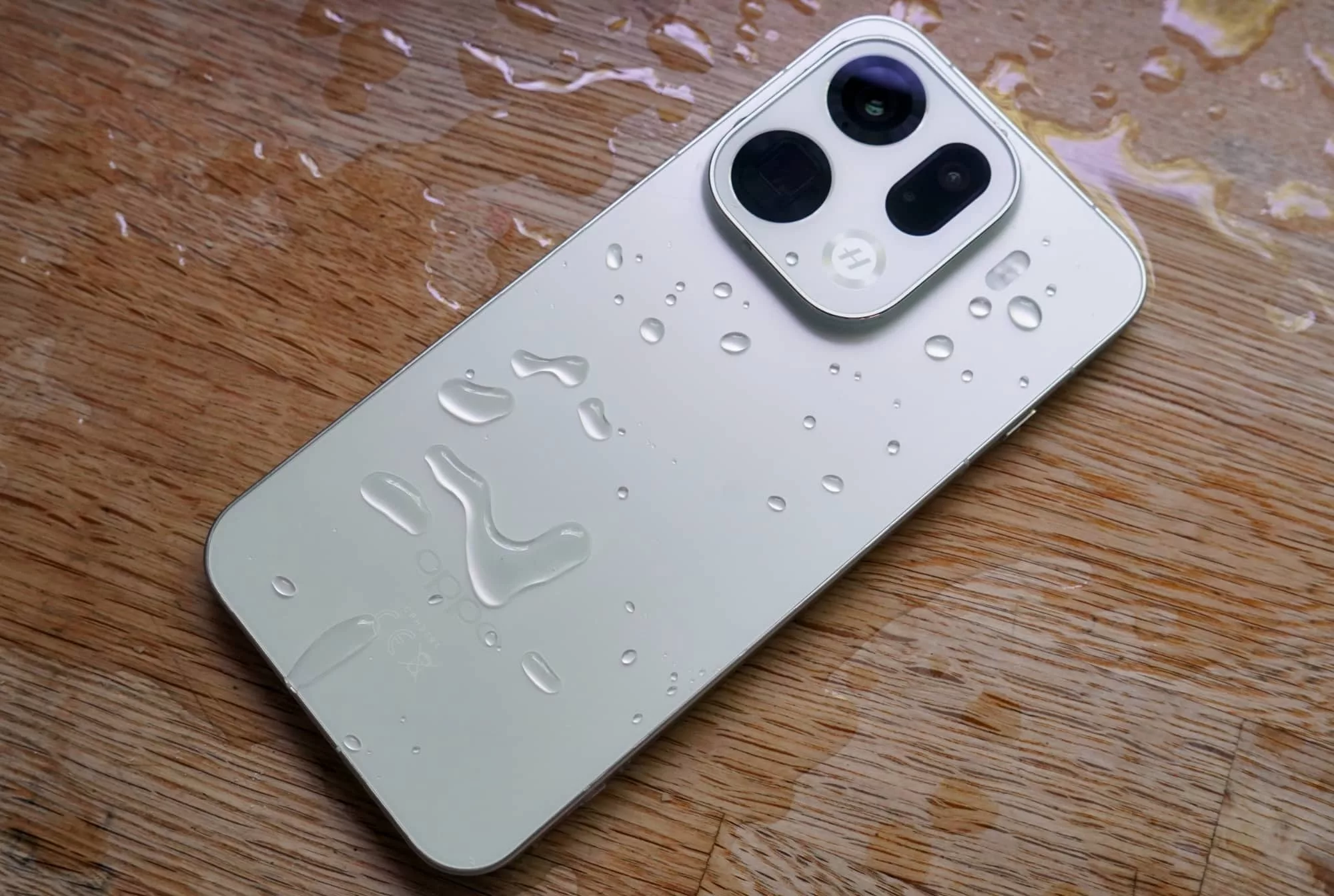
Sleek and stylish tend to be the styles most phone makers go for, and the Find X9 Pro is no different.
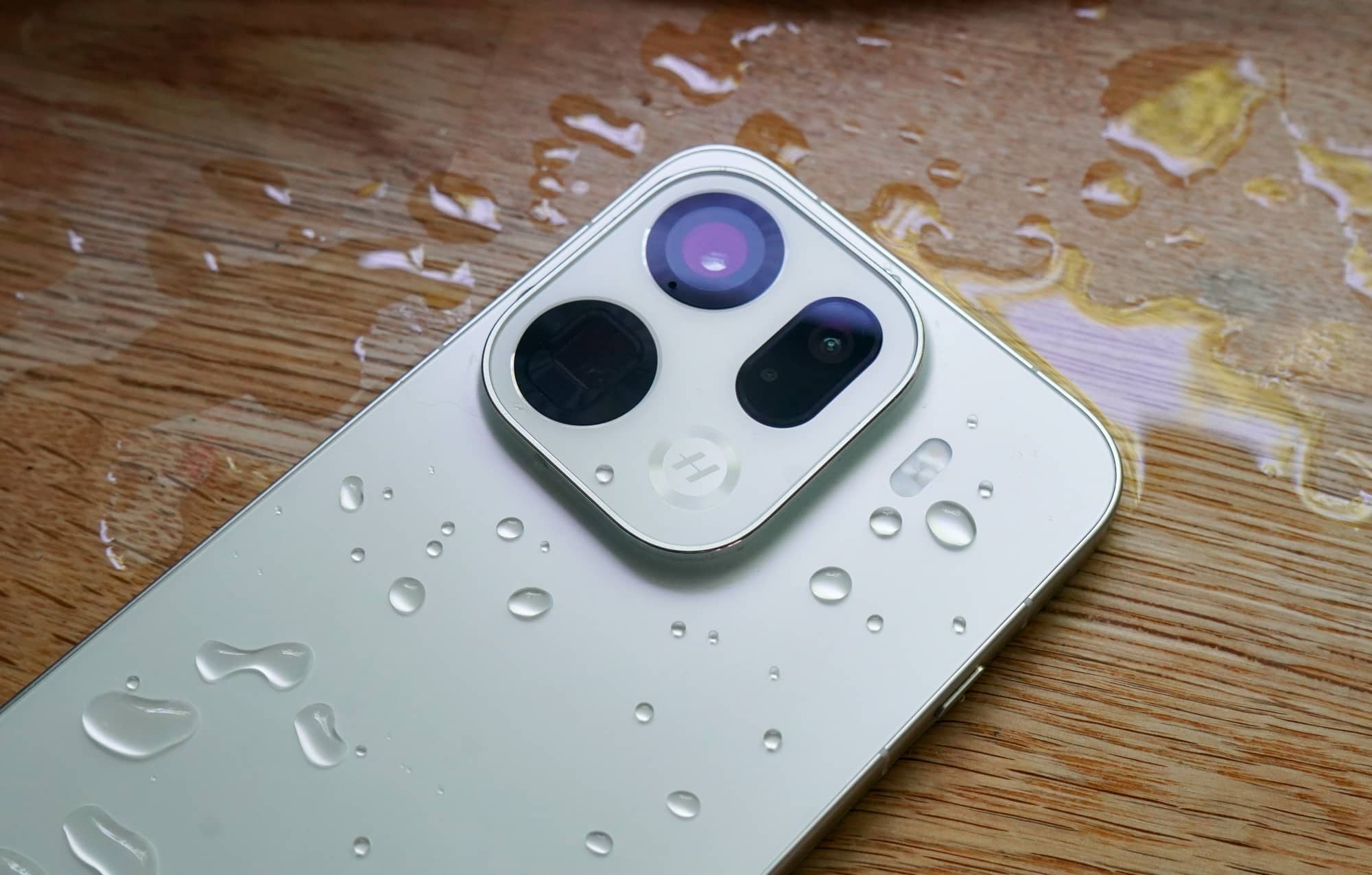
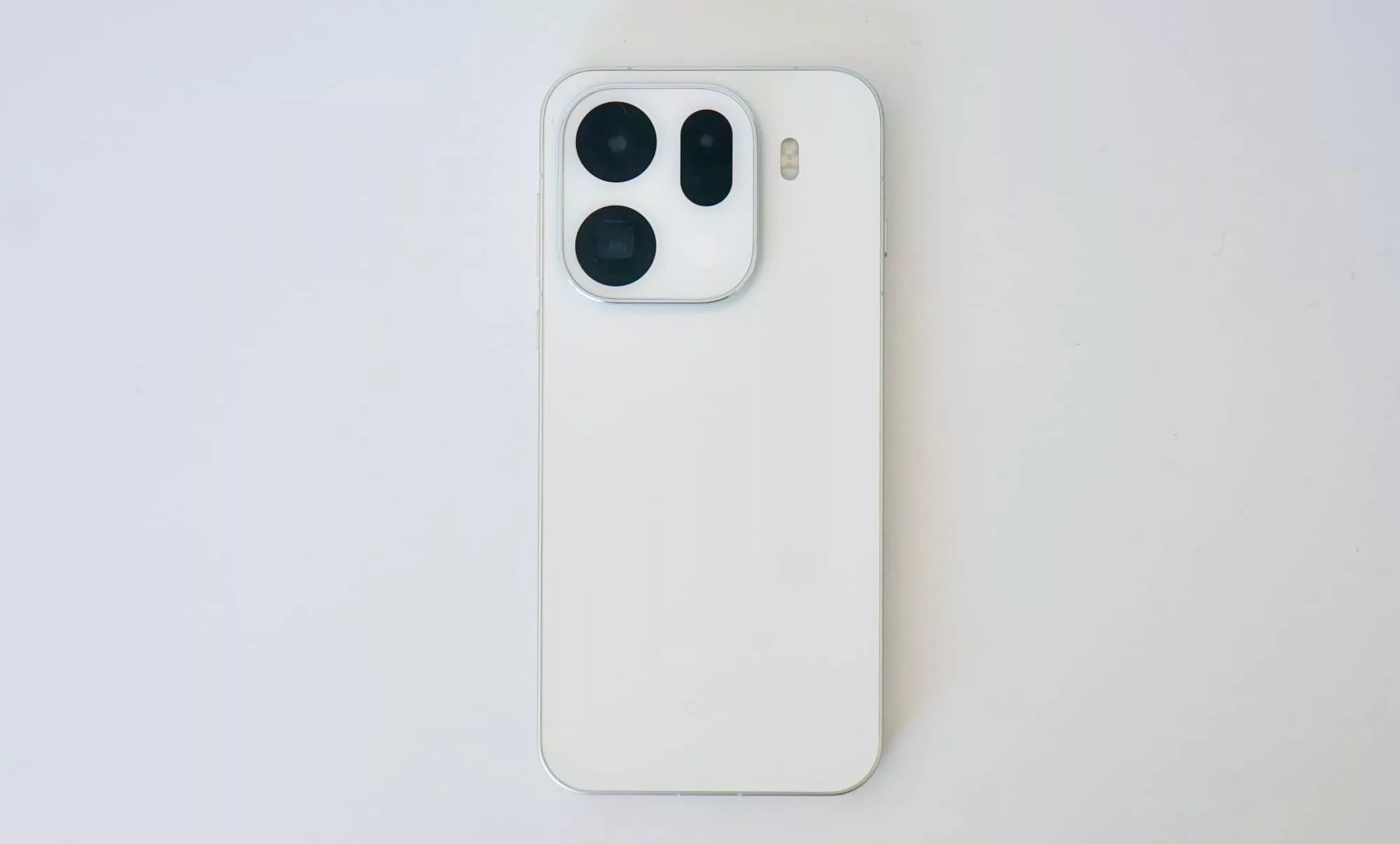
It’s also no different in that there’s very little new ground here, offering a slick mobile with a top left square of cameras, not unlike the iPhone 16 Pro Max, but just with an Oppo twist. The assortment is entirely raised on its own platform, but otherwise, the design is consistent for major mobiles today.
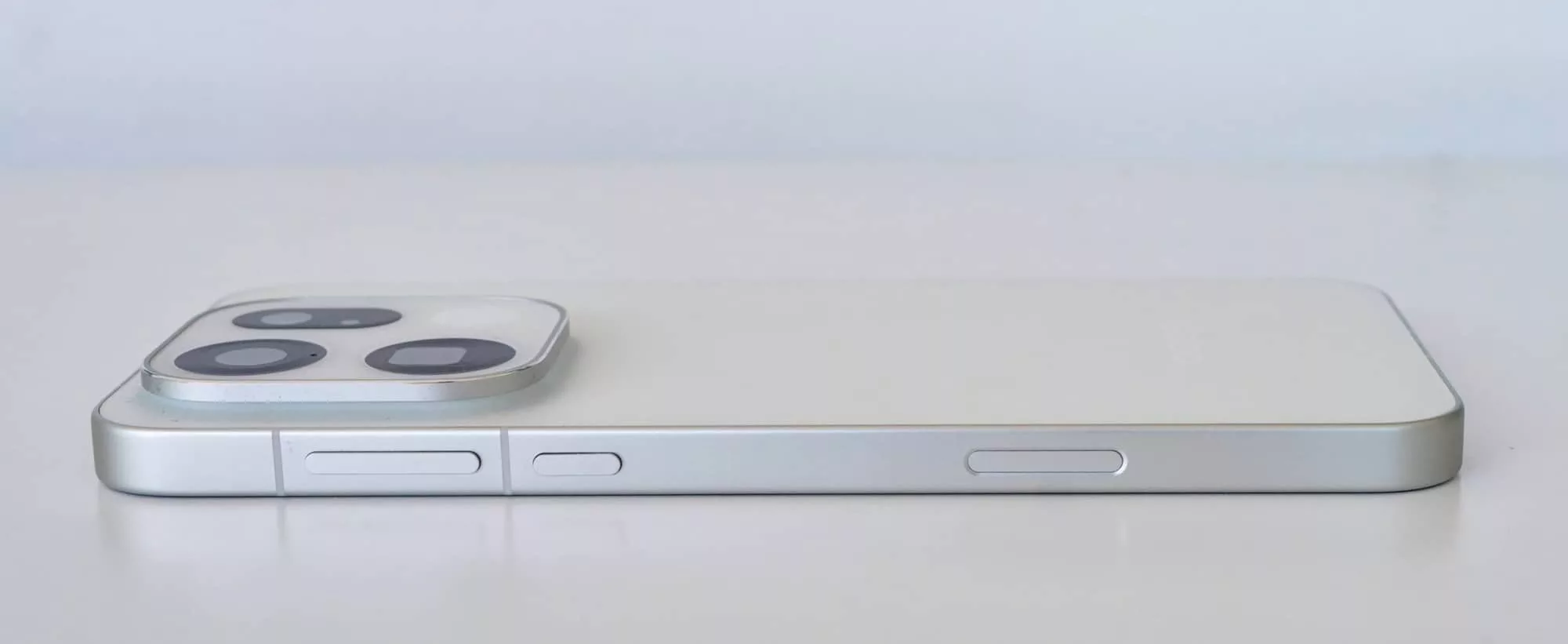
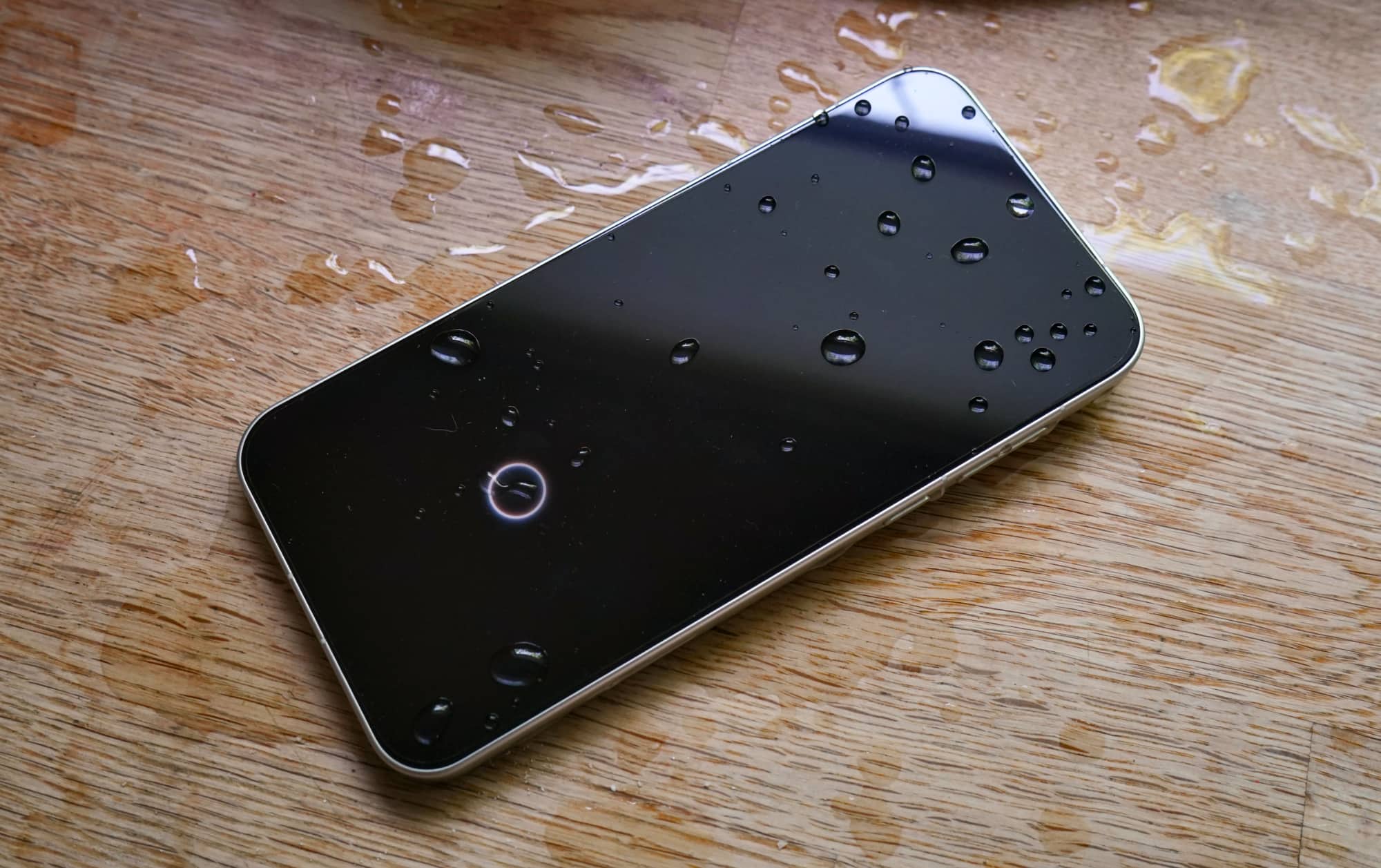
That means you can expect a glass front and back, metal frame, and water resistance across the board. The phone itself even manages to be a little slimmer than some of what’s out there, with an 8.25mm thickness and weighing 224 grams.
They’re minor differences compared to other phones, sure, but differences all the same. That’s important to note, because there’s little else about the design that will surprise. Oppo has left that for all the tech inside.
Features
Inside, is a MediaTek Dimensity 9500 chip paired with 16GB RAM and 512GB storage, the sort of specifications you might expect on a laptop these days, rather than a phone. There are actually some laptops with lower specs, telling you just how high-end the X9 Pro aims to be.
You’ll also find four cameras on the back, three of which are obvious and usable, and a fourth which will probably do some handy things with light measuring.
That last one is a 2 megapixel monochromatic sensor and is small, especially compared to the 50 megapixel wide F1.5 camera, 50 megapixel F2.0 ultra-wide, and a 200 megapixel F2.1 3X telephoto camera. Support for 4K video is here along for the side, as are some special film-inspired colour modes tweaked and branded with Hasselblad.
The front isn’t left behind, either, with a 50 megapixel camera at the front for selfies.
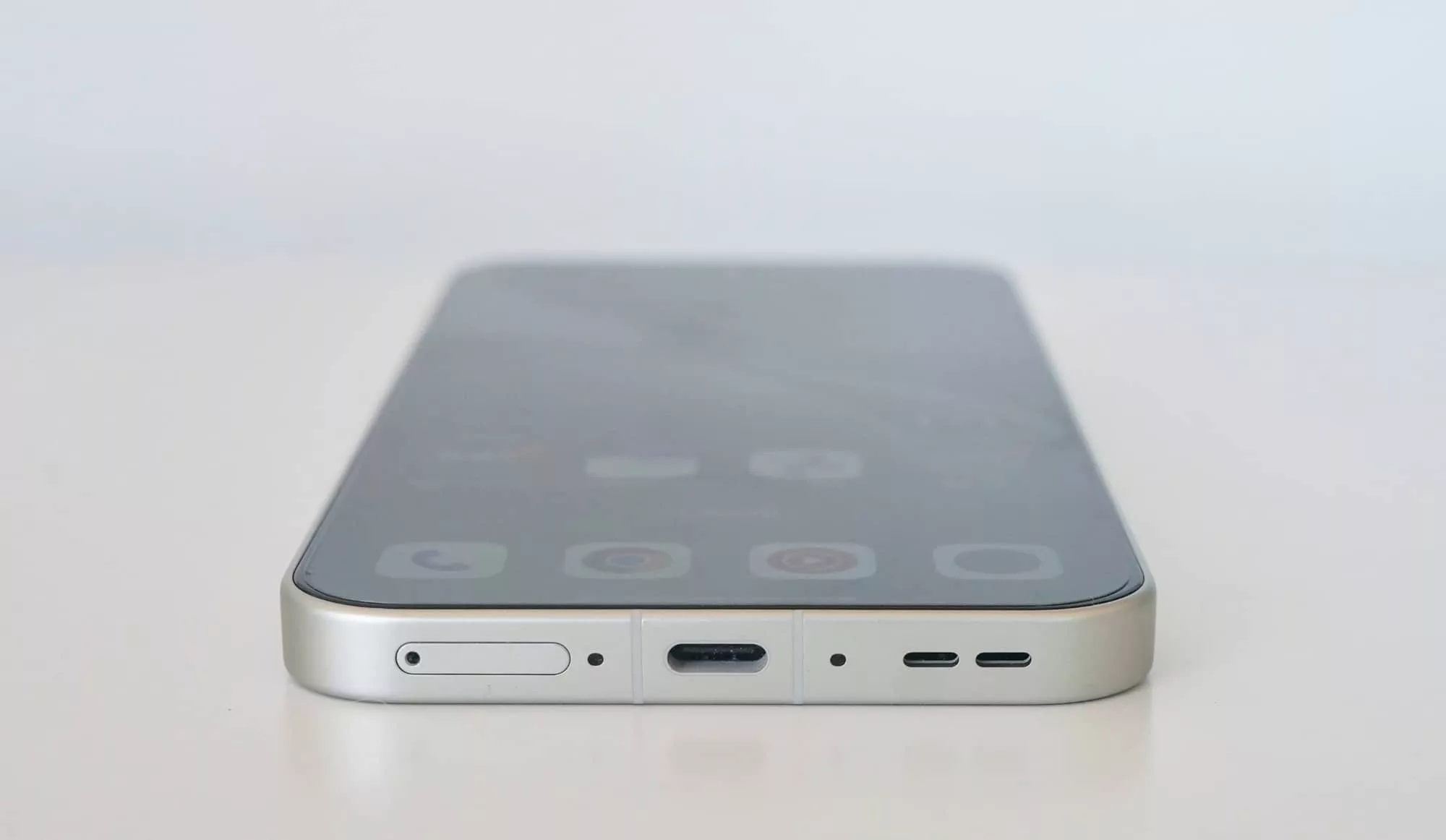
Connections include the standard Type C USB port at the bottom, while wireless is catered for using 5G, 802.11a/b/g/n/ac/ax/be WiFi 7, Bluetooth 6, Near-Field Communication (NFC), GPS, and even support for an infrared remote, in case you want to do that.
There’s also a fingerprint sensor, facial recognition, and support for both wired and wireless charging with a massive 7290mAh battery.
There are even buttons, with a power button, volume button, camera control, and a short cut button you can define yourself. The phone is also IP69 water and dust resistant, making it ideal for more than just a light rain.
Display
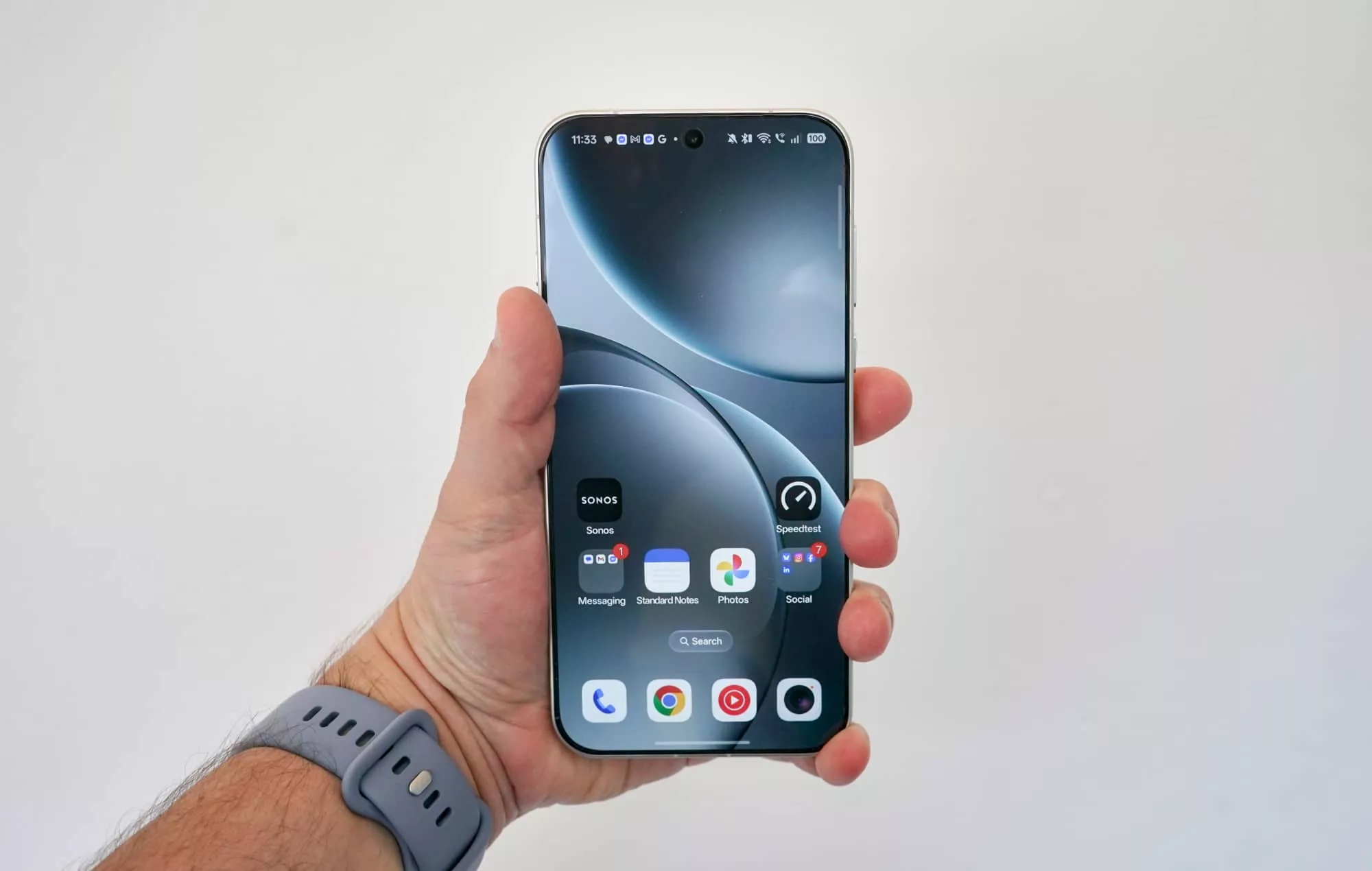
The other key point about the feature list is the display, which is a 6.78 inch AMOLED screen sporting a Full HD+ resolution of 2772×1272, a refresh rate of 120Hz, and a layer of Corning’s Gorilla Glass Victus 2.
It’s pretty, clear, and bright, with the screen being ease on the eyes and lovely.
Displays like this are typically par for the course on high-end phones, but it’s nice to see a great screen on another great phone.
In-use
Like every other non-iPhone smartphone on the planet and available in Australia, Android forms the basis of what you’ll be using, which has been tweaked a little for Oppo’s sake.
The result is ColorOS 16, a clearly Android 16 variant of Oppo’s overlay which follows a more iOS-inspired lead on square icons and such, but offers what Android has offered for ages: widgetised home screens, app menus, drop down notification bars, and all the control you expect Google to afford your phone in this day and age.
Using the X9 Pro is therefore unsurprising, but also not difficult in any way, and you’ll also find a fingerprint sensor on the front as well as a facial security system.
It is your choice which you use, similar to the side camera control, which we recall in last year’s model and feels like a direct response to Apple’s Camera Control. Sufficed to say, this is one feature we didn’t lean on too much this year. You might end up using Oppo’s extra shortcut button a little more.
Performance
Fortunately, there’s more going on than a similar set of controls, with a decent system spec, too.
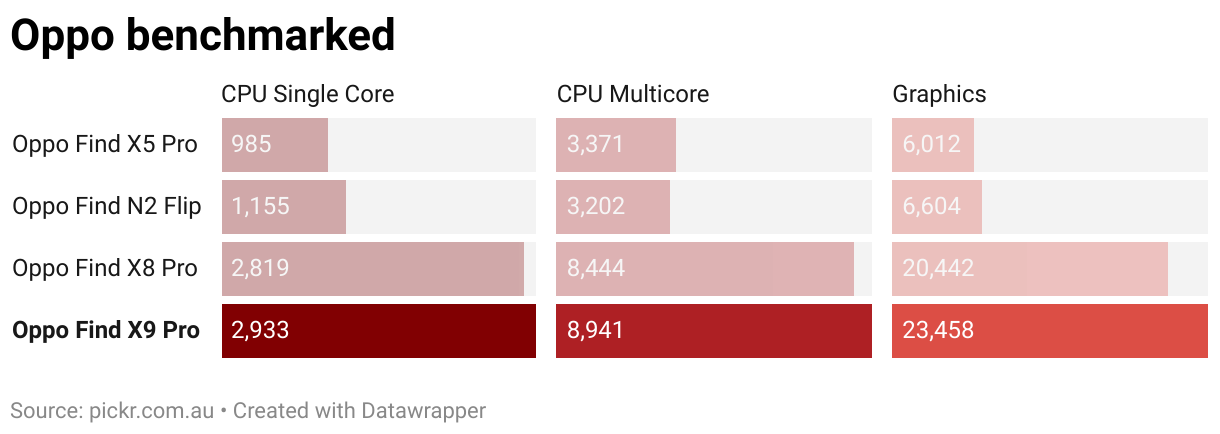
Tested against its predecessors, the phone is clearly a cut ahead, delivering plenty of speed boosts from some of the high-end Oppo models we’ve seen prior, and it’s much the same when you look at competitors.
While you won’t find the Qualcomm hardware we saw on the Samsung S25 flagships earlier in the year, the choice of the MediaTek Dimensity 9500 processor alongside 16GB RAM turns out to have been the right one.
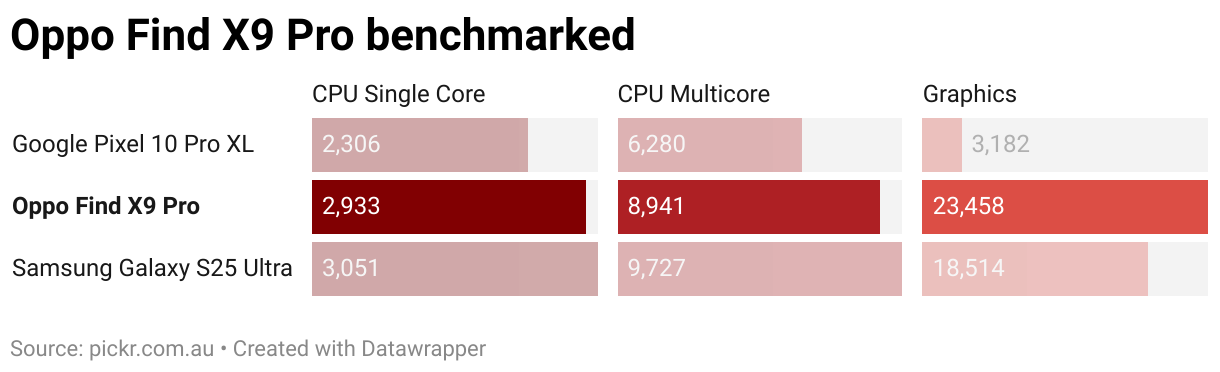
Google’s Pixel 10 Pro XL turned out to be a bit of a performance weird point, but Samsung’s Galaxy S25 Ultra was always the one to beat. While the MediaTek chip isn’t quite as powerful in the system spec category, it mostly feels matched, delivering heaps of speed for system and graphics, too.
We had no problems and minimal lag using the X9 Pro, and we doubt you will, either.
Over in the world of 5G, it’s a similarly solid result.
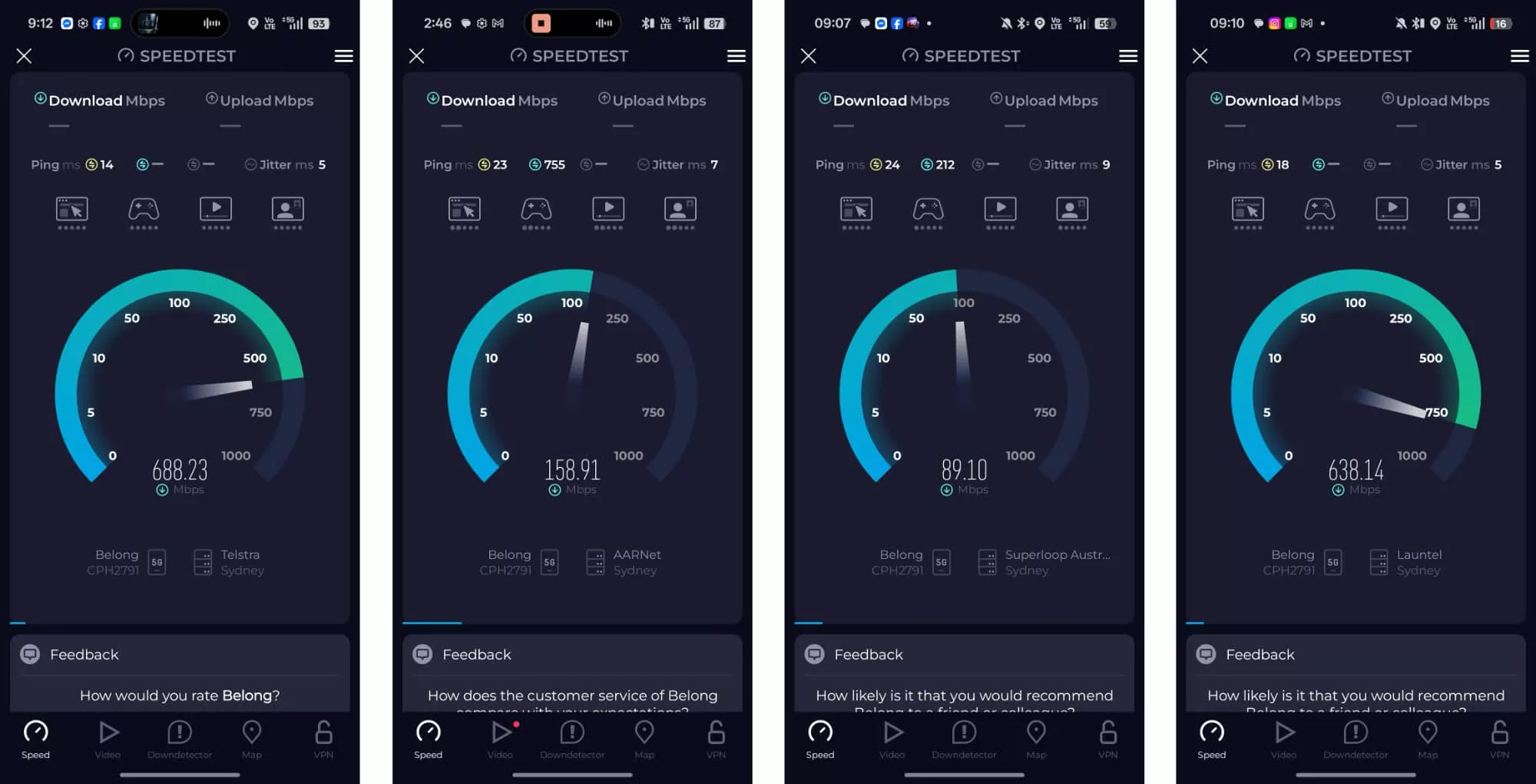
Tested in Sydney, Australia on the Belong network powered by Telstra, we found speeds as high as 688Mbps before Belong’s mobile handicap system kicked in and pulled back our speeds.
While that means we’re probably going to be surfing at 150Mbps maximum, it also means that folks with a full-speed mobile carrier will be able to get decent 5G speeds, provided the network and their reach are playing along.
Camera
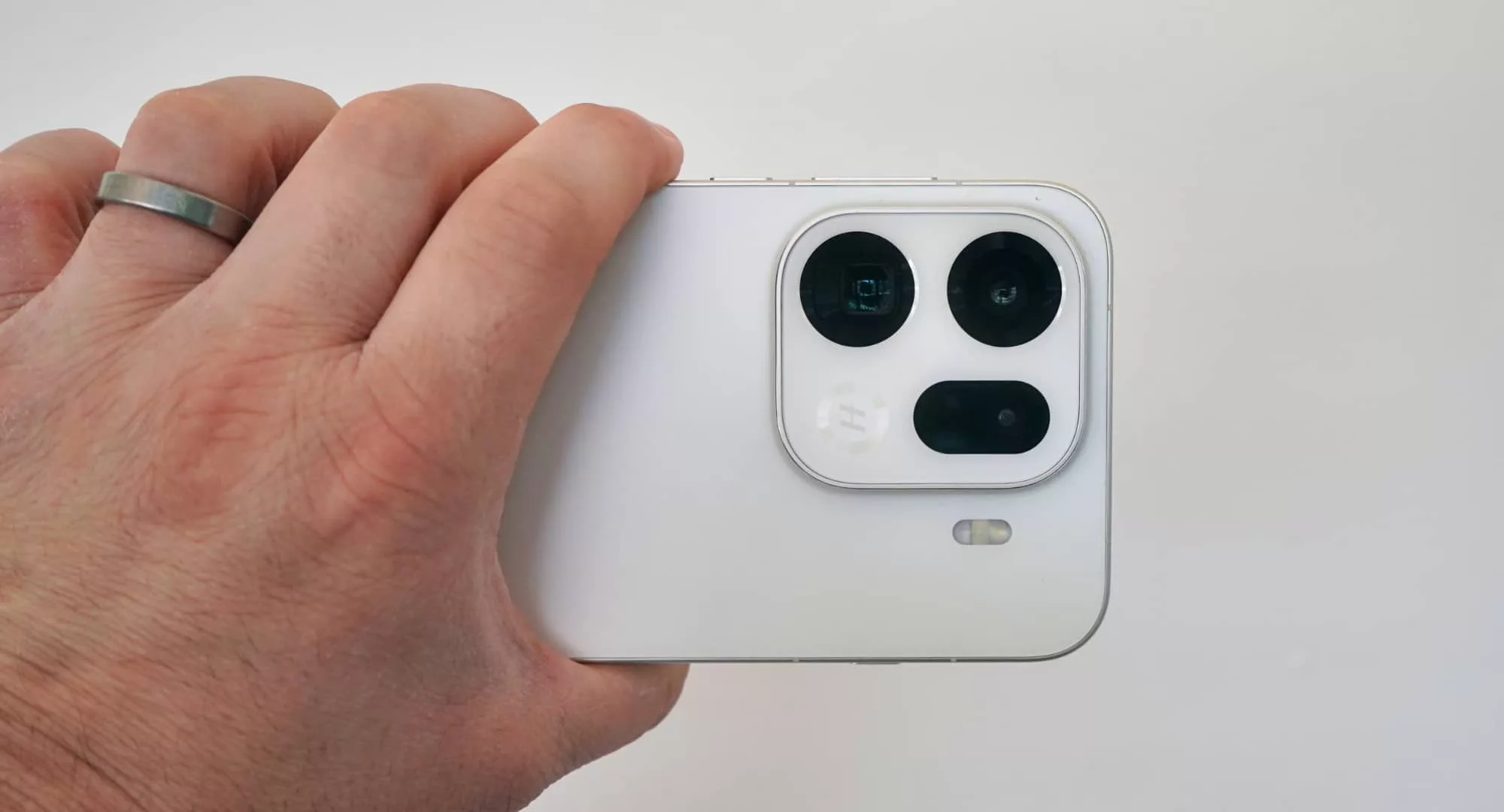
The performance is no slouch, and the same is true for the camera, which just delivers.
Each of the cameras on offer is over the 48 megapixel mark, with a 50 megapixel wide camera, a 50 megapixel ultra-wide, and a 200 megapixel 3X zoom that offers versatility, as well.
It’s an unusual assortment of cameras, using the high-megapixel sensor on the telephoto camera rather than the wide sensor, and essentially granting Oppo a bit of a magic trick: the camera not only gets close, it gets sharp while doing so.
Using that 200 megapixel camera, Oppo can do the trick of cropping down to get you closer, and there’s even some AI to help blend images and details. It’s a really clever assortment of tech in a phone camera, to be sure.




With regular photos and portrait shots, the X9 Pro sings a song. Each photo offers crystal clarity and delightful colours, resulting in an image that feels like it competes with the best of the bunch.
It gets even better when you decide to get up close with objects and people.


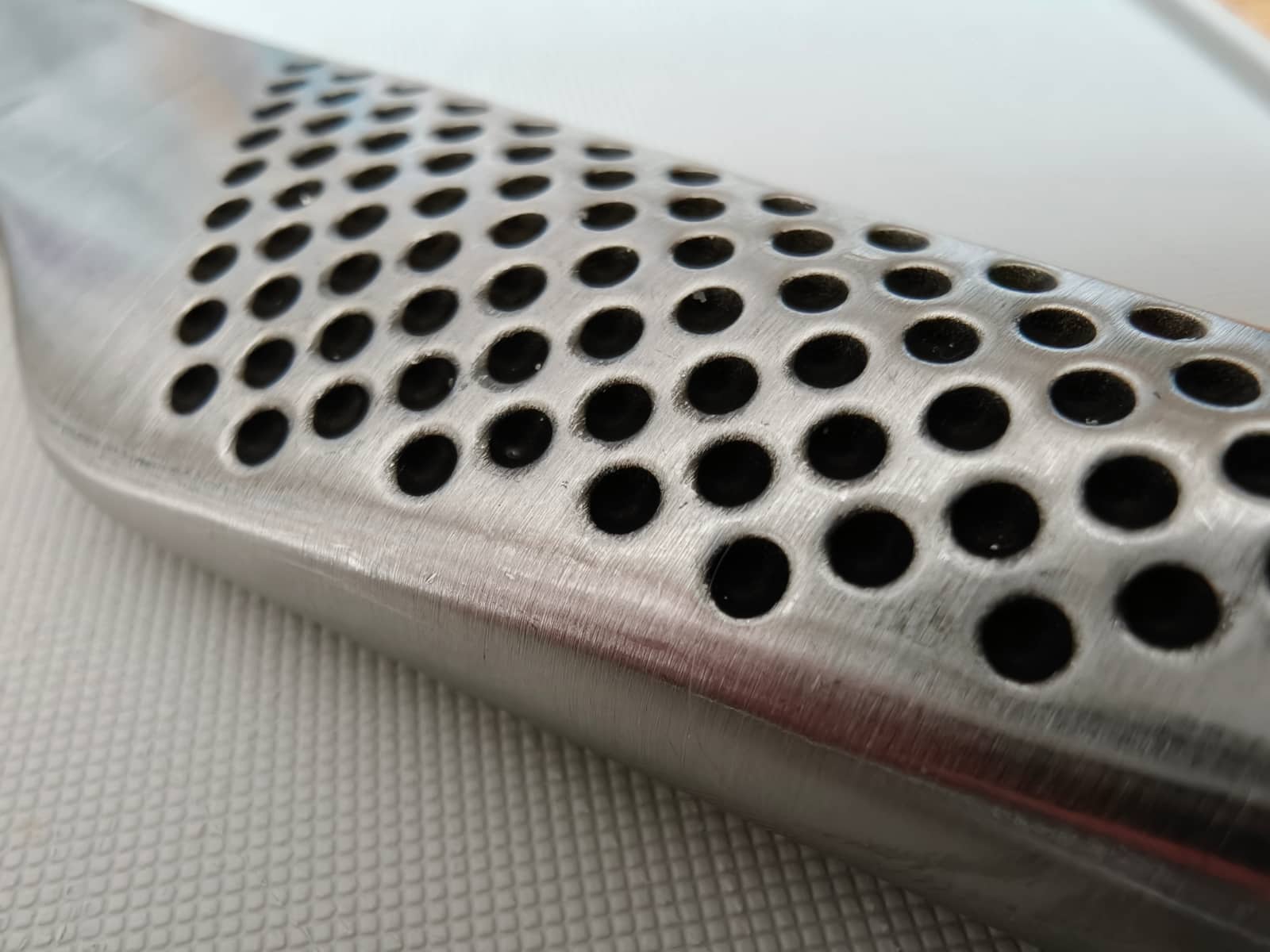

The results from the macro capabilities of the Oppo Find X9 Pro show a level of detail few phones can compete with, and makes us want to put the speciality macro lenses away.
Detail of fruit and skin and hair and such, and that’s before you raise the megapixels a little more.
200 megapixels
It’s worth highlighting the sensor on the X9 Pro just simply because of how much fun you can have.
There’s a little more to the Find X9 Pro than simply jumping into the camera mode and snapping photos, though you can certainly do that. You can also fire up the extra modes and have some fun, one of which will let you snap a 200 megapixel image.
With credit to Samsung which has been in this space before, Oppo isn’t exactly treading new ground. But it does seem to offer a better result than some of the 200 megapixel phone cameras we’ve seen prior, and we’re not entirely sure why.



Take an image of this reviewer’s eye, which offers great detail zoomed out, but even zoomed in, offers a lovely clear look. You can almost look deep into his soul. Almost (tell him what you find).
The 200 megapixel sensor is capable, but there’d one other zoom-zoom feature we need to talk about.
The teleconverter
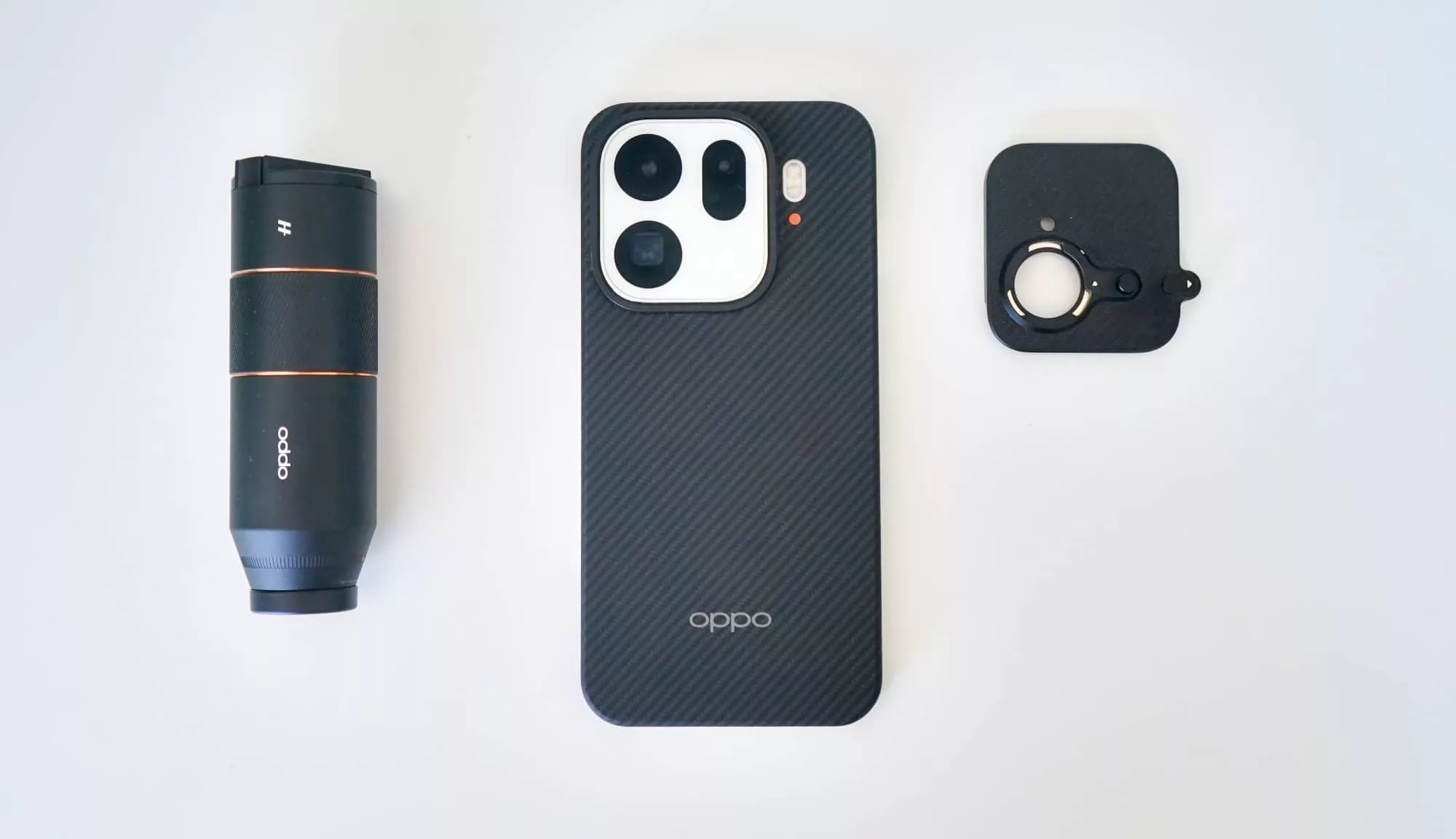
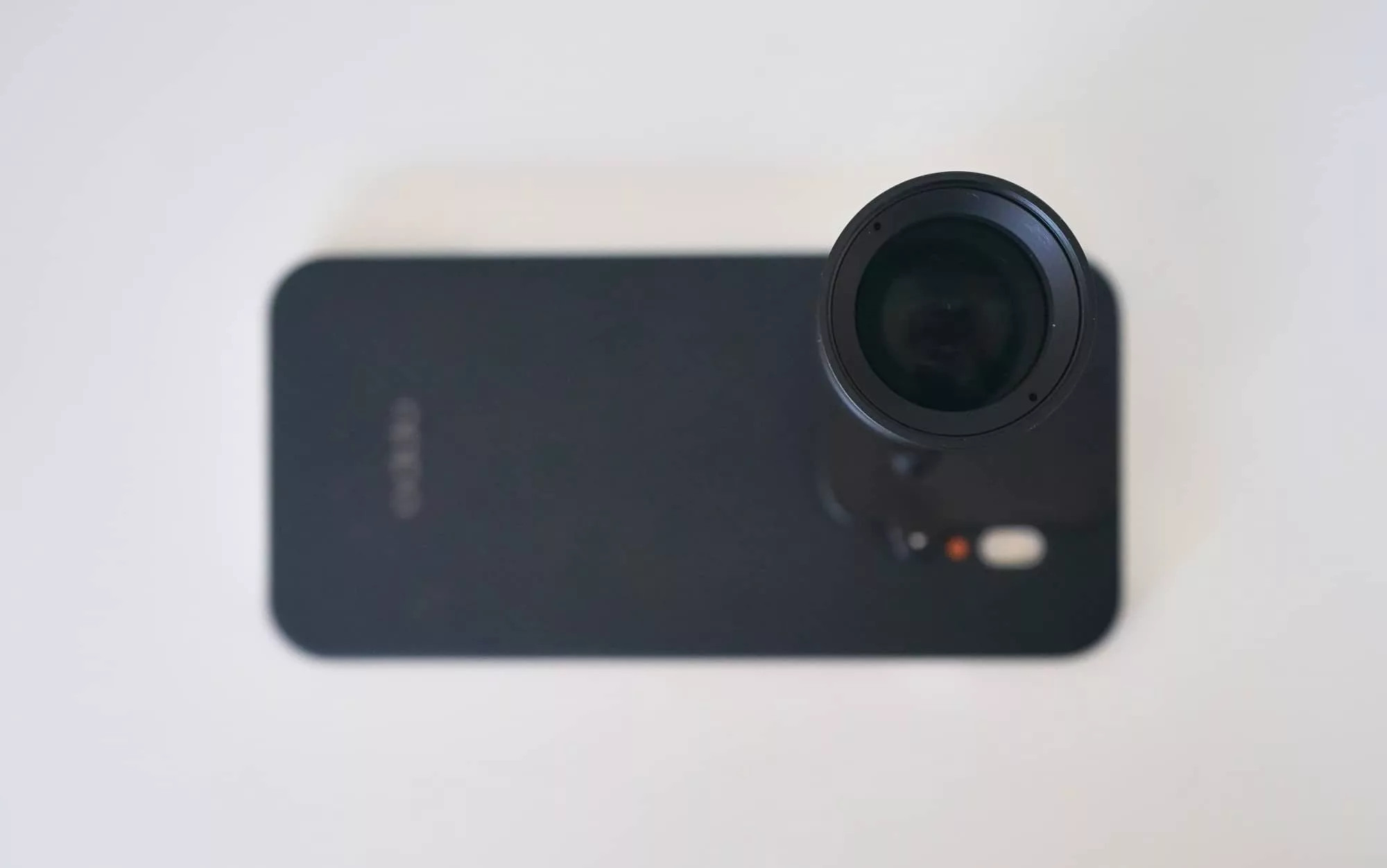
An extra option, the Hasselblad Teleconverter is an extension to the 200 megapixel telephoto camera that affords you a 10X zoom provided you don’t mind buying an accessory.
In truth, it’s not just any accessory.
Designed by Hasselblad and Oppo as part of the collaboration the two have, the Hasselblad 10X teleconverter attaches a literal zoom lens to the Oppo Find X9 Pro by way of a special case and its equally special mounting plate.
This combination of parts literally gives you a lens mount for the specialty lens, and you’ll need to turn it, mounting the lens in place, while covering up the other two cameras.
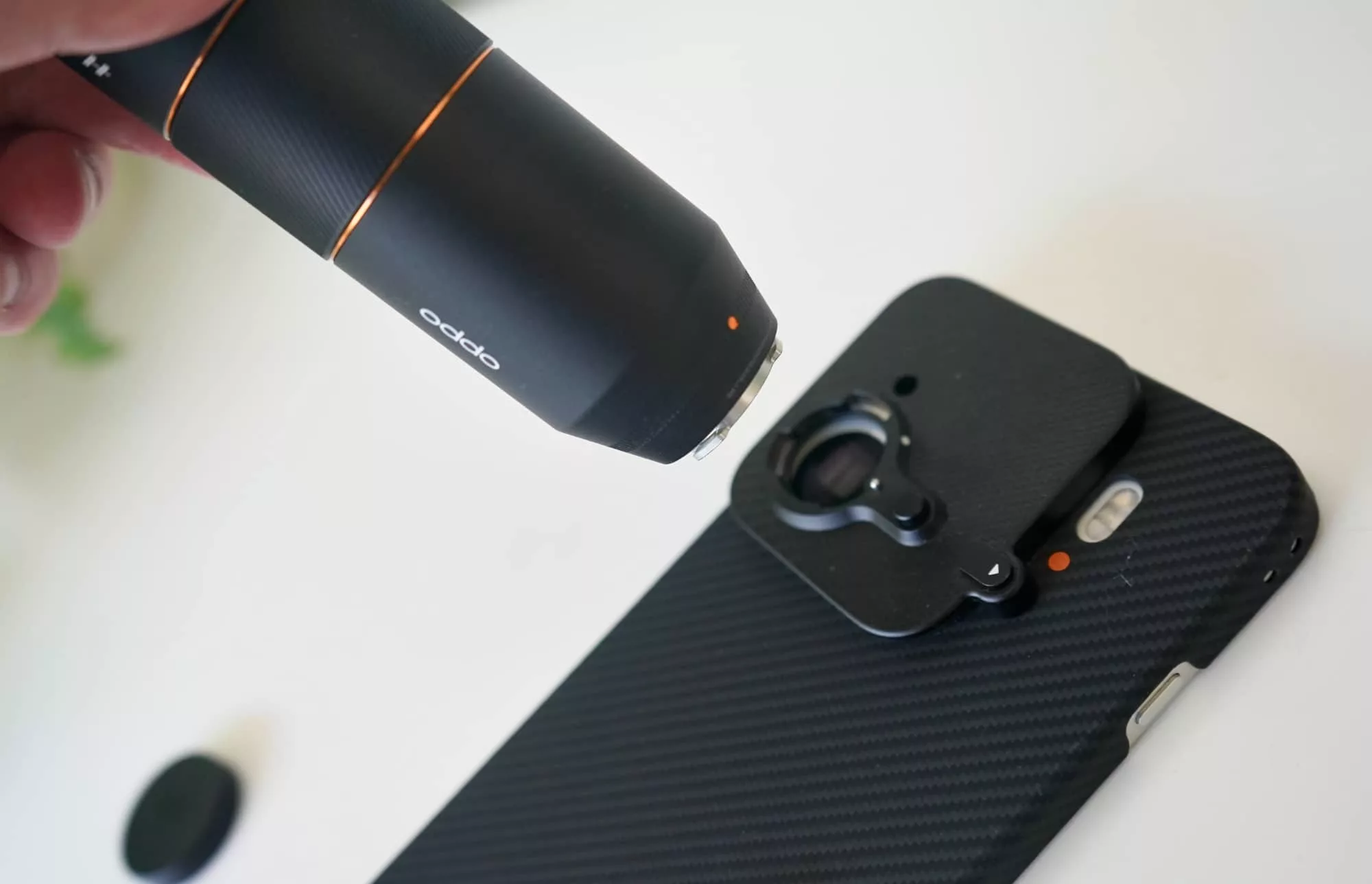
With that attached, the Find X9 Pro becomes a single-camera smartphone. Unlike other single-camera phones, however, the X9 Pro with the special teleconverter reaches to the heavens. Almost quite literally, even.

Take a shot of the moon.
Without the teleconverter, and the moon may as well be the sun in the night sky to any phone, the X9 Pro included.

Add the teleconverter, however, and you can see the craters and deliver a shot that rivals actual cameras.
This isn’t an AI photo, either. While Samsung might opt for an AI-enhanced moon shot, the Oppo Find X9 Pro achieves an actual photo of the celestial body up above, and a result that seems unreal from a phone.
It’s a little different used with other shots, but it works a treat, too.



Snapping sports photography shows the Find X9 Pro teleconverter is a touch too slow, while grabbing portraits delivers a surprisingly nice focal quality not unlike that of a decent lens.
It has the “Hasselblad” name on this one, so we’re going to assume that it is a decent lens. Even if it looks a bit ridiculous.
When the lens is mounted, you can’t put the phone in your pocket. It’s a clear interpretation of “is that a phone in your pocket” joke, because of just how much the lens extrudes.
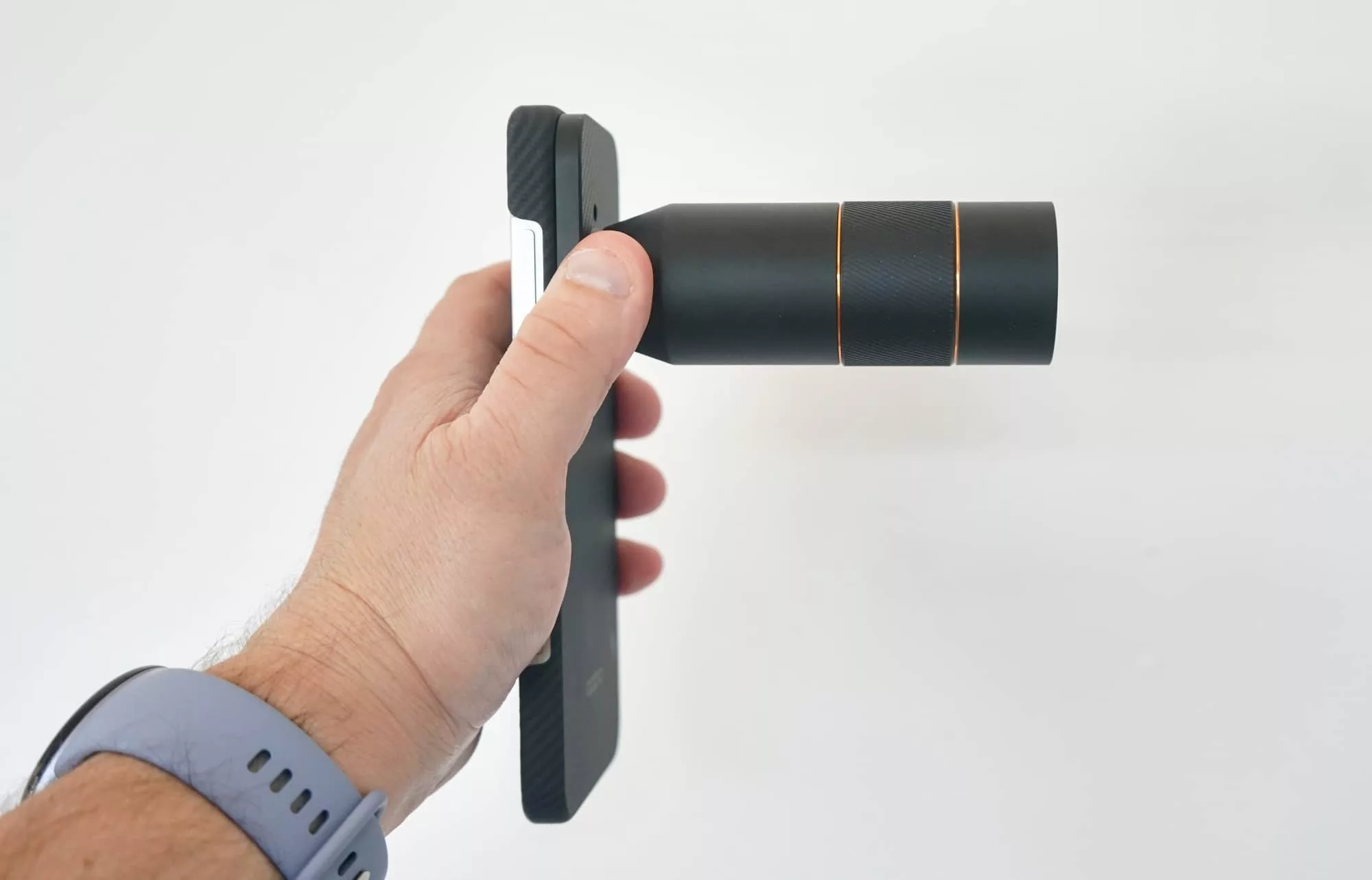
And yet while it’s not pocketable in the slightest, the ability for the teleconverter to extend your phone’s reach is undeniable.
Granted, the camera mode you have to use could do with more features and control, but Oppo’s choice of hardware has nailed the camera side of things in the X9 Pro.
Battery
The camera is impressive, but Oppo’s approach to the battery is on another level.
You might be used to large flagship phones needing a charge every night. That’s more or less the norm.
Oppo’s Find X9 Pro does something about that. It fixes things.
There is, of course, only so much a phone maker can do. Phone screens consumer power, mobile access and GPS consume power, cameras consumer power, and the operating system also chews through power, too. Even tweaking Android with ColorOS only provides so much control.
So Oppo has decided to improve the battery, moving to a silicon-carbon battery, and a sizeable one at that.
While most phones top out at between 4500 and 6000mAh, the Find X9 Pro includes a staggering 7500mAh silicon-carbon battery likely handling 7290mAh of power. This might seem like jargon and numbers — it is — but it gives the phone so much juice to sweat its little heart out. It’s almost twice as much as some smaller phones.
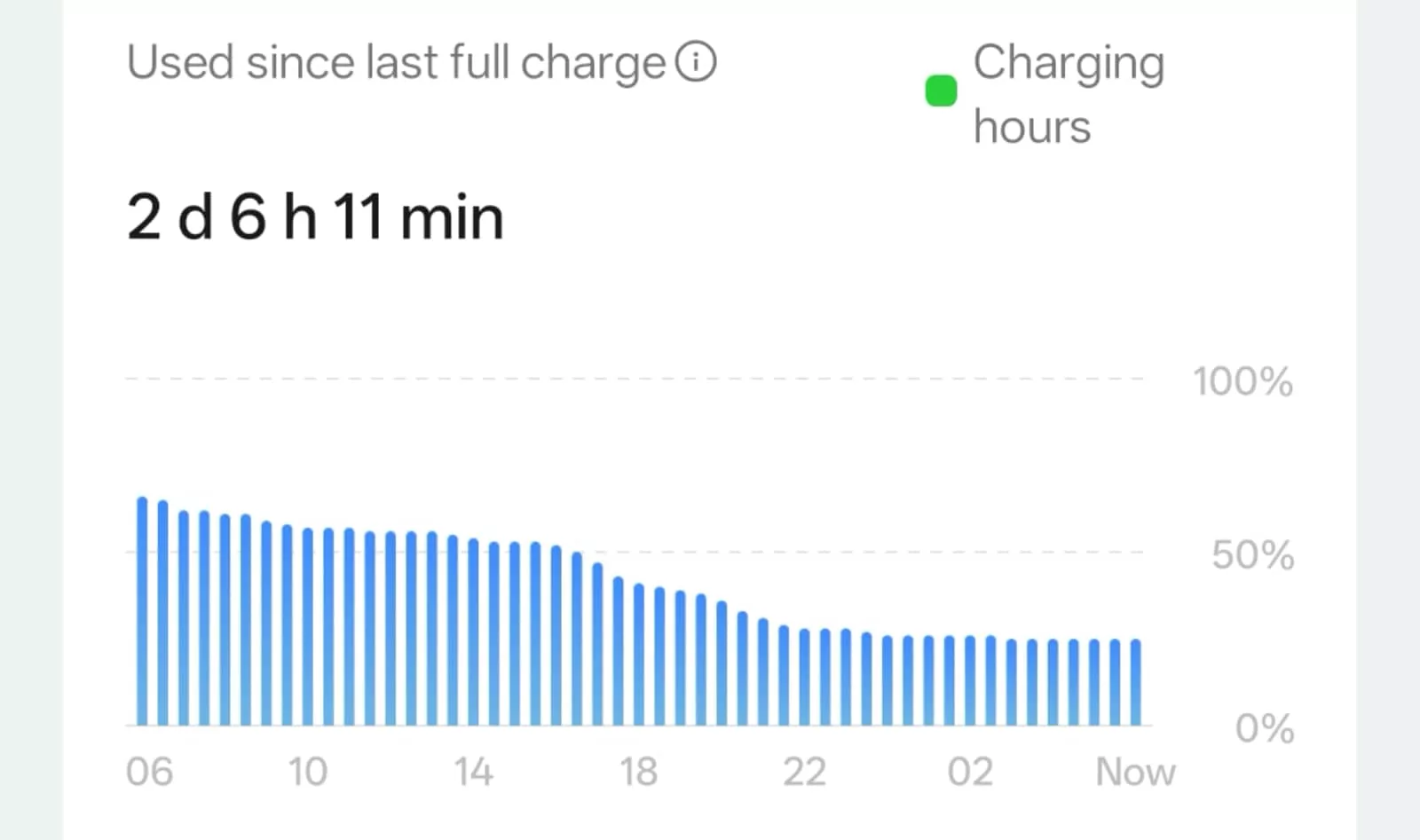
The result is a battery that never lets up, and no joke, offers you two days of comfortable use from the Find X9 Pro in regular tests. Throughout this, the on-screen test resulted in a good two days of battery life, or more specifically around 2 days and 6 to 8 hours of comfortable usage.
You could probably get more once the phone switched to lower power mode.
Meanwhile, Pickr’s Battery Bench battery testing app clocked up 23 hours of use, crashing at the similar 23 percent mark. Based on use, our prediction was likely around the 28 to 29 hour mark, which would have made the X9 Pro the best battery of the year from our battery benchmarks, had the app not crashed.
But the Find X9 Pro also saw the best real-world battery life, too, achieving over two days of use.
We suspect you’d probably want to charge on the second night of use, but the point with the Find X9 Pro is that you don’t need to charge it nightly. This is a phone that can survive two days of use.
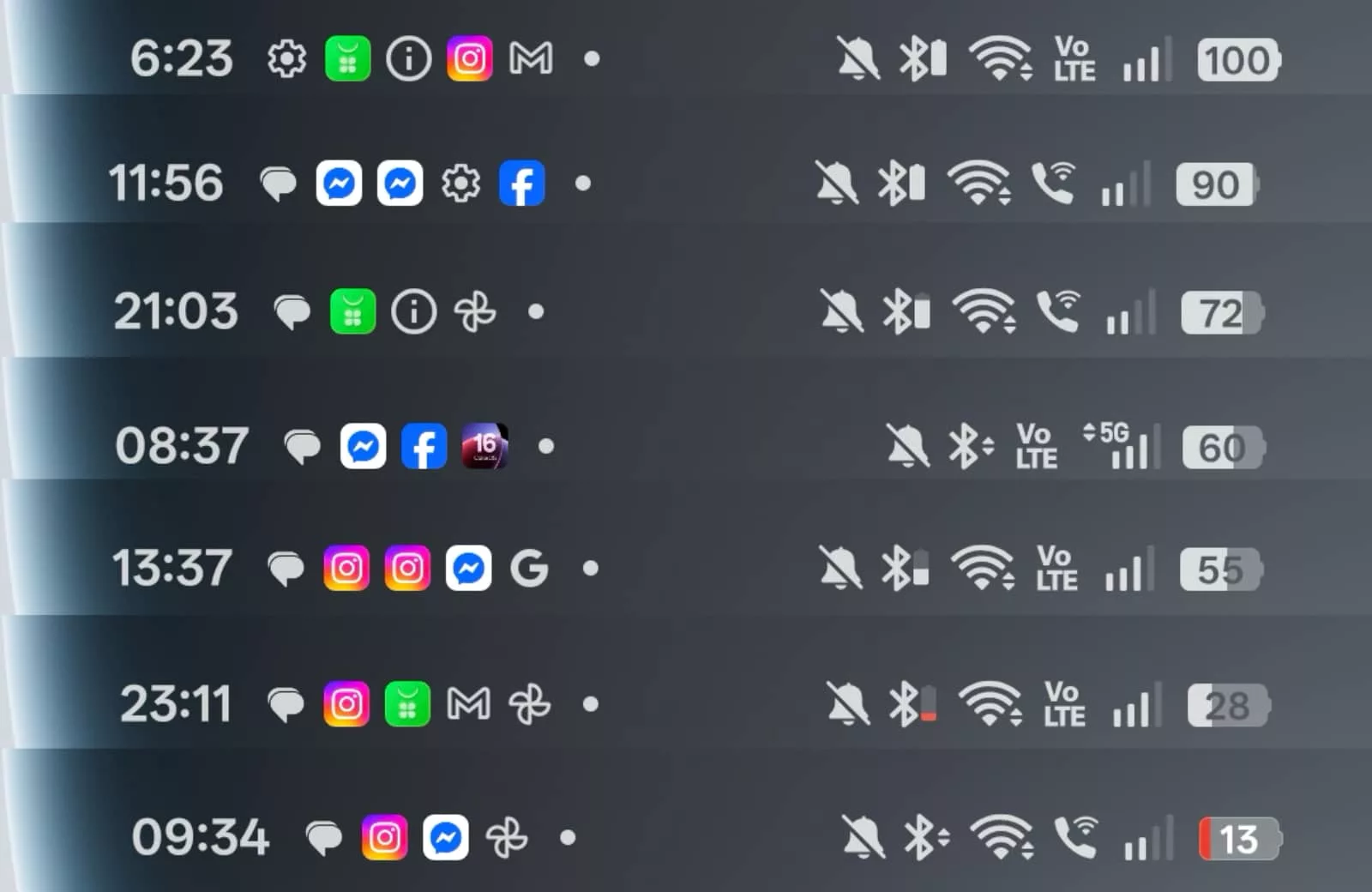
The Find X9 Pro lives the glory days of Oppo’s mid-range phones, back when you could hit two days of life no worries, and didn’t need to think about reaching for a charger. This is like that, but in a much better phone.
Flagships never do this well in battery life. The Find X9 Pro is on another level.
Value
Even the value seems like Oppo has nailed things, finding a price point for flagships that while pricey, isn’t so far out of kilter we’re shocked.
Oppo’s Find X8 Pro was released at the end of last year, and we only managed to check it out this year, back in February when it was $1799.
This year’s model pushes the price to $2299, a good $500 north from where it was in the previous generation, which isn’t small, though things have clearly changed.
We’re not going to say the price isn’t justified, because this is a seriously good phone. It’s just a steep increase no matter how you look at it.
What needs work?
Beyond the price, Oppo has nailed the package positively, and there’s little about it that really needs work. The Find X9 Pro offers great design, excellent cameras, solid speed, and a battery life that best rivals without any real effort. Two days, wooo.
But it also comes with more bloatware than you might expect, which muddies the waters in a weird way.
It’s a little surprising to see an app store specifically for Oppo, but it’s plain weird to see every extra marketplace also waiting there: Amazon, AliExpress, and Temu pre-installed. That feels weird and wrong, and just adds bloatware to the mix.

The teleconverter is also an optional purchase, something that should be included in the box. It’s easy to see why that’s the case, and to Oppo’s credit, it will apparently support the teleconverter on future phones, but not all.
As an aside, the Find X9 Pro supports the specialty lens, but the standard Find X9 does not.
We’re also just a bit surprised that Qi2’s magnetic connection has been ignored, but the telescopic teleconverter lens does come with a magnetic ring in the case, so there’s kind of a fix there, provided you spend up on the optional teleconverter. Kind of.
We’d also love if the camera mode for the lens was a little better. For instance, while you get a manual-ish mode for the camera itself, add the lens and the teleconverter-specific mode lacks the manual, even though it probably needs it most.
Dare to use the manual mode with the external lens and the picture will be upside down, due to the way the lens us constructed.
What we love
Perhaps the best aspect of the Find X9 Pro is just how well rounded the phone proves to be.
It’s such a staggeringly good device, and one of the best phones of the year. The price may be high, but just about every feature proves why. It is not a small update to say the least.
Final thoughts (TLDR)
Oppo’s final addition to the year 2025 is a good one, almost as if it waited until the year ended to get the best phone it could.
It waited to see what Google did with the Pixel 10 range, and it waited for Samsung’s Galaxy S to stroll by. It waited for the iPhone 17 to be added to this year’s iPhone range and it waited for everything to show what Oppo could do.
The wait was totally worth it.
The Oppo Find X9 Pro is on another level. This is the year’s best Android hands down. Highly recommended.