
No one can predict the future, but if you’re thinking of buying new tech in the new year, AI could make prices go up. And that might make you buy new gear now.
The best time to buy any new gadget isn’t when something new comes out, but rather when you need one, allowing you to complete an upgrade cycle based on demand as opposed to desire.
But moving forward into the next year, it might be a good idea to think about those demands early and make a guess as opposed to a prediction, because things could soon get expensive.
While no one can really predict the future and trends are often a best guess and estimate, one trend that has continued unabated for the past few years could hit hardware prices as early as 2026, and that spells bad news for consumers around the world.
The story that seemingly always offers something new each week is now threatening to unleash a wave of price hikes for laptops, phones, and even folks still building desktops, with the demands of AI data centres spilling out into the hardware it runs on.
We’re a few years into people using AI, many using it daily for certain things, and by now most people probably know AI uses an incredible amount of energy while also consuming water to cool these systems. The demands of power and water are high for AI, but so, too, are the needs of memory.
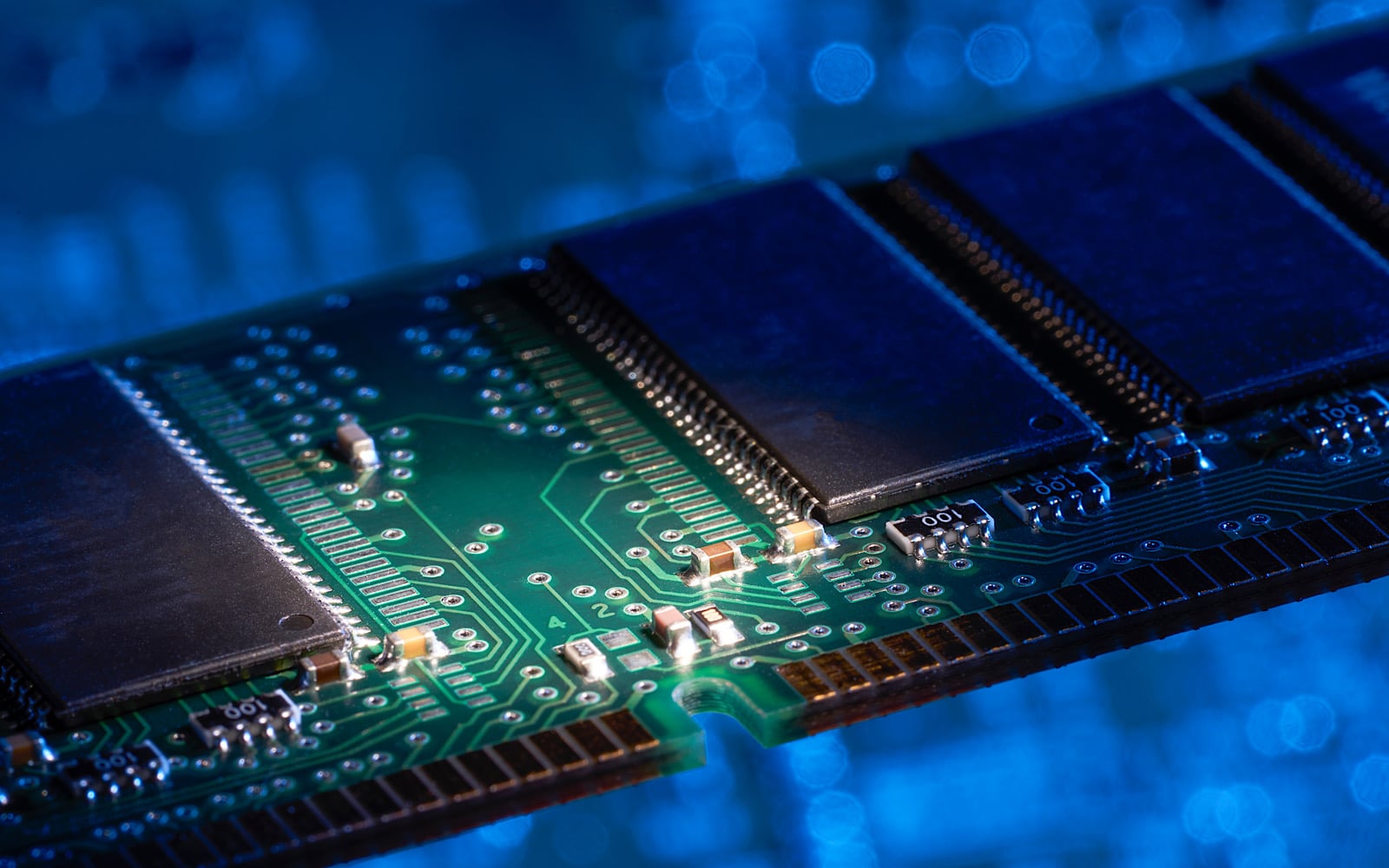
Computers made for AI need lots of memory, with more memory delivering a results faster. That may explain Apple’s push for a minimum of 16GB RAM in laptops, something Apple Intelligence may work better with, and why so many laptops start with that 16GB minimum these days.
It’s a similar picture in data centres, only they need a lot more memory, and that’s a problem.
The hardware makers building memory are focused on server memory rather than the tech and components for consumer gear, resulting in less supply for the latter and subsequently higher costs. Prices are going up in memory and solid state storage, which is dependent on a type of memory.
For desktop owners looking to upgrade with more memory and storage, that’s less than ideal, but it will likely affect other technology, too.
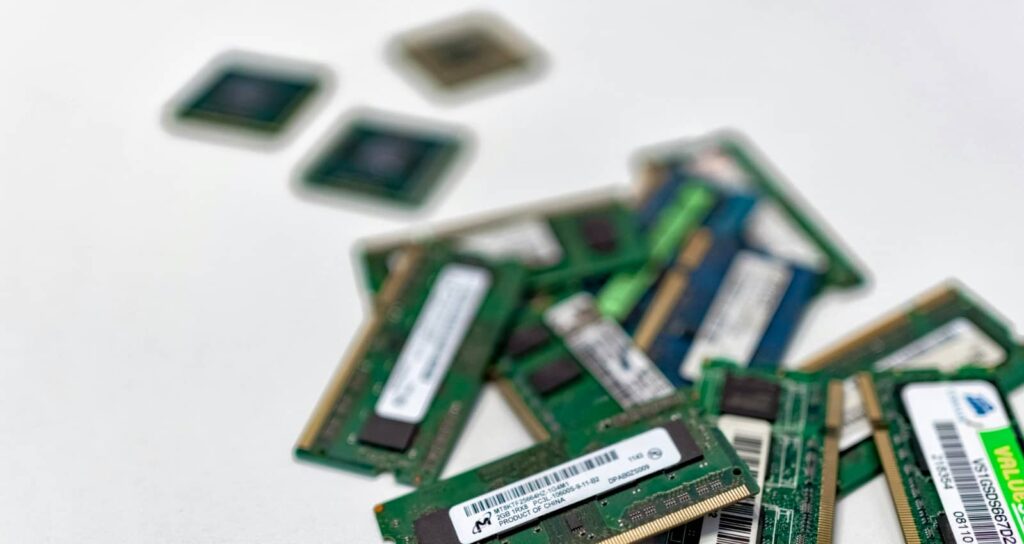
Laptops use memory. Phones use memory. Video game consoles use memory. While the memory types differ between them, less production of consumer-grade memory with a shift to server-grade data-centre memory could result in higher costs all around.
The result is apparently already forcing one of the world’s biggest computer makers into stockpiling memory, with Lenovo’s inventory reportedly higher than normal. Apple could already be stockpiling hardware, but the memory shortages could also see a good reason to increase the cost of phones, tablets, and laptops all the same.
However, the guess is the same: technology could be more expensive in 2026, and AI would likely be shouldering the blame.