
The most obvious way to open a locked door is to insert the key and turn the handle, but in an age where practically everything sees technology making a difference and changing something, even the humble key can be changed, too.
And depending on just how smart your home is, you might have some of that right now.
A smart lock can have its key be a number pad, ready to punch in the right code to give you access. Or a smart lock can be Bluetooth, waiting for an app or a wave of your phone to let you inside.
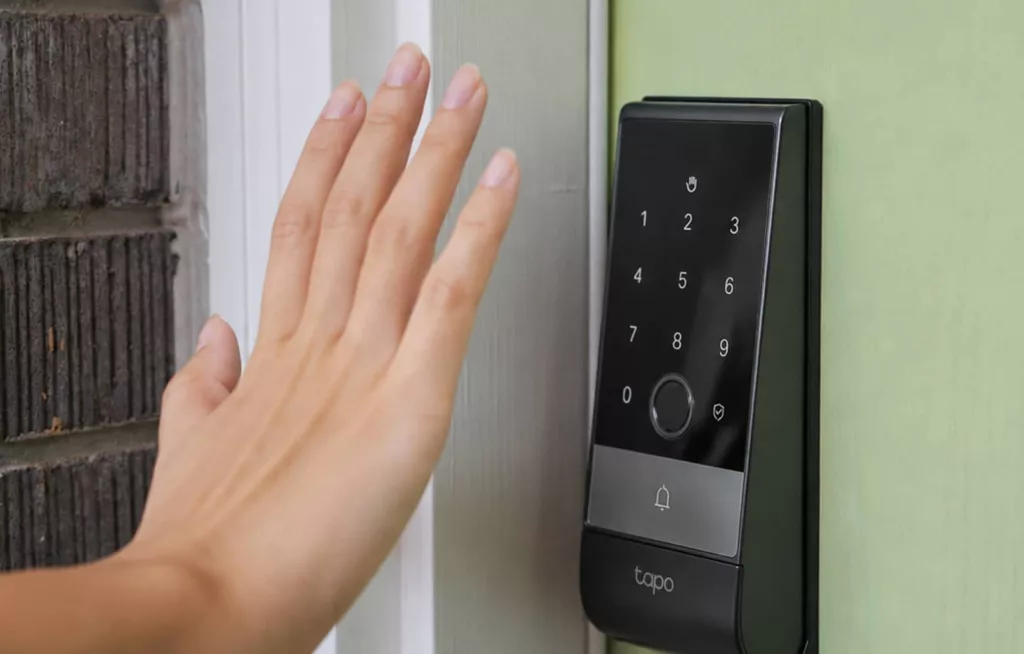
But in the case of the latest gadget from TP-Link, the door lock is a bit of a palm reader. It won’t read your future, but it might just read your desire to get inside from an outstretched hand, distinct from pretty much everyone else.
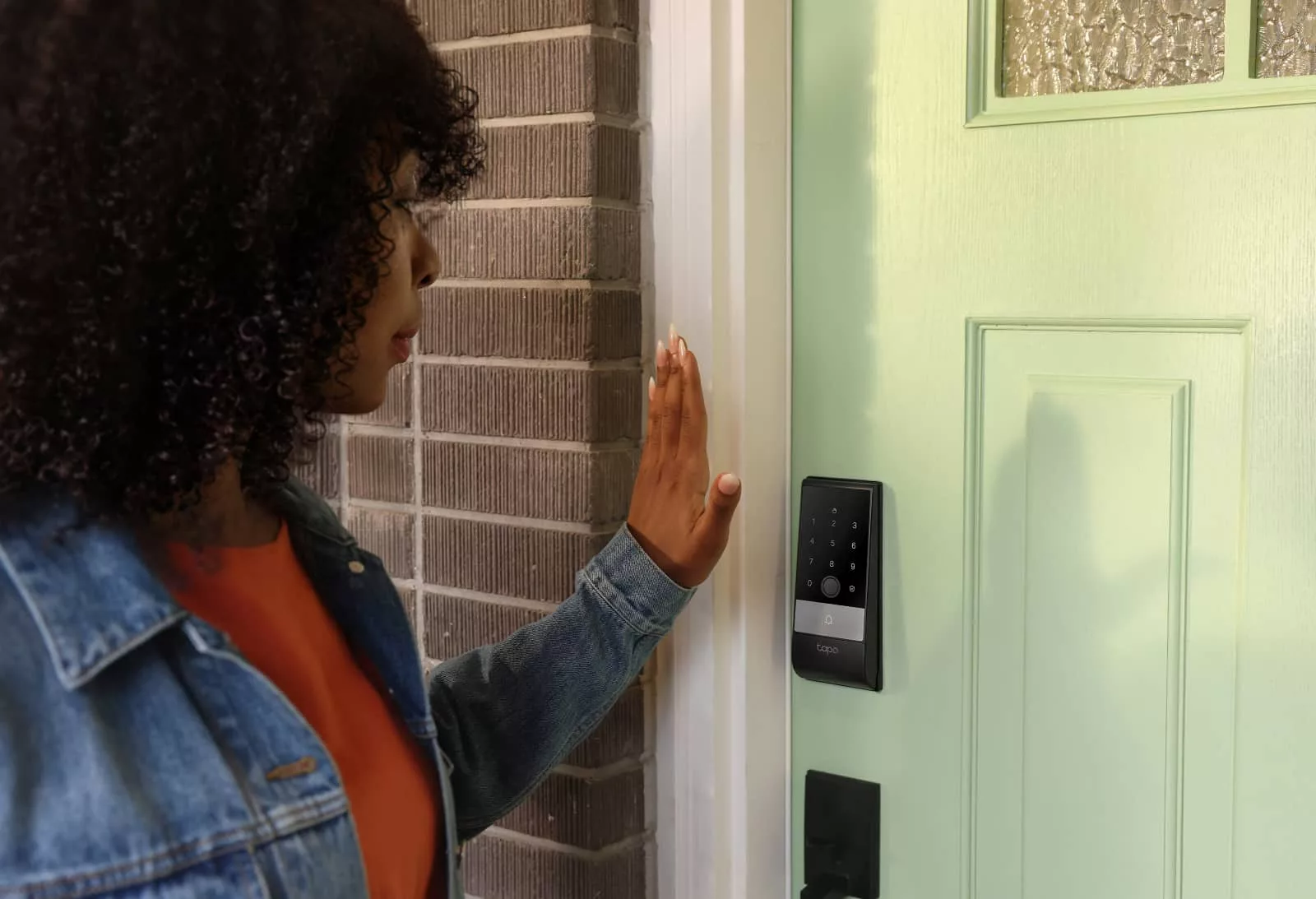
That’s what TP-Link has been cooking up with a very specific door lock that can recognise a registered palm in under half a second, even while wet or dirty. Called the Tapo DL130, the technology works with hands of all sizes — even children’s hands — and recognises palm veins as a form of lock, but also works with an included fingerprint sensor to turn mere digits into simple locks.
TP-Link notes that its fingerprint reading tech can store up to 100 fingerprints, which means that it’s at least ten full sets for ten people, or more likely a few for the members of your home, plus a few extra people you might want to give access to.
It also supports passcodes, Bluetooth unlocking, and even voice control using a Google Home or Alexa smart system, and features an activity log with real-time notifications via TP-Link’s app. Keeping it working relies on a rechargeable main battery at the back, but if you forget to charge it, there’s still a key under the cover that you can use, with a small back-up battery inside and a way to quickly charge the whole thing with USB-C.
“A lot of what happens at the front door is everyday stuff, like your kids getting home before you and realising their keys are still on the kitchen bench,” said Neville Wang, Managing Director of TP-Link in Australia and New Zealand.
“You want to see who’s there and let them in, without your face or fingerprints ending up in the cloud,” he said. “That’s why we built both the doorbell and the lock to keep that data on the device itself.”
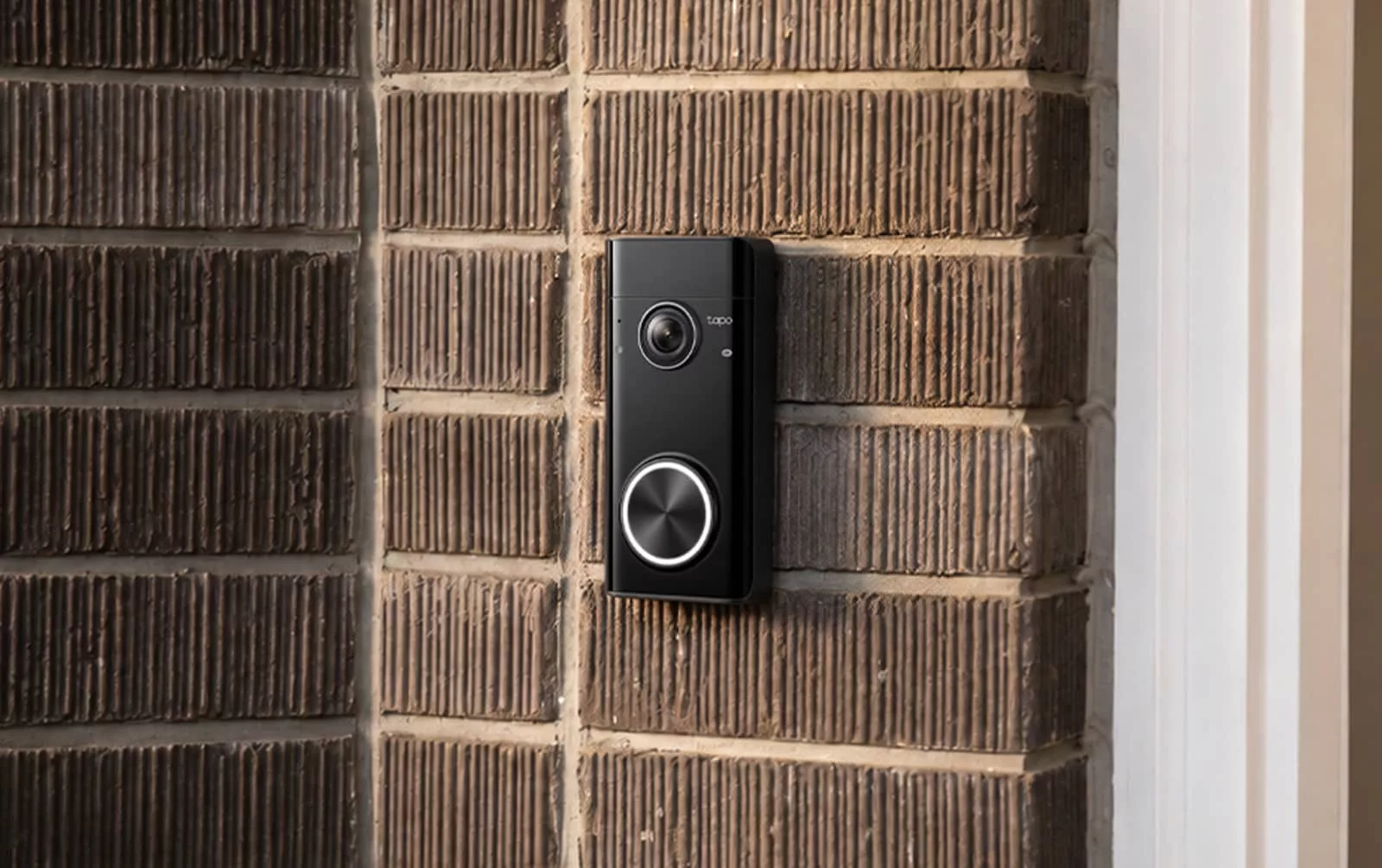
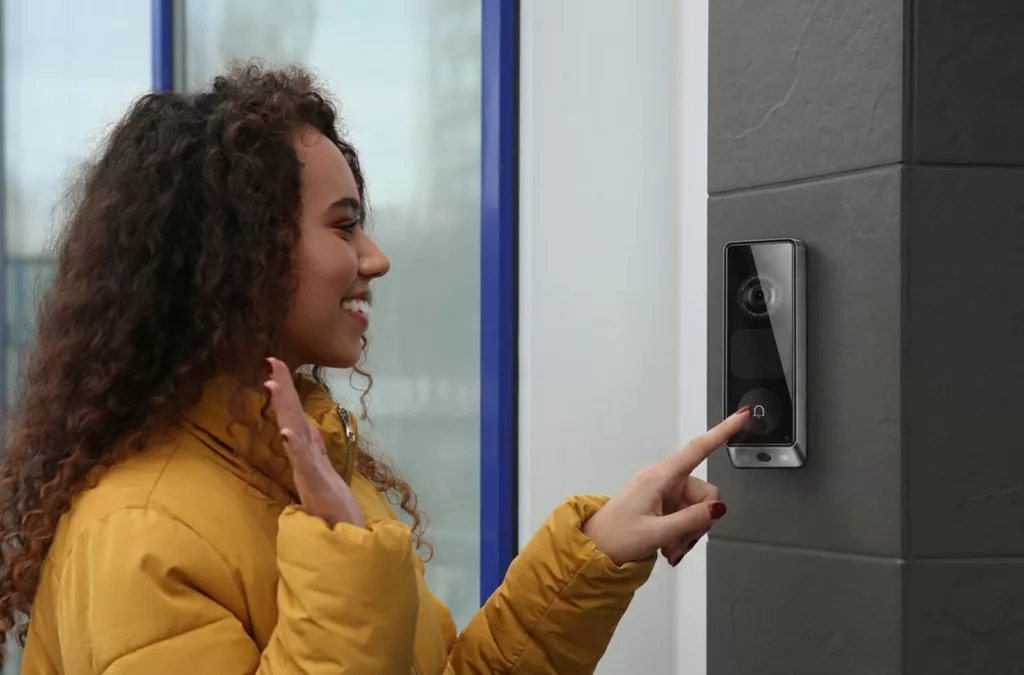
The door lock arrives alongside a doorbell that can be both hard wired and battery operated, the Tapo D260, which uses a 4K sensor to build al library of familiar faces, using AI detection to track unknowns, animals, and packages with no extra costs.
However, both devices do cost something, with the price of securing the smart home at the door fetching near a thousand for both gadgets, though each can work separately.
As it is, Australians can expect to find TP-Link’s DL130 smart lock in stores later this month for $499, while the 4K D260 Doorbell Pro will cost a hundred less, priced at $399.