
It can be all too easy to feel that the wireless networking we use to connect to the web is in general fast, but sometimes it can feel downright slow.
That usually has more to do with how many devices are connecting to one router and how far away you are from said router, rather than simply the speed of the connection.
But there’s good news for both of those issues: things are changing.
There are already faster speeds from the likes of Wi-Fi 7, but if you’re someone thinking mainly of the future, you might be keen to get into the world of Wi-Fi 8 before it’s even a thing. And that is entirely possible.
While Wi-Fi 8 hasn’t yet been officially certified yet (and isn’t expected until near 2028), manufacturers are fairly sure they know where it’s going and are readying hardware for that world.
At IFA this year, TP-Link appears to have the first routers for the 802.11/a/b/g/n/ac/ax/be/bn Wi-Fi 8 standard, with “bn” WiFi 8 (compatiblity is expected for the reminder of the standards).
The technology will arrive using a combination of chipsets, coming from the likes of Broadcom, Qualcomm, and MediaTek, the latter two being used in quite a few phones released locally, and will see the multi-band technologies of Wi-Fi 7 improved to deal with weak coverage at the edges of a property, interference issues, and even congestion.
Part of what will make this work is something TP-Link calls the “StabilityEngine”, an almost sci-fi-themed concept that uses WiFi 8-specific processes to keep the network fast and responsive, such as Non-Primary Channel Access and Enhanced Long Range technology, concepts that are connected with Wi-Fi 8 in general.
Given these are shared in Wi-Fi 8, it’s possible you’ll see these used in other routers and devices further down the track.

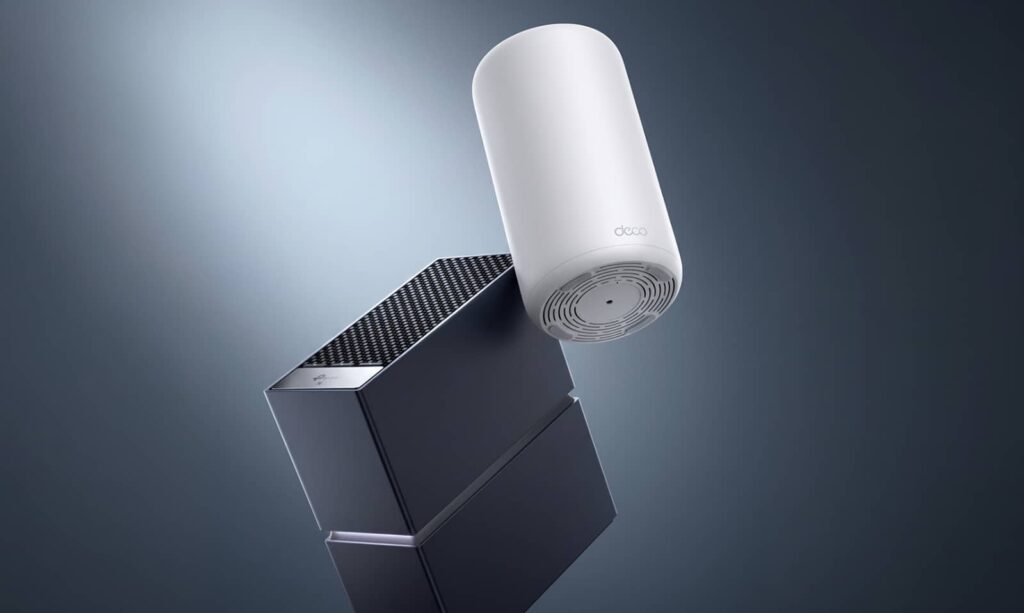
Right now, however, TP-Link appears to have the first routers supporting the technology, offering two models: the Deco 8 Ultra tri-band mesh Wi-Fi 8 router and the Archer 8 Ultra tri-band router.
The Archer 8 maxes out at 19Gbps using a BN19000 chipset, but only needs the one router and uses 18 internal antennas, while the Deco 8 Ultra is a BN22000 chipset offering a max of 22Gbps, but will likely work better around a home using several, part and parcel with how mesh creates an almost Venn diagram of wireless activity at home to max range better.
Both models are expected this year but won’t likely be cheap, given that WiFi 7’s first devices were several thousand dollars. However, they won’t be alone, with other Wi-Fi 8 devices ob the way next year, including the Roam 8 travel router and a more standard Deco 8 mesh system.