

If you’re an owner of one of the 23 million phones in Australia, the last Monday in July is going to be an interesting one, as the government runs a nationwide test.
It’ll sound like an alarm and alert, and if you have a phone, you won’t be able to stop it. It will just happen, and your device will simply be a part.
At 2PM Australian Eastern Standard Time across the country on Monday, July 27, the government will run a test, and every phone will get a sound and alert, even if they may not have credit on their phone.
A simulation of a government alert in a time of an emergency, the test will be just that — a test — and be the modern era’s edition of the test alerts that used to air on TV decades ago. But because the TV isn’t the device we all solely clamber around anymore, governments have had to come up with a different approach.
Back before our phones became the gadget of choice to consume content on, that screen in the home living room saw the most attention, and it was on all the time. If there was a test from the government, it would come in the form of a long beep on your TV, followed by words “this was just a test”.
In real life during a real emergency, the beep would be followed up with real instructions. You’ve probably seen it in films before, right before the fictional version of that story is hit with an asteroid or aliens are invading. You know the drill.
While the use in fiction is clearly that — fiction — governments still need a way to convey national emergencies with the population, and now that the TV isn’t the big deal it used to be, a new approach has to be considered.
A modern approach
To help make the emergency systems work in a time when the TV isn’t as important, governments have turned to the device that we all have and use every single day: our phones.
Whether you’re using an iPhone or an Android, every phone these days still uses some common aspects. Not everything works quite the same way, and you only need to glance at how Rich Communication Services differs between Apple and Google, or even see that Australia can be a little lagging in that department.
However, they’ve all been set up to work with cell broadcast technology, which uses mobile towers and connects to all mobile-capable devices regardless of whether they have a plan or not.
The new system is called AusAlert, and is effectively a replacement for that TV (and radio) system from before, originally started in the 70s and simply called the “Standard Emergency Warning Signal”.
The idea is everyone will get an alert, and you won’t need to be near a TV or a radio to make it happen. Your phone is already your gateway to the world, so it makes sense to open that gateway a little more.
TEST MESSAGE – AUSALERT
This is a TEST of AusAlert, Australia’s new emergency warning system.
NO ACTION IS REQUIRED.
In an actual emergency, follow the instructions in the alert to keep yourself and others safe.
This message is authorised by the Australian Government.
Will it be loud?
Possibly. It is an alert, and it is made to disrupt what you're doing so you look at your phone, so it very well likely be a little louder out of your speakers than you expect, and possibly out of your headphones, too.
A representative for the government at the National Emergency Management Agency (NEMA) told Pickr that "the AusAlert tone is designed to capture your attention quickly, even in noisy environments". However, the volume will depend on settings and alert type, and that Bluetooth speakers and headphones may also affect volume.
Will AusAlert interrupt calls?
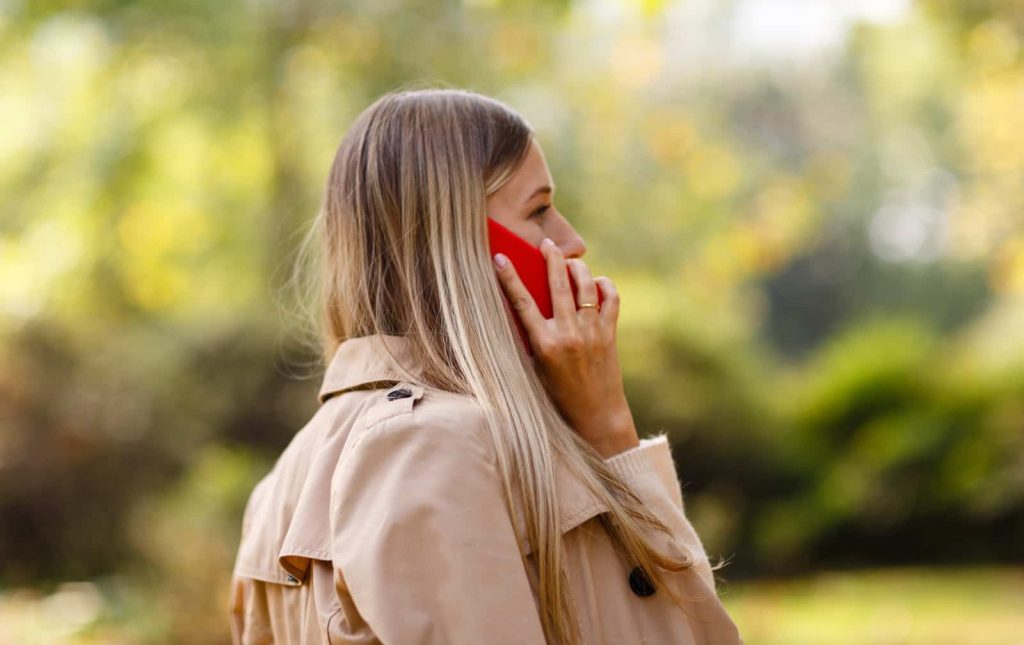
Interestingly, the AusAlert sound could end up being a bit of an issue for phone calls, with NEMA noting that even while on a call, "the alert tone is expected to sound through your phone's speaker and the alert message on your screen".
The call shouldn't be disconnected or interrupted, though the person on the other end might hear the alert, and depending on where they are in the world, they also might have their own.
It will only sound on mobile devices, though, so if you happen to be picking it up on a landline or voice-over-IP line, it won't trigger there. If you are in a phone call with the speakerphone switched on, however, the sound could be relayed back to the caller listening in.
Will the sound pause music?
But if you happen to be listening to your phone at the time, tuning into a radio show, chilling with some tunes, or engaging with a podcast, the AusAlert tone could very likely interrupt and pause whatever you're listening to at the time.
Wireless earphones, headphones, and speakers largely become the output device of a mobile when being used, and so they'll likely just play the alert sound after pausing whatever you were doing.
If you happened to be listening to a radio show, you can largely expect the announcer to comment on that, as well.
Will my watch play the sound? Will my tablet?
Our mobiles aren't the only device with a modem in them, though. You can find cellular connections in a variety of wearables, such as the Apple Watch, not to mention in tablets including iPad models. So will the alert run there?
Not entirely, NEMA says. Officially, AusAlert has been designed with mobile phones, and the notification may extend to some smartwatches and tablets. However, Apple iPad models aren't supported, and while some wearables may trigger, not all will.
"Devices must have compatible operating system settings enabled to allow the receiving and displaying of alerts. In some cases, alerts may still be received without an active SIM if the device is within range of a mobile network."
Spokesperson for NEMA
Can I opt-out?
Surprisingly, AusAlert isn't something you can actually opt out of. It'll come when it needs to happen (such as in the event of an emergency), and will trigger on its test date and time of July 27 at 2PM AEST (Sydney and Melbourne time).
If you don't want to hear it, you really only have two options: go on airplane mode, or turn your phone off.
Airplane mode essentially disables your mobile and cellular capabilities, and is basically the same as turning your phone off, turning it into a media system only. You won't be able to make or receive calls, or even get texts, and so AusAlert won't be able to send a message if you do either. But the potential upside is you also won't be able to receive that alert sound.
The problem is it's also unrealistic. You'd likely need to keep your phone off or stuck to airplane mode for an hour or so, giving yourself a minute or two beforehand, and then switching everything back after.
It may just be easier to keep everything on, and deal with the alert, which you can stop by pressing a button and swiping it away.
You can turn it off (kind of)
When the old Standard Emergency Warning Signal (SEWS) would fire, you'd simply have to stick with it, waiting until the sound finished. Movies and TV shows would pause, life would stop, and everyone would turn to the sound.
"This was only a test", someone would usually say after it, and then everything would go back to normal. You were free to live your life.
With AusAlert, you'll likely be able to move on even faster, pressing a button and swiping the notification away. This won't be an hour or even a minute of an annoying shrill alert sound. Had this been a real emergency, it would be paired with instructions.
Rather, AusAlert will sound, get your attention, and you'll be able to move on with your life.