
Bushfire season has unfortunately started a little earlier, and emergency responders have found their way to an island part of Tasmania, as Flinders Island becomes the scene of the country’s first bushfire to end the year.
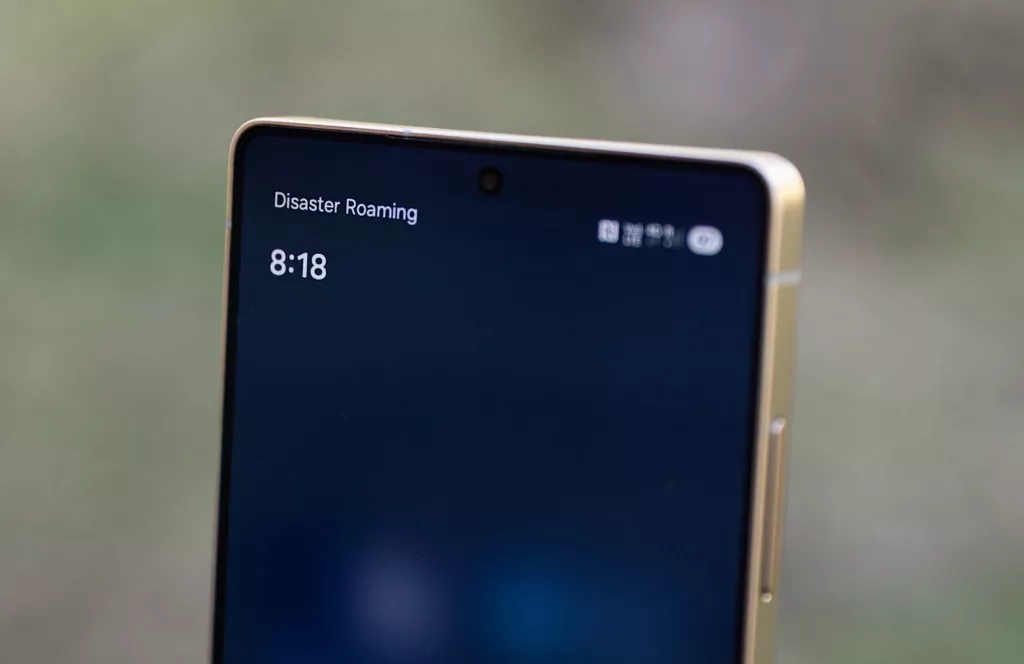
It’s a situation that has seen Telstra turn on a concept that we first heard about earlier this year: Temporary Disaster Roaming (TDR) is now live. The powering on of TDR allows mobile users on different carriers to use one that’s working in order to call, to text, and to generally make sure they stay in contact, with basic data also provided.
Over on Flinders Island, Telstra is the only carrier that supports this part of Australia. But when emergency services and volunteers from elsewhere are making their way there, it means their phones and services could be impacted greatly.
An emergency services person who uses an Optus or Vodafone connection where they normally live would have zero service on Flinders normally, making communication impossible.
As such, Telstra has flipped the switch on Temporary Disaster Roaming to share mobile access where the Optus and TPG/Vodafone networks don’t reach for this neck of the woods.
This is largely what TDR was meant for: in areas where natural disasters have seen services affected, telcos have the ability to let customers of another telco “roam” to their network, sharing access in specific areas. If Telstra’s towers go down but an Optus set is fine, TDR could allow Telstra customers to roam to another network, maintaining their plan, but being served by a different carrier and set of towers.
Over on Flinders Island, the same is happening to keep people connected, only that Telstra is the only mobile provider on the island. The technology has technically been running since Wednesday and found around 150 devices connected, with hundreds of calls and SMS made from those devices.
It’s a grave difference between connection and no connection, and exactly what the addition of TDR was meant to do: support people when they needed it most.
“Supporting communities and keeping people connected when disaster strikes is why we invest in resilience across our network,” said Ashley Hunter, Wireless Executive at Telstra.
“Our network has held up well through the emergency, allowing us to safely switch on TDR and open it to even more people. Seeing people connect through TDR in a real emergency shows the difference this capability can make when it matters most,” he said.
“At the same time, our teams are working around the clock to respond to power outages across the island, deploying generators and batteries where needed to help keep the network operating.”
While everyone using Telstra on Flinders without a Telstra plan is technically a temporary Telstra customer, one thing those temporary Telstra customers won’t get is satellite support, a feature reserved for regular Telstra customers and only those on the telco.
A connection is clearly better than no connection, however, which means the brave emergency services crew and anyone else making their way to Flinders Island are at least going to have some way of staying connected until the fire is quelled.