
It’s October and outside is getting hot. September was bad enough, but if you can’t shake the vibe that this will be a hot summer, you probably aren’t wrong.
The risk of fires is growing, a type of disaster that can hit hard, not only risking lives and displacing, but making it difficult for people in these situations to stay in contact, to get in touch with the people that matter, because mobile communications can also be problematic during these times.
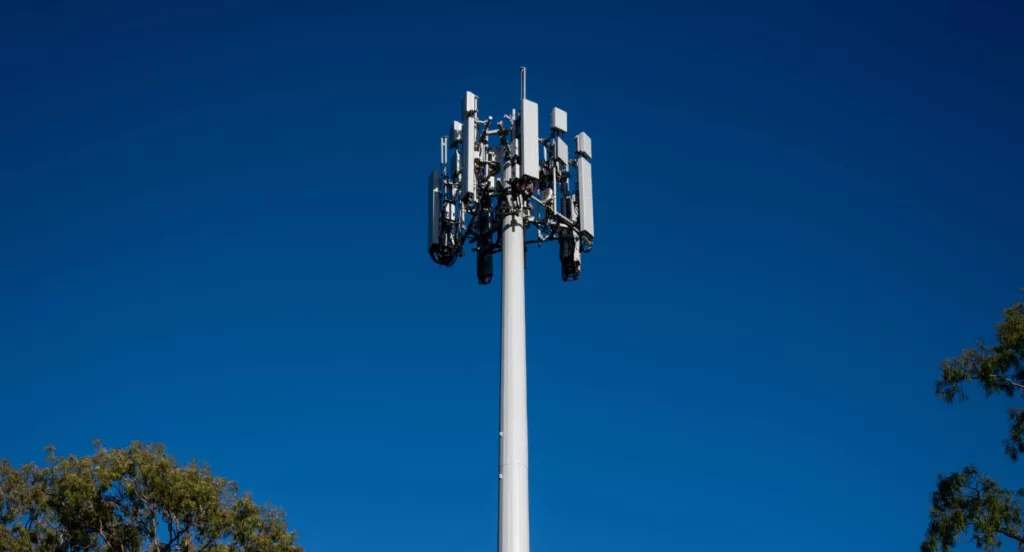
Mobile connections lean on hardware, and hardware can go down. Whether from bushfire or other disasters, such as cyclones and flooding, Australia is at risk from severe disasters that can take down your connection to the outside world.
There are three major telcos and a bunch of smaller ones using the networks of each of the three, but that doesn’t mean you’re guaranteed a connection to any of mobile carrier. If one goes down in your area, you have previously been stuck where you were, waiting to make your way to a place where the connection works again.
However, that looks set to change.
All three major operators — Optus, Telstra, and TPG — have announced the trio will work together by making “Temporary Disaster Roaming” or “TDR” work in Australia when it’s needed.
Much like how the Avengers are activated in Marvel superhero comics and movies when the planet is threatened, so too will be Temporary Disaster Roaming, which will allow mobile users of one affected telco to jump to another.
The area that TDR runs on will be specific, and isn’t designed for use in cities and metropolitan areas, with Telstra noting that it’s intended for use in rural and regional locations across the country.
It may also not work when there’s a power outage, or when the damage has taken out every other set of towers. It needs one set of towers to work, so while TDR is an in-case-of-emergency technology, it still needs access to another network to work in the first place. It can’t work when everything is broken.
And it also might not work on older devices, with mobiles before 2022 potentially not being supported. The connection technology needed is VoLTE, also known as voice-over-LTE, nor will it work on devices that aren’t phones, with EFTPOS terminals and medical alarms not working, either. In the case of a natural disaster, these devices might be the farthest from your mind, but it’s worth noting all the same.
Outside of these caveats, however, the technology will allow mobile carriers from one network to temporarily roam to another. That means if Optus and Optus MVNO users such as those on Amaysim or Coles lose connection in a region during a bushfire, and Telstra and TPG still have a mobile network, Temporary Disaster Roaming can activate and allow those displaced mobile customers to use another network.
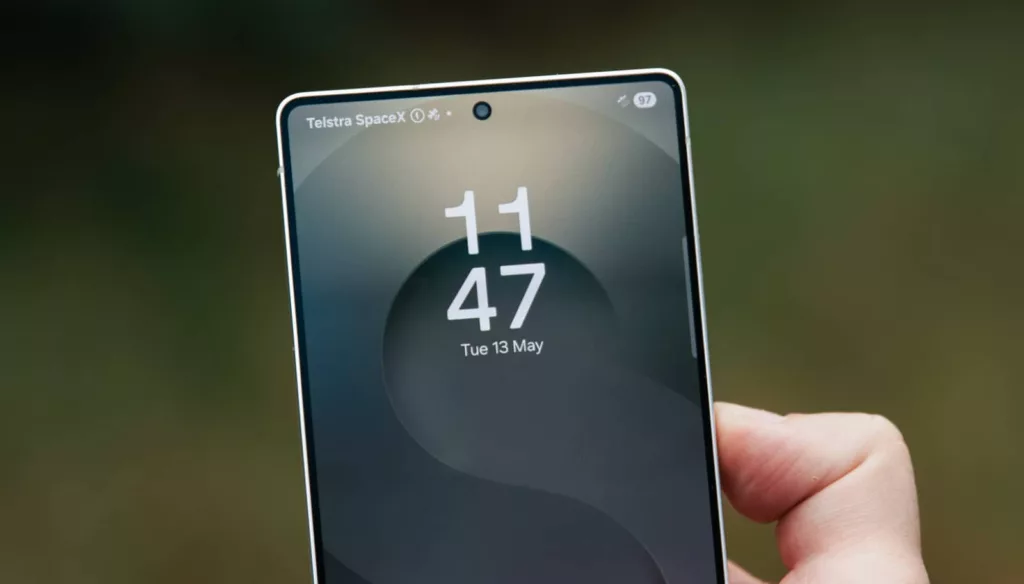
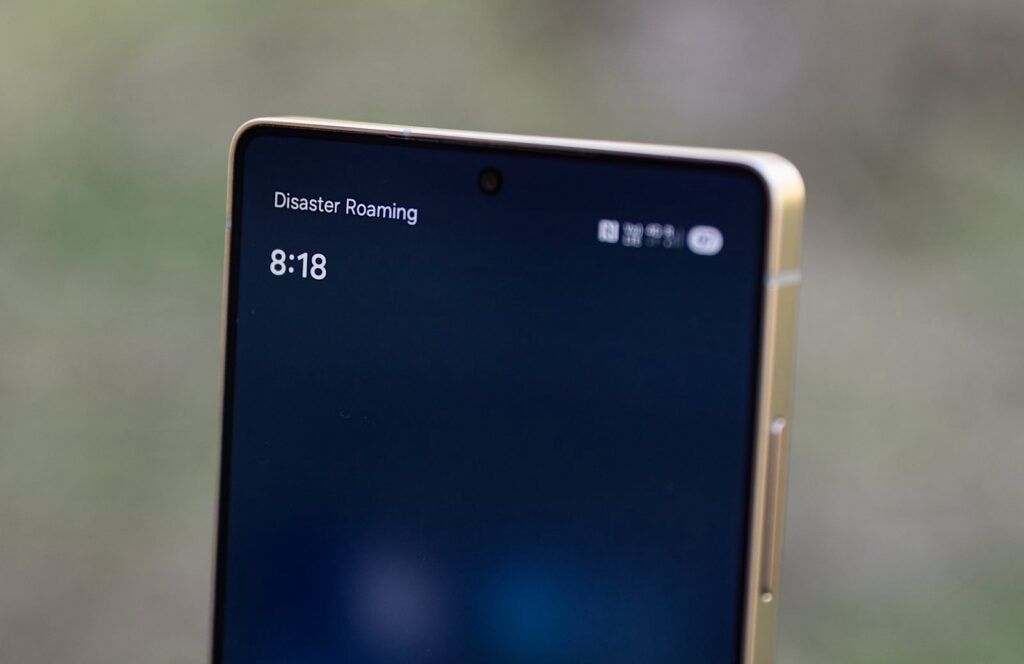
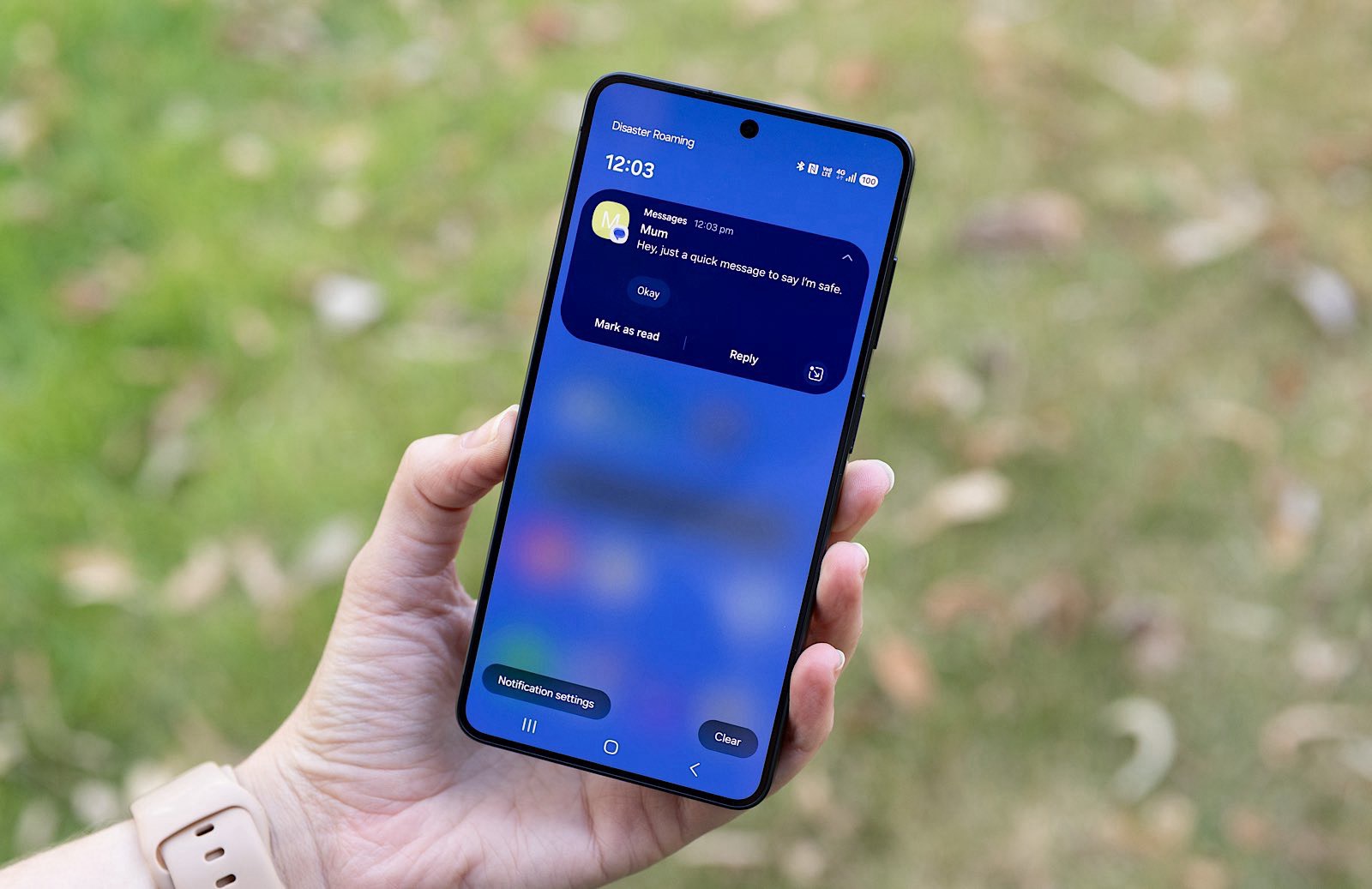
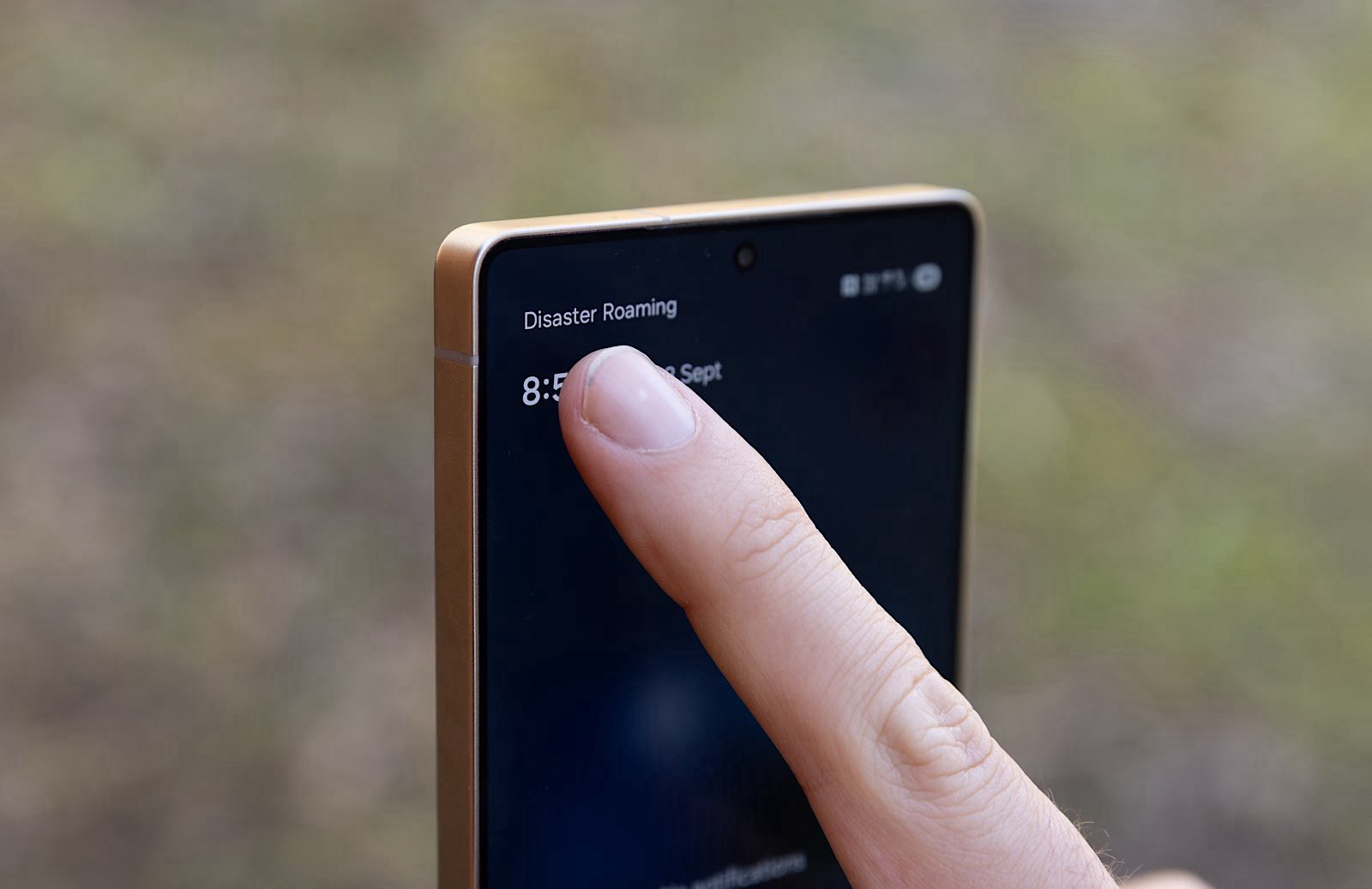
You’ll know when it works because the carrier connection on your phone will say “Disaster Roaming” as opposed to your regular carrier, or may even shift to a different network you don’t subscribe to. That’s your sign that it’s working, and that calls and texts can now work.
According to Telstra, TDR activations will likely only run for 24 hours at a time, so this won’t be a replacement for getting the carrier back online. However, it also won’t affect triple zero calling, which is designed to work with every phone regardless of SIM access and provided there’s a working tower in the area, any working tower.
Depending on the situation, TDR could just save lives, and depending on the phone, there’s a possibility that Telstra’s satellite communications could also greatly assist. While most mobiles don’t have access to that, and TDR wouldn’t likely open up satellite communications in the short term for displaced Optus and TPG customers, it does mean Australians have a little more security regarding mobile connections in future disaster seasons.