

In this day and age, it’s not terribly surprising to find out that everything costs more, from a simple cup of coffee to filling up your car at the local servo. That last one might feel better if you consider jumping to an electric vehicle, but either way, prices are going up.
The same is true when it comes to your phone, not just because the price of components are going up, but also the service.
We’re used to seeing yearly price rises, often alongside a change in the Consumer Price Index (CPI), and Telstra is ready with a price rise of its own.
From May 5, Telstra will see the prices of most post-paid plans rise by $4, while pre-paid plans will go up by around $5 per month, something the telco says will some with increased data allowances on the latter, though hasn’t made the same comments on the former. Telstra’s $99 “Premium” 300GB phone plan is the only one to stay the same, but even the Telstra One number used for eSIM goes up $3, from five bucks to now eight.
The lowest plan for Telstra on postpaid starts at $55 for 5GB monthly, up from $50 previously, while the postpaid mobile broadband increases between $2 and $45 dependent on the size, and the lowest 28 days prepaid mobile service is now $44 for 20GB compared to $39 for 15GB previously.
While Telstra has said it will also have new options for people struggling with affordability or with basic mobile needs — including a 10 percent discount for concession card holders — it also told Pickr that mobile virtual network operators (MVNOs) wouldn’t be affected by the price changes.
And that means if you use Belong or Boost or Mate or Woolworths or any of the other Telstra-based smaller operators with a little less of the full network (though Boost has a lot of it), you won’t see the same price rises. Rather, a representative for Telstra confirmed it as “there is no impact as they [the MVNOs] set their own pricing”.
“The way Australians use our mobile network is changing rapidly, with people increasingly needing mobile connectivity for everyday life, including prioritising a fast, reliable and secure mobile service. To keep pace with this demand, we need to continue investing in the performance, reliability and security of our network,” said a spokesperson for Telstra.
“Price changes help us maintain and improve this infrastructure to deliver better customer experiences while also allowing us to introduce new support measures, like the Access plan and expanded concession discounts. Most importantly, recently released inflation data demonstrates the communications sector has delivered increased services and falling prices for consumers (in real terms) over the past decade.”
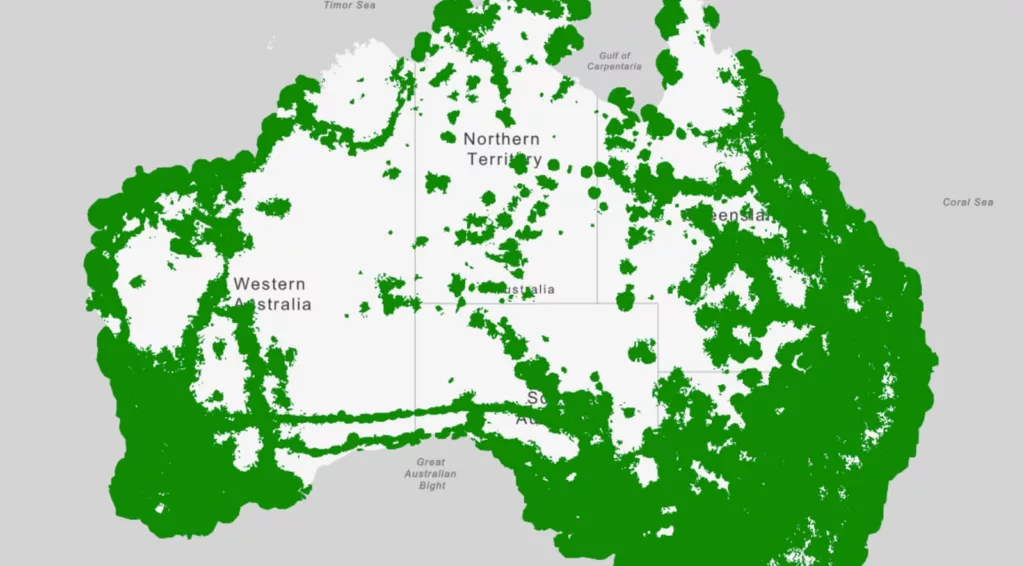
While we’re not entirely sure if that last statement holds water, particularly given Telstra typically raises the cost every year, Telstra does technically have the largest mobile footprint in Australia. Of course, that could change with ACMA’s plan for more realistic coverage maps in the coming months.
However, if coverage and range are your most critical points, it might be worth weathering the storm and dealing with the price rises. Alternatively, you can always compare your options and find a better deal, because while Telstra’s prices are rising, it’s not yet known if every other telco will follow suit.