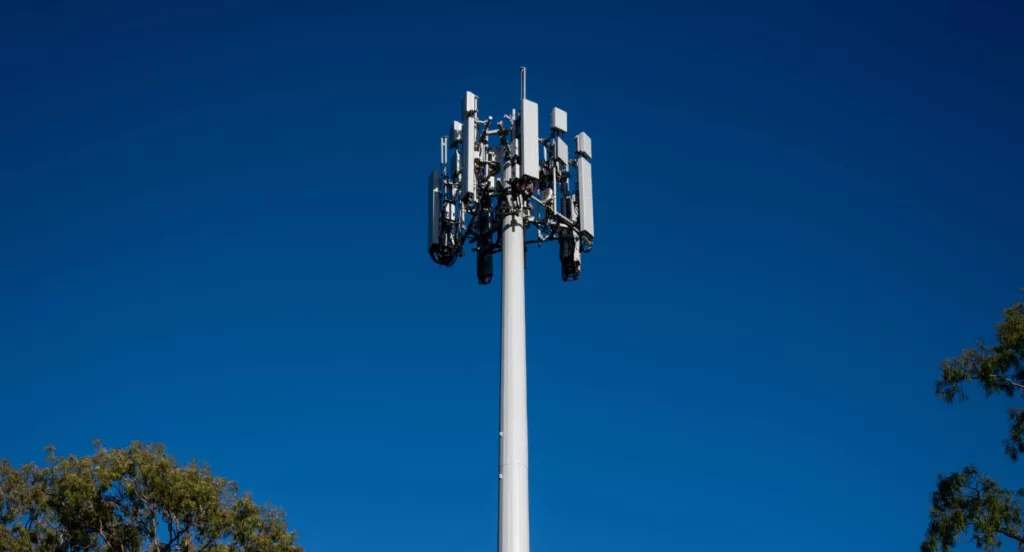

If you’ve ever wondered exactly what a mobile network needs to get better reception, the answer is clear: more towers. More towers, better range, more capable phone handsets, and generally better systems for customers.
The problem is that mobile towers are expensive and take time to commission and build. Sometimes you might find your town gets a little lucky with new antennas in a nearby place, effectively giving mobile reach and reception a shot in the arm. But when it comes to long distance reach, towers are the answer, and one that doesn’t always arrive.
However, there might be an answer from an unlikely assistant in the form of Transgrid.
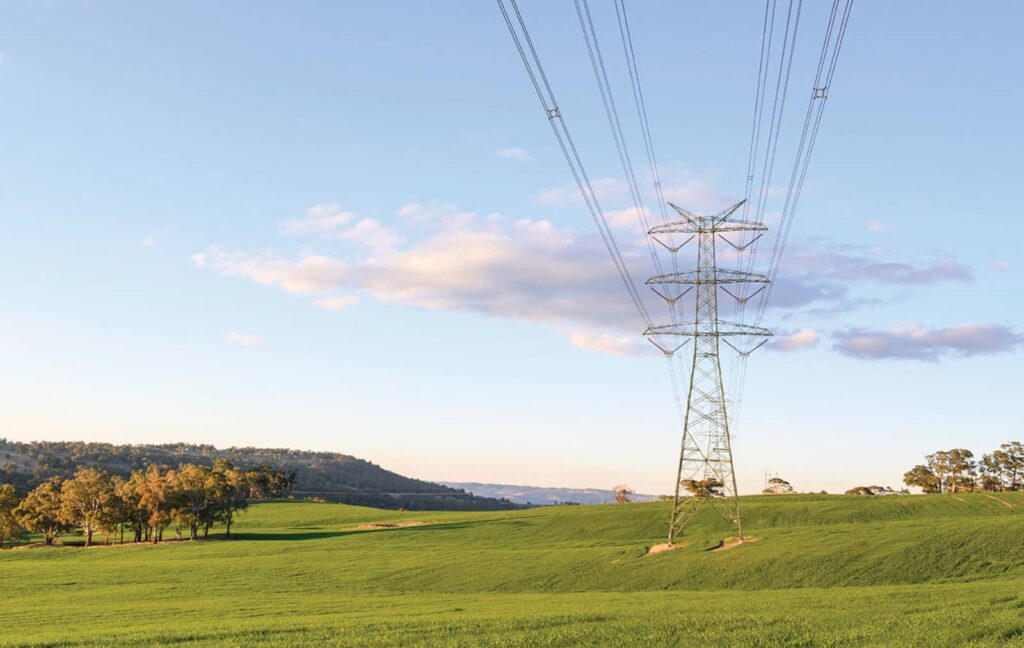
One of the country’s electrical providers covering NSW and the ACT, Transgrid has this week chimed in with the news that it will be rolling out mobile boosters to its transmission towers in an effort to fix black spots in regional New South Wales.
The idea is to use the towers provided by the electrical network covering 11,500 kilometres for something else, adding mobile boosting technology to improve mobile coverage in places where the telco towers don’t exist, and where tower rollout hasn’t actually occurred.
Jargon aside, it means that electrical towers are going to support boosts in mobile reception across parts of NSW, and to a degree down in Canberra, as well. The technology basically sees TransGrid working with another energy provider Lumea to add mobile boosters to the HumeLink transmission towers, which should provide boosts to the mobile range for some customers.
The boosts won’t be substantial, but will be better than zero coverage, filling in gaps with speeds covering around 30Mbps, at least in testing. That’s enough for some light internet use, and for many, will be better than the minimal to no coverage they may already have.

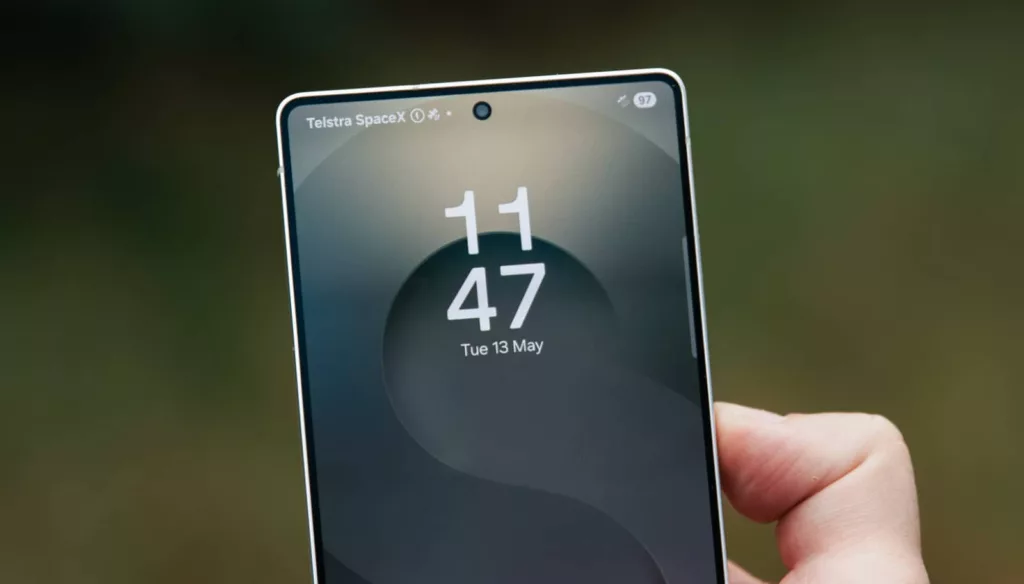
Technically, the range will boost Telstra specifically, with Transgrid telling Pickr that it’s primarily being used by Australians living in regional Australia, however it should also affect smaller operators using Telstra, such as Boost, Belong, Mate, Woolies, and others.
“Transmission towers already provide the height, power supply and geographic reach needed to support telecommunications equipment,” said Jeremy Roberts, Project Director for HumeLink at Transgrid.
“By integrating mobile boosters with electricity infrastructure, we’re demonstrating how the energy transition can also help improve digital connectivity for rural and regional communities,” he said.
“For some residents and businesses, this will mean having dependable coverage for the first time – allowing them to make calls, send messages and access online services without relying on patchy or inconsistent reception.”
Initially, the rollout will see boosters rolled out to places that are known black-spots, while also being based on community feedback. Up to ten will be rolled out across five areas, with a stretch of 365km essentially capturing mobile signals from up to 20 kilometres away and spreading it within a 3km radius.
That could take some time to roll out, but it does at least mean that improvement for some rural and regional customers could be on the way, covering Cootamundra-Gundagai, Wagga Wagga, and Yass Valley, with boosters already installed in parts of the Upper Lachlan Shire and Snowy Valleys Council already.
The addition comes at a time when Telstra could see it showing less reception on a map due to changes in ACMA’s rules for how mobile maps are displayed, and could end up boosting what customers get for reception.
As to whether other states could get the rollout, Transgrid confirmed that it wouldn’t be involved in a roll out in places outside of NSW or ACT, but did say the initiative could be replicated by other providers in other states. So all that needs to happen is for people to nudge repeatedly, and hope they get started.