
Taking your entertainment to go is one of the more clever creature comforts we all have, but it’s usually just the same screen that’s your phone, or the same screen that’s your tablet, or even the same screen that you use for your laptop. It might even be a portable gaming system like the Switch or Valve’s Steam Deck.
They’re all portable and all a way of having consumable entertainment to go. But they’re not the only ways to do it.
Screens are certainly one way, but for folks looking to become a part of their education, there’s also virtual reality, augmented reality, and mixed reality. These modes are more or less what their concepts suggest: a recreation of reality from a digital world.
Augmented reality has you look through a digital lens and places things on the top, while virtual reality is being absorbed simply inside the digital world. And mixed reality can feel like augmented reality 2.0, giving you more of the augmented stuff, but in a way where the world you connect to feels virtual.
It’s a concept that has always had fans, and in the past decade has seen technology progress to the point where VR and mixed reality headsets have become more interesting once again.
Yet in the past few years, entertainment specifically made for VR and mixed reality has kind of dropped off.
During Covid, the concept almost felt like it had grown new legs, possibly because we were all eager to go outside and yet told we couldn’t, so VR made sense. With the world having moved on from that time, VR may not have quite the power it once did. It certainly doesn’t see a heap of new titles.
It’s in this world where Valve now finds itself.
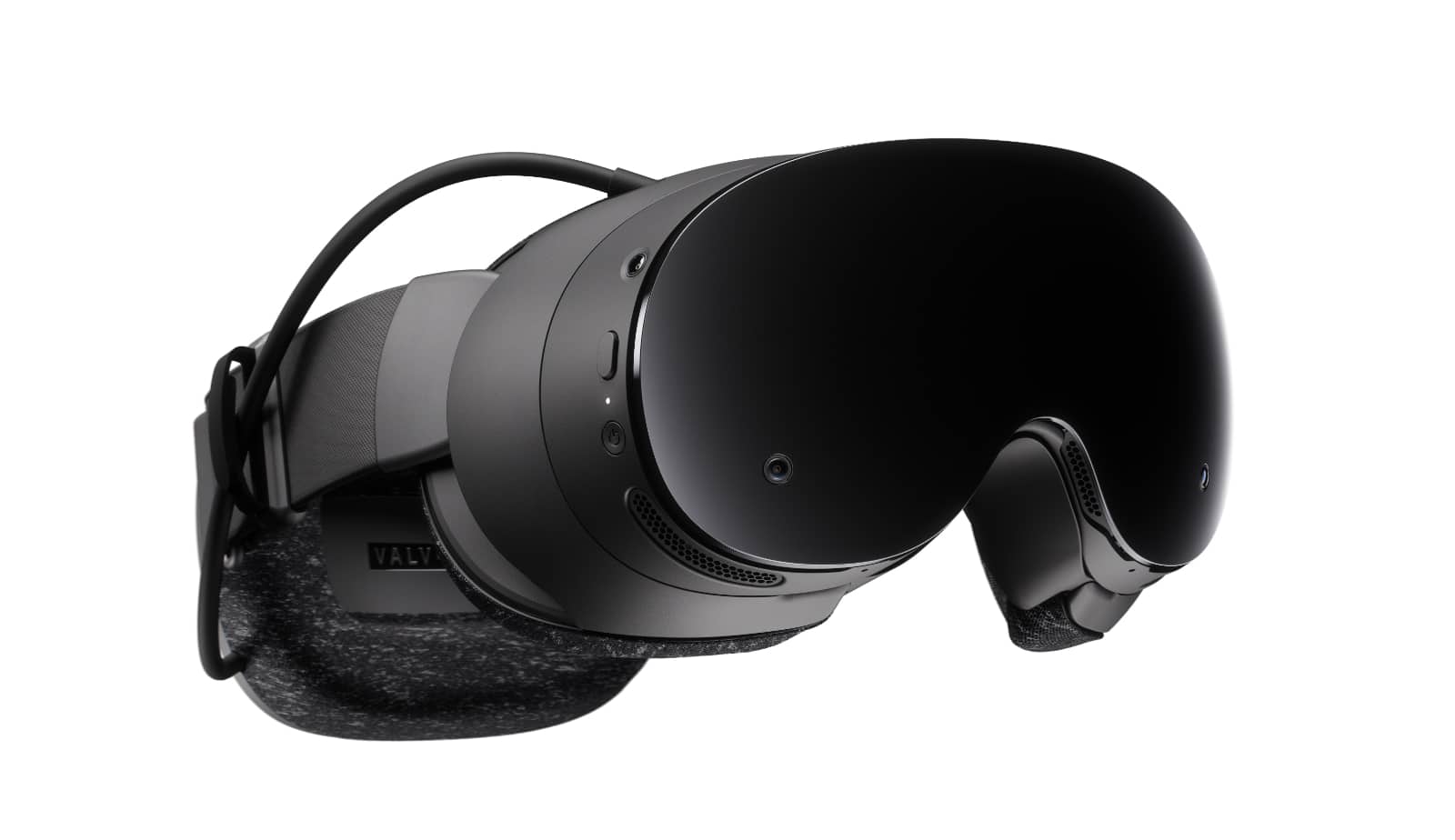
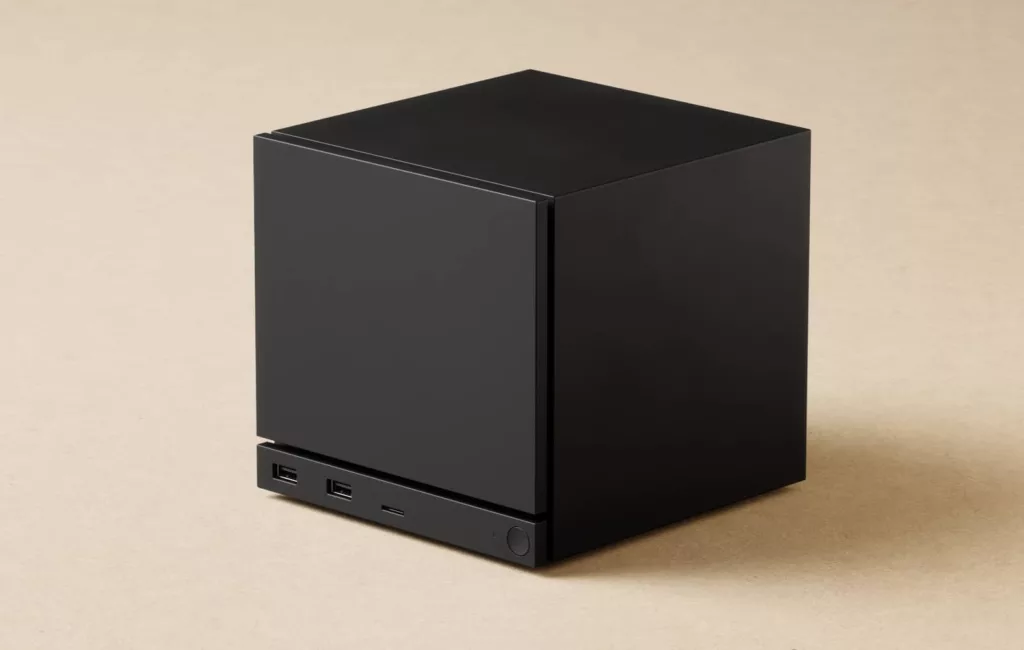
Mere months after the lottery launch of its Steam Machine, a TV room-focused version of the Steam Deck where you had to enter a reservation lottery just to get one, the company now looks set to offer the VR headset system it announced alongside the Steam Machine last year.
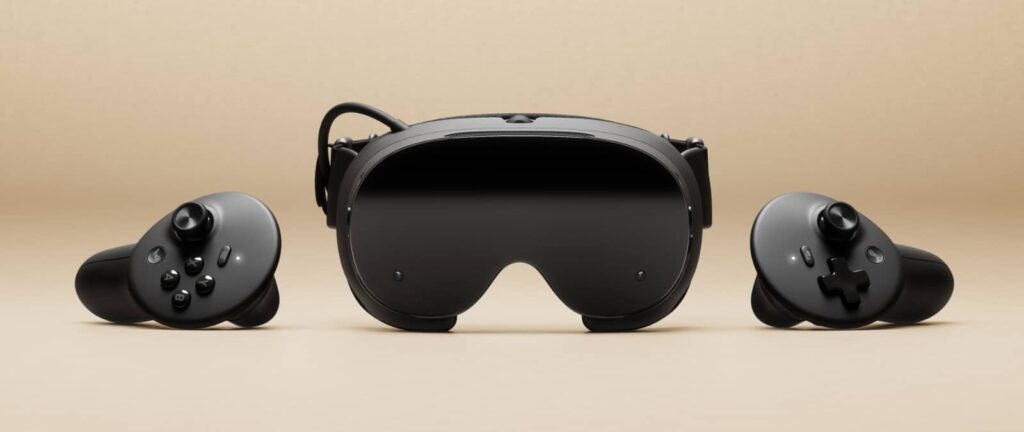
The Steam Frame, as it’s called, is a VR system with Qualcomm’s Snapdragon 8 at the heart, making it a more portable take on VR if it ever existed. It’s not unlike the Meta Quest models in that you can take it with you, but runs SteamOS like the Steam Deck, so you can play Steam games on it.
That’ll be handy given Steam probably has the lion’s share of VR titles on its platform, and it also arrives with the VR-only title Half-Life: Alyx, which might be the closest we’ll ever get to Half-Life 3. That said, the title isn’t new and arrived with Valve’s last VR headset, the Valve Index, with this model mainly being different because it’s mobile.
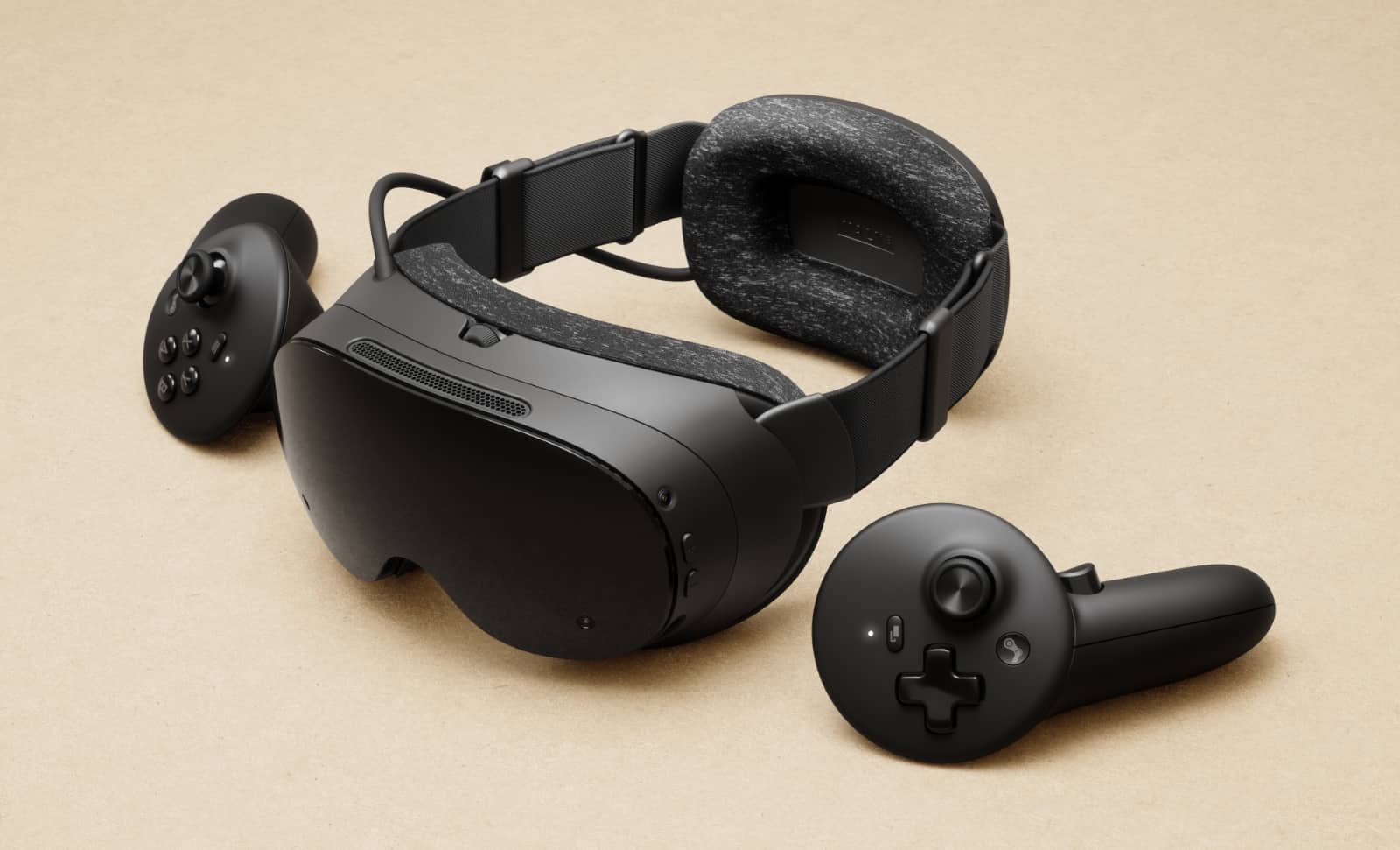
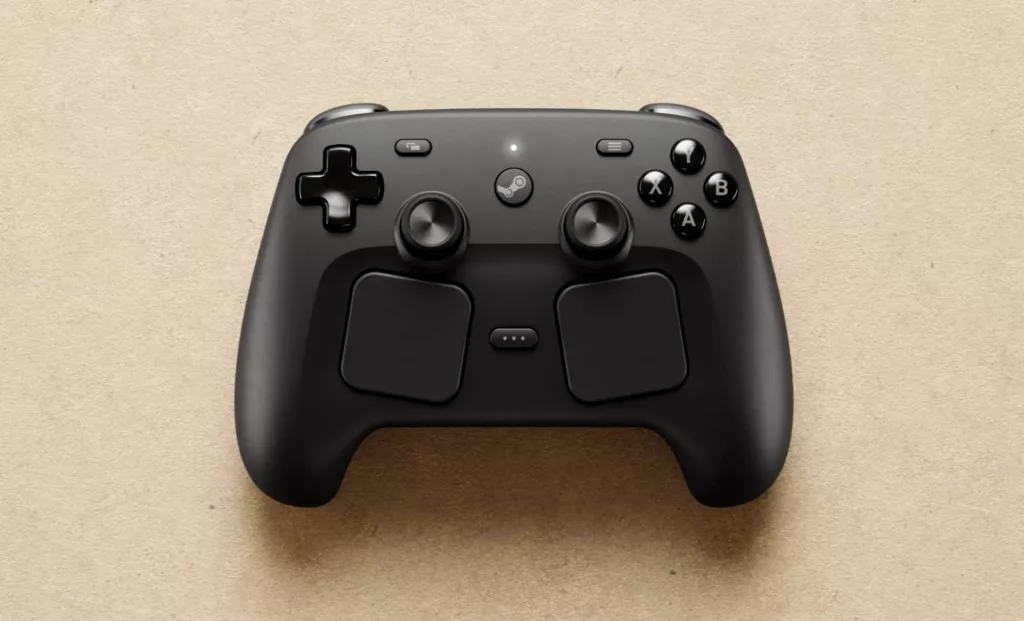
The Steam Frame will come with controllers supporting both VR and non-VR gameplay, dependent on the game, and support a WiFi adapter no less.
But it will cost you a pretty penny to play, with the Steam Frame starting from $1609 for a 256GB variant, and a near-$2K price of $1969 for the 1TB edition.
No doubt, that’s a lot of money for a VR headset to go, and one that will like its Steam Machine sibling also need to see you put in a reservation lottery queue. As to whether that means anyone can just get one, that remains to be seen, but it does seem to suggest that it’s not just a bunch of new iPhones that will be making their way out this week.