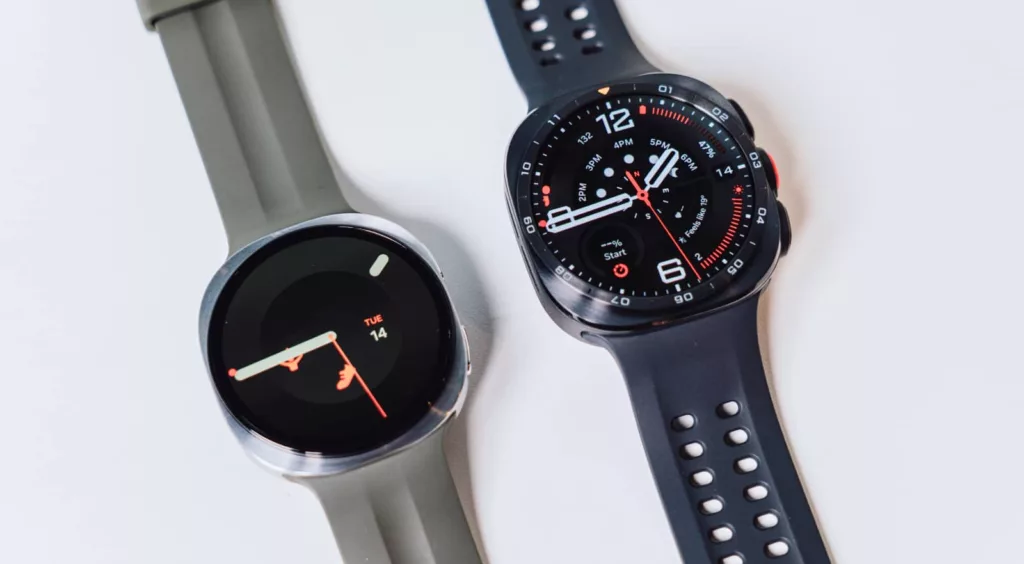

Keeping tabs on your health is something technology has assisted with for a while, thanks in part to all those sensors in wearables. You can find them in the smartwatch and the smartband, and you might even find a sensor helping you to track things in an earphone or two, as well.
But not everyone likes what the smartwatch or smartband offers, and they mightn’t use some heart-rate tracking earbuds when they work out.
In fact, if you rely on something a little more old school, tracking your health might be left to another approach: the ring.
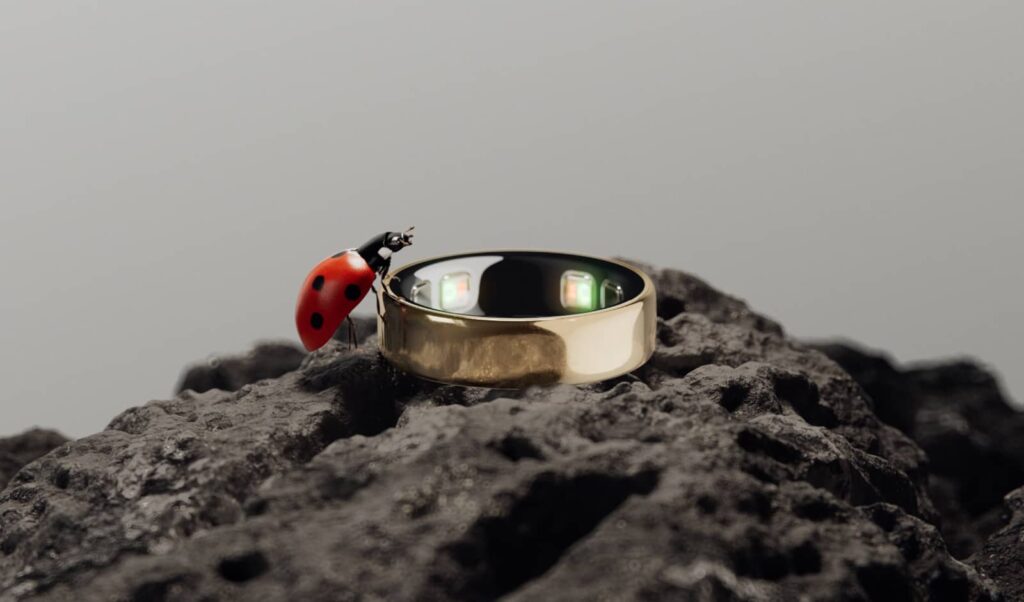
Smart rings have been growing gradually, even seeing Samsung enter the ring, so to speak (pun very intended). There’s been no movement on the Samsung Galaxy Ring for a couple of years now, but Oura, its main competitor, is sizing up the competition for a decidedly slimmer style of accessory.
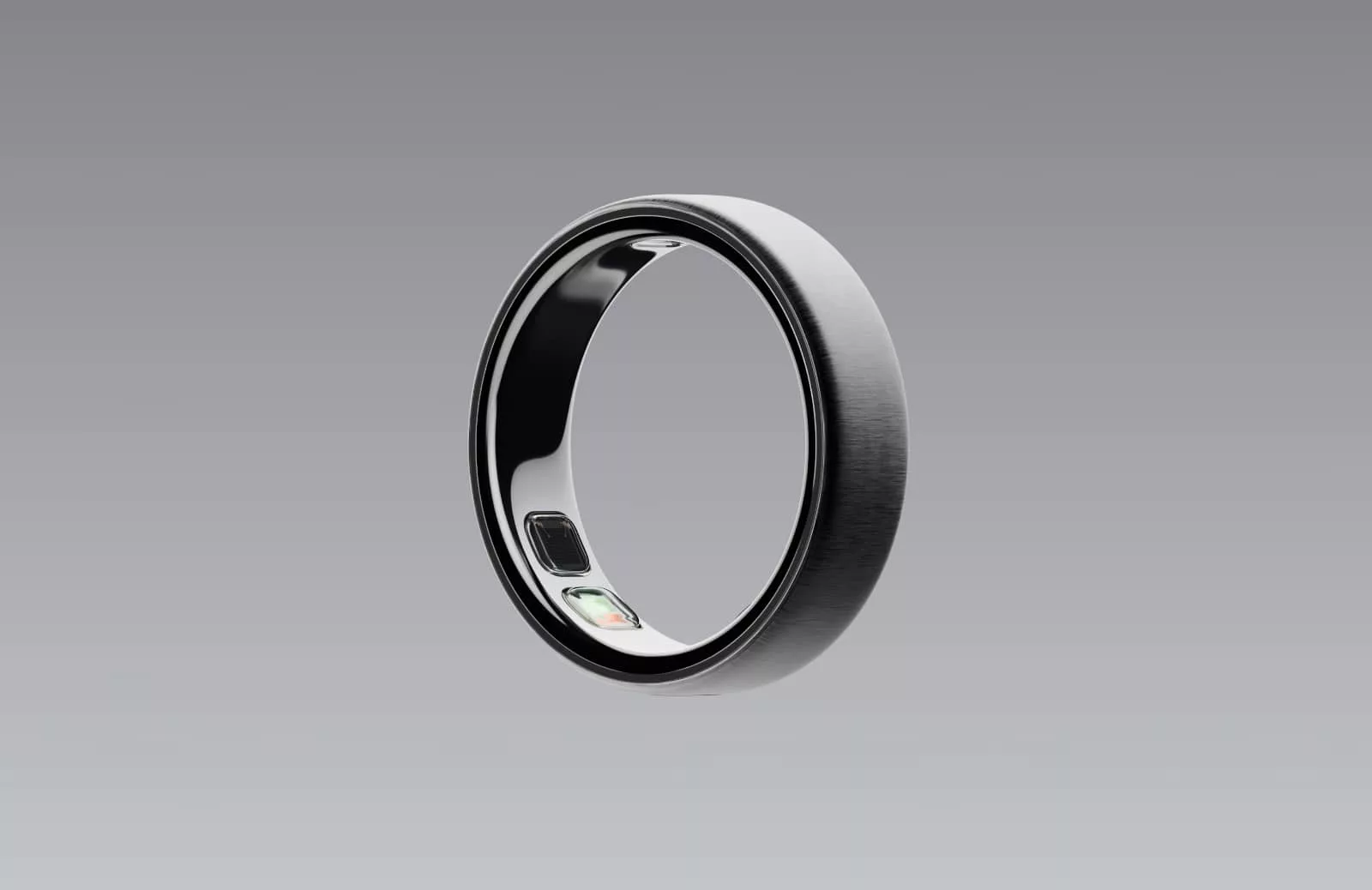
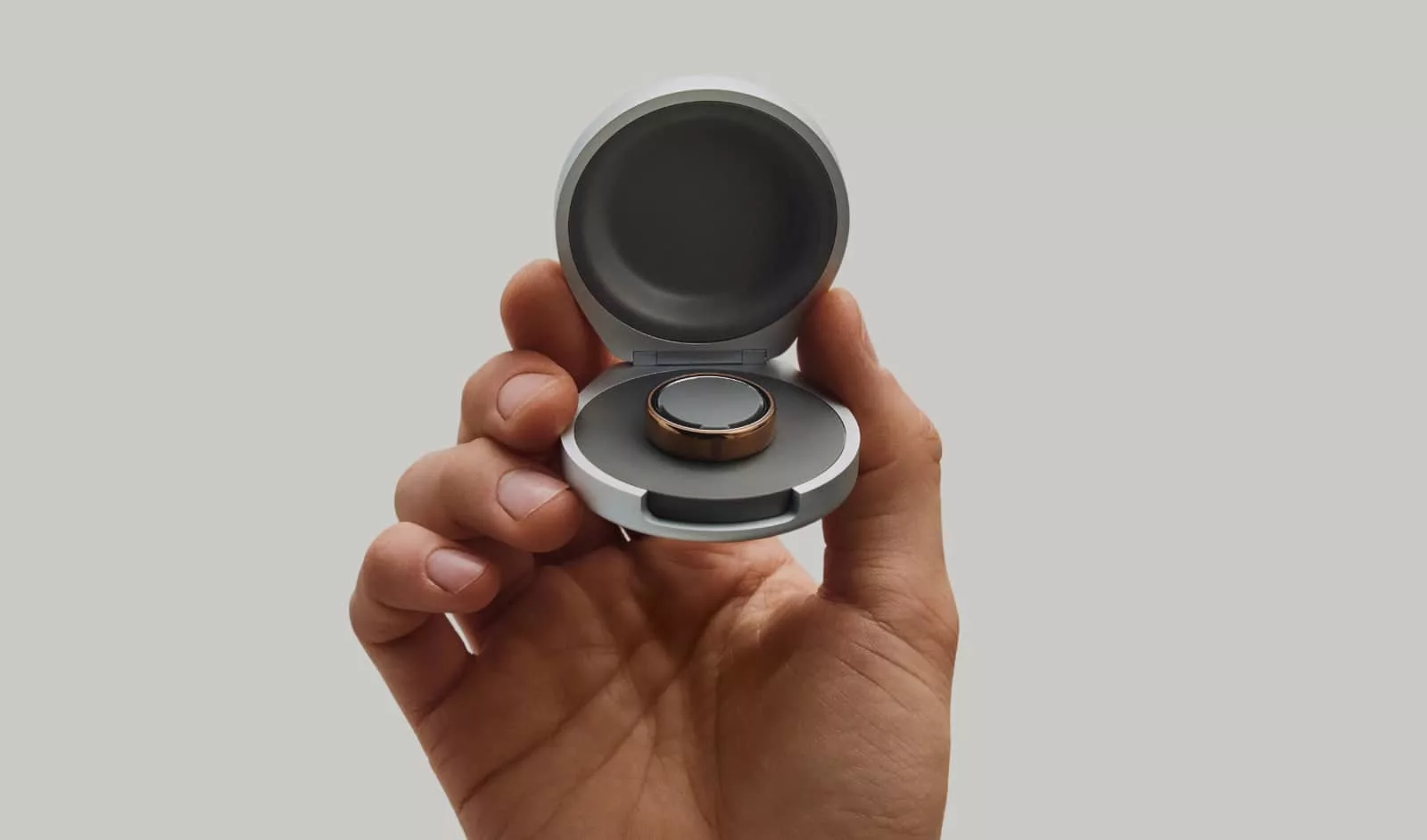
This week, Oura announced the Ring 5, a new generation of the wearable that’s made from non-allergenic titanium, giving it strength and a light weight, and upgrading the tech inside while reducing the size.
The Oura Ring 5 is now 40 percent smaller than its predecessor, giving it the title of the world’s smallest smart ring, and basically making it thinner and lighter. Because of this, the sensors inside now have better skin contact, using optical tracking, and now adding live activity tracking, as well.
For people who work out, run, cycle, or do strength training, the Oura Ring 5 monitors activities and shows information in real time, and that’s not all the hardware does.
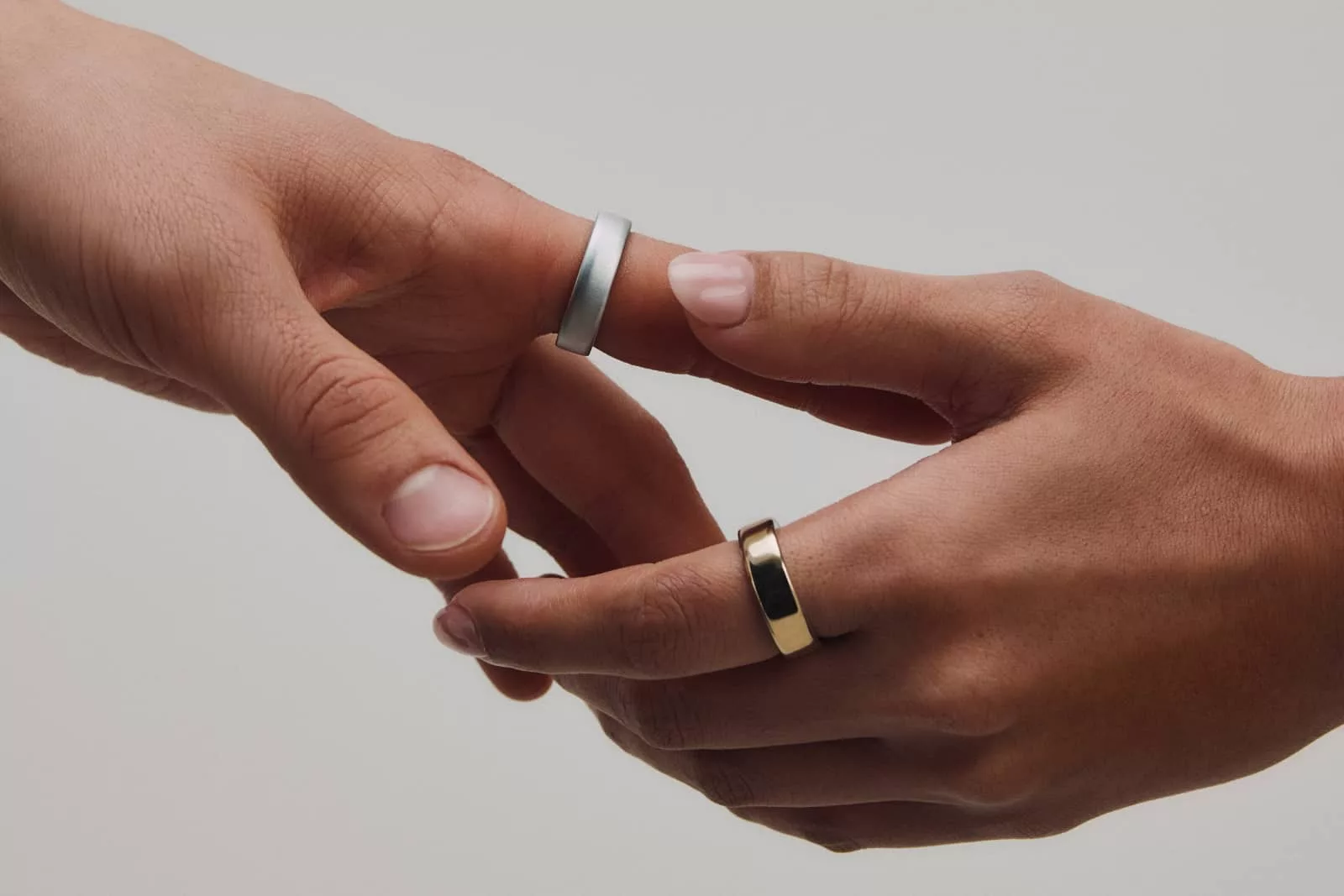
There are updates for women’s health using the ring, including insights that lean into menopause using an approach designed by Oura. Similarly, the new ring will deliver hormonal birth control information to its Cycle Insights feature, connecting data from menstrual cycles with pills, patches, implants, and other birth control methods.
Oura is also adding support for lab and blood work, but not directly for the ring. It’s not going to sample your blood. However, if you want to upload blood work results to the Oura app, you’ll be able to do that to connect the dots between Oura biometric data and your own lab data.
Worth noting, however, is that these features — women’s health and blood work — won’t need the new Ring. Previous models from the Ring 3 and higher can access them when they switch on, with lab uploads working in English from June 30, activity tracking from June 4, and women’s health insights immediately.
For new customers, however, the catch is that most of this data isn’t reliant on just a smart piece of smart ring hardware, but also a membership, priced at $9.99 per month or $109.99 per year.
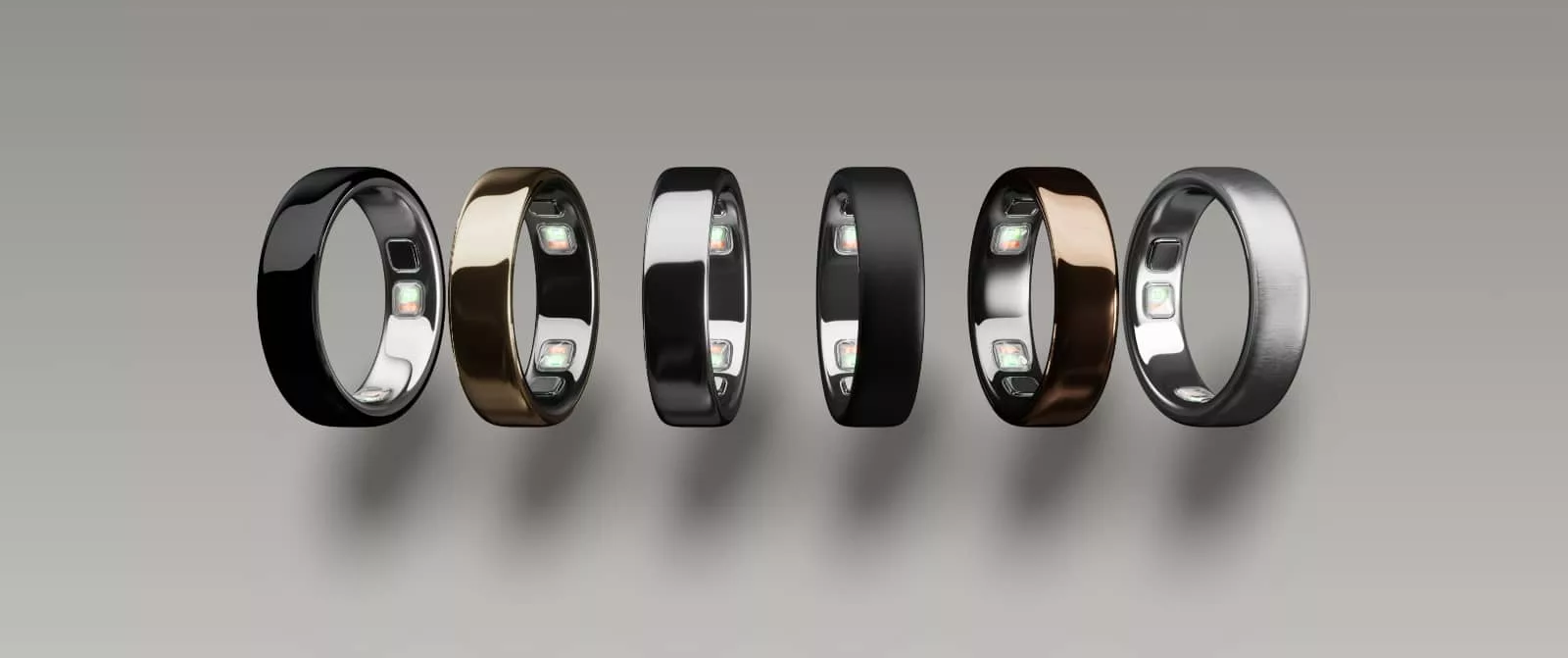
Depending on how much you value the data, it might be a small price to pay, though the Ring 5 is also a cost on top of that, starting from $649 in base finishes of silver and black and $799 in premium finishes of gold, stealth, brushed silver, and deep rose.
The size might be a little smaller in Ring 5 versus Ring 4 due to that change in thickness, so everyone considering one is suggested to use a sizing kit.
Australians can expect to find the Oura Ring 5 online and in stores from June 4, launching locally in JB HiFi, Harvey Norman, and other retailers. New Zealanders will see the ring from $799 in the base finishes to $999 in the more premium ones, launched at JB HiFi and Noel Leeming from June 5, as well.