
An evolution to the standard and classic Lego brick, a tech-filled smart brick means an interactive brick that responds to how you (or your kids) play.
Every year at CES, you can typically expect a few things. You can expect new TVs and projectors, and new fridges and smart gear for the home. You can even expect to find a robot or two making their way around the place.
What we don’t typically expect is something from Lego, which has had only the occasional dalliance with technology over the years.
There was the early days of STEM with Mindstorms before that was largely discontinued, and there was even the app-connected AR concept Vidiyo a few years ago, as well. Lego currently has a range of complex Technic sets with motors that can connect to apps for control, making them build-your-own remote control cars of sorts.
While all of these bring an element of tech savvy to the world of toys, they perhaps do the best thing Lego is known for: retaining the imagination kids and adults have when they build whatever they want. That could be why making Lego more interactive is so difficult.
The nature of Lego’s “build anything” play is just so exciting, and difficult to improve upon.
This year at CES, however, Lego is giving that a solid go, complete with its first CES conference. This year, Lego is introducing the “smart brick”.
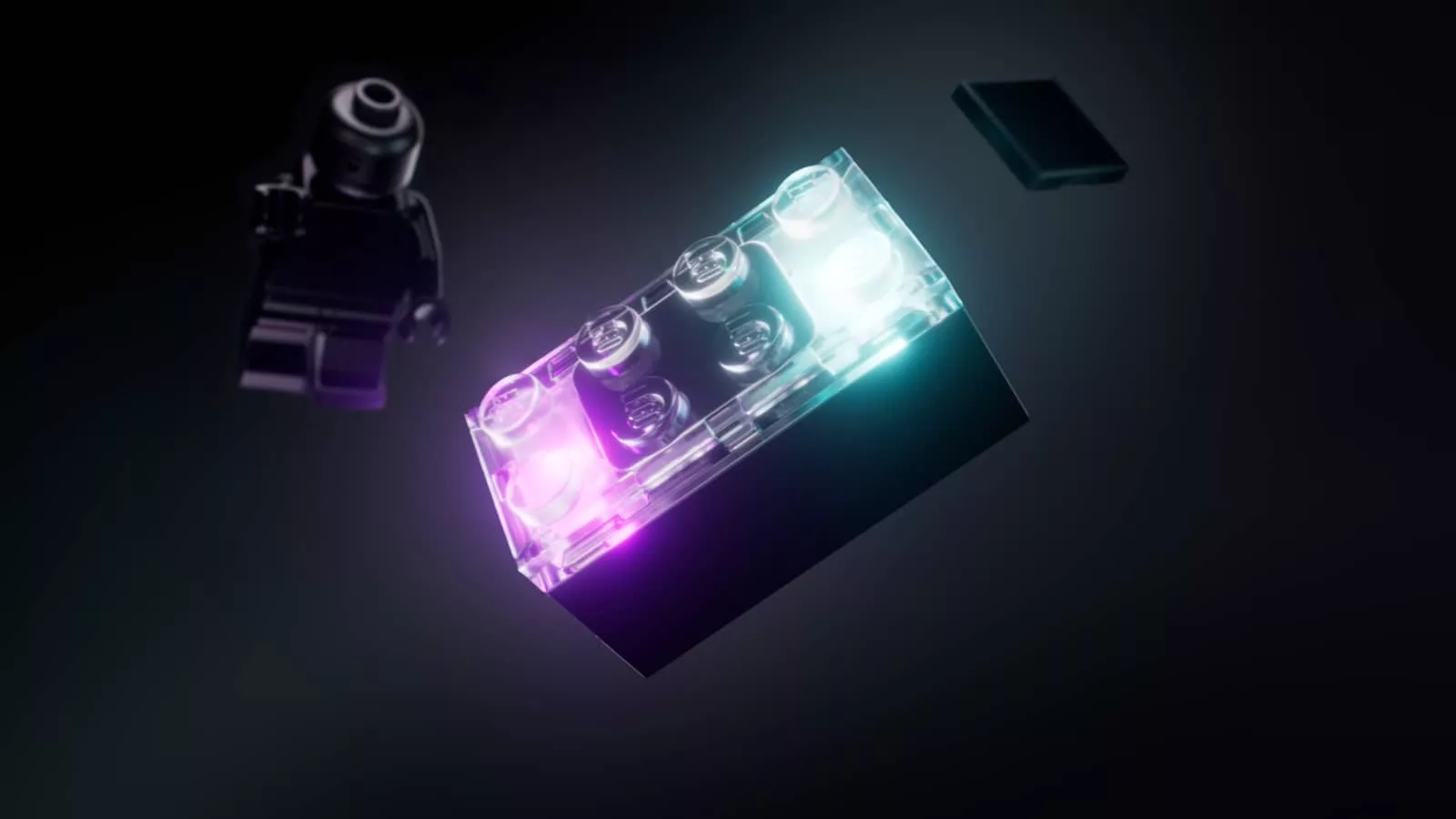
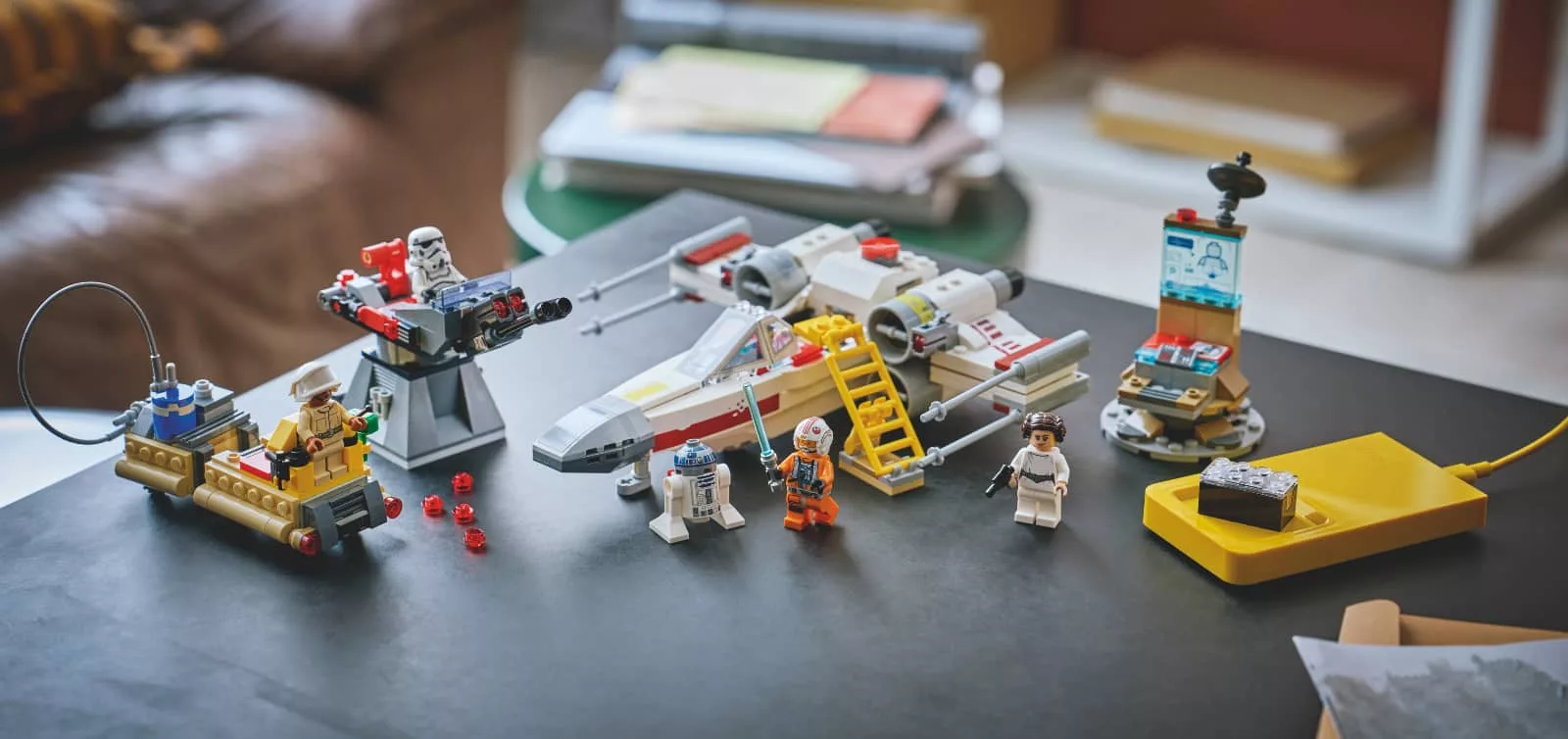
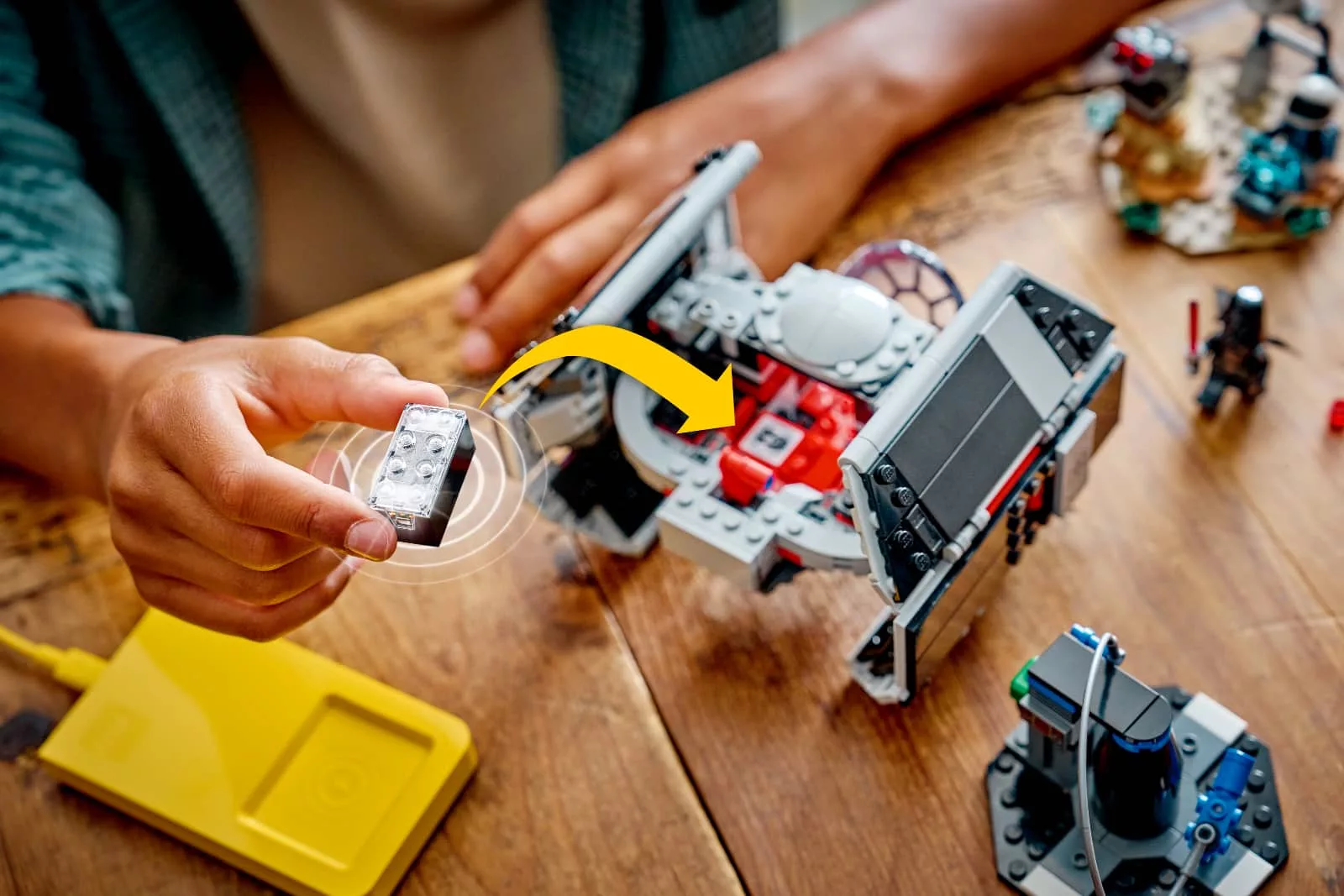
A smart brick is just like a regular Lego brick, but with technology inside. There are sensors, accelerometers, a speaker that can play sounds at different frequencies, and a system to work out what the Smart Brick is near. It can be used near a Smart Tag to tell it what to play sounds for, or even a Minifig with smarts inside, as well.
Smart Bricks apparently even have the colour sensing technology Lego used previously on the Super Mario Lego sets, drawing on that expertise.
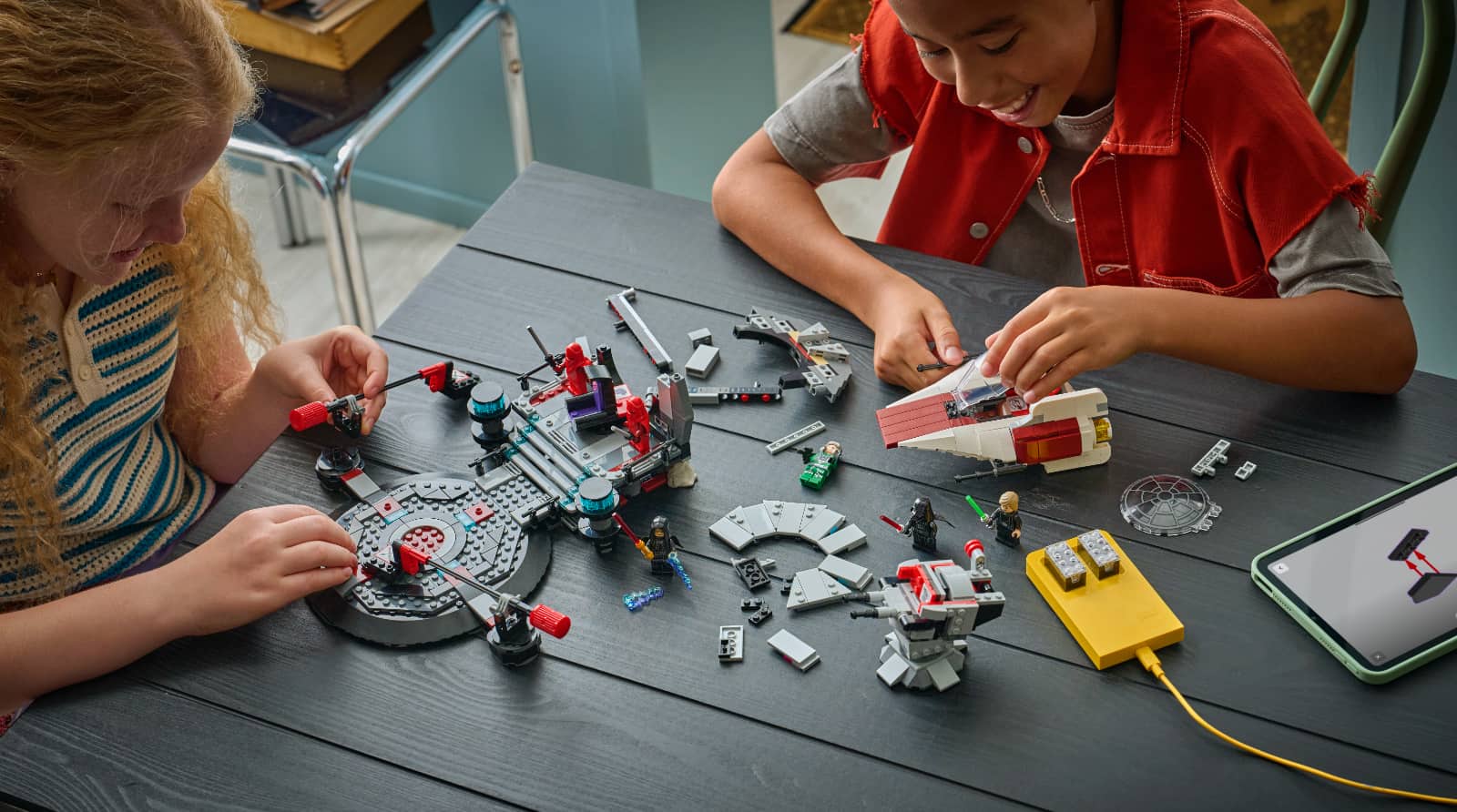
The idea is to come together to form “Smart Play”, and should see imagination still play a central part. You won’t need a screen, and kids and adults will be able to mix and match tags, still playing with the Lego as they normally would.
When a Lego helicopter is made and paired with a tag telling the Smart Brick that, it can make the sounds of a helicopter as a child holds it flying through the air. Animals could get animal sounds, cars could get car sounds, and the use of accelerometers and lights in the Lego Smart Brick make the whole thing that little bit more exciting than a standard brick.
Charging the Smart Brick will happen with similar wireless charging technology to what an electric toothbrush uses, and while you’ll need to keep the battery charged, the idea is you won’t need a screen to play.
Lego’s Smart Brick seems focused on keeping imagination as a central part to Lego, simply expanding the joy that people get when they play with Lego blocks and bricks and minifigs.
“For over 90 years, the LEGO Group has sparked imagination and creativity in children around the globe. As the world evolves, so do we — innovating to meet the play needs of each new generation,” said Julia Goldin, Chief Product and Marketing Officer of the LEGO Group.
“LEGO SMART Play is the next exciting chapter in our LEGO System in Play and something we are super excited about being able to bring to the world at this scale,” she said.
To kick the concept off, there. will be three Star Wars Smart Brick sets covering Luke’s Red Five X-Wing, Darth’s TIE Fighter, and the Throne Room from Return of the Jedi, each of which comes with Smart minifigs, Smart Tags, and the single Smart Brick powering it all, as well as a charger for the brick.
And unlike most CES launches, these ones actually have prices and availability dates. Australians can expect all three from March 1, with the Darth Vader set for $100, the Luke Skywalker X-Wing set for $150, and the Throne Room for $250 when they launch.