
There is clearly no shortage of noise cancelling headphones, with a feature that has become so democratised, you can find it across a variety of price points.
Active noise cancellation (ANC) for cheap and pricey, the differences are definitely there across the spectrum, with much of it landing on what’s used in the technology, how much research there is, size, and of course, comfort.
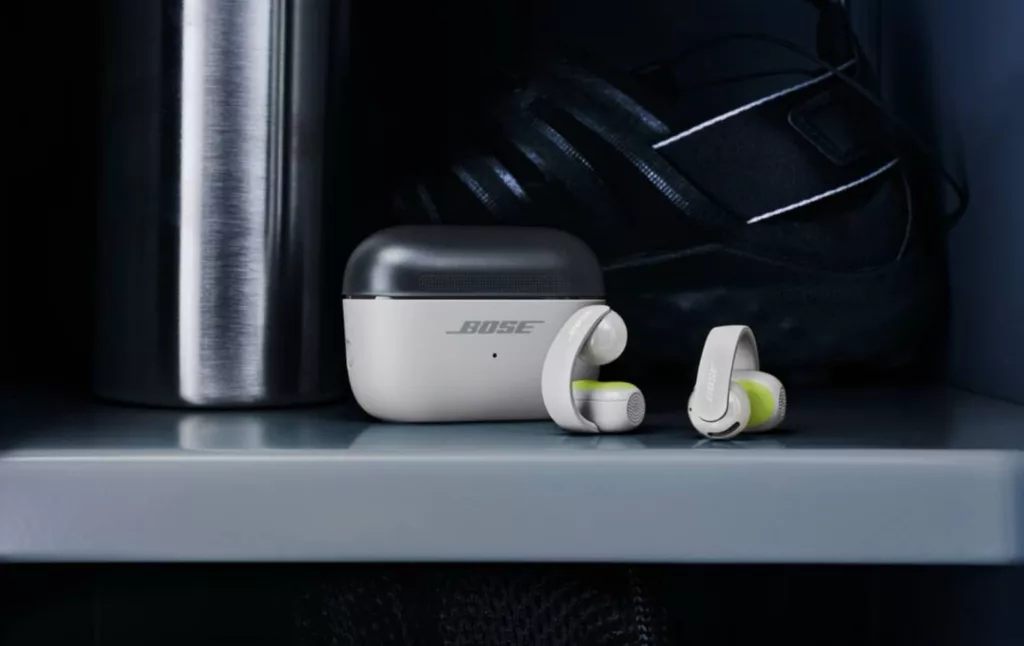
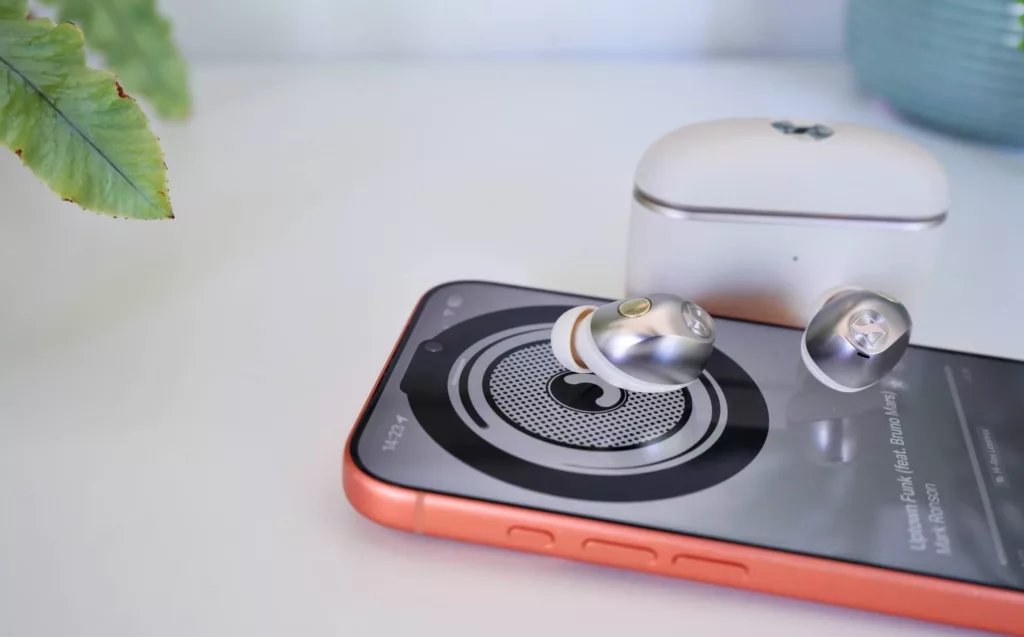
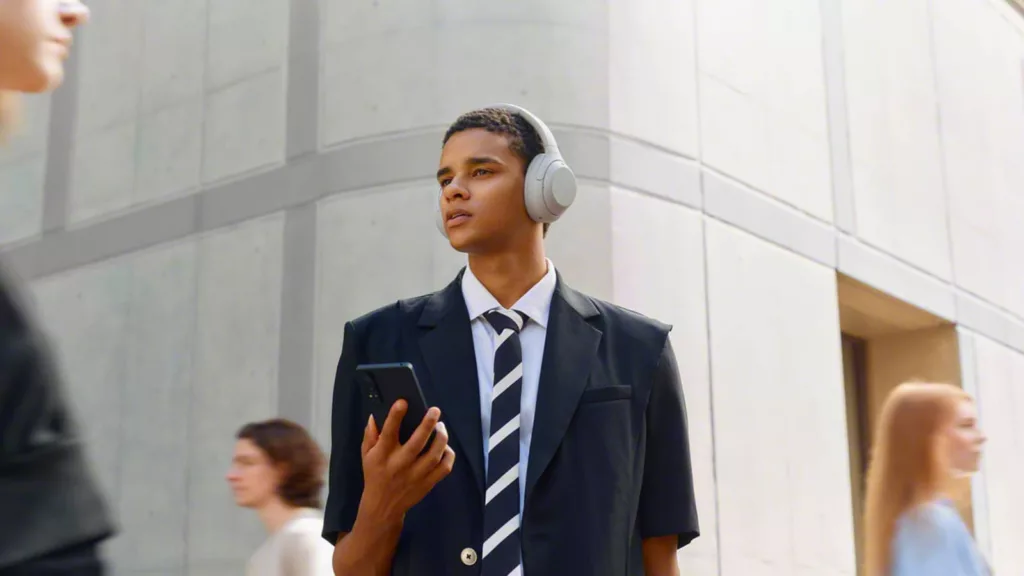
In the high-end, the competition is notably fierce, as players such as Apple, Beats, Sennheiser, and Sony compete for the top spot, all against the brand that basically started it all.
Back in 1989, Bose launched the world’s first noise cancelling headset for pilots, and a good ten years later, showed the world the first commercial model for people who didn’t happen to fly aircraft, but simply took flights.
It started everything.
Since then, Bose has seen plenty of competition, but much of the strength in the company’s range has been in the “QuietComfort” models. Simply put, they’re designed to be quiet and comfortable, as the name suggests.
In recent years, the QuietComfort models — often known as “QC” — have gone a little deeper, with an “ultra” generation that ups the design and feature set, bringing as many as 12 microphones and head-tracked spatial audio, something you can find across the earbuds, too.
But if you just wanted a pair of quiet and comfy noise cancelling headphones, you’ve typically just wanted the QuietComfort, and for the past few years, they have been fairly basic. Still as good as the numbered QuietComfort models, but with a minor touch up.
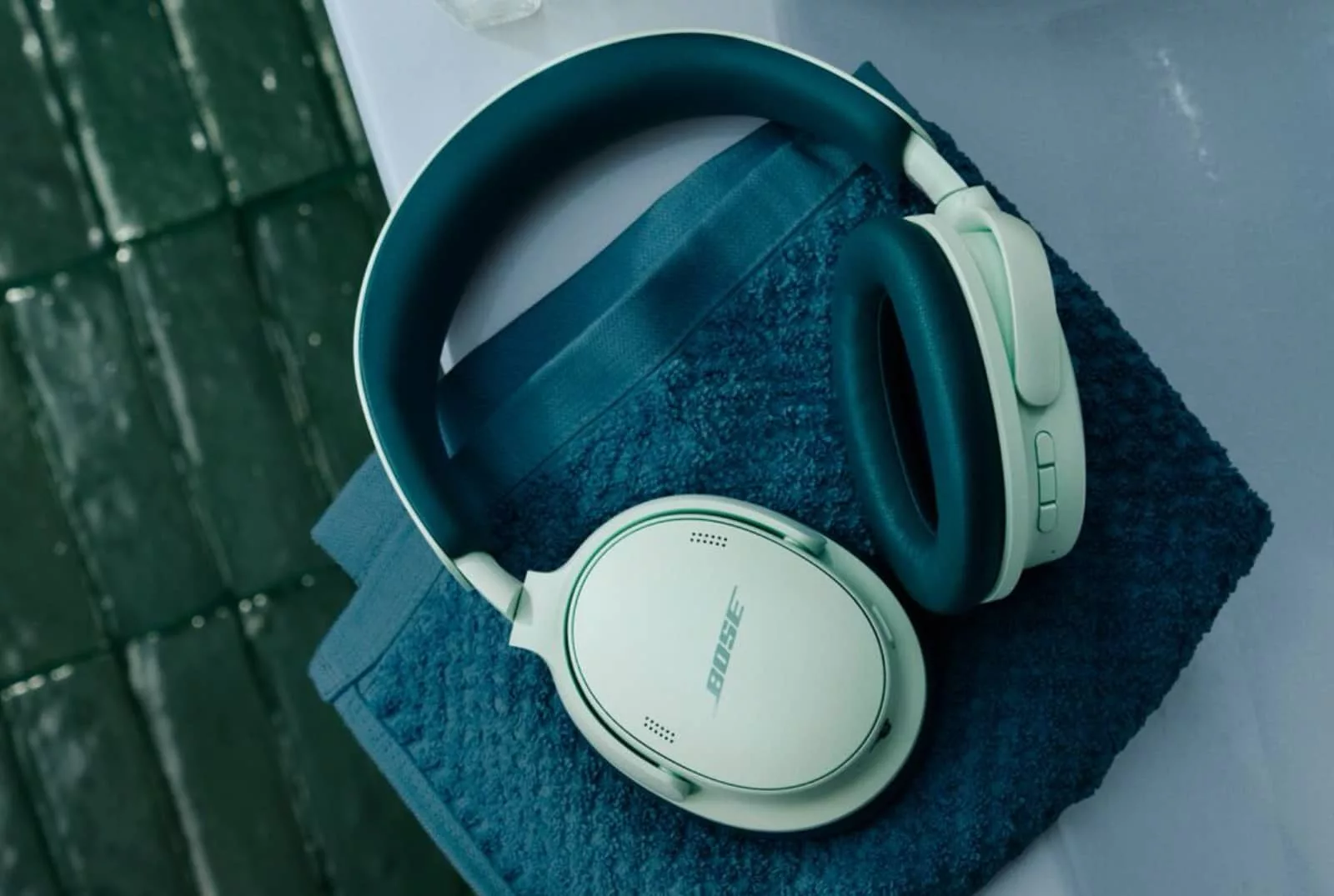
This year, Bose is changing things, updating the design and hardware, while leaving the quiet and comfort parts in. And all keeping the price under where the Ultra models go, because not everyone wants to spend up big.
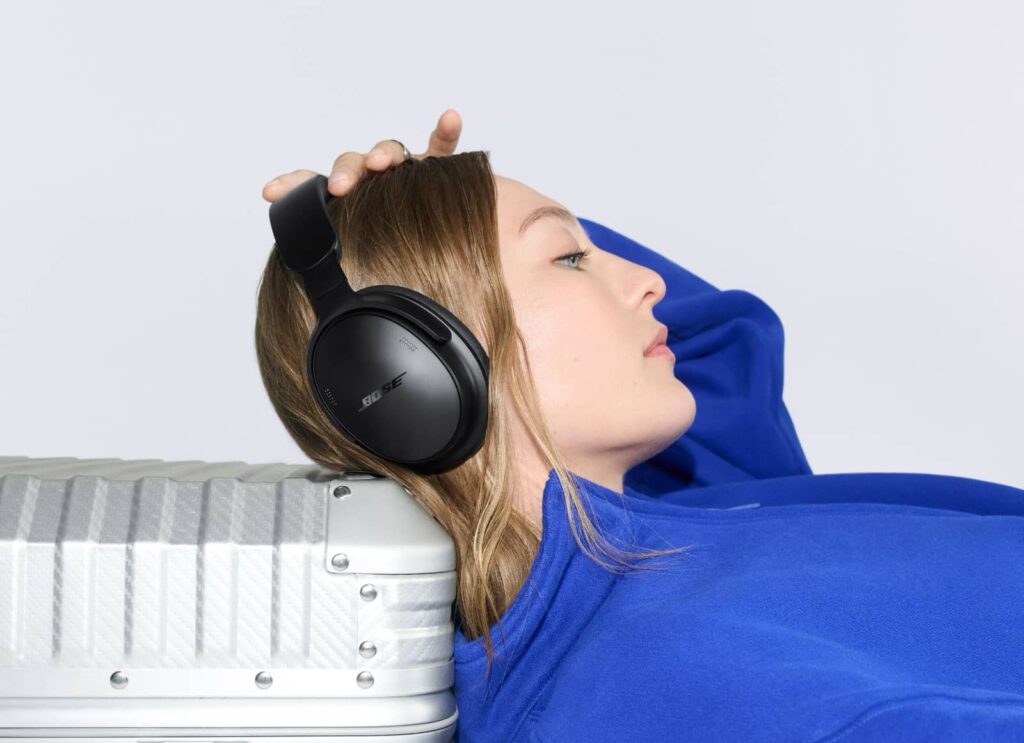
The QuietComfort 2nd-gen variation is effectively an updated take on the QuietComfort, tweaking the noise cancellation technology and supporting six microphones, essentially half what the Ultra models gets.
Bose is also supporting the spatial audio technology, with a still, motion, and cinema audio approach, using still to keep the audio positioned in once place, the motion to follow you, and the cinema mode to create more of a theatrical experience with the soundstage, widening it somewhat.
You’ll also be able to use USB-C audio with the QuietComfort 2nd-gen, providing lossless support of up to 24-bit and 48kHz. A little high-res, but not as high-res as a dedicated DAC.
But the audience spending less probably won’t mind, and it gives them something else to work with.
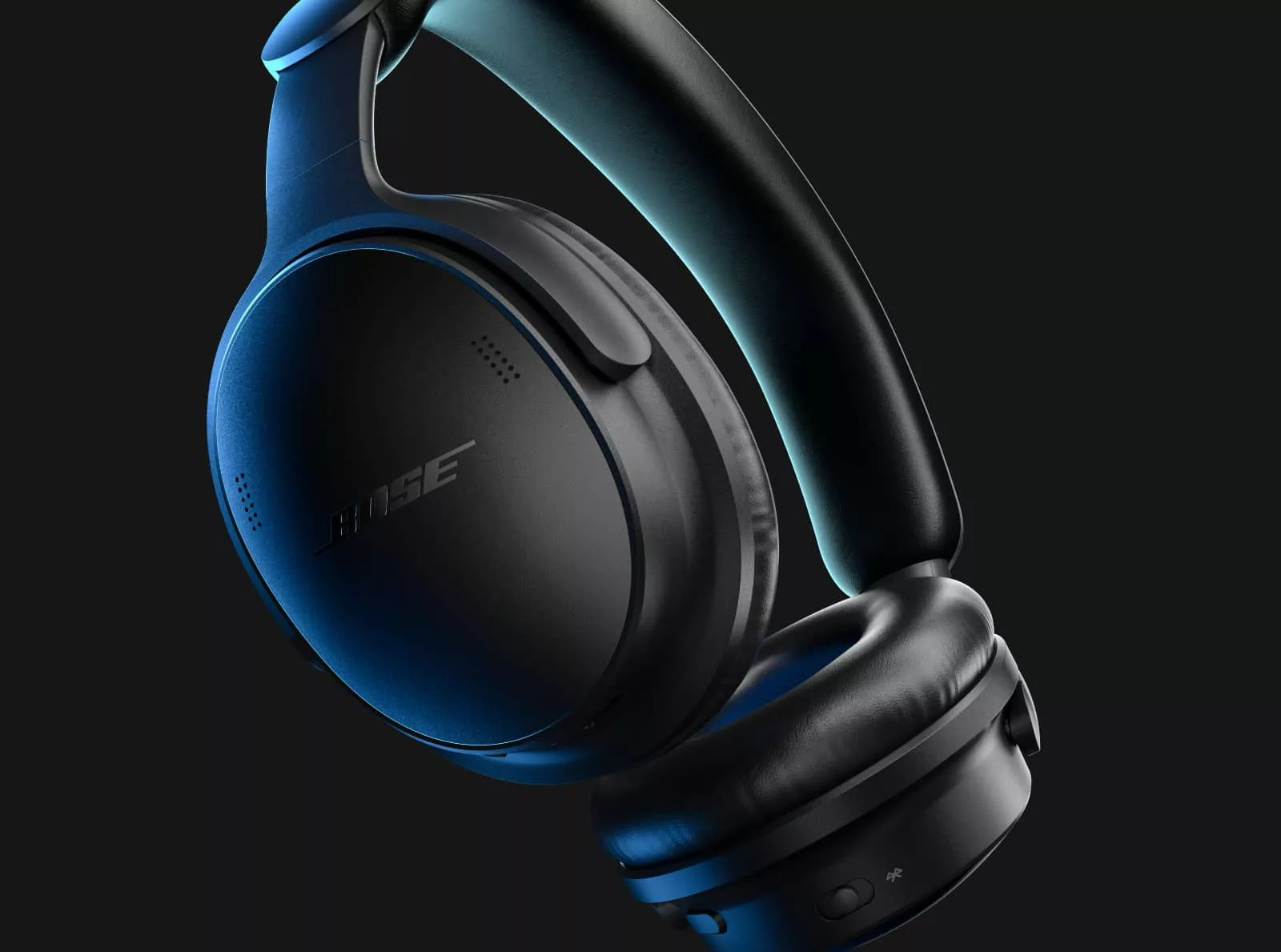
There are minor tweaks to the design, too, seen in the shape of the headphones, which Bose says will help with people wearing glasses to help get a better seal, a factor that matters for noise cancellation.
Of course, there are also differences compared with the Ultra model, such as less impressive noise cancellation, a marginally lower battery life (24 in the QuietComfort, 30 in the Ultra), and button controls versus the Ultra’s touch strip.
The price is also lower than the Ultra 2nd-gen model, which normally costs around $700. By comparison, the standard QuietComfort 2nd-gen being launched will cost $549.95 when they arrive next week.
The catch for people considering the pair could be cost compared to the ultra flagship model: while the 2nd-gen is technically an inexpensive price, at the time this article was published, the Bose Ultra model was actually around the same price, potentially muddying the waters somewhat.
Headphone price fluctuations are fairly common, especially as we head to the holiday season, so it might just be worth watching what’s happening, or even holding out for a lower price on the 2nd-gen, depending on just how much you want to spend.