

As the year 2025 ends and a new year approaches, it’s time to think about the future. Not the entire future, but more something close to home: next year. Specifically, what will next year bring?
Every week in 2025, we saw a new story about AI, some of it good and some of it bad. It will probably end up being quite similar in the new year, but that’s not all that’s happening.
So what 2026 tech trends can we expect, and which ones will we look forward to versus grimacing and just putting up with?
1. AI in literally everything
If there’s one consistent trend that we’re going to probably keep seeing in 2026, it’s all about AI.
AI is everywhere, and it will probably make its way to everything, whether you want it to or not. Frankly, it will likely appear as a “feature” in things that don’t need it, because AI appears to be the feature manufacturers turn to when they’re not sure of the answer for “what next”.
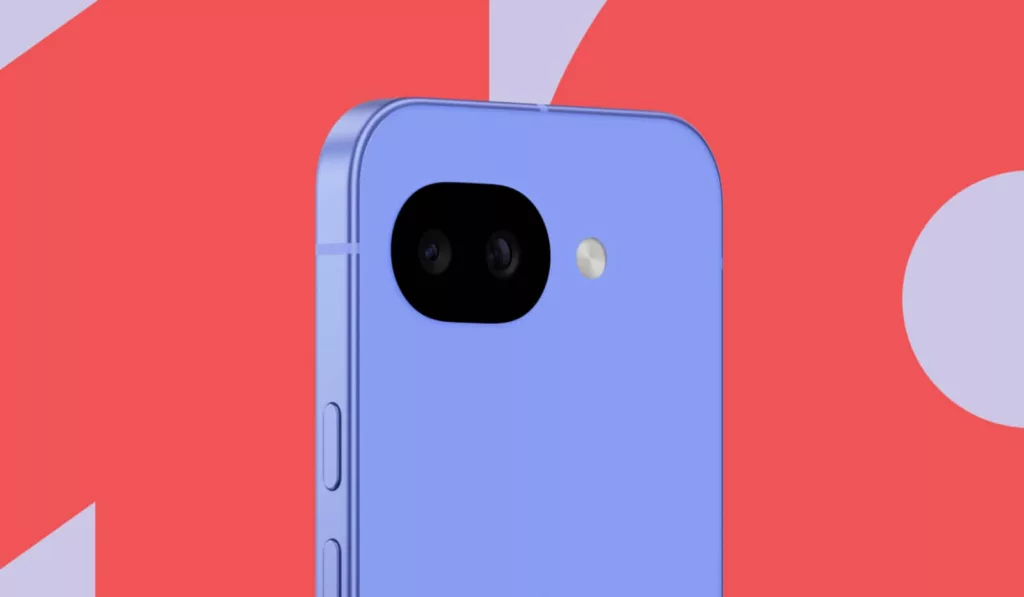
AI in phones hasn’t quite been the massive win it was supposed to be, and in many ways felt like an unfinished and untested feature for the Google Pixel 10 range, while AI in PCs has largely been left to useless features you don’t need. Random wallpaper generators, anyone?
We’ve seen AI in toothbrushes and AI in ovens, and although it seems like Samsung’s camera-equipped AI oven range has largely been pulled from retail (we can’t find many traces of it anymore), Samsung still clearly has AI in the fridge with its Family Hub camera-equipped food tracker. That’s actually an interesting use of technology.
And that’s what we want: AI for good. AI for a purpose. AI features that add to the experience of owning something rather than simply AI existing.

We don’t really need toys that use ChatGPT so you can talk to them. Frankly, that seems destined for disaster. And we probably don’t need any more AI in our toothbrushes, either.
But you’re going to see it, anyway. You’ll likely see AI in anything where technology can and will exist, and some of it might be useful.
AI in speakers and headphones could clear up audio and make it sound nicer, or it could go the total opposite way and make you scour the web looking for a way to turn it off. AI in TVs already exists, but it’s bound to go deeper, likely wanting to help you find things to watch and brighten scenes when there’s extra light in your house.
Long story short, expect AI everywhere, because it is largely what manufacturers are doing to make their products different. We only hope some of it will be useful.
2. Cybersecurity in everything else
If AI is going to be in everything, an element of cybersecurity will likely join it, and possibly make its way to everything else.
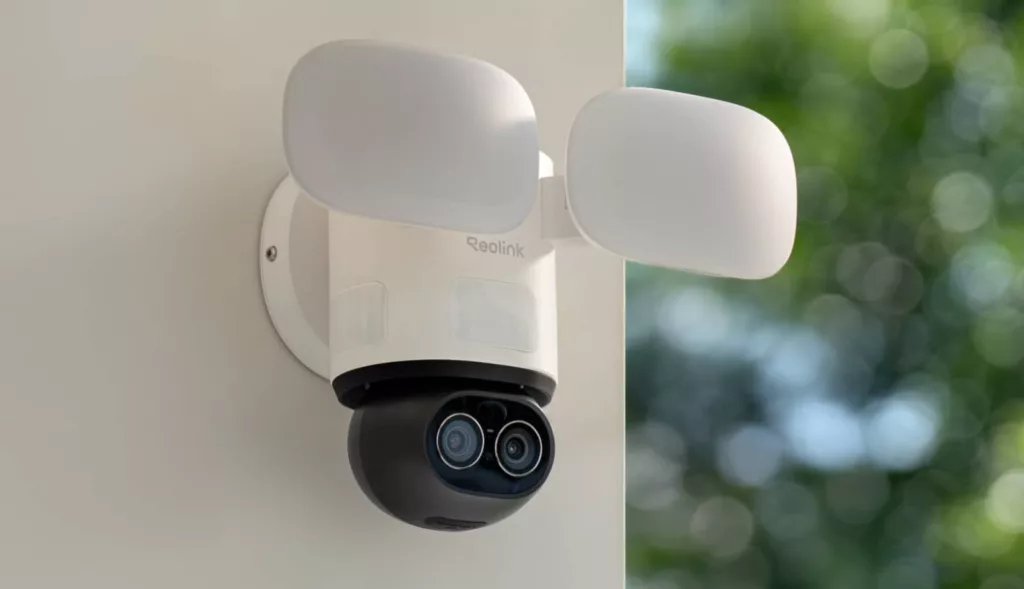
That sounds a little silly, but you don’t really need AI in a smart oven, but you might need security to stop someone from breaking in and turning it on while you’re away, possibly setting fire to the home because that’s the sort of ridiculous world we live in.
In fact, nearly ten years ago, that very idea was a problem LG had to patch up, with smart ovens that could be controlled by hackers had it not been patched. Crazy.
As it is, AI in so much thus far seems to have made more people cautious about the very idea of AI in everything, and given some of those problems, it could be cybersecurity’s time to shine as security makes its way to more devices, protecting your data from the hackers and scammers of the outside world.
3. Foldables will go mainstream
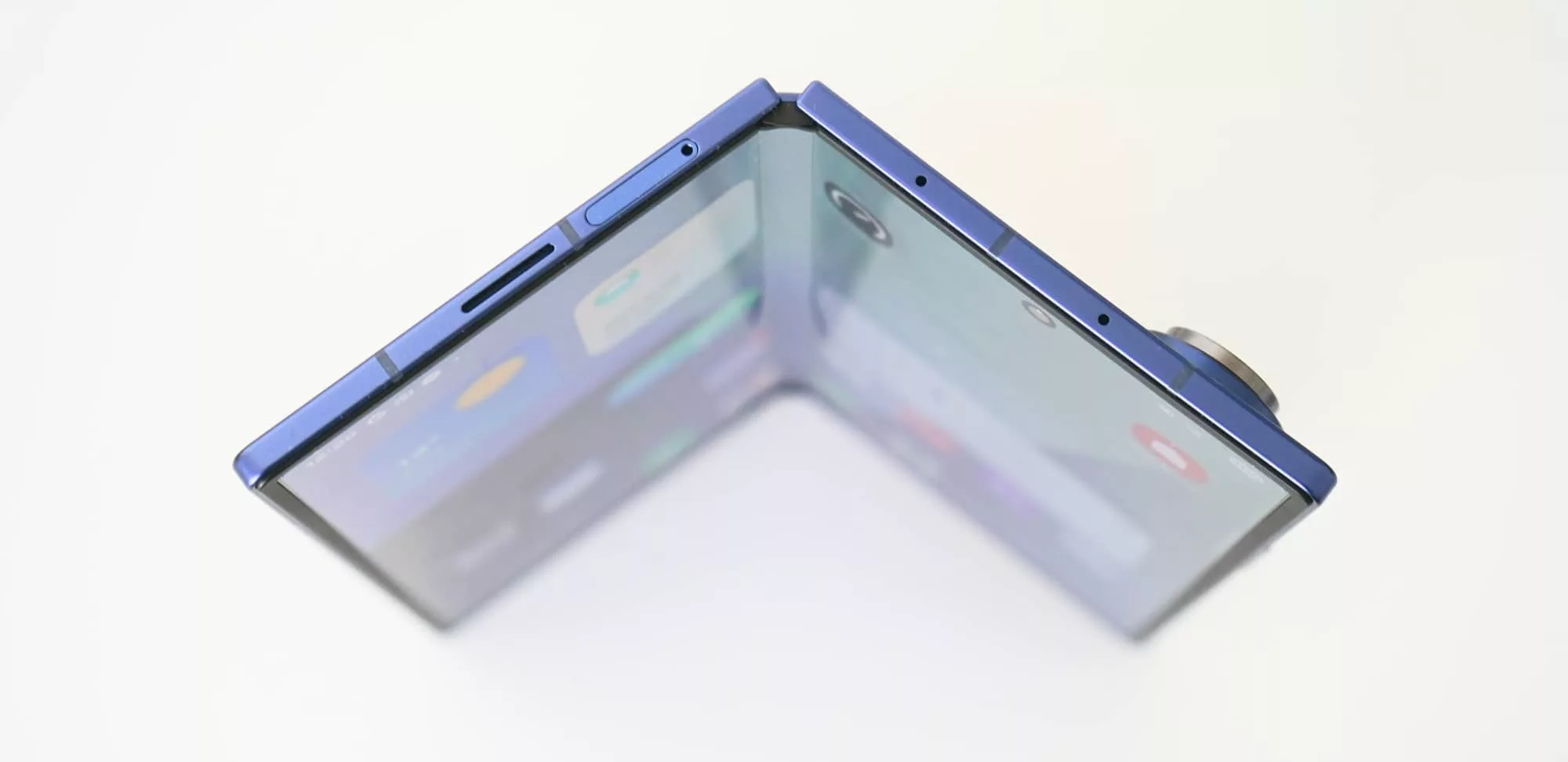
Foldable phones have been making a dent in Android phones for a few years now, but not everyone has experienced them. Next year, though, you can expect more foldables, as one of the biggest phone makers dives right in.
You can probably guess which foldable phone that will be: the iPhone.
The long-rumoured foldable iPhone is expected to arrive in 2026, and given what we’ve seen from prior foldables, could end up replacing the iPad Mini.
As it is, one of this year’s best folding phones showed just how clever the technology could get. The Samsung Galaxy Z Fold 7 has managed to bridge the gap between foldables and phones, overcoming the typical foldable phone problem of being too thick.
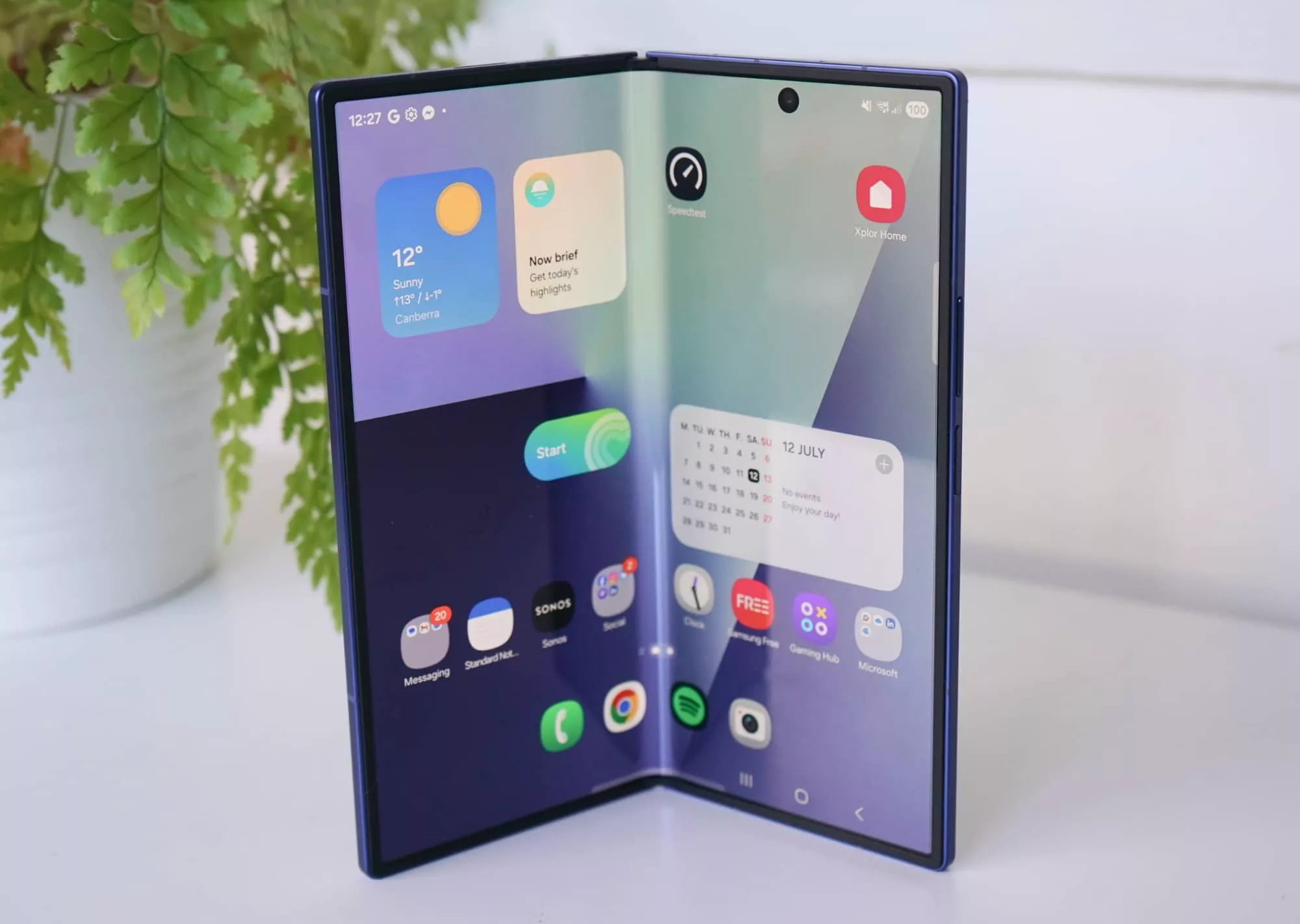
With foldable phones normally the thickness of a phone and a half — almost like two phones smushed together for your pocket — the Fold 7 changed that, delivering a genuinely clever take on the tech. Shortly after, Honor delivered something similar in its own variation.
Now that we’ve seen this approach, you can bet others will look for ways to improve the foldable formula, and Apple will be one of them.
Overall you can expect that folds will be a little bigger and a little better in 2026.
4. Fashion and tech collide more often
Foldables aren’t the only word beginning with “f” that will see some love; we expect fashion and technology will start to dance more often, as well.
We see a few examples of it every year, such as the Hermès edition of the Apple Watch, and even this year’s addition of an Issey Miyake pocket for the iPhone, a literal fashion accessory that ads a sort of sling bag to your life made solely for your phone.
Over the past few years, there have been other examples, too, such as earphones by Chanel and a regular assortment of Galaxy Z Flip editions connected to fashion houses.
This will probably happen more in the coming year, largely because it not only allows tech giants to show how their gear connects with the world of high fashion and also flexes some creative muscle, but it also gives fashion a way to connect to technology, as well.
And some of these products really stand out, which when you’re competing in an ocean of sameness can make all the difference.
5. Prices will go up (and AI is to blame)
Perhaps the worst trend out of the bunch has to do with costs, or more specifically the costs of technology. Simply put, it’s going to go up, and you likely have AI to blame.
Yes, AI. We know, it seems crazy because AI should be bringing down the cost of technology.
After all, AI is going to be in everything. It’s even the first trend in this list. Prices should be going down if the tech is getting theoretically smarter, right?
The problem isn’t that AI isn’t smart (it’s not, either). The issue is one of hardware.
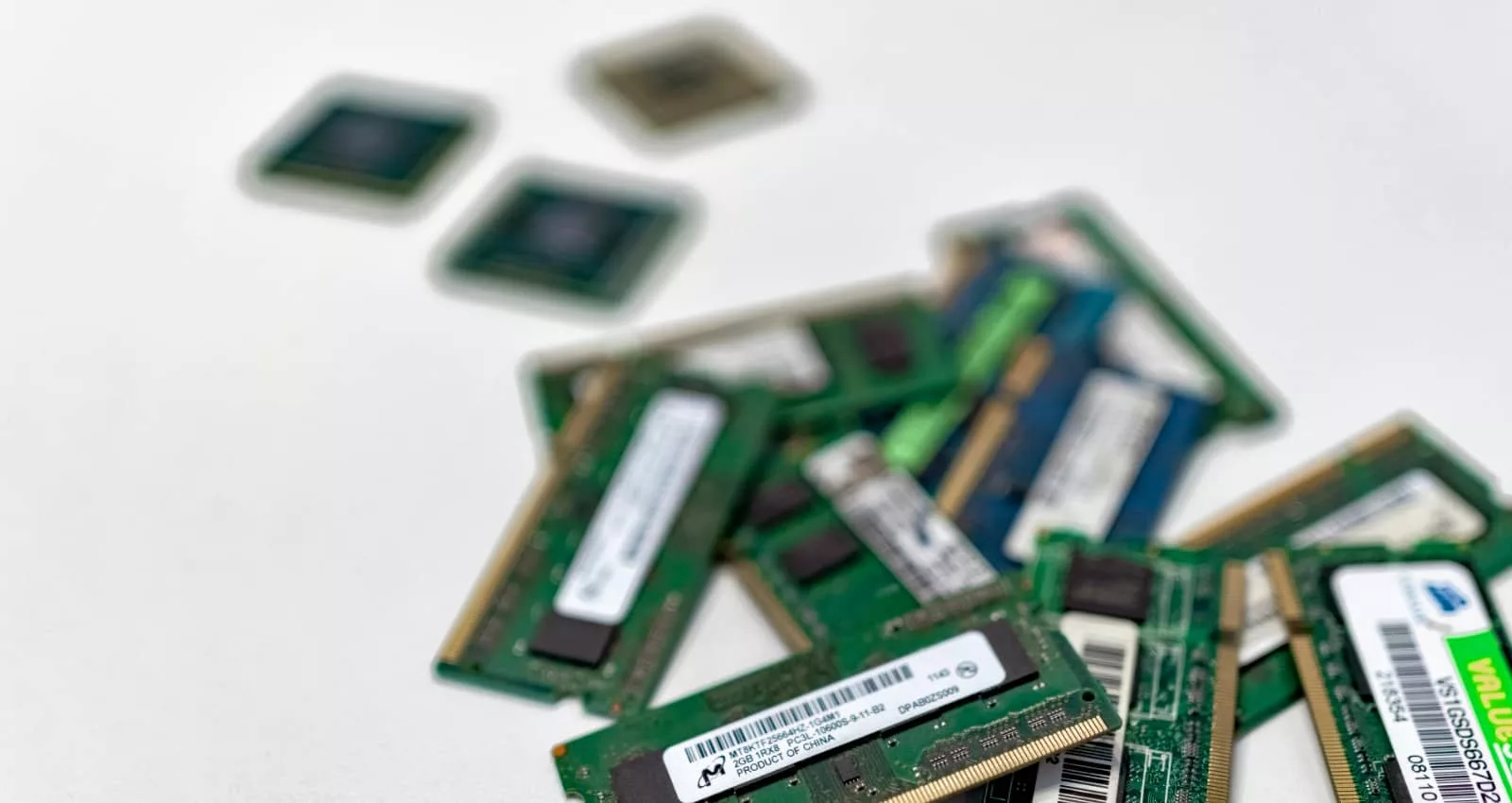
More data-centres are being built around the world to service the sheer amount of AI industry commands, and those datacentres need hardware to work. Hardware like solid-state drives and RAM, both of which rely on the same sort of components that server-grade computers rely on.
Unfortunately, that also means the manufacturers that normally make consumer-grade tech are now more heavily focused on server level stuff, because it’s in demand and can make them a fortune.
And that’s a problem for consumer grade gear, because it means not only will there be less of what it needs, but manufacturers will likely be charging more for the tech they use.
The long and short of it is this: in 2026, you can expect the price of phones, tablets, laptops, and desktop computers to go up, and possibly the costs of video game consoles and other pieces of technology that rely on memory and storage.
It’s already happening, and it’ll likely only get worse.