
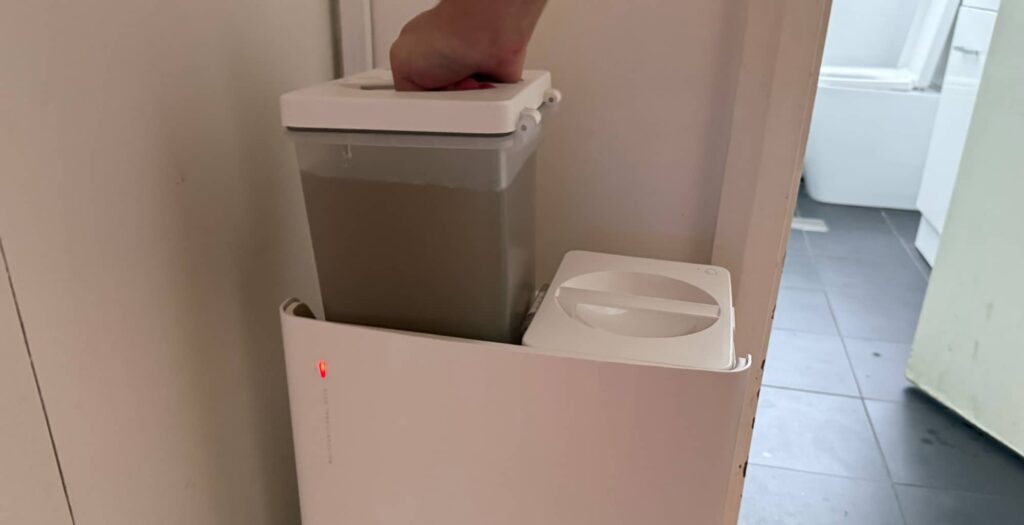
Less a question of how, it’s more a question of where when it comes to emptying the mopping tank of a robotic vacuum cleaner.
Getting a robotic vacuum for your home is one of those gadget purchases that can potentially change your life.
If you managed to get one over the holidays or even just because it was on sale, you might find the chore of cleaning is made all the more easier because now you don’t have to do it.
From here, the robot can do it all for you, or most of it, anyway. Load an app and select a room, or run the robo-vac on the entire house and go for your life.
Robo-vacs help with the maintenance cleaning, dealing with regular dust and debris cleans, with the latest models also handling a good mop of the floor, as well.
There’s only one problem: all of this has to go somewhere.
With the except of only a handful of robotic vacuum cleaners, most will send their dust and debris to a vacuum bag, and that will need to be replaced eventually. You usually get a spare in the box, so the first replacement is taken care of.
But what about the mop: where does all that dirty water go, and how do you replace it?
Cleaning and clearing the mop water tank
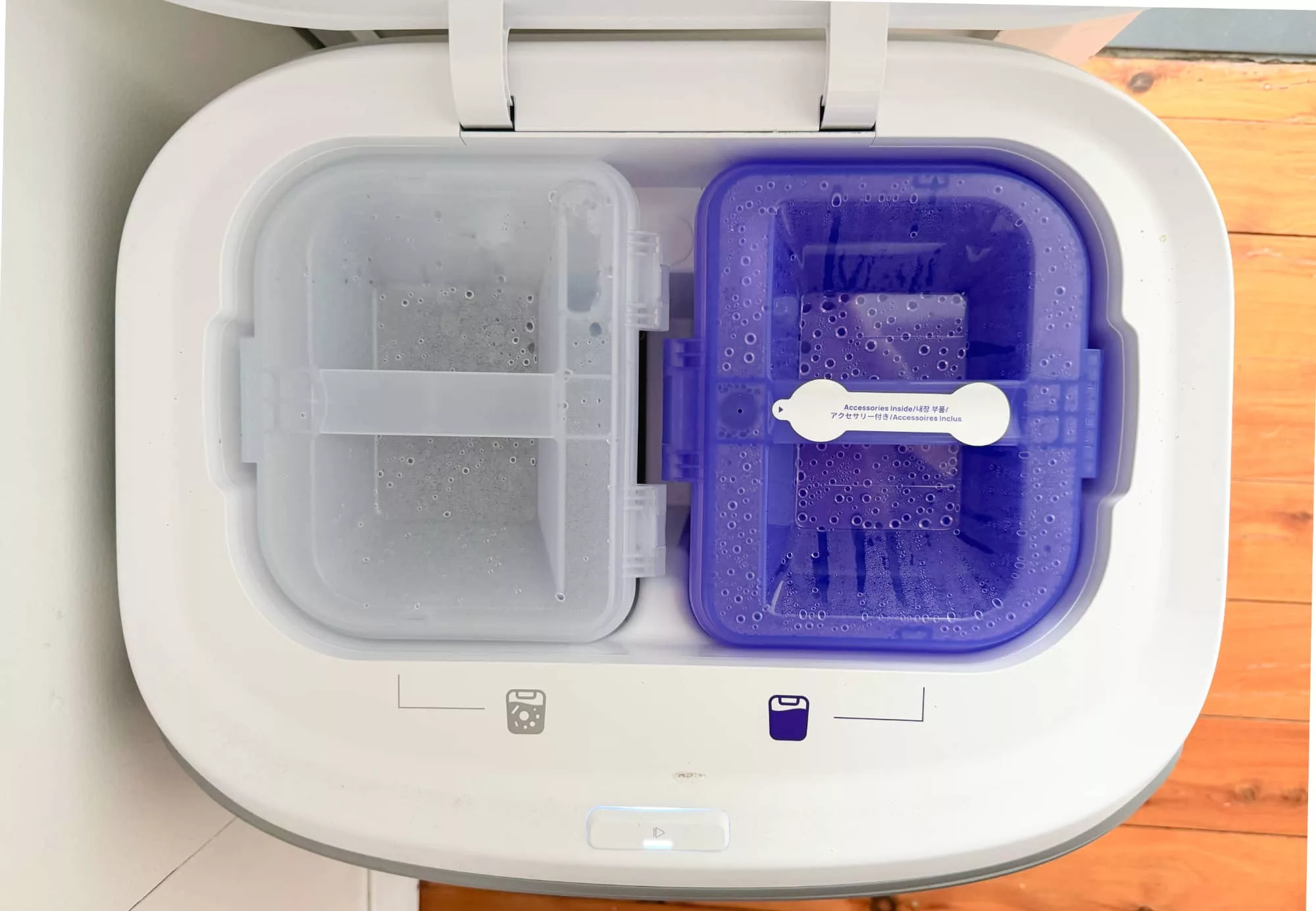
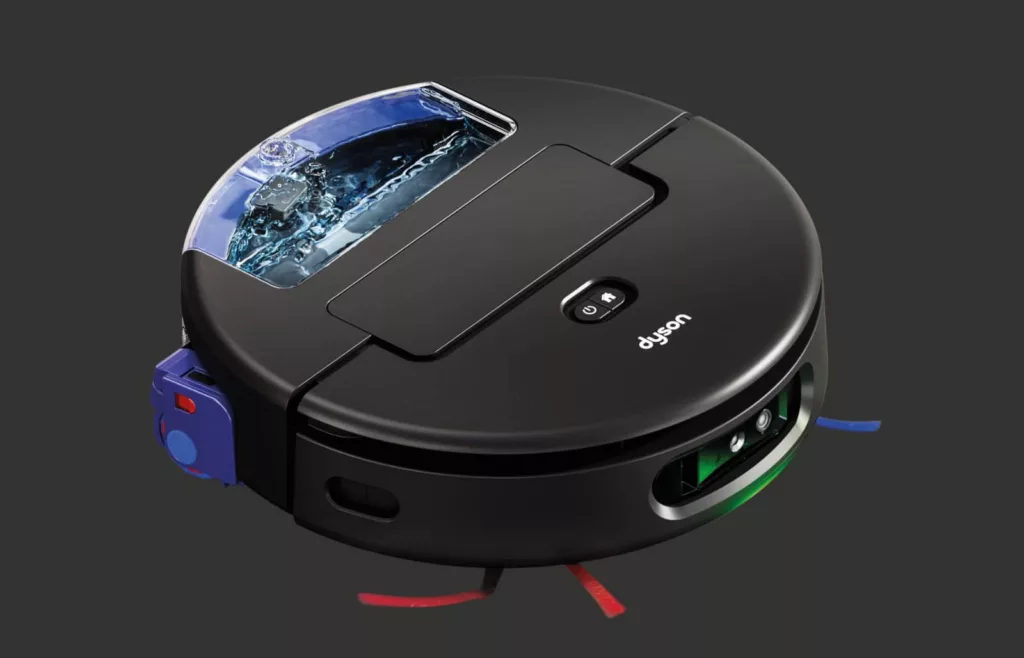
Every robotic vacuum with mop functionality we’ve tested has come with at least two tanks: one for clean water and the other for dirty water. Some mopping systems may have other tanks for cleaning solutions, and there may even be the option of a piped water system, but the two primary tanks are the big ones found in the base station.
You don’t really need to think about the clean water tank beyond topping it up from time to time, but the dirty tank needs to be considered, and is arguably the part of a robotic vacuum and mopping system requiring of the most maintenance.
The dirt and scum and icky stuff wiped and mopped from the floor has to go somewhere, and the dirty water tank is where. Eventually it builds up, turning the water from clear to black, and basically giving you an idea of how gross your floors actually were before the mop did its job.
But now that the mop has done just that, it’s your turn to apply some good ol’ fashioned maintenance, and clean the tank, so where do you pour it?
Where should you empty the dirty water tank?
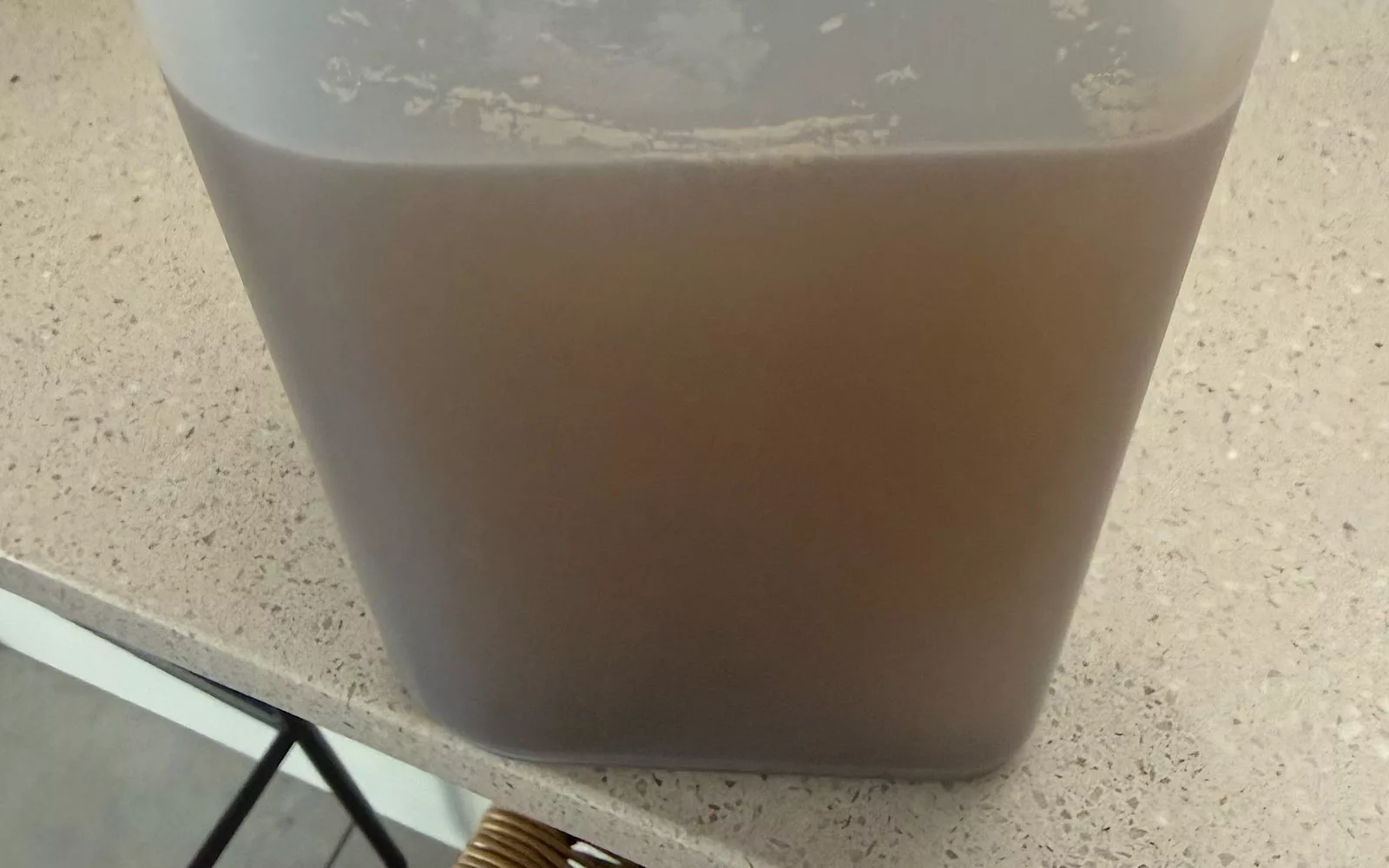
Open the top of your vacuum’s base station, but keep the dirty tank closed shut until you need to open it and pour it out. You’ll thank us later, because what’s inside is putrid, foul, and would generally be regarded as a collection of horribly smelling liquid.
Because of this, you do not want to pour it out in the sink. Don’t do that.
You also don’t want to pour the dirty water tank into the garden. Water it may be, but clean water it is not.
Instead, pour it into the toilet, and treat the waste water from your robotic vacuum as if it needs to be expelled as waste, because it technically is.
From there, you can choose to either put it back directly in the robotic vacuum’s base station, or take the tank and apply the hose outside, ideally near a grate so you can rinse both the tank and the grate out, removing any possibility of foul odours.
How often should robotic mop’s dirty water tank be cleaned?
It’s difficult to say how often a robo-vac’s dirty water tank should be cleaned, but the safe advice is one of two approaches:
- When your vacuum tells you (which will typically be when it’s full), and
- Right before you go away from home for more than three days at a time.
The first is pretty obvious; your robotic vacuum and mop will tell you when it can’t work because it’s too full, and you need to do some maintenance.
But the second may well be less common sense. Rather, emptying your robotic vacuum’s mop tank is important if you plan on leaving for more than a few days because the tank’s waste water will eventually start to smell, and its scum could start to leave a dirty residue behind.
While you may not necessarily come back to a home smelling of old mop waste water, it’s better to limit the risk and simply empty a mop’s dirty water tank before it happens.