
Quick review
The good
The not-so-good

A little different from other phones, the Leica Leitzphone modelled on the Xiaomi 17 Ultra brings fun to a complex camera system inside of a phone. And we’re here for it.
One of the most important features in any phone today is the camera, and my, what a feature it has become. You can’t really buy a phone without a camera, and even the handful of feature-phones with buttons and low-level operating systems still come with one, mediocre as they may be.
It shouldn’t surprise you that the best phones tend to come with the best cameras. That’s just a piece of the puzzle, and a major part of what you pay for. When you buy a new phone, you can expect it to have a minimum of two cameras, one of which will be better than a casual compact, and a whole lot more convenient, as well.
But if you spend even more, you might find a camera to rival that of a proper camera.
We’ve certainly seen it from a recent iPhone, and there are plenty of great Android cameras, too, yet almost none have support from actual camera brands. Oppo does with its Hasselblad camera, and relative newcomer to Australia Xiaomi does, too.
This year, there are two models to pay attention to in its “17” range, but one of them properly has our attention. While the Xiaomi 17 Ultra is all about Xiaomi, you can see Leica’s collaboration with Xiaomi on display in the 2026 Leica Leitzphone, and it is something else.
At a little over $2K in Australia, is the Leica Leitzphone worth spending money on, and worth owning?
Design
Glance at the front of phones in this era, and there’s a definite approach everyone is taking: a big screen with nothing in the way. It may as well just be the screen.
That’s not what the back is like, though. On the back, it’s all about the camera.
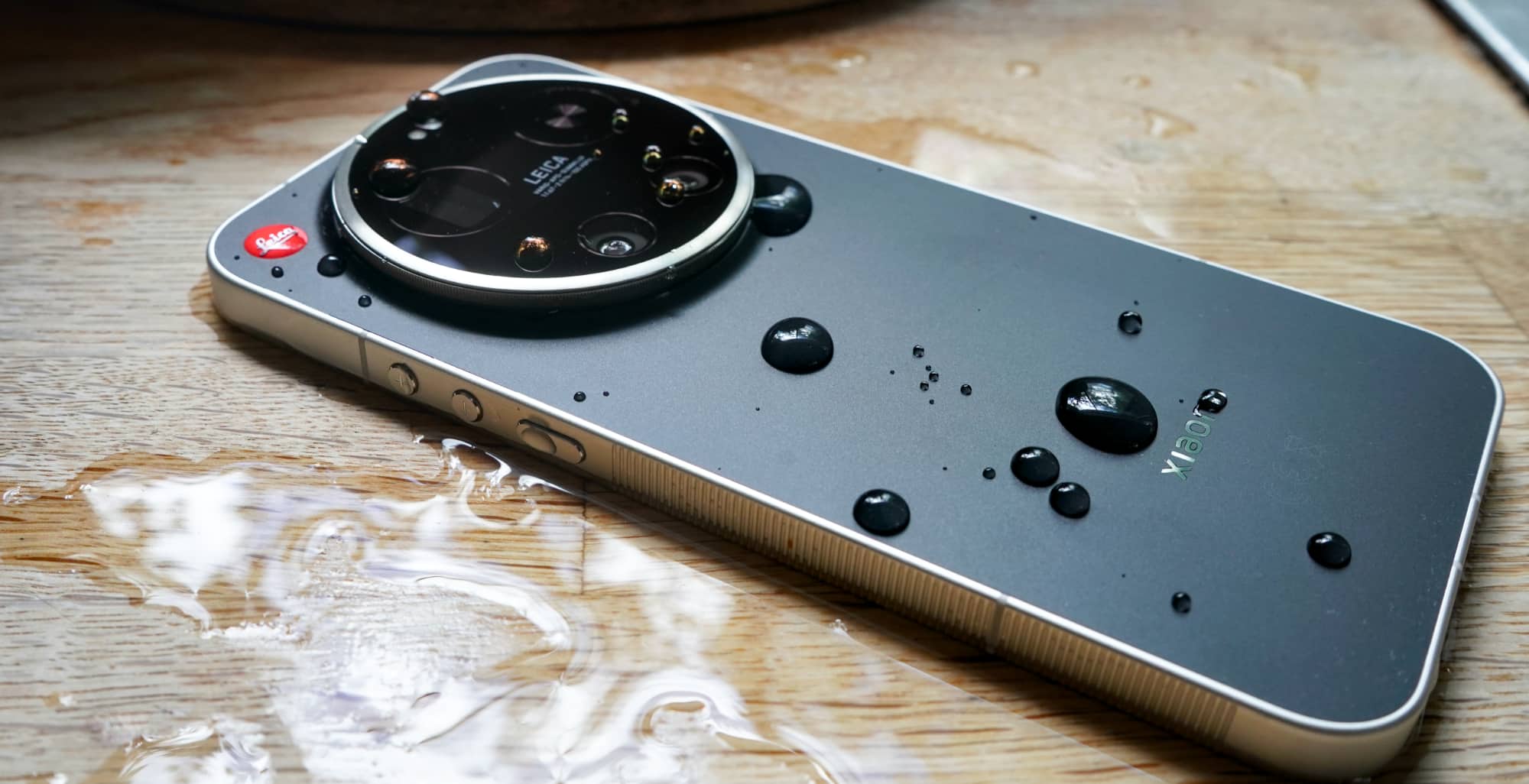
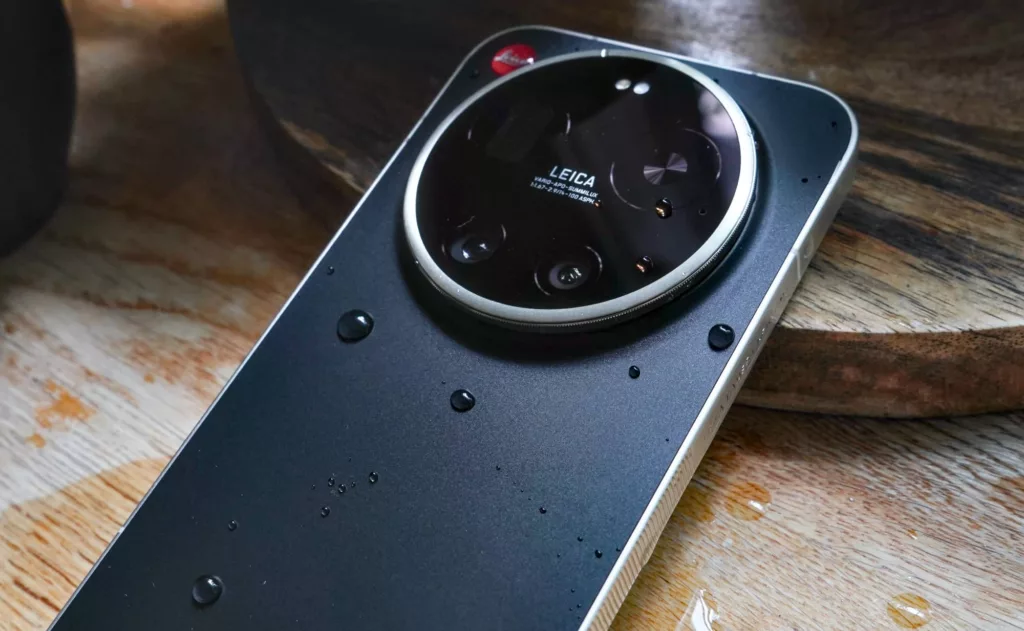
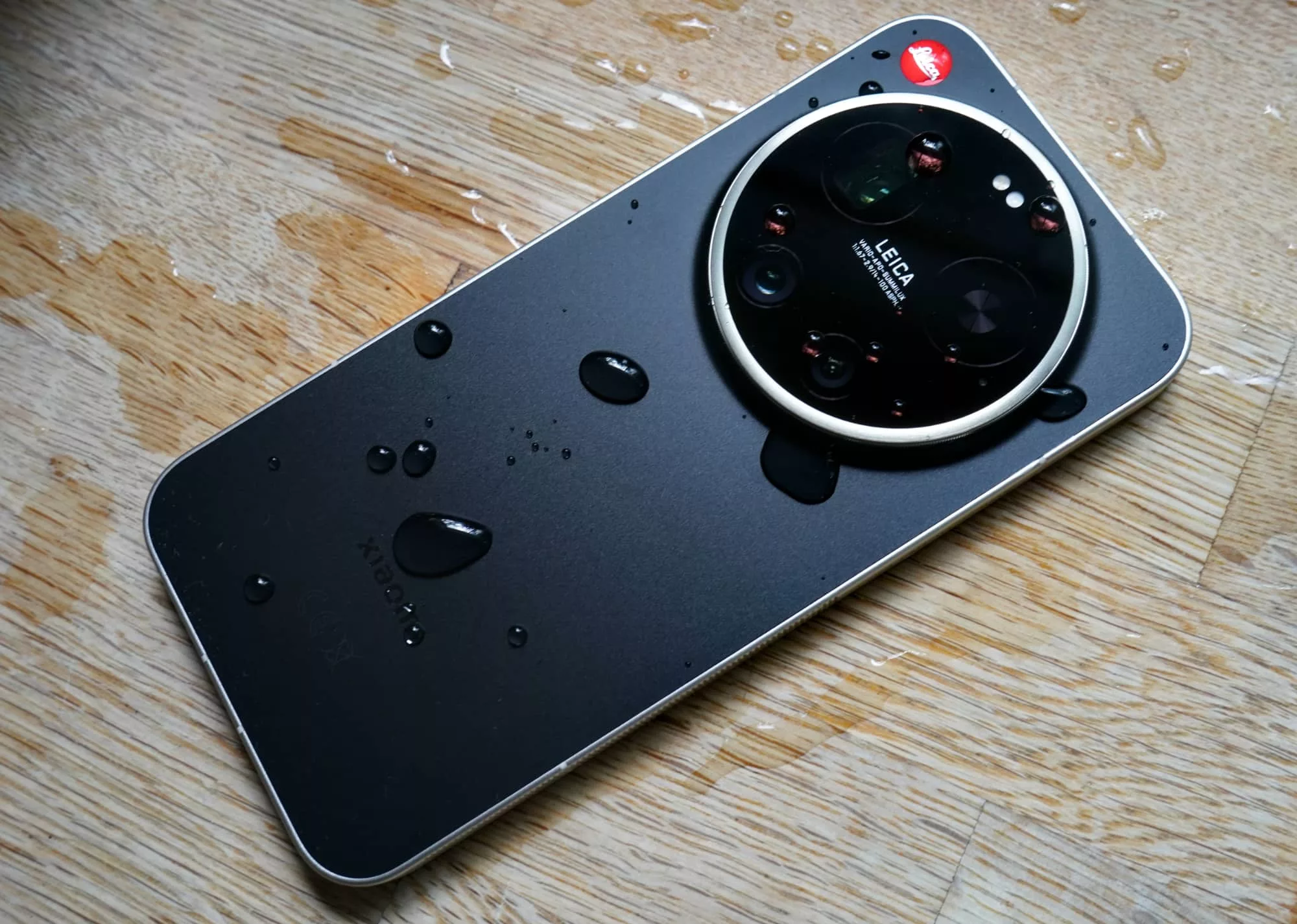
You won’t find any difference to that logic on the Leica Leitzphone or the Xiaomi 17 Ultra it comes from, but the design is very different. Forget the traffic light style of the Samsung, the corner left camera of the iPhone, or the middle camera bar of the Google Pixel, because in the Leica Leitzphone and Xiaomi 17 Ultra, your cameras are in a circular block almost like it was inspired by actual cameras.
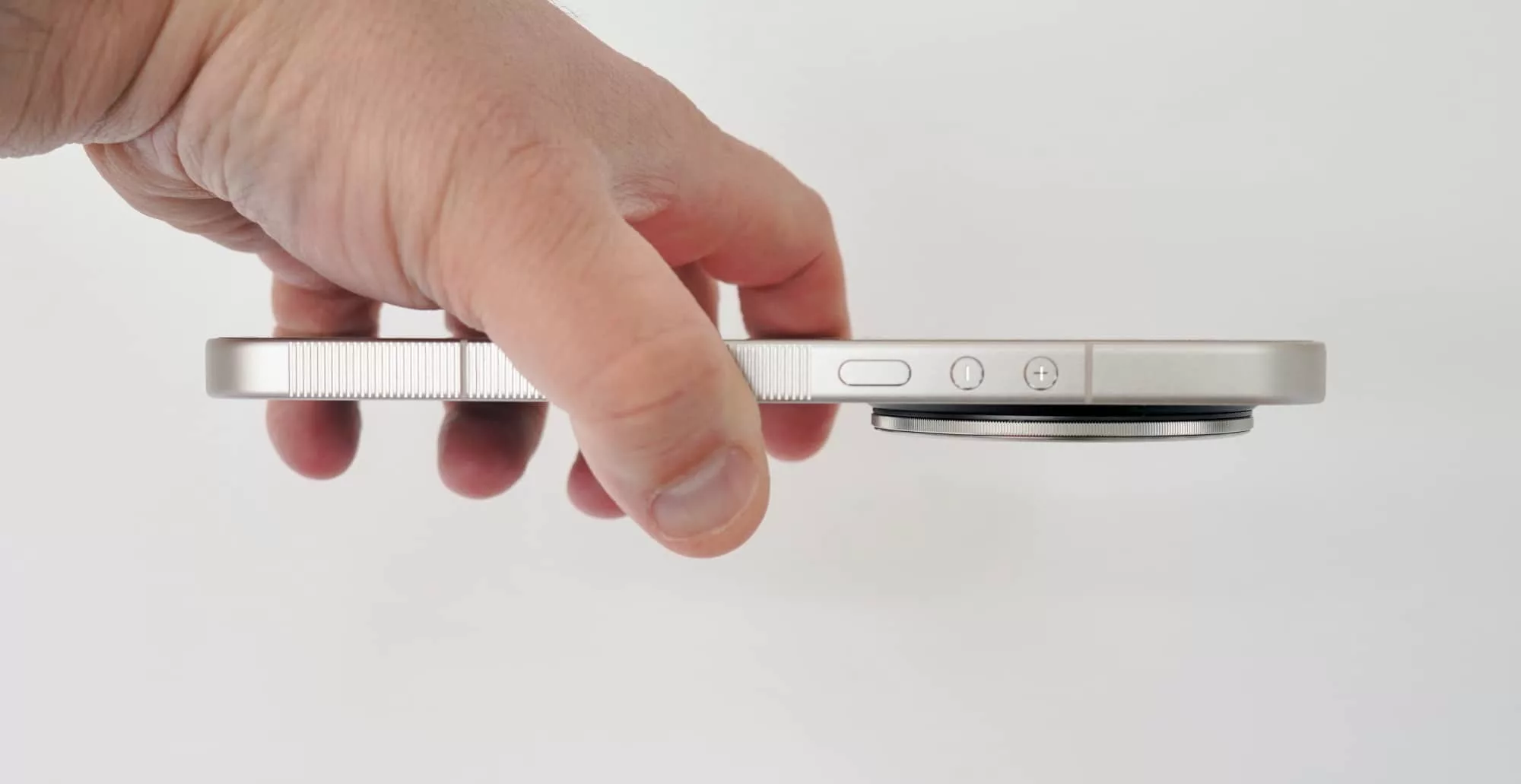
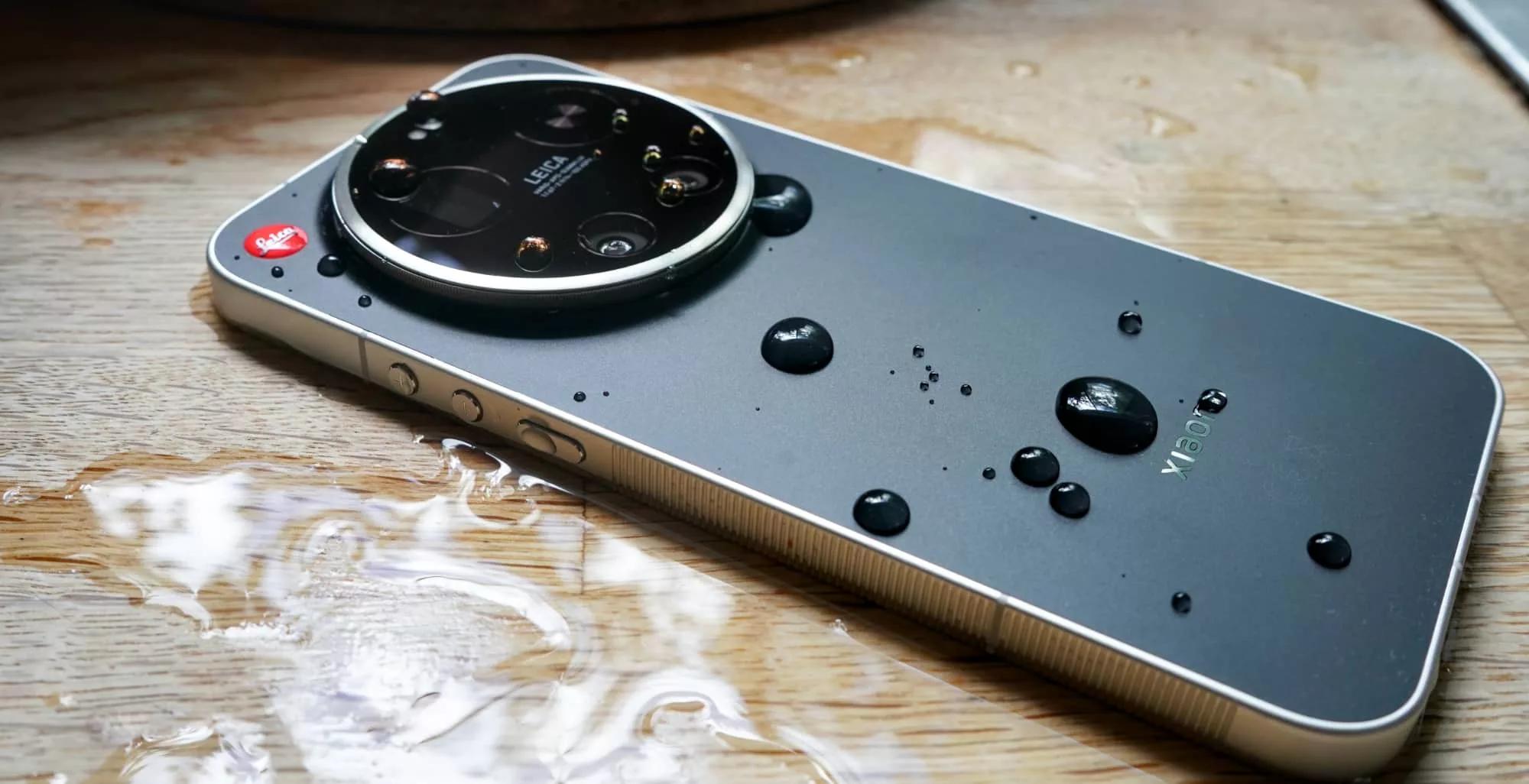
That design makes it different and a little more bulbous than you might expect, complete with an actual physical ring around the camera block that works as a controller, kind of like an actual lens.
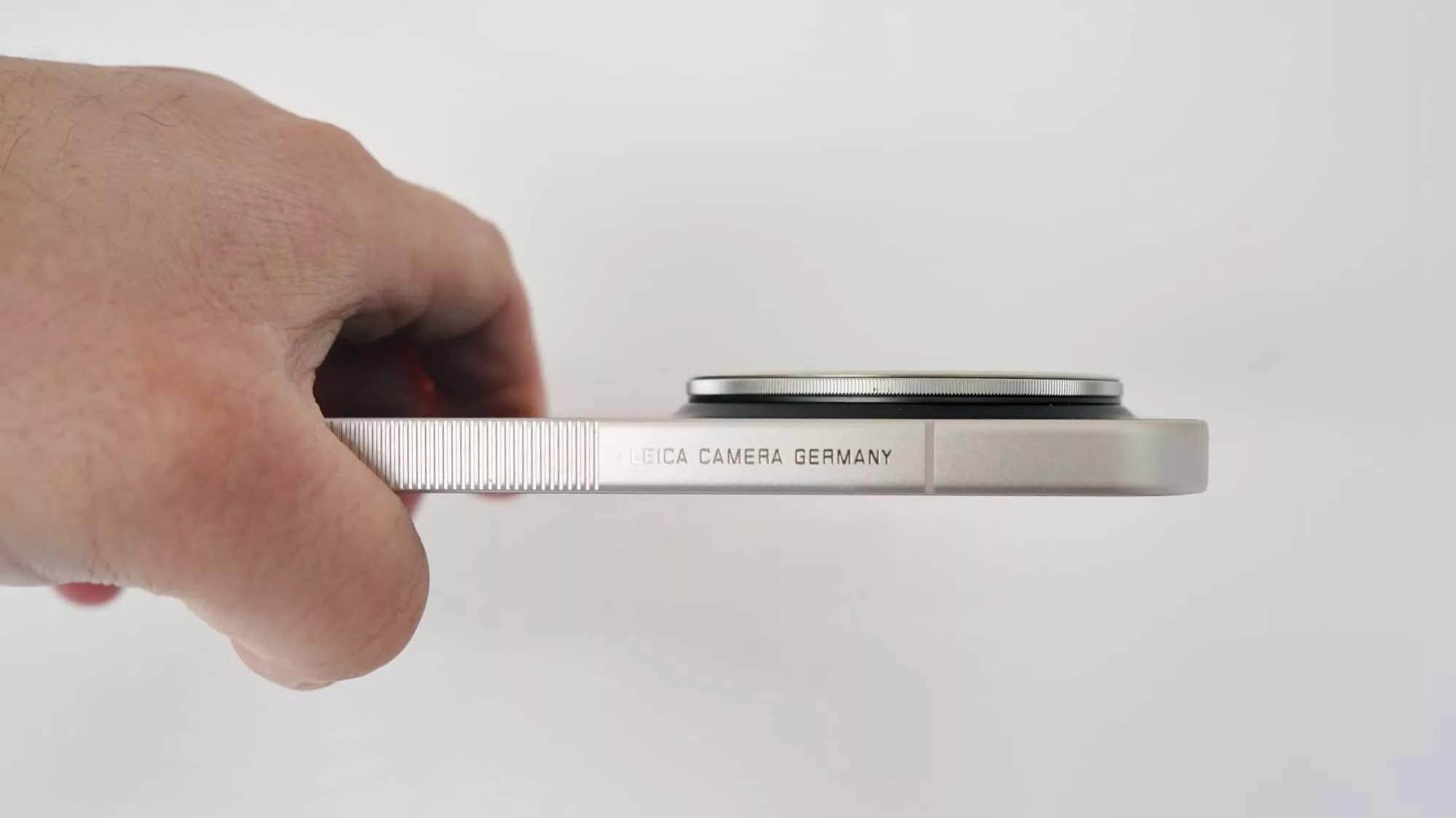
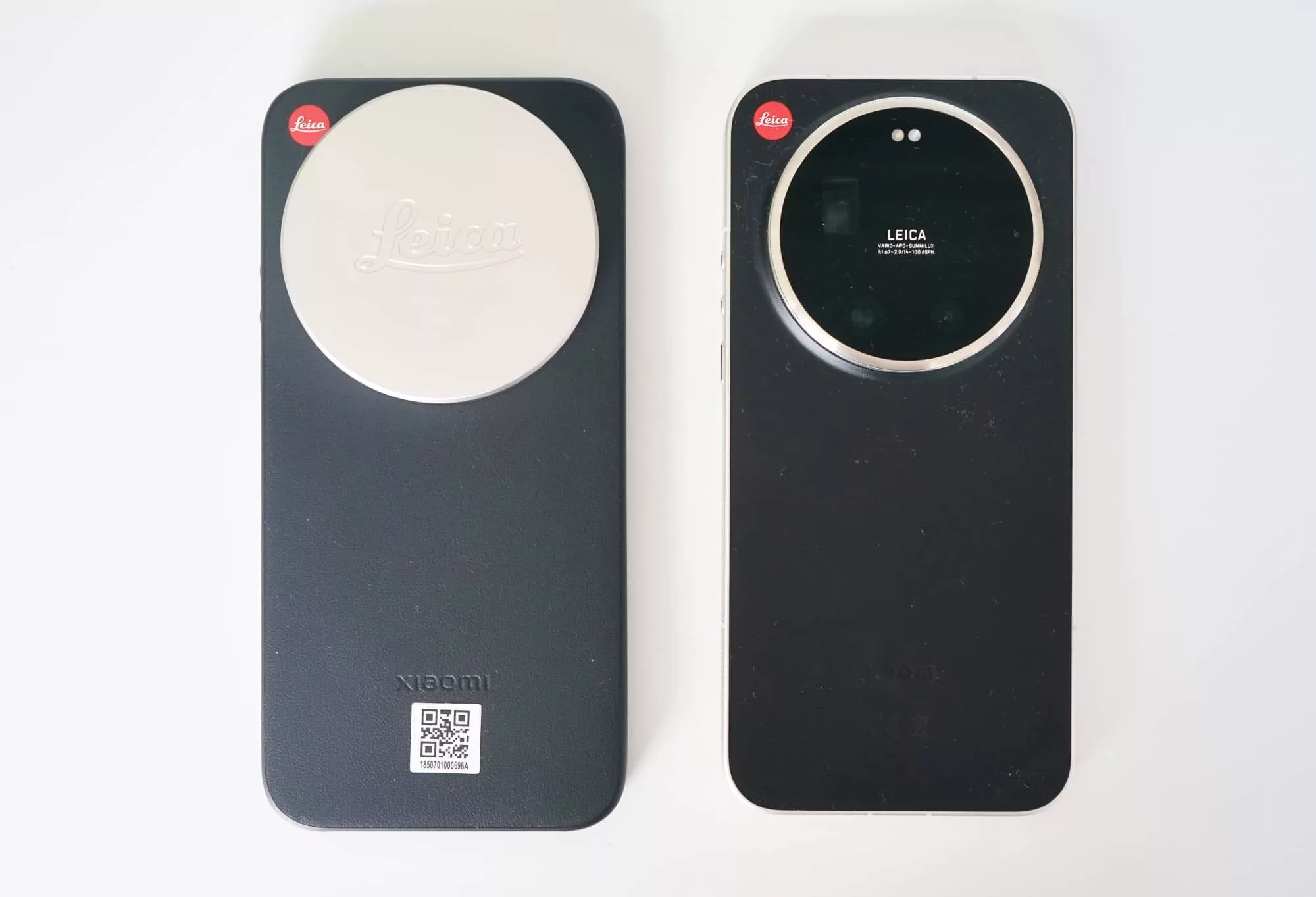
This approach to design gives the back of the Leica Leitzphone a real camera inspired approach to design, evident in the Leica stamp on the back, the name “Leica” on the camera, and its aluminium frame complete with the words “Leica Camera Germany” etched in.
One part camera and one part phone are the vibe here, though one where that camera block can throw out the balance.
While the frame is 8.32mm thick, rest the entire phone on a surface and the camera block extrudes in a way where the profile is closer to 17mm at its highest point, and can even snag your pocket as you pull the phone out.
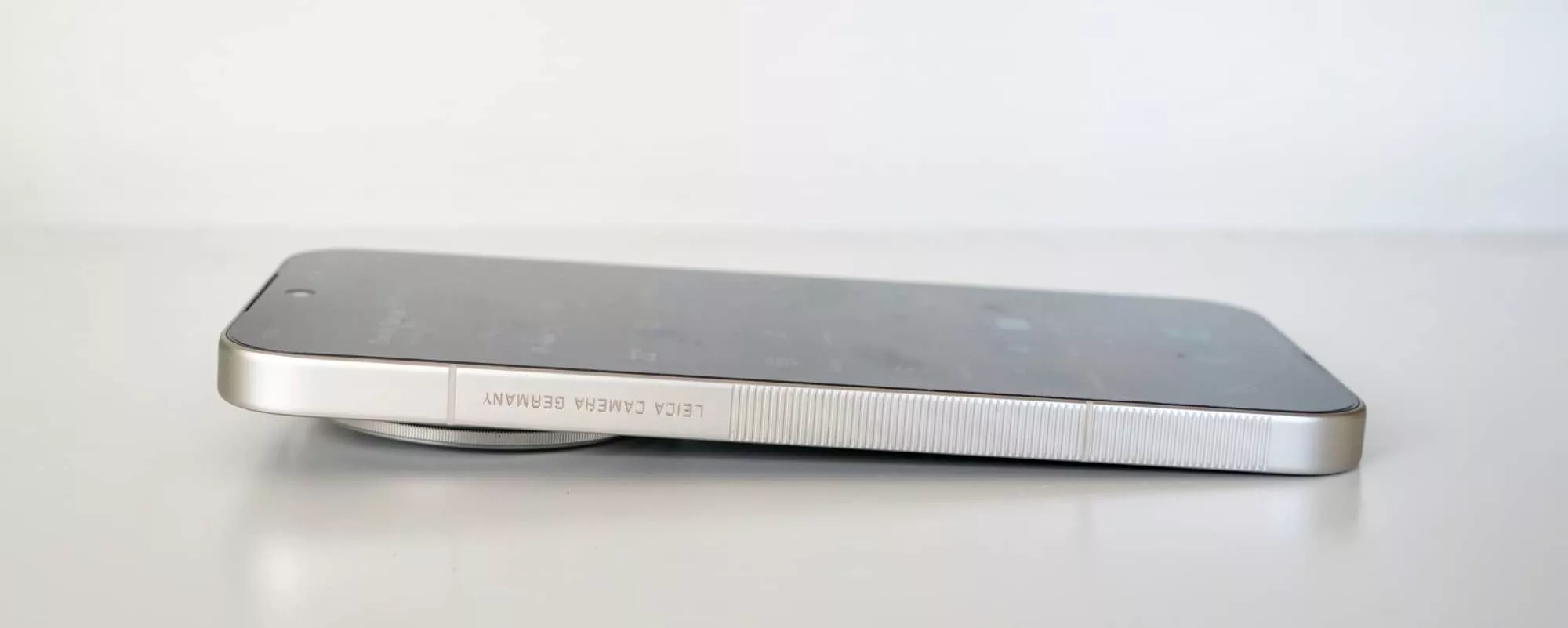
The heft of the 223 gram phone tells you something: it’s durable, thanks in part to an IP68 rating protecting everything inside.
Oh, and the Leitzphone only comes in one colour: black. Kind of like most of Leica’s cameras.
Features
Underneath, there’s quite a bit going on, as the Leica Leitzphone (or Xiaomi 17 Ultra) brings in a lot of high-end tech.
The chip of choice over in the Android world in 2026 is the Qualcomm Snapdragon 8 Elite Gen 5, a 3 nanometre piece of hardware with parts for processing, graphics, and of course, AI.
While there are technically two flavours of Xiaomi 17 Ultra, the Leica Leitzphone comes in one specific variant: 16GB RAM and 1TB storage. It’s the premium model. That’s what the Leica name gets you, as well as a little bit of Leica branding, and some highly tweaked features.
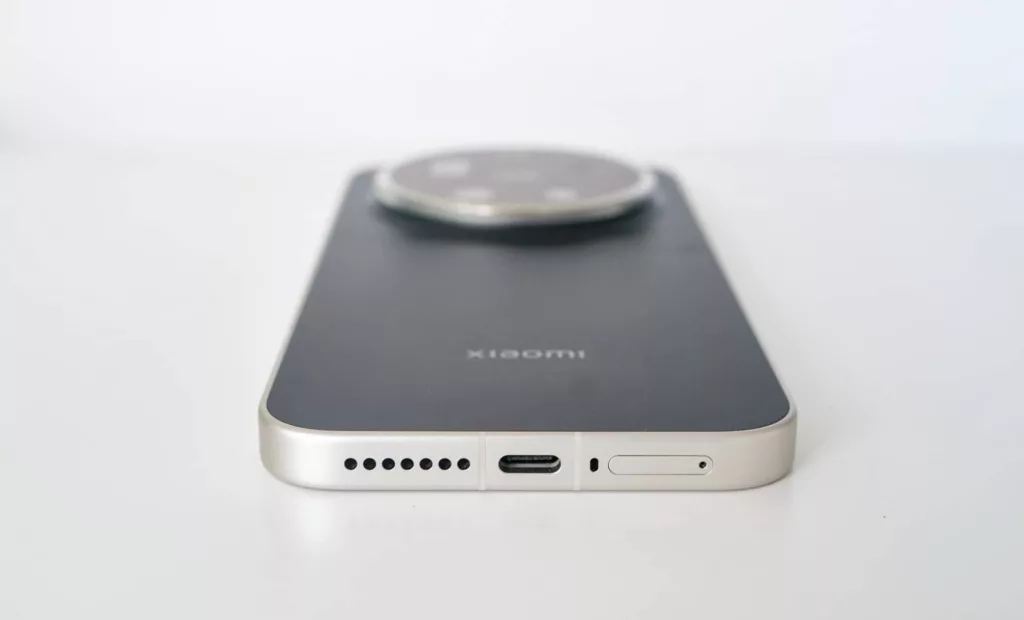
Already, your specs are high for this model, but almost everything else after it is the same regardless of whether you get the Xiaomi model or the one with Leica on the back and side.
It covers 4G and 5G (and technically 2G and 3G if you’re somewhere where they still exist), WiFi 7, Bluetooth 6, GPS, Miracast, and Near-Field Communication (NFC) for Google Pay, thanks in part to Android 16 being found on the device. There’s a fingerprint sensor in the screen and a facial unlock for the camera, which itself uses a 50 megapixel selfie camera.
Meanwhile on the back, the circular camera block for the Leitzphone and Xiaomi 17 Ultra includes a 50 megapixel F1.67 wide camera covering the 23mm focal range, a 50 megapixel F2.2 ultra-wide covering the 14mm range, and a 200 megapixel F2.39-F2.96 telephoto camera offering a focal range of between 75 and 100mm.
You’ll also find four microphones, support for the Academy Colour Encoding System known as “ACES”, and lots of modes for image and video capture. With the Leica name attached, you probably won’t be surprised that the Leitzphone comes equipped with lots of image-focused technologies.
And there’s also a 6000mAh battery underneath, which can be charged using a maximum of 90 watts wired charging or 50 watts wireless charging, though not using Qi2, but rather Xiaomi’s proprietary “HyperCharge” system. It is regular Qi compatible, however, you just can’t use the Qi2 magnets with the phone without a case.
Display
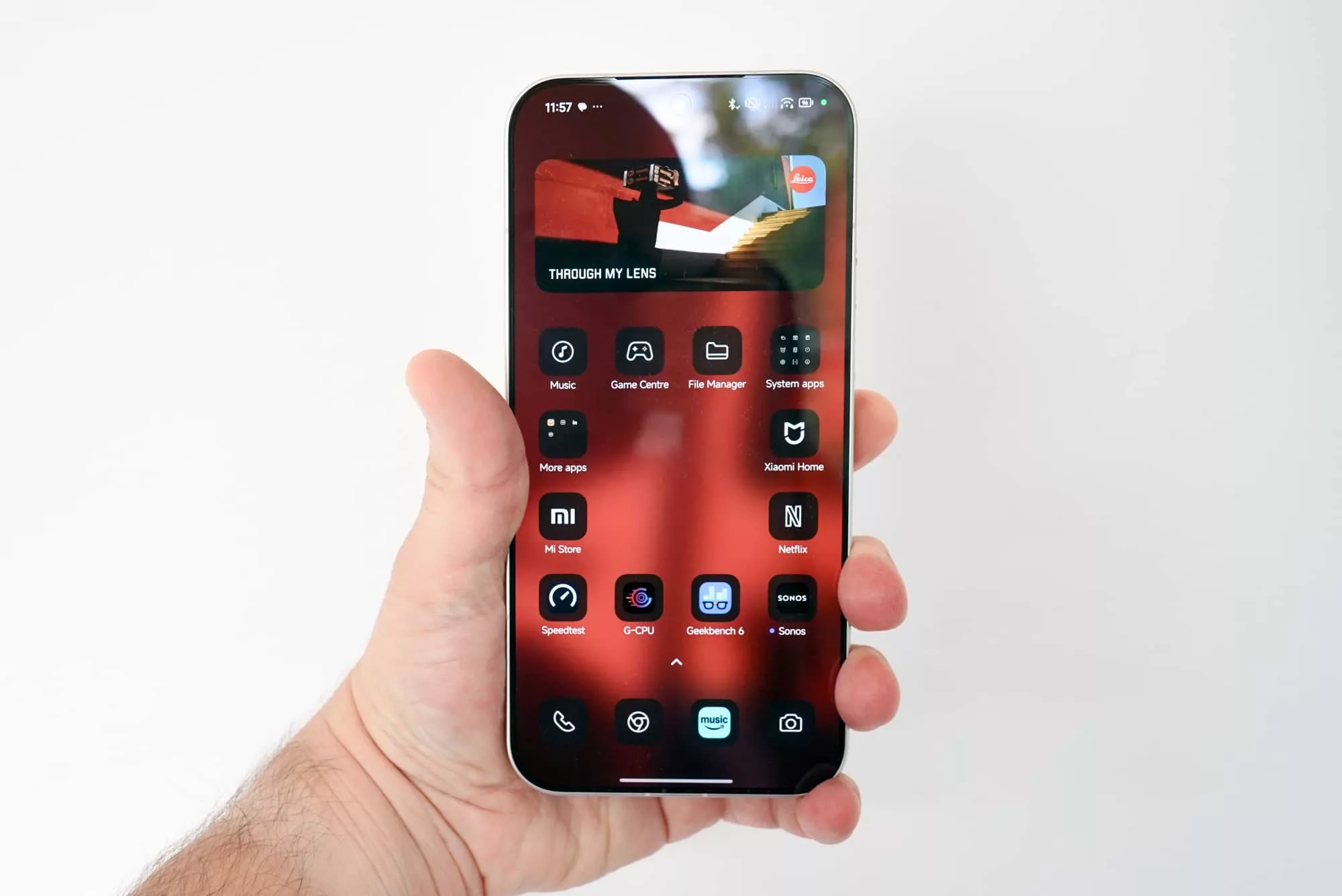
There’s also that sizeable OLED screen, a 6.9 inch Xiaomi HyperRGB display that runs at a maximum of 120Hz for slick animations, and supports a screen resolution of 2608×1200 (horizontally), plus an assortment of viewing options.
It supports the P3 colour gamut, handles HDR and Dolby Vision, is blue light certified, and delivers a maximum of 3500 nits, which is all to say the Leitzphone screen is bright, easy on the eyes, and quite clear.
No complaints here. It even comes with a modicum of protection, using Xiaomi’s own Shield Glass 3.0.
In-use
Out of the box, you’ll be greeted with Android, though it may not be Android the way you’re use to.
Another generation of Android, Leica’s collaboration with Xiaomi means while the Google operating system is used, it’s not really a stock experience like a Pixel. Rather, you get Xiaomi’s “HyperOS” as the company calls it, running on Android 16.
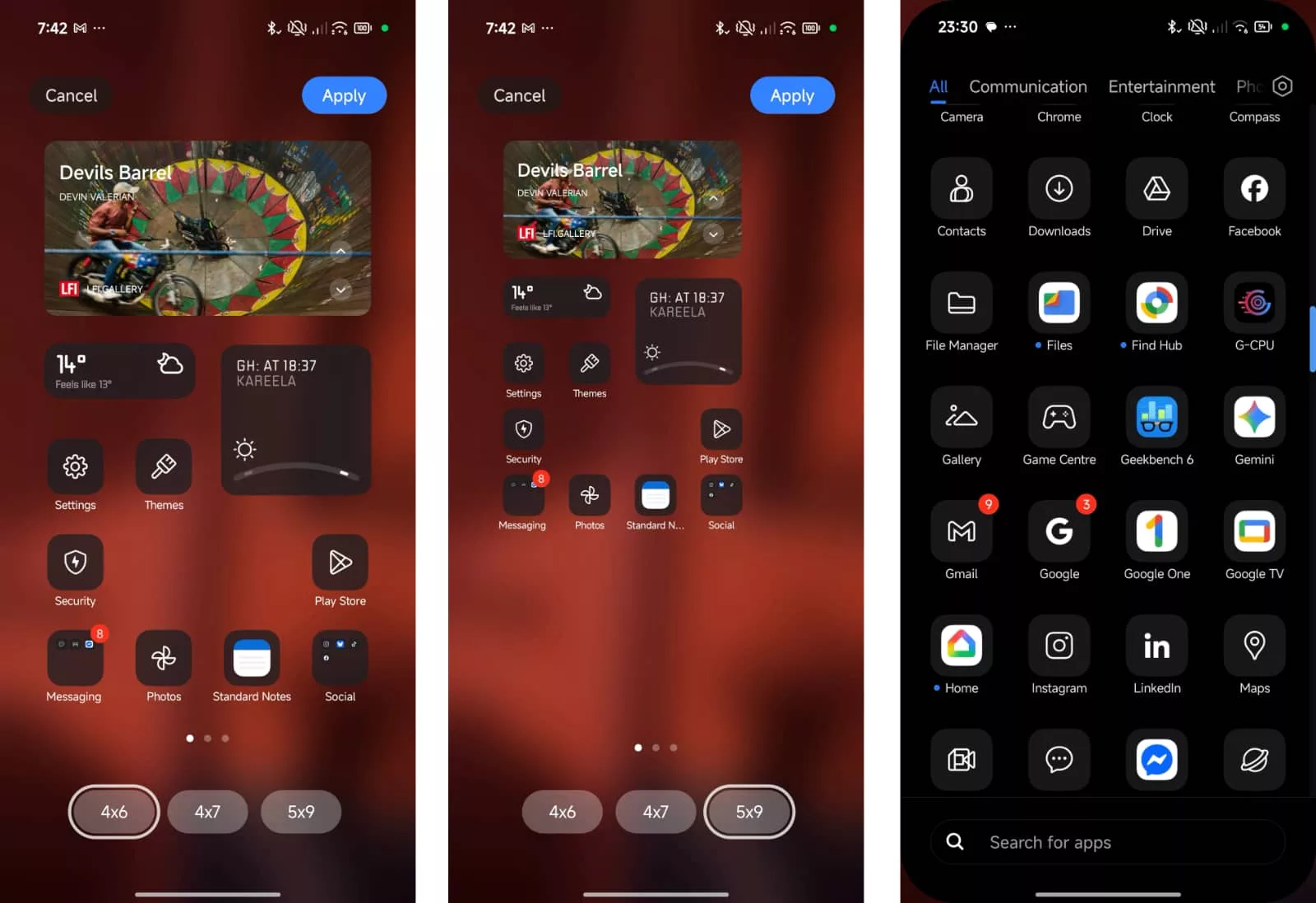
It’s polished look, though one that can feel more sanitised and overly minimalist, particularly in the Leica variation. Custom icons, lots of control from the settings screen, and even the ability to make icons super small in a distinct 5×9 grid — five icons wide, nine icons down — it’s not Android the way we’re used to it, but it might offer minimalists something different.
Like other phones, unlocking is down to a camera unlock, an in-screen fingerprint sensor, or just punching in your PIN like everyone else.
However, one feature that is specific to the Leica Leitzphone is on the back, with a control ring you can use to zoom in almost like a real camera.
You can actually map this for different camera modes, choosing between zoom, focal length, exposure value, and filters on the automatic cameras, bokeh on the portrait version, and adding ISO, shutter speed, and focus controls to the pro manual camera.
It’s a unique feature that definitely plays to photographers and folks who know the Leica name. This isn’t just an obvious branding exercise, though the build quality can feel a little weird: if you shake the phone slightly, it can sound a little cheap.
Performance
Once you know how to use the phone, it’s time to get stuck in and see just how fast the whole thing can get.
As this phone is our first proper flagship for the year, it’s the first time we’re putting the Qualcomm Snapdragon 8 Elite Gen 5 to the test, and unsurprisingly, it is fast.
| Device | CPU Single Core | CPU Multicore | GPU |
|---|---|---|---|
|
Google Pixel 10 Pro XL
Google Tensor G5
|
2306
|
6280
|
3182
|
|
Samsung Galaxy S25 Ultra
Snapdragon 8 Elite
|
3051
|
9727
|
18514
|
|
Leica Leitzphone
Qualcomm Snapdragon 8 Elite Gen 5
|
2943
|
7853
|
22317
|
|
Oppo Find X9 Pro
MediaTek Dimensity 9500
|
2933
|
8941
|
23458
|
The chip is up there in terms of performance, evident when you compare the Leitzphone to models throughout the years. For a new phone, this should be like Hercules and go the distance (you must really like his music).
But because we now also have Samsung’s Galaxy S26 Ultra in for review, we can that Samsung has a bit of an edge with its custom Snapdragon 8 Elite Gen 5.
| Device | CPU Single Core | CPU Multicore | GPU |
|---|---|---|---|
|
Leica Leitzphone
|
2943
|
7853
|
22317
|
|
Samsung Galaxy S26 Ultra
|
3660
|
11200
|
24842
|
Pitting both the Leica Leitzphone and the Samsung S26 Ultra against each other in a head-to-head shows Samsung manages to outpace the Leitzphone (and the Xiaomi 17 Ultra) in CPU and graphical performance.
It’s not a massive leap ahead, and both are really quick pieces of hardware. But there’s a definite speed increase in what Samsung is delivering by comparison.
Over in mobile performance, the speed is more or less where you might expect it to be: fast.
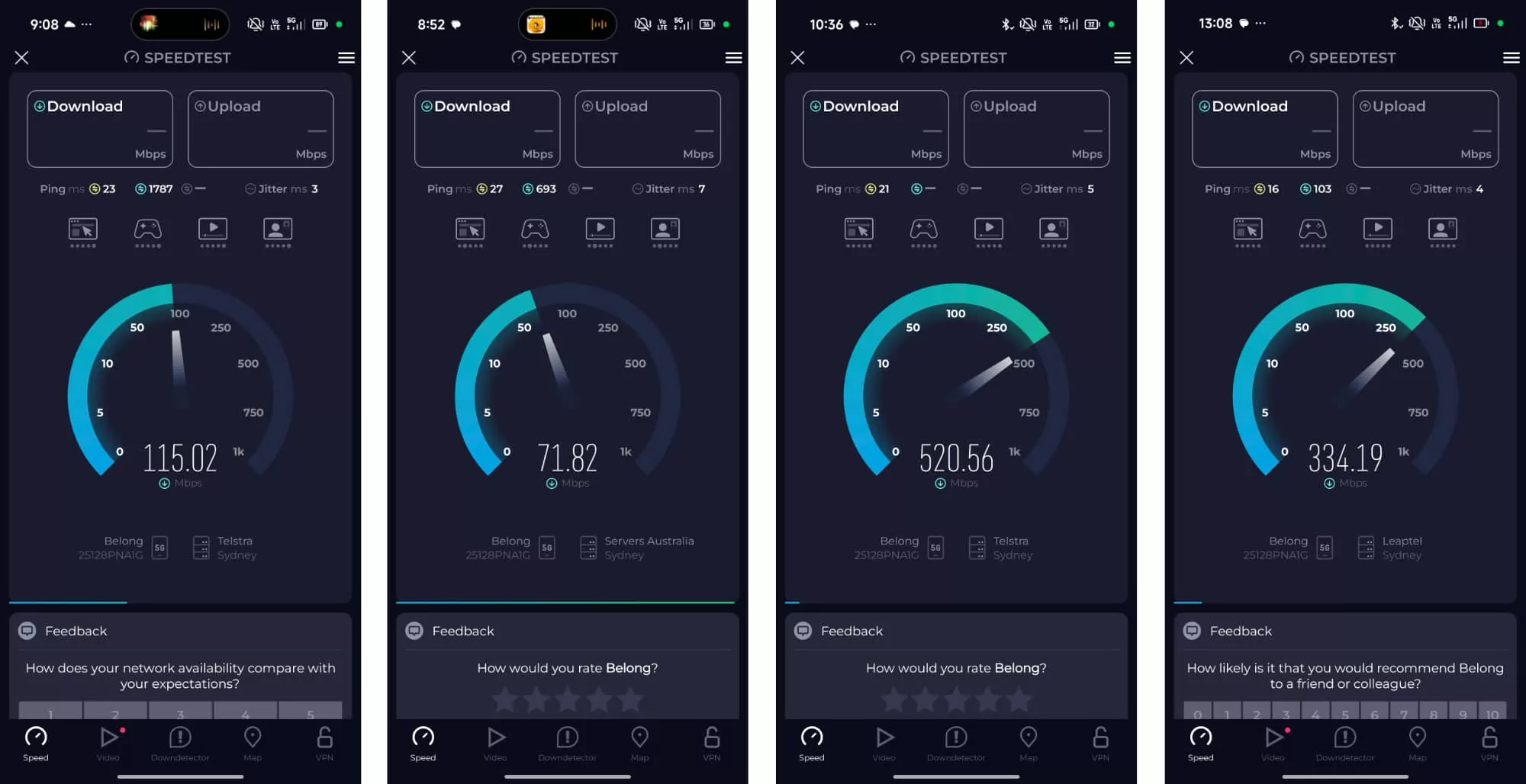
Testing the Leitzphone using the Telstra 5G network by way of Belong in Sydney, Australia, we found speeds as high as 520Mbps in our tests, before Belong’s system pulled our speeds back. That tells us enough: if you’re within reach of a decent connection, you should see high speeds aplenty.
Camera
While the performance is good, you don’t come for a Leica phone and necessarily stay for the performance. It’s nice to have, sure, but you’re here for something else.
You come for the camera. You come for how it seemingly gives every image a filmic quality. And then you stay for the camera and the photos.
And you might definitely do that, because the images out of the Leitzphone are just magic.
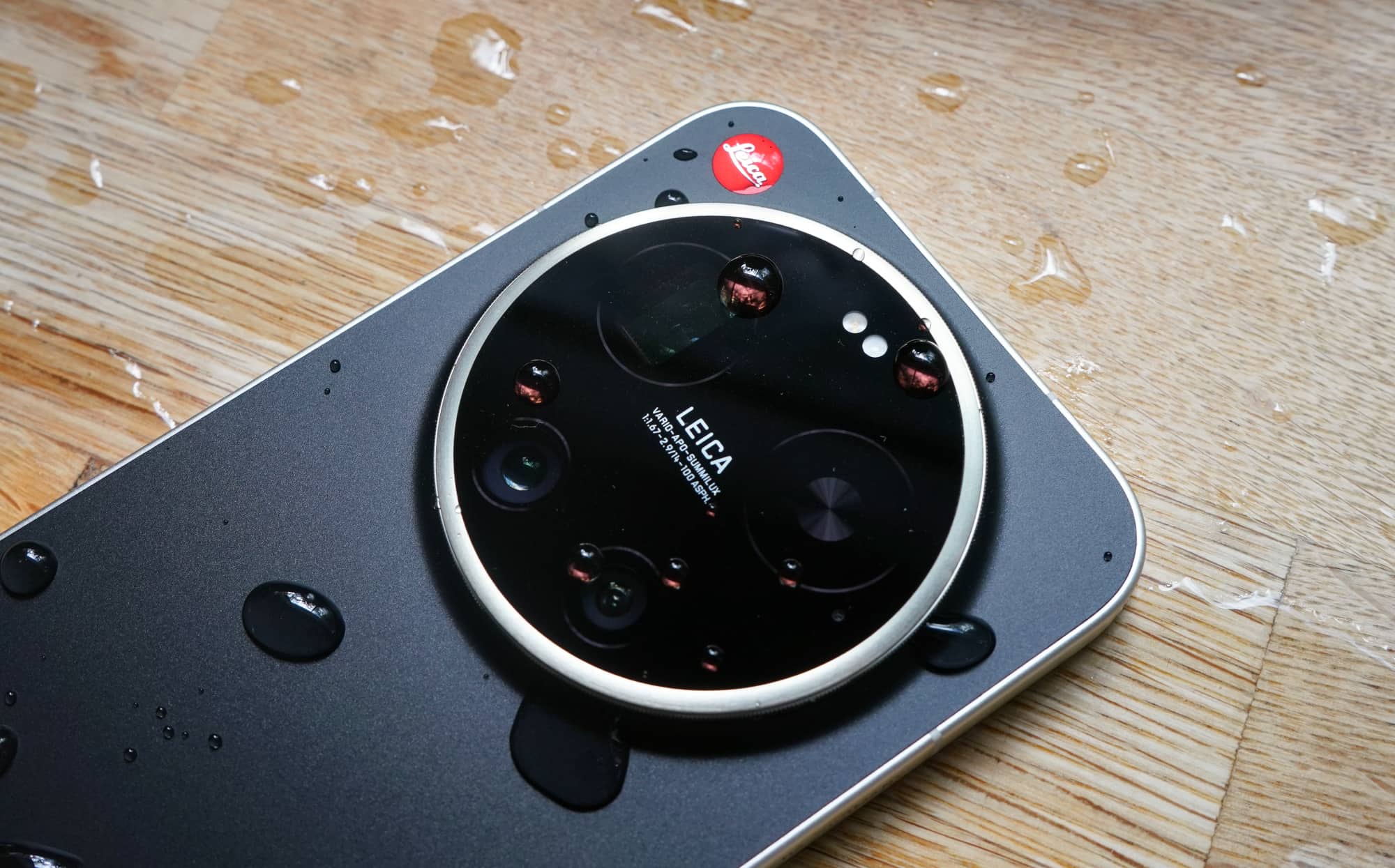
A combination of three cameras can be found on the back here, and they’re all pretty damn impressive. The biggest is the 200 megapixel telephoto camera technically covering a range of 75 to 100mm through F2.39 to F2.96, letting you get close in the one sensor and acting a little like a proper telephoto zoom, while a combination of two 50 megapixel cameras cover wide and ultra-wide, delivering an aperture of F1.67 for the wide and F2.2 for the ultra-wide.
That might simply seem like numbers to you, but it means the cameras on this phone behave a little like a camera system on an actual camera.
They go wide and close, and that big 200 megapixel camera is even doing a trick of zoom, essentially cropping an image down to 12 megapixels to match the resolution of the others (or as close as it can, it’s typically a few pixels off vertically).
Using Leica glass helps a little bit, as do these low apertures, because it means you’re getting a camera system that can deliver some really lovely photos, and even a choice of Full HD, 4K, and 8K video, should you want it to.
Daylight shots are crisp and clear, and even night time shots seem to find light where none should be found. It’s a stellar stack, helped in part by some of the extras the Leica collaboration seems to have given this special version of the Xiaomi 17 Ultra.




That Leica effect
Central to the whole “Leica” phone approach is the Leica effect Xiaomi has worked with the camera maker on. It’s not just a filter, but rather emulated cameras and lenses you can find scattered throughout the system.
For instance, if you love yourself a Noctilux lens and don’t happen to have an extra $22,000 lying around to go with a camera you also possibly don’t own, Leica has specifically emulated one in the camera settings, so you can play and tweak and generally have some fun.
Or if you prefer using a more portrait-oriented soft-focus lens like the Thambar, the Leitzphone also has this built in, as it does a bunch of other Leica lenses.
The same goes for matching Leica specific styles, such as the Leica M9 camera, or even a Leica M3 with Leica’s own film, something that actually exists in physical form today.




Even some extra film-like modes are here, imparting a more filmic approach to your shots.
There are the obligatory standard and vivid colour modes, sure, but there are also colour tweaks such as “classic” which ups the contrast and apply a different tint, “brass” which warms almost as if captured through the golden hours, or “contemporary” which brightens the shadows and eases the colour saturation.
It wouldn’t be a Leica without some lovely options for monochrome, either. While you don’t get direct colour filtration controls, you get a natural monochrome look, a high contrast one, a blue-toned monochrome that’s a little reminiscent of a cyanotype (but also really restrained), and a more interesting “1 Model A” option that adds grain and contrast to emulate the feel of film in the early 20th century, essentially celebrating the Leica 1 Model A from 1925.
The results from the camera normally are great, but when you play with everything the Leitzphone has to offer, it feels like you get so much more.


Yes, the camera is exceptional. But this isn’t just a camera. The Leitzphone is a love letter to Leica made to take with you everywhere.
It’s one of the most fun phone cameras this reviewer has ever been fortunate enough to play with.
The interface
The problem is the interface for the camera is a mess by comparison. It’s almost as if the designers have tried to pack too much in without a solid plan.
There are screens you can swipe up on and screens you can swipe down on. There is information for every Leica feature and some of it feels like an ad, complete with the company’s 100 year birthday celebration.
The real problem is remembering where everything is and what it does.
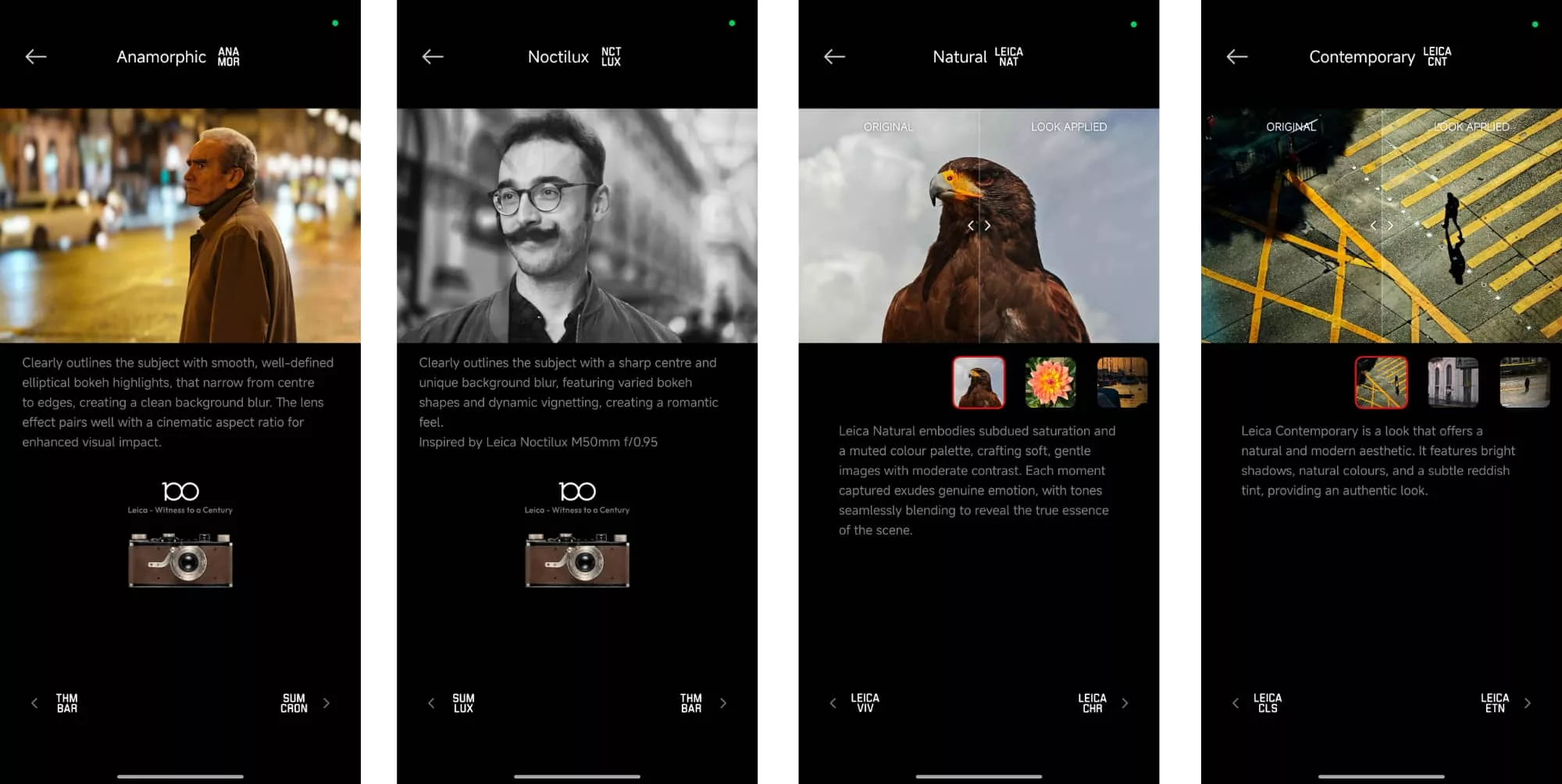
For instance, those film colour settings can be found on most screens in the bottom right, but they won’t always save for the mode you’re in. If you want to capture as a Leica Essential — the M3 in monochrome or M9 in colour — you have to do it in the Essentials mode.
And if you want those special lenses, they’re only in the portrait mode, but also only if you press the aperture control’s F-stop button, and then flick through lenses. When you see it in action, you’ll actually see the whole thing is a post-processing filter that fits over the top after you’ve taken the photo. It’s a reminder that what you see isn’t necessarily what you get.
That’s before mentioning that you can swipe up for more modes like time-lapse, document scanning, or long-exposure, or jump into the “pro” mode for aperture, shutter-speed, ISO, exposure values, and colour controls, something you can save to parameter presets much like a real camera with multiple modes.
There are megapixel sizes of 12.5 and 50 and 200 megapixels, framing controls, an AI-based “ProCut” feature from Xiaomi for compositional assistance, and even an extra switch for style changes in “Leica Authentic” and “Leica Vibrant”.
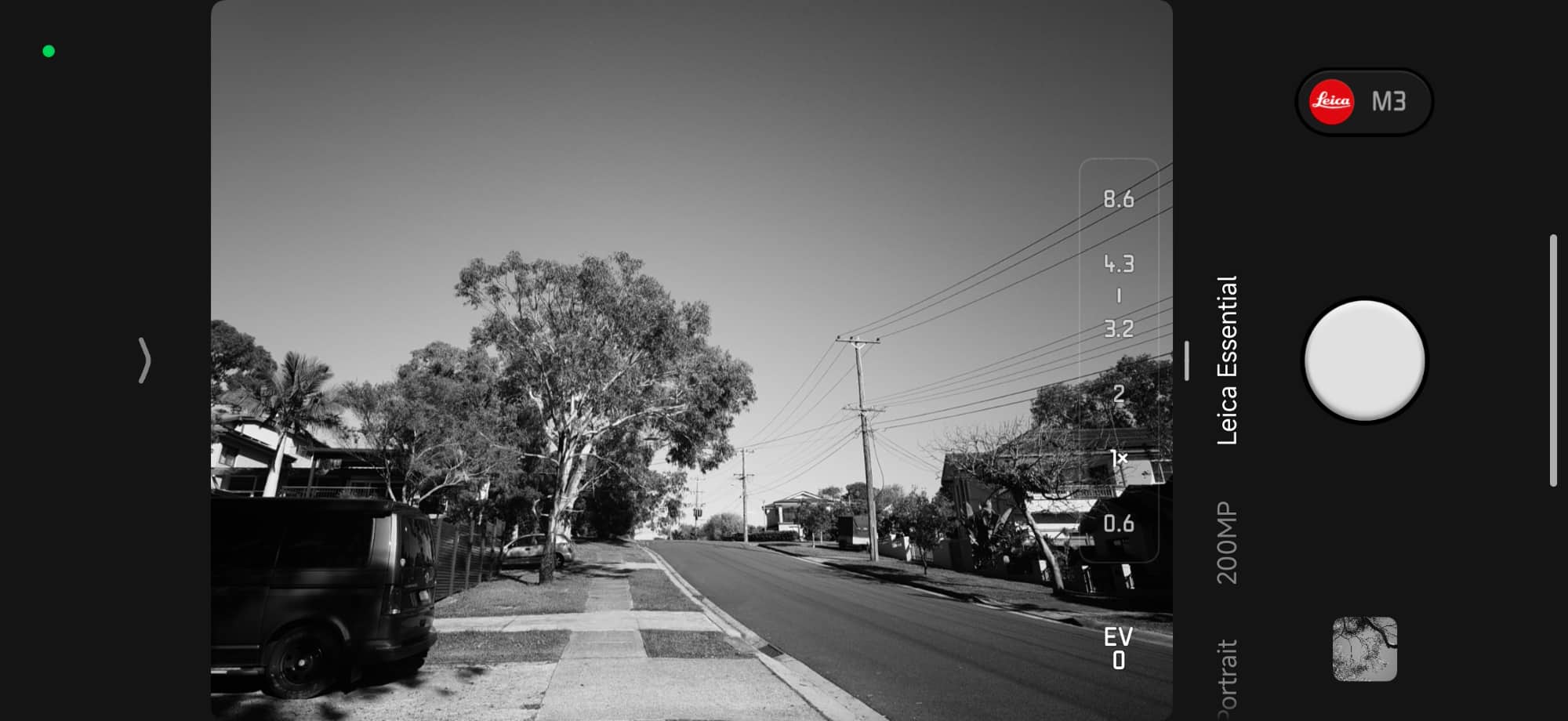
There is so much to the camera interface, but it doesn’t always feel balanced, or not as balanced as say a Leica camera. It’s cool and clever and impressive that so much is here, and there is a lot of fun you can have, but it never really strikes the balance that either the real thing gets, or even that other phones quite deliver.
Battery
Past the camera, the battery life isn’t stunning.
While technically capable of two days of battery, our tests showed the Xiaomi Leica phone is more likely to need a charge on the second day, which makes it a 1.5 day phone battery.
That’s rather the norm for phones of this size, but it also feels less impressive than it should because of the battery size in the phone itself.
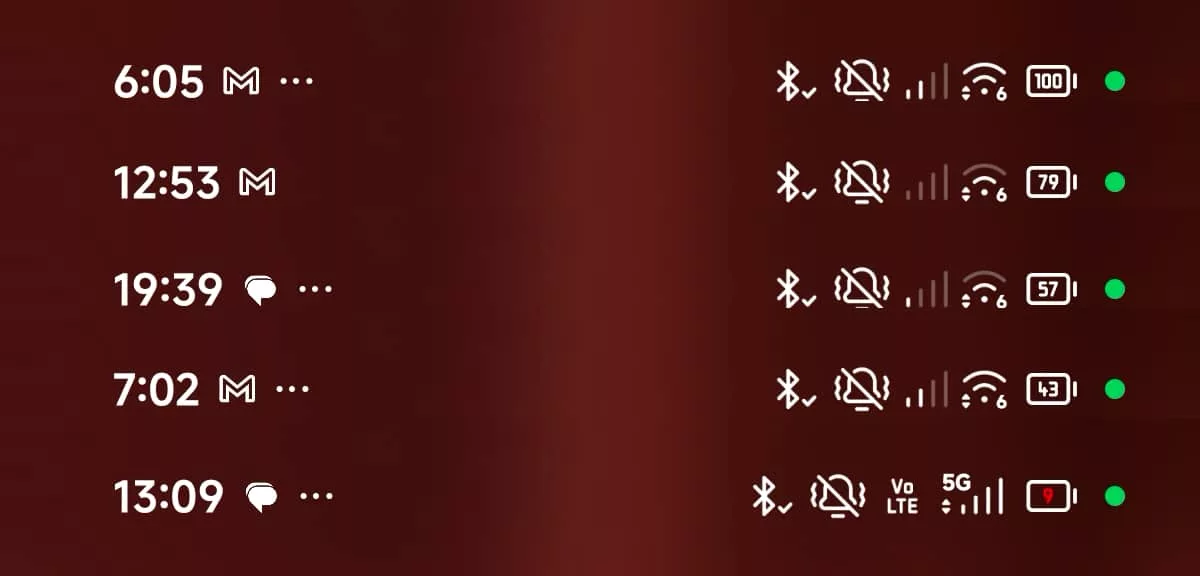
Most phone makers max out at 5000mAh or just a little beyond it. The Leica Leitzphone offers a 6000mAh battery, which is clearly bigger, but just doesn’t feel bigger.
Our experience clocked around 5-ish hours of screen time, and while more is likely possible, the vibe isn’t much more.
Even testing the phone with our battery benchmarking tool, the results weren’t as spectacular as the 6000 mAh battery should have achieved.
| Device | Battery |
|---|---|
| Apple iPhone 17 Pro Max |
25:49
|
| Leica Leitzphone |
22:56
|
| Google Pixel 10 Pro XL |
20:51
|
Value
At least the price doesn’t feel bad, offering top tier specs and the Leica name for less than you might expect.
Priced at $2299, the Leica Leitzphone seems like a bargain for what you get, delivering a fast chip, lots of memory, plenty of storage, and a solid camera system.
The storage is particularly impressive for the price, with 1TB phones often commanding close to the $3K price, but not here. Apple’s iPhone 17 Pro Max with 1TB is $2999, while Samsung’s Galaxy S26 Ultra 1TB model is fifty bucks less at $2949. You may as well call both $3K phones, because they basically are.
But here over in Xiaomi’s neck of the woods with Leica at helm for the camera side of things, the combination of 16GB RAM and 1TB storage is $2299, and that’s with those Leica tweaks.
Comparatively, the Leica Leitzphone is a bargain. That’s not to say it technically is a bargain, but in the world of flagship phones, the Leitzphone offers tremendous value.
Of course, as with most things “Leica”, value is a bit of a question mark. The word and a camera brand where pretty much everything is expensive don’t often go together. And yet, the Leica Leitzphone gets close, or close enough for jazz.
What needs work?
But it can feel a little weird here in Leica-land on what is basically a Leica-skinned Xiaomi, and that’s because the skinning doesn’t get everything right.
Take the look of Android via Xiaomi’s overlay. It’s pretty clear the look pulls from some of the design traits of Leica’s style, complete with the technical font, the line art, and the monochromatic style.
It just also feels incomplete.
To do this, Xiaomi and Leica have skinned the Android overlay so that it comes in a specific look, and one that reminds this journalist of what Nothing does on its phones. But the icons aren’t complete, and the icon pack can feel lacking.
We don’t expect Xiaomi or Leica to have an icon for everything, but key apps miss the specialist icon touch, such as Facebook Messenger, Bluesky, Sonos, Amazon Shopping, Google Gemini, Google Home, Google Wallet, and others.
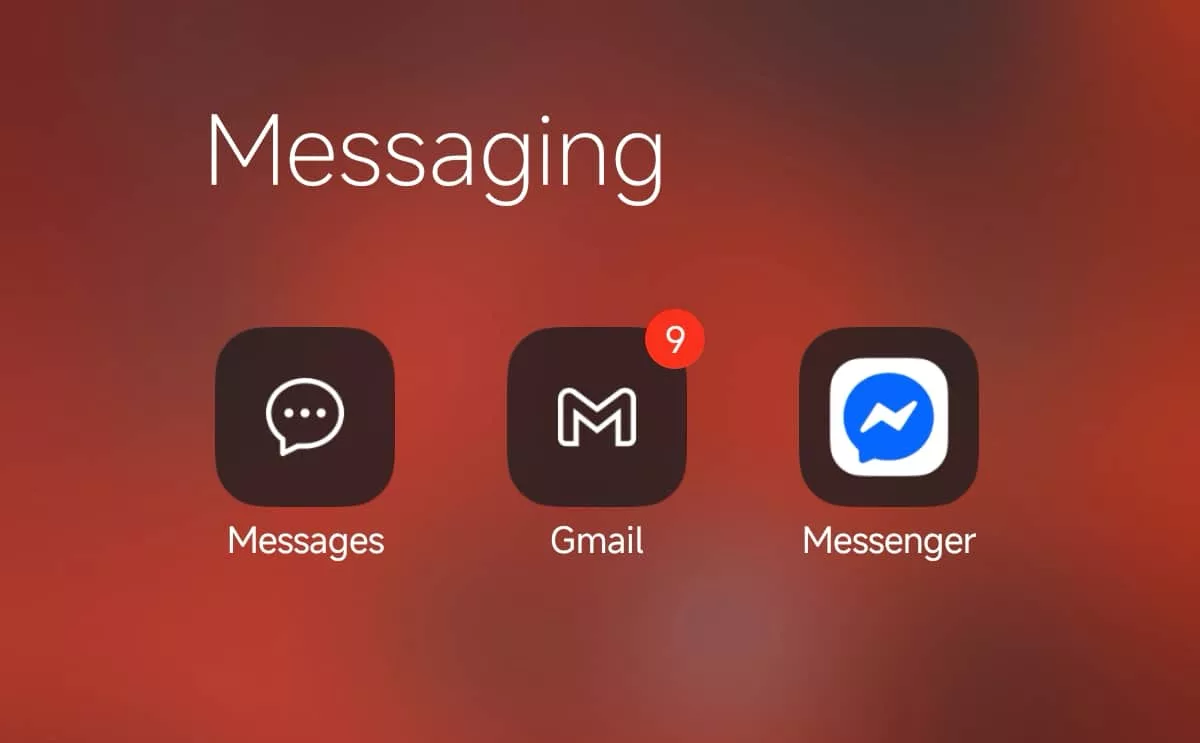
Further, the Xiaomi version of Android doesn’t let you customise the icons of apps, so you also can’t easily change the icons to another icon pack.
Some apps have icons, and others do not, and it’s just a weird disconnect knowing the launcher and skin can separate apps by category, but not let you change them. You’re basically stuck with the shortfalls and icon deficiencies of the overlay. It feels completely incomplete.
It’s one of those weird aspects you don’t expect on a flagship phone, much like the total absence of Qi2 magnets. To Xiaomi’s credit, the Leitzphone does come with a magnet-equipped case in the box (it did for our review unit), but it’s not a native in-body set of magnets, so you won’t be going naked with this handset.
What we love
While the omission of Qi2 magnets is a bit annoying if you go naked, the magnet-equipped case helps, and most people do typically keep their phones protected, so it’s not a major thing.
And it doesn’t sully what we love about the Leica Leitzphone, either: the camera takes great photos, and the experience of using it is really fun.
It’s not unusual to buy a phone for its camera, and we totally understand why someone would. That’s the main feature that makes them stand out these days. Go for your life.
But it’s rare to find a phone camera that keeps the art of taking photos as part of its raison d’être. Using a phone camera is great: it’s functional and convenient, but rarely is it fun. Leica’s interface is a bit of a mess, but using the Leitzphone is really fun.
This may well be the most fun this reviewer has had with a phone camera in a really long time. It feels a little like a complex toy camera, but the results are so much more. It’s as close as you get to getting the vibe of a Leica Q-series camera built inside of something far more portable, and even manages to outdo the last Leica mobile we tested from Huawei.
It’s such a fun phone camera. We can forgive the little things that nag and bug.
Final thoughts (TLDR)
Possibly one of the bigger issues is that the Leitzphone can feel like a gimmick. I mean, it’s technically just a well-spec’d Xiaomi 17 Ultra with Leica styles, Leica tweaks, Leica looks, and Leica branding. We probably won’t end up reviewing the standard Xiaomi 17 Ultra as a result, because outside of the Leica extras, it is basically the same phone.
But for that reason, It’s also not a gimmick. It’s just a different way of expressing a love for Leica and cameras inside of a phone.
That said, it won’t suit everyone. Leica owners more into having an iPhone might prefer simply using Leica’s similar app experience, Leica Lux, which brings similar features and lens emulation to an iPhone, and something Leica even makes a magnetic grip for.
But if you live in the Android world, and you love the vibe of Leica, or even just love the fun of taking photos, the Leica Leitzphone is an easy recommendation. Without doubt, it brings fun and playfulness back to mobile phone cameras.
There’s a lot here, and if you use it, you’ll go looking for it, too. This is a filmic phone. Recommended.