
Quick review
The good
The not-so-good
Power tools have cordless batteries you can move between models, so why not home appliances? The KitchenAid Go Cordless Collection makes it so, and could make you more a captain of your kitchen.
The concept of a cordless tool is something many of us take for granted, but it’s an idea that hasn’t come to everything. You can easily find cordless drills and other forms of sans-cord-cutters stored in the shed, but if you spend time in a different part of the house like the kitchen, cordless isn’t something you get to experience yourself.
If anything, going cordless is the missing link for cooking tools, with gadgets used for food preparation invariably only found in with a cord and cable.
You are, in essence, tethered while you cook, and you will do it in the one place: the kitchen.
But it doesn’t have to be that way. Very much a situation where you find yourself asking “why hasn’t anyone done this before”, Kitchenaid has a range of home appliances where the battery isn’t just an optional feature, but a part of how things work.
What’s going on with the Kitchenaid Cordless Collection, and is it a sign of things to come?
What is the Kitchenaid Cordless Collection?
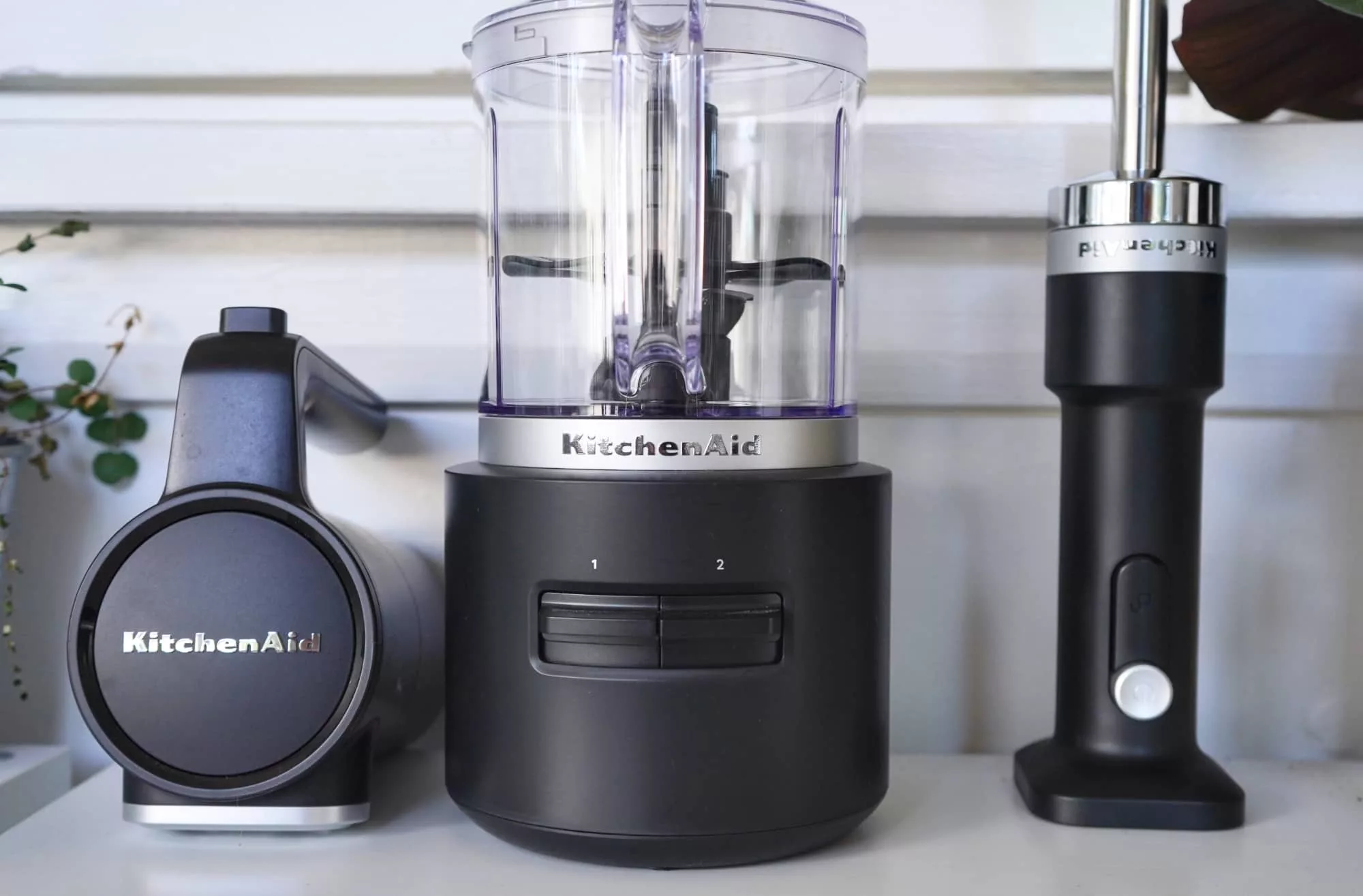
No stranger to home appliances, Kitchenaid’s Cordless Collection takes a set of small kitchen appliances and adds something they’ve never really had before: a spot for a battery.
Much like how a drill can have an external battery, and a cordless screwdriver, and a sander and chainsaw and even. be shared with the same system as a lawnmower, so too can small home appliances, as Kitchenaid builds something we’ve not seen before: a battery-enabled ecosystem for home appliances.
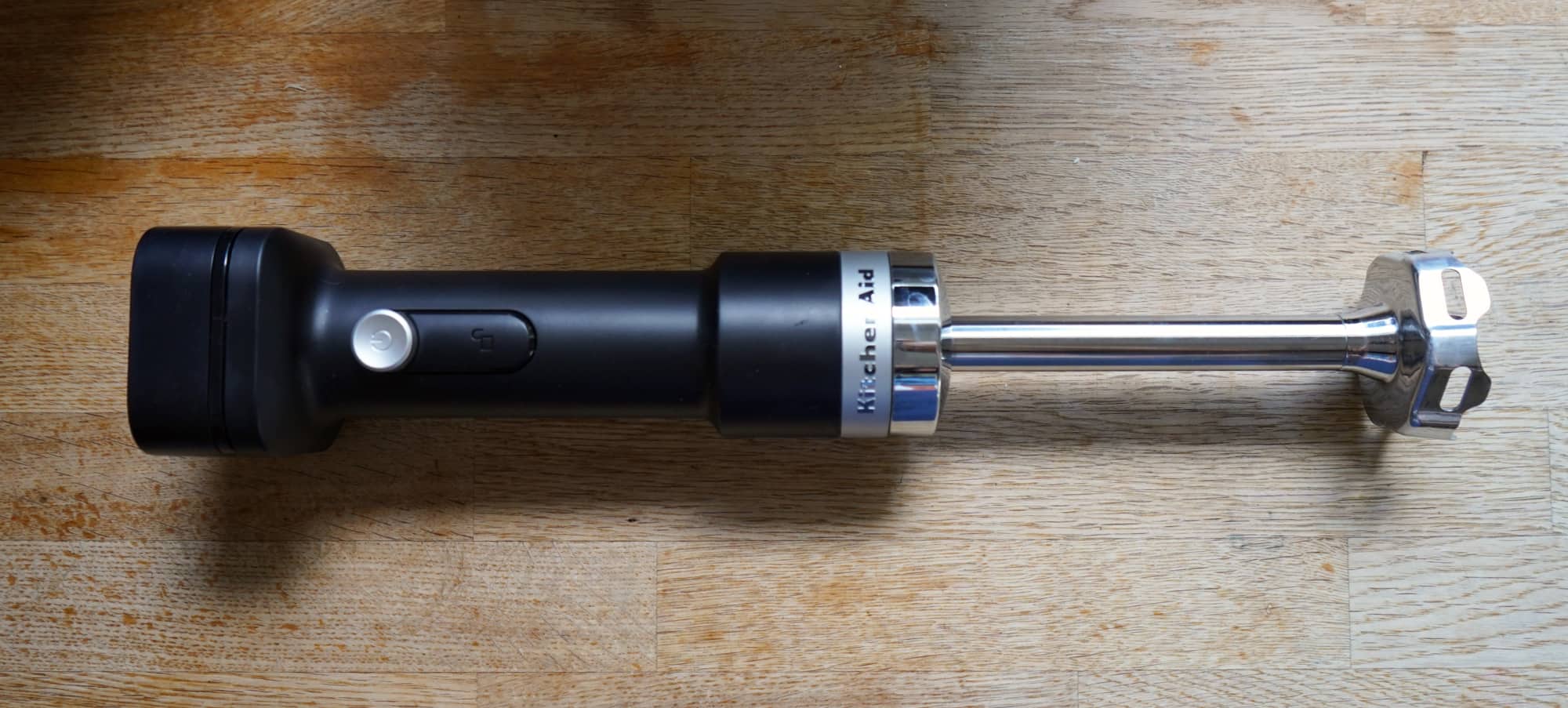
This isn’t just one single device that’s gone without the cords. No, the “collection” part of the KitchenAid Go Cordless Collection covers six specific appliances, including a coffee grinder, food chopper, small blender, hand mixer, stick mixer, and small kitchen vacuum.
They’re the sort of gadgets you might lean on for cakes and smoothies, or even basic cleaning. Frankly, this is the first time we’ve heard of a vacuum made specifically for the kitchen, but here we are.
All six are specific appliances, and they all come with the one feature that makes them unique: a cordless battery system.
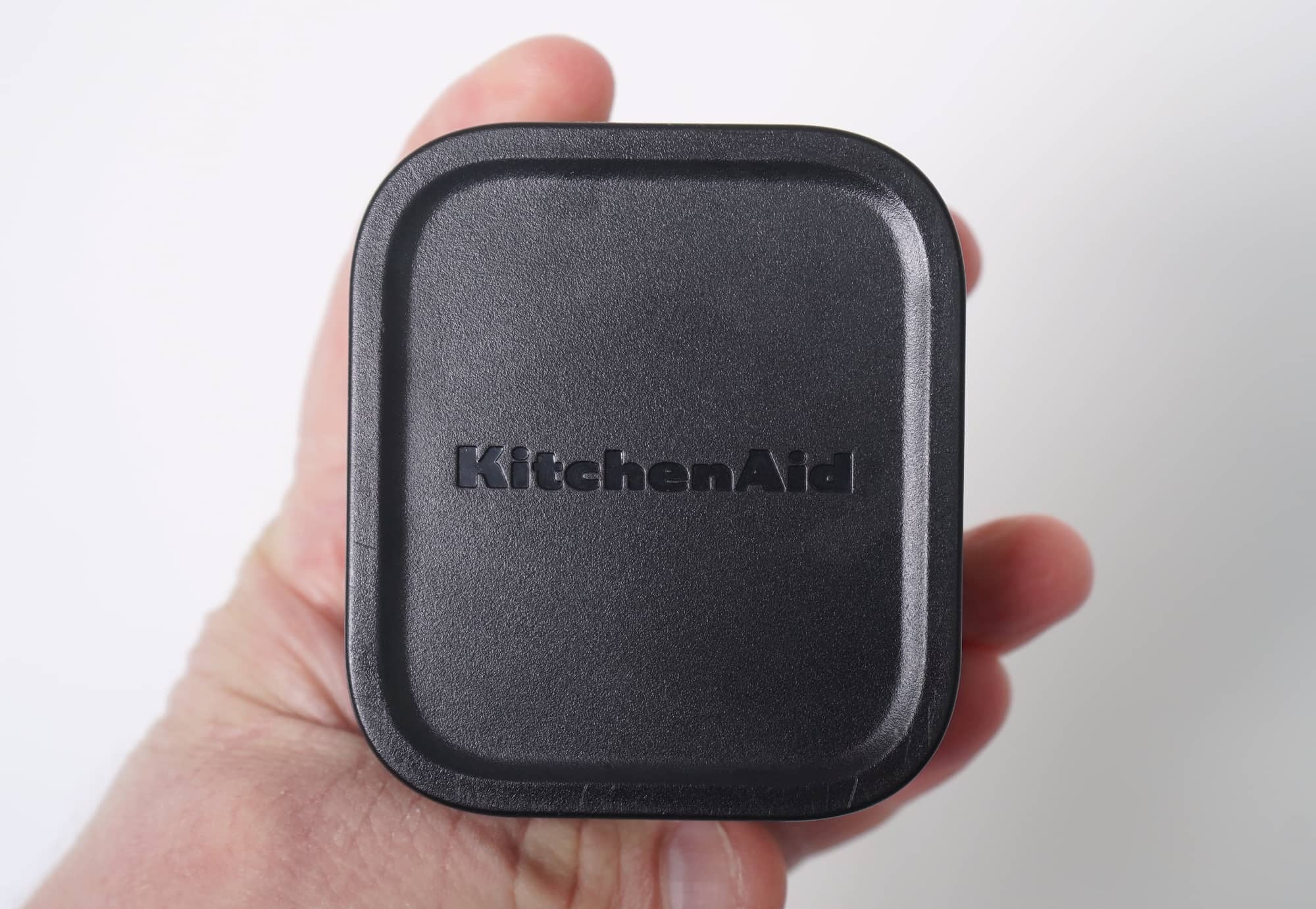
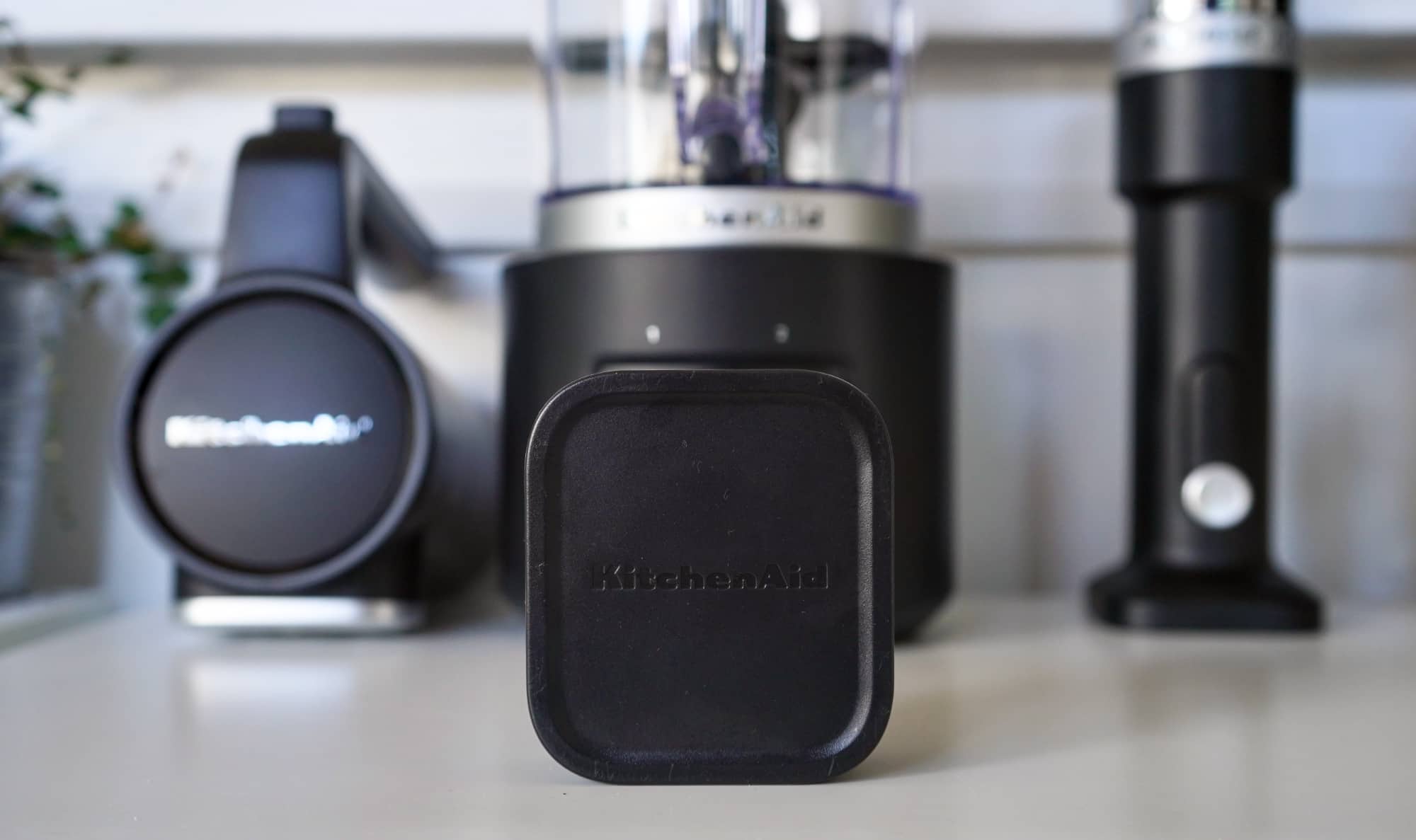
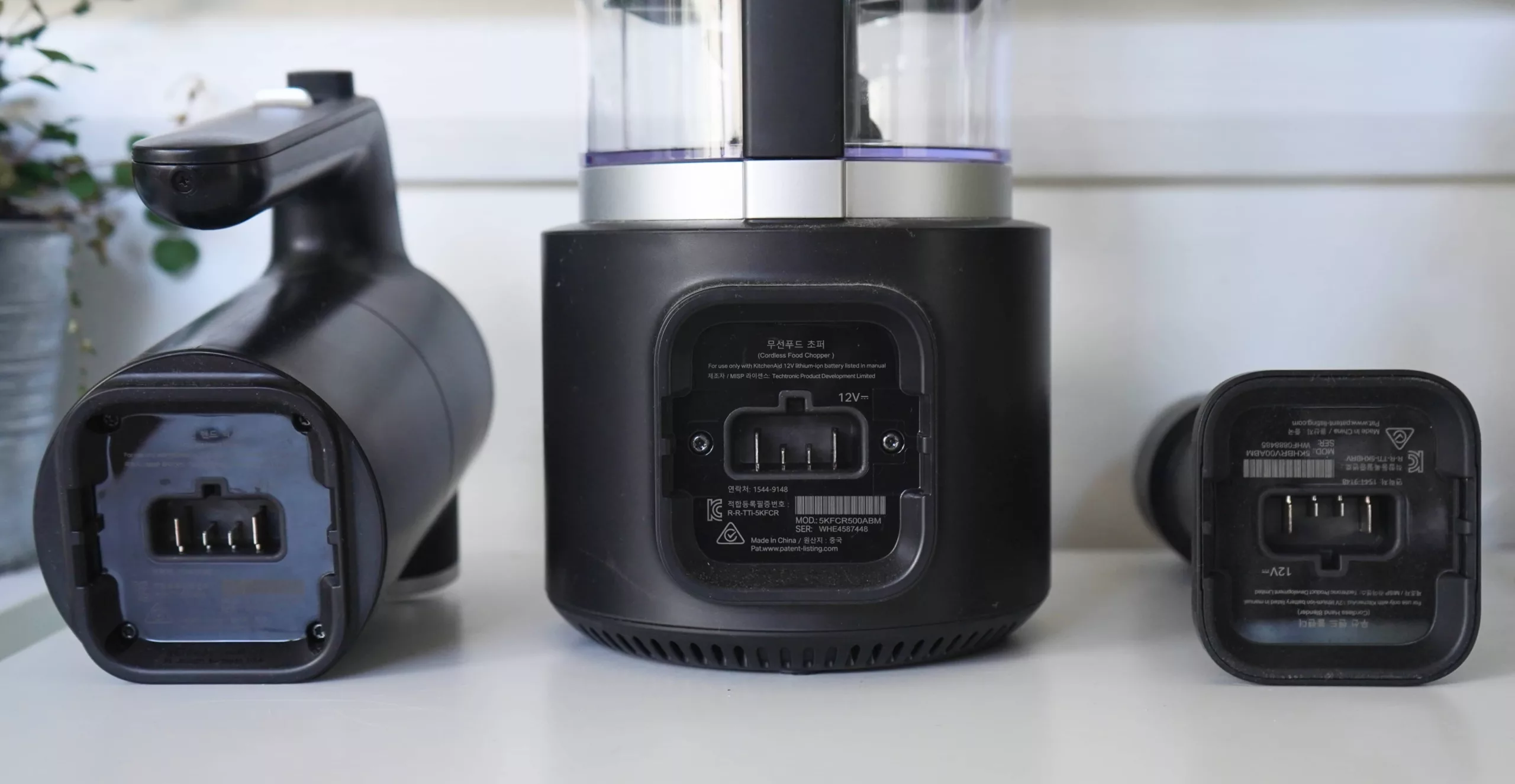
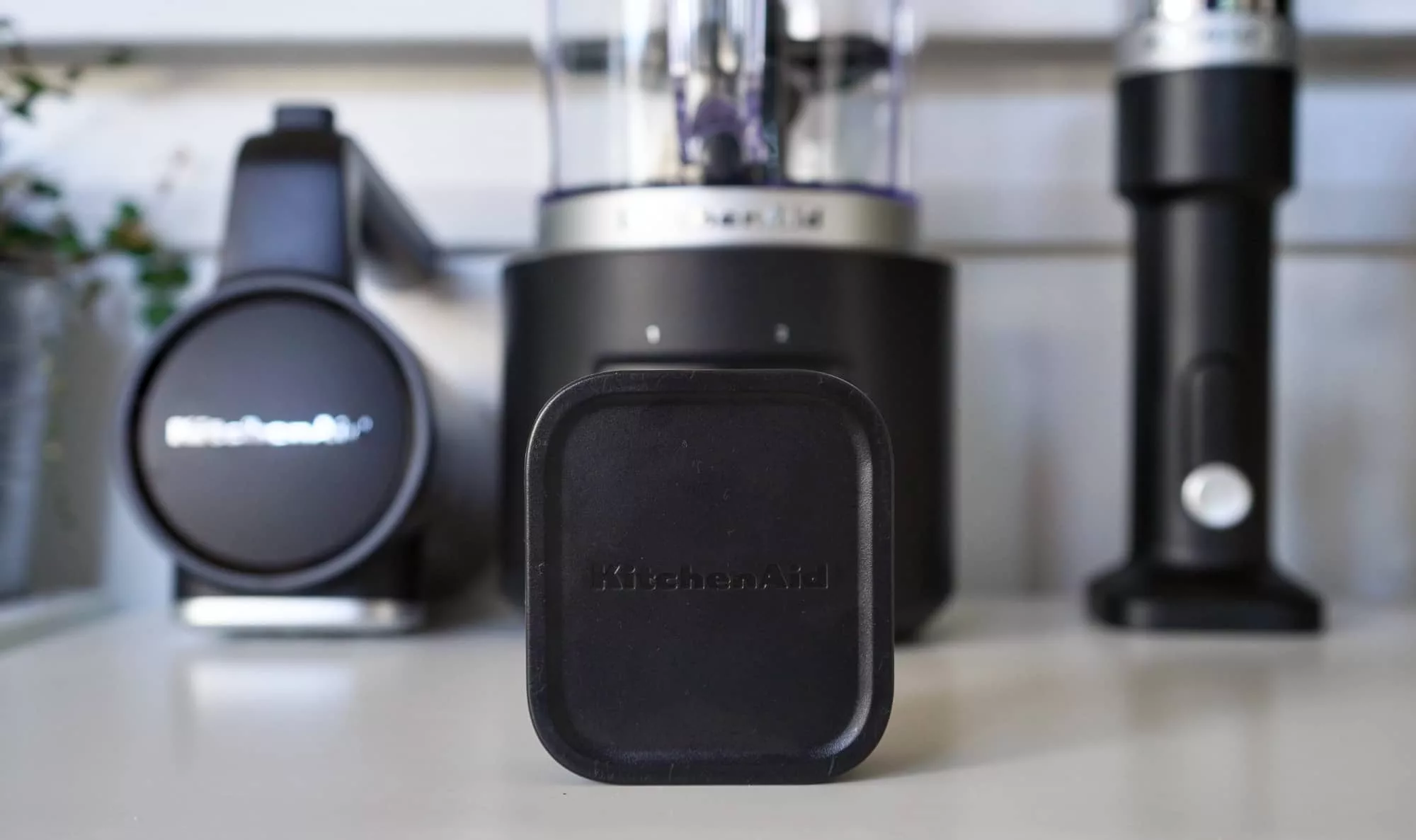
Kitchenaid’s cordless battery is a clip on that fits at the back of each, and is rechargeable using USB-C, the port standard practically every device relies on. You can recharge it using Kitchenaid’s specific dock for the battery, or you can just reach for the same cord you use to charge your phone or laptop.
What does it do?
For the purposes of this review, we’re only looking at three appliances: the cordless hand mixer, the cordless stick mixer (wand), and the cordless food chopper.
The names of each probably gives what they do away, but the stick mixer chops and blends in a stick you hold, the hand mixer is the portable mixer with beaters you can detach (and hand to your kids lick), while the food chopper is a compact take on a food processor.
The cordless food chopper in the Kitchenaid Go Cordless Collection isn’t much of a food processor, and won’t replace a dedicated processor if you have one in the kitchen, so we didn’t spend too much time there. But the cordless mixers are definitely worth your time.
Does it do the job?
The sort of gadgets you’ll lean on if you’re making a soup or cafe, they’re built rather like any other version of these you might have had in your life thus far, but with one key difference: rather than have a plug hang out the back, there’s only a clip-on battery to keep them charged and running.
That means you can use them away from the regular kitchen counter and lone plug port, doing a bit of mixy-mixy on your table or even outside. Chop those veggies near the barbecue or table-side like you were doing some special service, or blend something into a soup or even whip cream out of the kitchen.

Each did exactly as advertised, but you didn’t need to be on the kitchen counter like you normally would, making the appliances a whole lot more portable.
Cut and blend and prep from anywhere. That’s a win.
What does it need?
Perhaps the biggest downside from the range, however, is that you can’t plug them into the wall when they run out of battery, nor can you plug them into a power bank.
Even though the Kitchenaid cordless batteries are technically USB-C rechargeable, the port is found on the inside of the battery, so you can’t simply plug in a cable and keep your gadget and appliance going perpetually.
It means if you manage to chew through a good half-hour or so of power (which really varies between appliance model), you’ll either need a spare battery to keep going, or to simply wait until your one battery recharges, and that can take time.
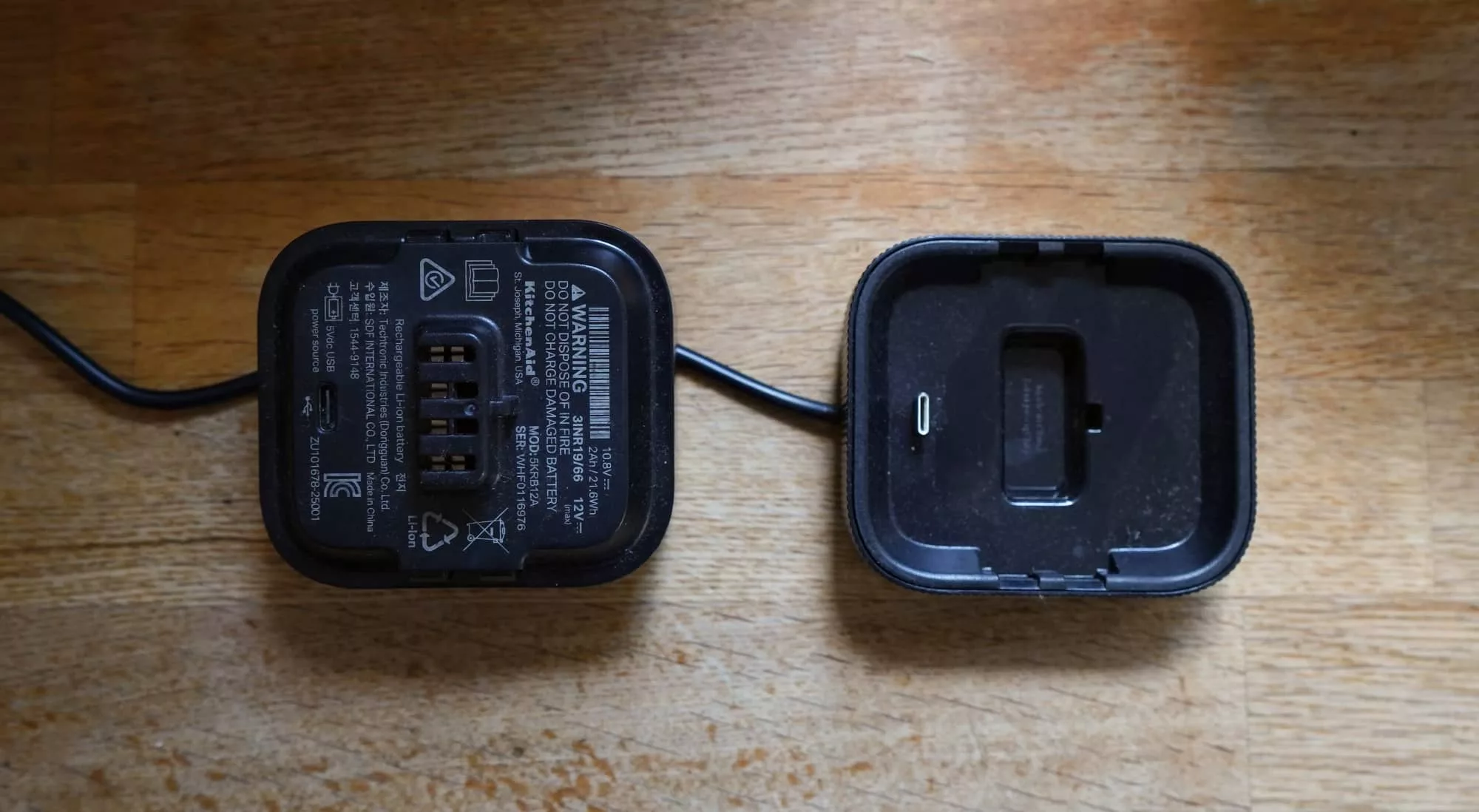
The power conundrum could be the biggest issue, too, and not just because you can’t keep one of these appliances plugged in and continually in use. Another rather obvious problem kicks in depending on which model you’ve purchased: the appliance with the battery, or the appliance without.
Perhaps rather frustratingly, Kitchenaid makes variants of its Go Cordless Collection without the battery, forcing you to buy it as an optional extra.
Very much a case of “batteries not included”, KitchenAid’s “Go” collection needs the battery to work making it more required rather than optional. And yet Kitchenaid also makes versions of the boxes that come sans-battery, and that’s a problem.
The battery isn’t optional in the Go Cordless Collection, and yet Kitchenaid almost treats it like it is. As if you didn’t need the battery when you clearly do. It’s likely because once you have one, you mightn’t need to spend up each time to get a whole new battery, but you also need a battery to make the appliances work.
It might seem optional, but it’s not.
Is it worth your money?
The biggest question could actually be the price, and whether the range is even worth the $159 starting price for an appliance sans-battery, or closer to $229 with the battery ready to go.
Take the stick mixer. A cheap stick mixer is $25 with a cord from your local department store highlighting a specific letter that starts the word “kitchen”. Meanwhile, a stick mixer from actual appliance brands will range between $99 and $159, but likely come with other accessories, too.
Kitchenaid also makes a corded variety fort $159 in the classic Kitchenaid retro design, which this is not. The Go Cordless collection is a touch more modern by comparison.
In terms of value, other brands will likely achieve better value for a stick mixer by itself, but thrown in the portability and Kitchenaid has the lead, simply because the battery gives it a little bit more. You can mixy-mixy anywhere with ease, and then move that battery to another appliance.
It’s a similar story when you start comparing most of the appliances the Go Cordless battery fits to, though there are some catches. The food chopper isn’t on the same levels as a food processor, and the compact vacuum probably won’t take p the place of a proper vacuum you have in your home.
But if you value versatility in food preparation, the fact that you can cut the cord and prep from wherever is difficult to come back from.
Yay or nay?
It’s one of those features that is so surprising no one has considered it before. Interchangeable batteries in power tools are obvious and have existed for ages, and even digital cameras have a degree of them depending on the models you look at. So why not home appliances?
The answer is likely power, because food preparation gadgets typically need a lot of it. You’re not going to find a stand mixer with a compact rechargeable battery because the motor has more grunt than a bitty battery can bear. A toaster won’t run on a teensy tile of charge for much the same reason. They both require too much power.
But there are clearly some appliances that don’t have that problem, and it’s something the KitchenAid Go Cordless home appliances can clearly help with.
While a little pricier than you might expect, the added versatility of cordless operation can help make up for what you pay. And the upside is you can do these jobs anywhere, whether there’s a plug or not. For some, that’ll be the clincher without question. Recommended.