
Quick review
The good
The not-so-good

We’re not sure anyone really likes cleaning the house, which is why we need robots to help out. The Narwal Flow could be one of the best examples, doing its job until it’s done.
You don’t need to ask the question, and we certainly don’t need a survey to find out who really wants to clean the house, because the answer is “nobody”. There is always always something better and more enjoyable to do than clean the gunk off the floors and generally make your home more acceptable, though technology is sure helping as much as it can.
Better vacuums that pick up on every bit of dust using green lights that can also self-empty, and mopping machines that practically drive themselves leaving you with less to do, 2025 has certainly seen some neat ideas come to the fore.
But one of the more consistent ones has been seeing the job of regular maintenance cleaning making its way to the robots in our lives, or the beginning of robots, that is.
We still don’t quite exist in an Asimov-inspired era of robots everywhere doing the jobs we don’t or won’t or can’t do, but robotic cleaners are at least beginning to make some of our maintenance easier. You can find robotic vacuums, robotic mops, robotic pool cleaners, robotic lawnmowers, and robotic window washers, to name a few.
The first two are marrying more and more lately, and these days, a robotic vacuum is typically also a robotic mop.
However, the convergence of both ideas typically results in one being much better than the other. It’s either a great vacuum with an okay mop, or a great mop with an acceptable vacuum.
Very few robots really deliver a hardened approach to making the mopping action of a good floor clean the most paramount and important of ideas, but it is changing, and Narwal’s Flow could be that machine.
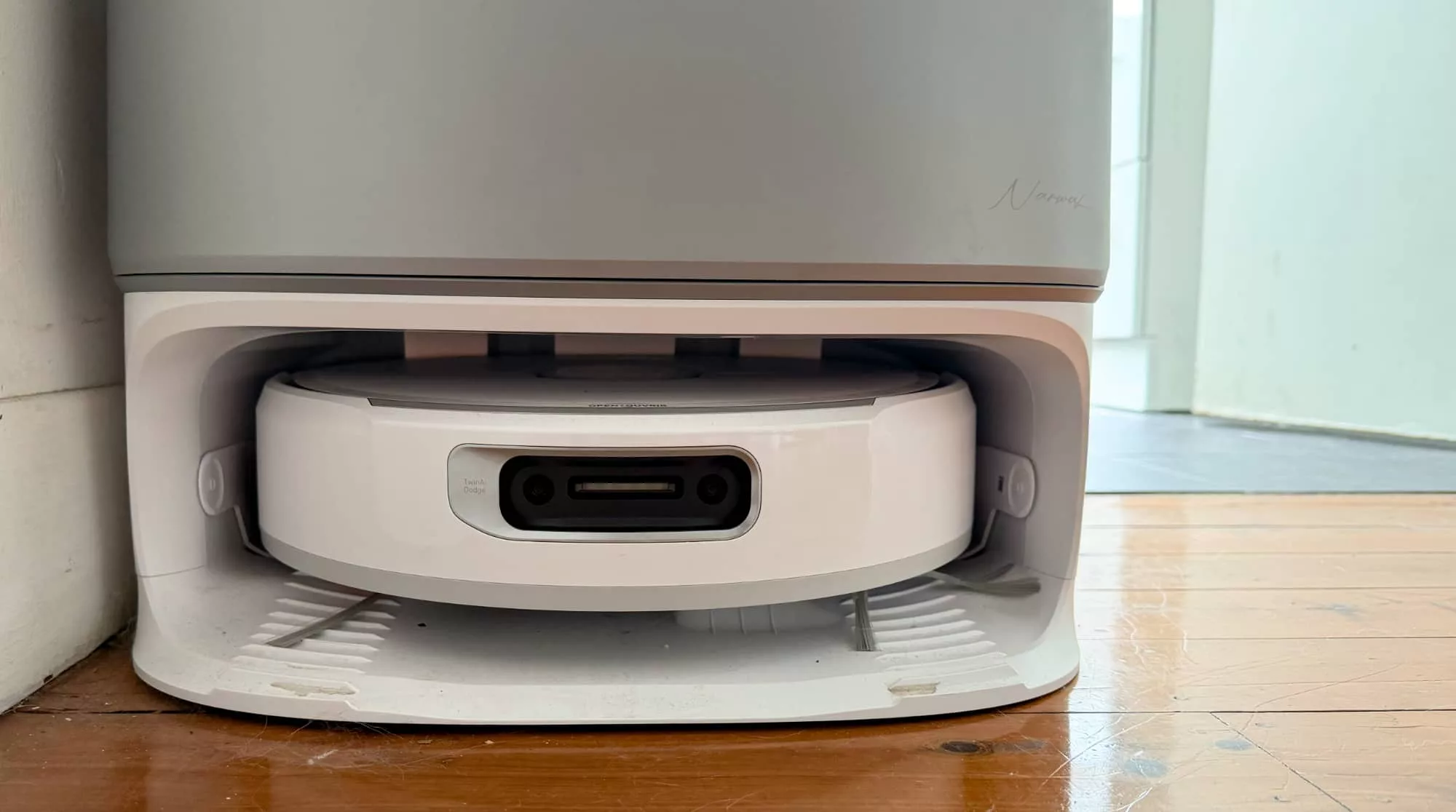
What is the Narwal Flow?
Australia is no stranger to robotic vacuum releases, and the Narwal Flow is one of those, bringing a combination of sensors, AI, a vacuum chamber and bag, and mopping tank and brush to the world of cleaning.
Built in much the same design as the Narwal Freo we checked out only recently, the robot includes a high-speed vacuum for suction (22,000 Pa), a mopping system that extends to the side and cleans itself, a tangle-free hair system, a wheel system that can climb over small ledges (as high as 4 centimetres), and AI processing using two cameras, reading the room and working out what to avoid.
You can even talk to the Freo using voice control, if you so choose.
What does it do?
Like all robotic vacuum cleaners, and most made recently, Narwal’s Flow is designed to pace the floor of your home rather like a forensic investigator, working in lines up and down your rooms, sucking up the gunk and dust and debris, and then mopping the floor to keep it properly clean.
That’s the vacuum running on vacuum and mop, but it can work in other ways, as well. It can just vacuum, and it can just mop. Alternatively, it can vacuum everything up and then mop. Or you can tweak everything on a room-by-room basis, because the Narwal Flow gives you control.
It handles hardwood floors and tiles, and it’s also designed for carpets, giving you mopping and vacuuming alike for the hard floors, but lifting the mop when dealing with the soft furry floors.
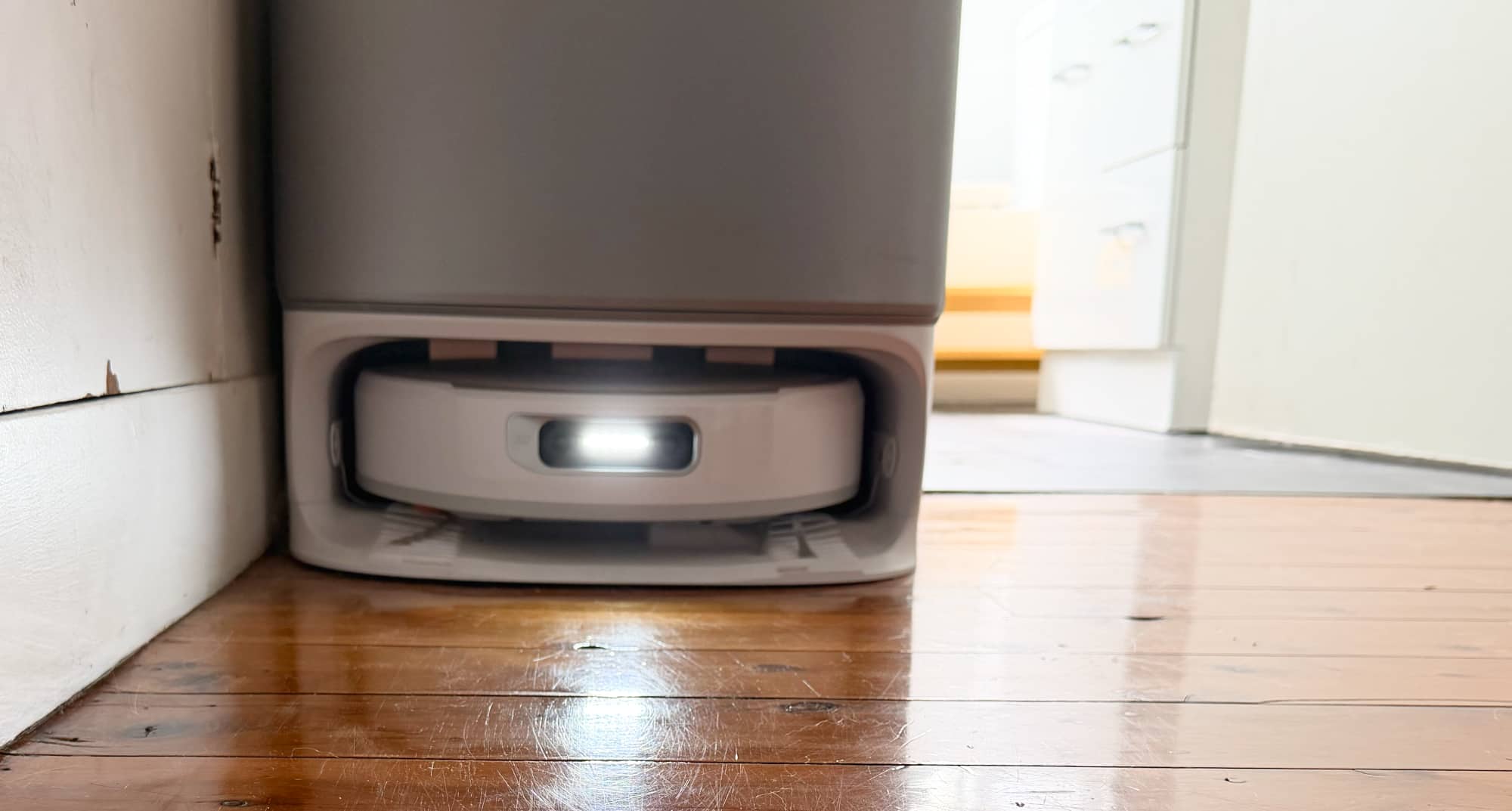
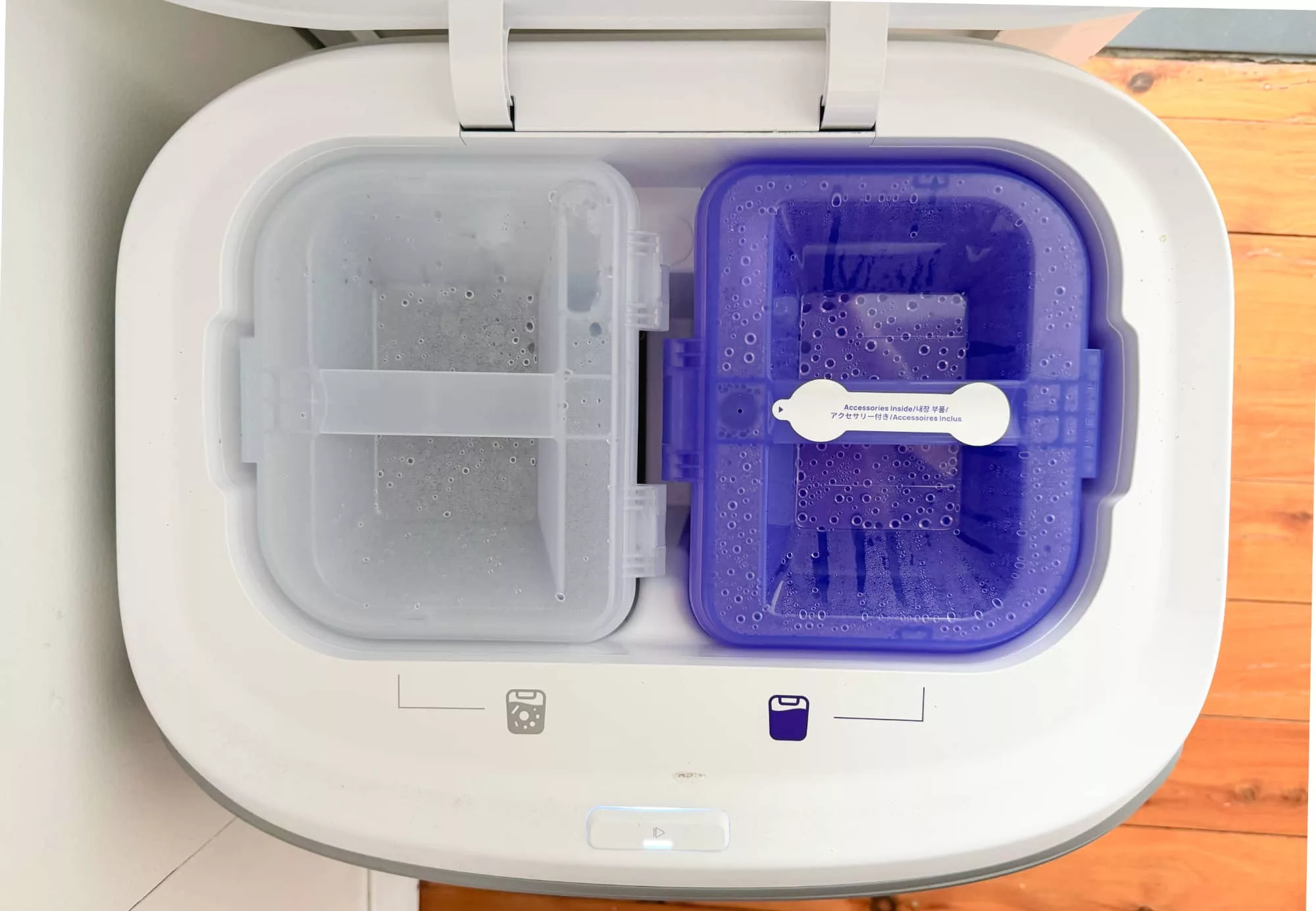
Narwal’s Flow includes a base station with two large buckets behind a door, the purple one being clean and the white one being dirty.
You will need to clean the dirty tank every few days to weeks, lest it begins to smell, because that’s your floor’s dirt and grime in one place. We suggest tipping it into the toilet and flushing.
Does it do the job?
Like all vacuums, particularly the robotic variety, the only way to determine if they work is to let them do their thing. So we’ll do that.
Grab the Narwal app, connect everything, and let the vacuum go to work, mapping the house and then subsequently cleaning it.
For this reviewer, the Narwal Flow needed four tries to properly map the house, at one point missing that a step actually was a step, and accidentally throwing itself off of one step. When that happens with any robo-vac, the answer is to pick it up and try again, which was included as part of our four tries, the last of which worked.
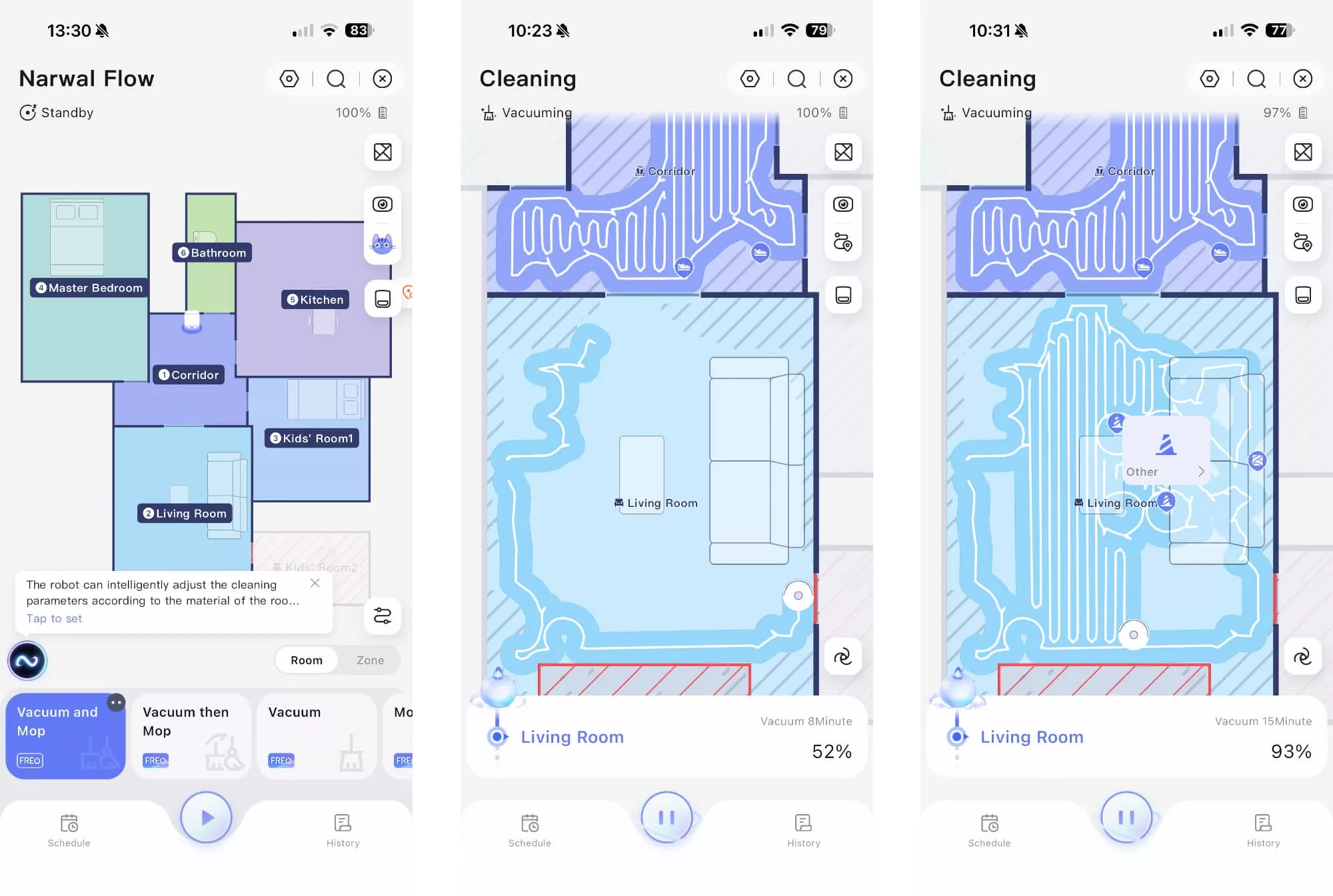
With the house mapped, you can make the Flow do its thing, vacuuming, mopping, vacuuming and mopping, or alternatively, vacuuming and then mopping. That last one means the Flow will vacuum the whole area, and then come back and mop it, which could be fine as long as you don’t have a golden retriever that sheds every time she moves.
We typically opt for vacuum mode to see how capable the vacuum is, and vacuum and mop to run the vacuum the way the system would regularly do it.
When the Freo is working, there’s a bit of noise, but so much that you’ll care. It’s not whisper quiet in the same way the Roborock Qrevo Edge runs, but it’s also not a problem, either.
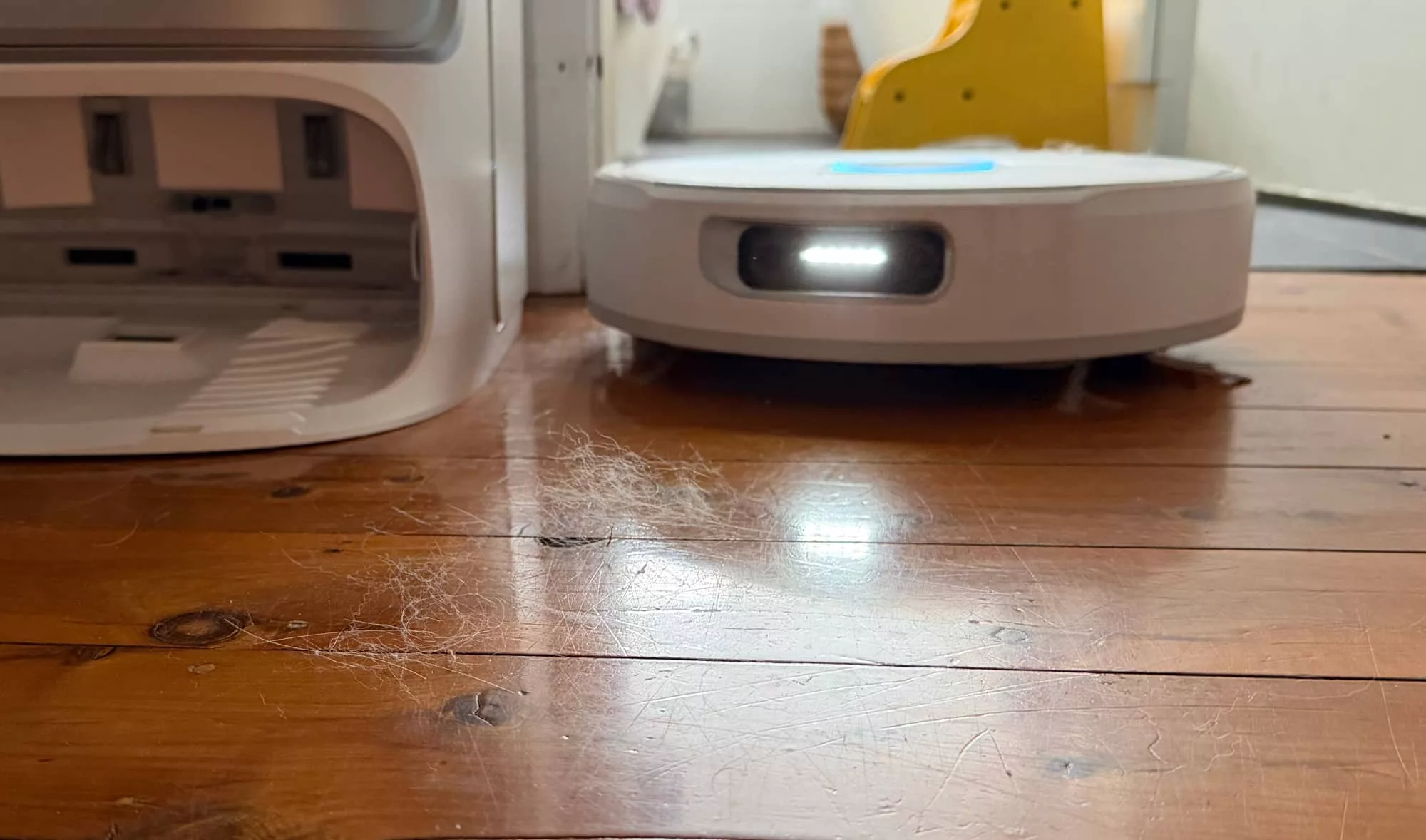
As a vacuum, the system can see the entire mapped floor plan, and even does a relatively good job travelling it, picking up dust and other bits. But it doesn’t always nail the clean, and we’ve found clear signs of debris and bits that it seemingly ran over, but missed.
At times, the vacuum wouldn’t run over section because something might have been in the way, but didn’t report it on the map, which is something other vacuums will do. It usually means running the vacuum once again, which picks it up on the second try for some reason.
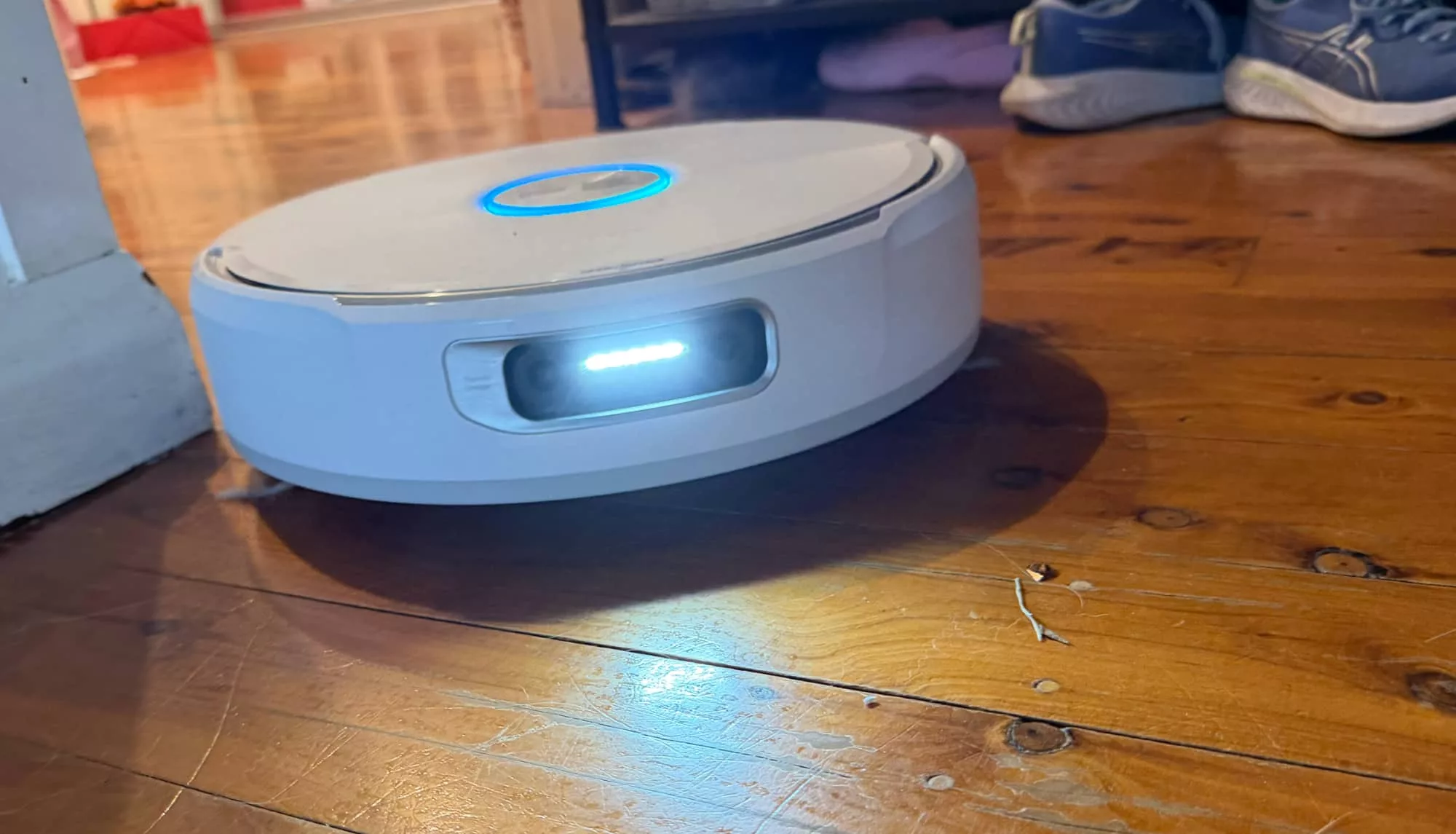
Mopping, on the other hand, is something Narwal’s Flow nails, and goes back for more.
The Flow robot will spray warm water as it works, all in an effort to break up stains, and then scrub with a mop that can run along the side, cleaning the floor. That mop cleans itself, with sensors able to analyse the floor and work out whether the stains have, in fact, been cleaned, a result that shows when the mop returns for more.
Like the little mop that could (rather than “The Little Engine That Could”), the Flow cleans the floor once, and then goes back to make sure it’s clean, which sometimes can take a while. Narwal’s sensors will sometimes pick up that more cleaning is noted, reporting that “high dirt level detected” which leads it to a process of “re-mopping”.
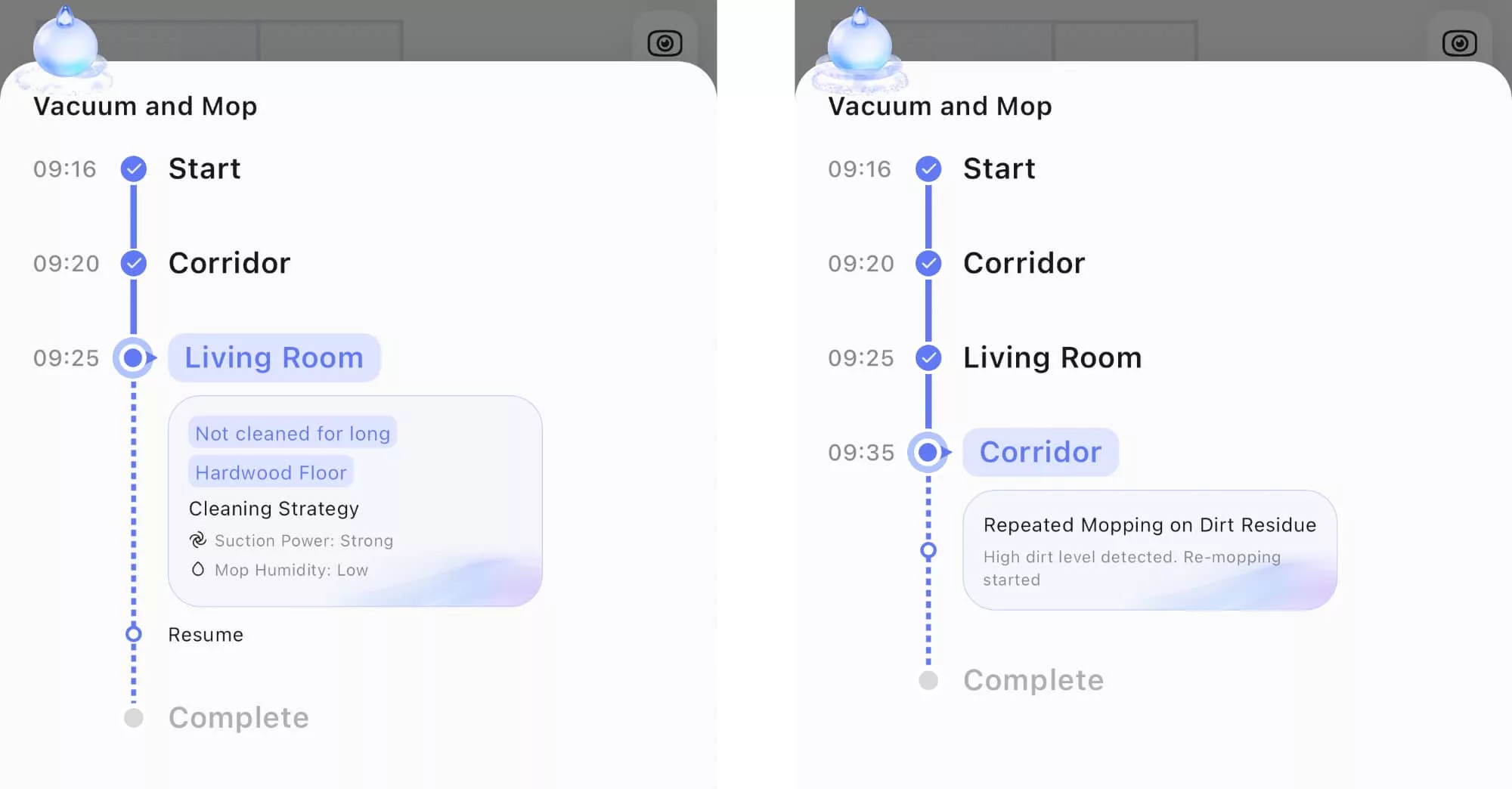
Like that original Narwal Freo we checked out, the Flow is a mopping machine. It just wants to clean, and we have few complaints. It’s one of those features that no other robotic vacuum and mop seems to include, and we’ve only seen on Narwal’s gear.
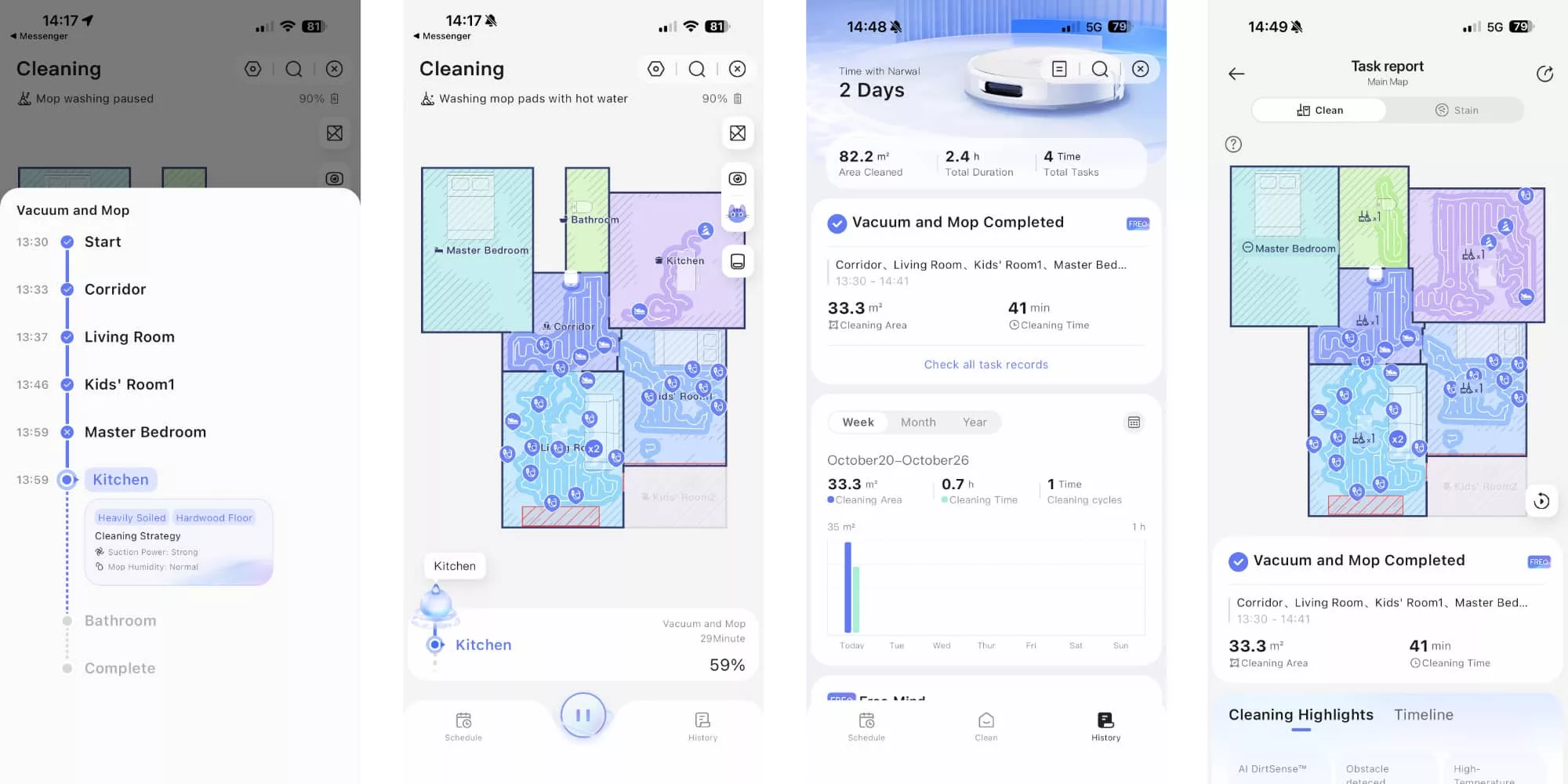
And when it’s complete, there are stats. Statistics you can look through to see just how much cleaning has been done.
Seriously, if you wanted to literally prove to your kids just how dirty their rooms are, you could turn to an actual bed of data. It’s surreal.
What does it need?
But what it needs is a return to something we loved about the initial Narwal we checked out earlier this year, the Flow. And that’s an automatic detergent system.
To Narwal’s credit, a small amount of detergent comes in a bottle with the unit so you can pour a little into the clean water and help sanitise your floor.
But we’ve been spoiled once by Narwal, and one other time by a competitor, so while an automated bottle often means another accessory or refill you need to buy — the printer ink of the cleaning world, it seems — making it automated eases the burden of needing to make a robot do this chore.
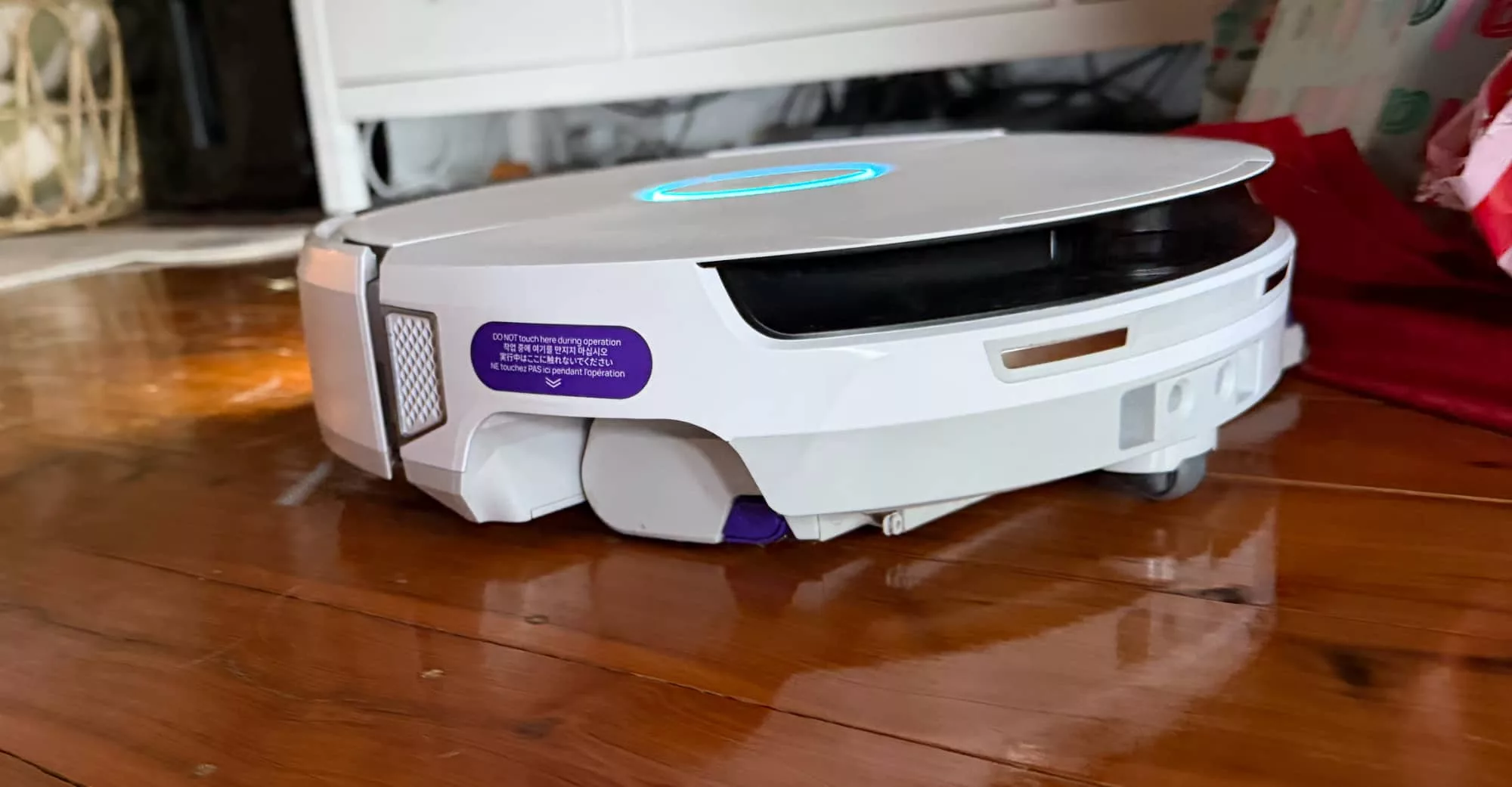
It’s minor, much like the tangle-free hair system, which handles human hair really well, but not always congregations of long dog hair, which can group and cluster and get stuck in the rollers, forcing you to extract it and throw it in the trash.
It can be the occasional and rare issue of the vacuum and mop not really completing its task, and giving up all too easily.
This happens sometimes, with the AI identification causing the machine to just give up, usually if an obstacle is moving with the machine. Like say If the dog or some kids are in the way, and they move, the robotic vacuum sometimes just decides to finish the task, even if it has barely started.
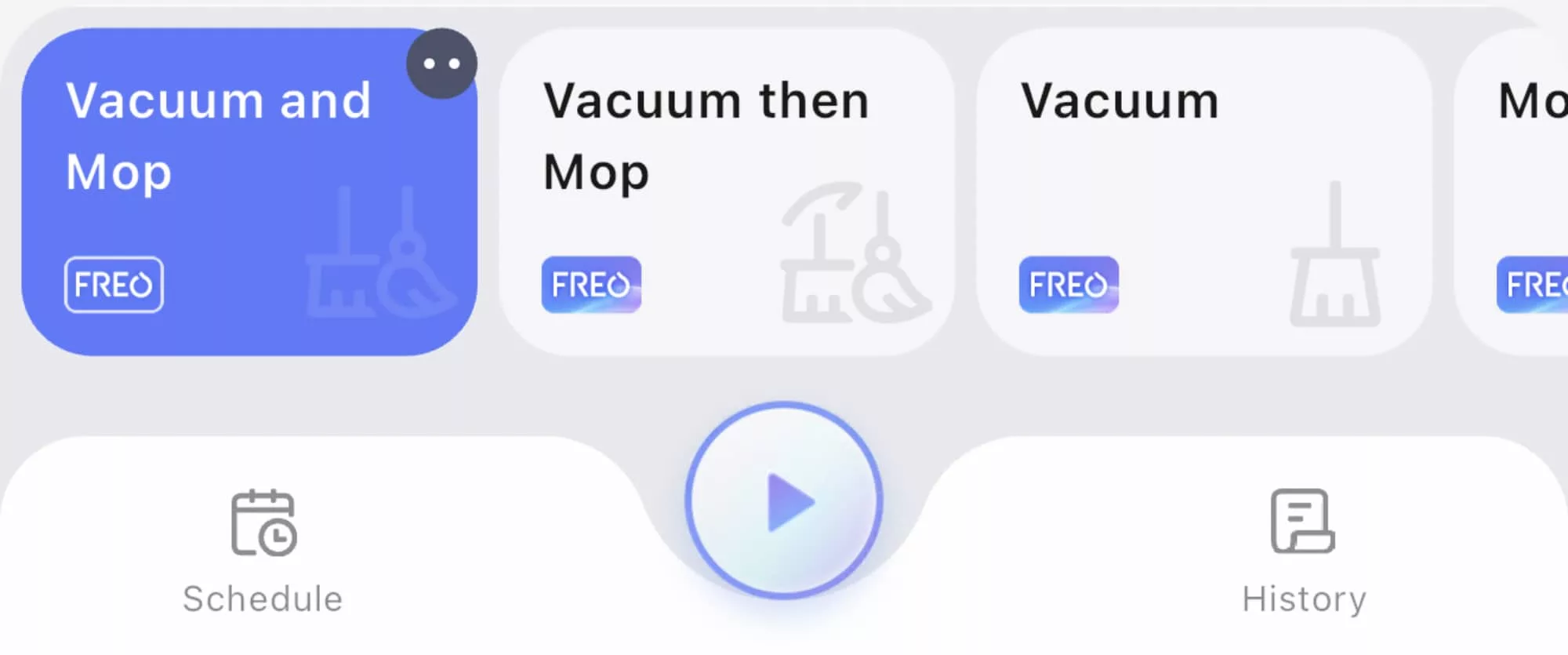
Or the fact the icons for controlling the vacuum and mop show up with “Freo” underneath, even though we’re using the “Flow” vacuum. We’re not sure what the deal with that is.
Or like the minor issue of the vacuum not always nailing it, which happens, even if the mop is a winner. You may need to inspect the outcome from time to time, at which point you may just assume your kids (if you have them) have messed it up in the meantime.
Is it worth your money?
At $2999 in Australia, the price of the Narwal Flow puts it up there as one of the pricier options you can find, making its way to the upper echelon of cleaning machines.
Fortunately, it may actually be warranted. The vacuum is fine, and the mop continues the excellence we’ve seen from Narwal in the past. It’s a stellar combination, even if the software can feel a little lacklustre sometimes.
It’s not perfect, but the combination is excellent, and it largely works in the background, occasionally beeping when it’s not in use and confusing you between the smoke alarm.
Yay or nay?
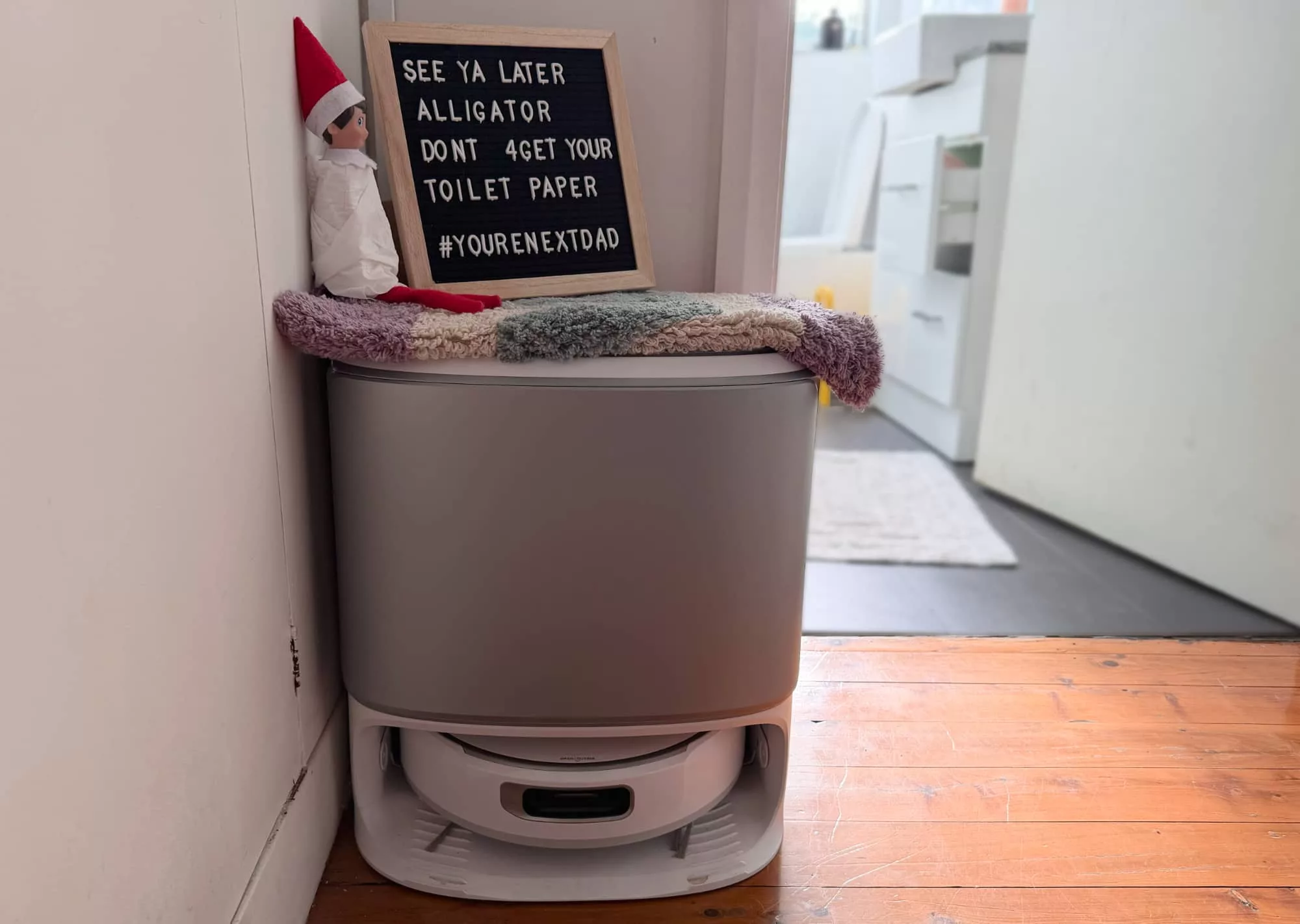
There’s another thing we really like about the Narwal Flow, and that’s the design: the soft white and grey block sits in the corner and comes across like a cleaning station very much from the future. The lid is even flat, so you can rest things on it.
The lines aren’t as pronounced as others vacuums, and it really doesn’t draw any attention to itself, existing as almost a small shelf you can leave things on, while still letting it do its own thing. That’s important, because not every robotic vacuums factors in an unobtrusive design.
Some draw attention with gold lines, with edges that aim to draw the eye away from the rest of the home to what is clearly a box made for a purpose: cleaning the home when you don’t want to do it.
The Narwal Flow doesn’t feel like it needs to be acknowledged, beyond simply using the vacuum from your phone and letting it do its job, which it also does well.
Narwal’s Flow is an excellent addition to the home, doing the the job of cleaning you’ve always wanted someone else to do. That alone is a win. Recommended.