

It can be all too easy to feel a little tired of AI getting into everything, even where it shouldn’t be, finding its way into TVs, phones, computers, and even the occasional toothbrush.
And from the sound of things, it will also form a big part of the next mobile network technology. Here’s hoping the environmental impact will find a way to be reduced.
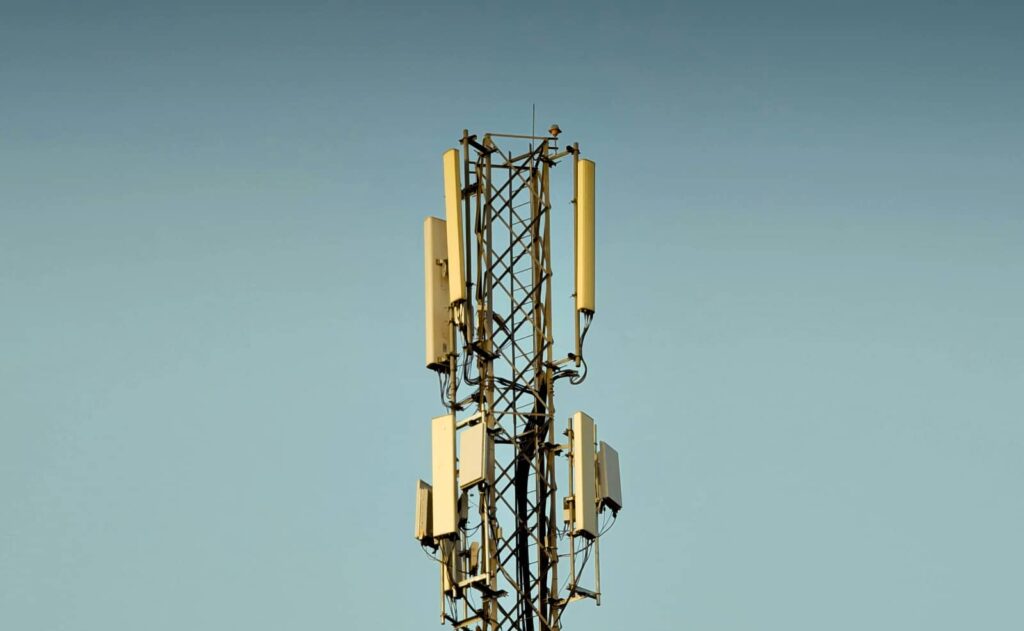
Telstra has this week talked up some of what we can expect, as the country’s biggest telco and telecommunications leader Ericsson collaborate to work on 6G, the follow-up to 5G, expected in the next few years.
We already know that Australian research is helping with 6G networks, but Telstra’s collaboration will allow the technology to be tested in different geographic conditions, an issue because topography can help explain why mobile networks struggle with reception on the whole. That’s an issue affecting today’s networks, not just those expected in the future.
Telstra will spend time at Ericsson’s 6G testbed centre in Sweden, while Ericsson’s Swedish counterparts will make their way to the Telstra Innovation Centre on the Gold Coast, working out how 6G works in different places, and then using this to foster research for ideas and capabilities.
And if you’re wondering where “AI” fits into all of this, 6G as a mobile network is expect to be an “AI-native” concept, essentially being ready for agentic services and AI systems.
“Mobile connectivity has been one of the most powerful economic engines of modern Australia. As the first G which is AI-native, 6G will be the most intelligent network yet – capable of advanced network connectivity, and new Network as a Product innovations such as the ability to sense the environment around the network,” said Shailin Sehgal, Group Executive for Global Networks and Technology at Telstra.
“The latter opens the potential for new use cases for public safety, agriculture, weather detection and more,” he said. “Our focus is making sure Australia remains at the forefront of digital innovation, with connectivity that helps people, businesses and communities thrive.”
While Telstra hasn’t quite explained what that means, the expectation is that 6G networks will have AI found in different layers, possibly allowing systems to diagnose or repair aspects themselves, to control traffic and potentially block intrusions, and to support the speed of processes when an AI system is at the helm rather than simply a human. That could mean systems that respond automatically, such as automated farming tools able to change approaches based on an AI analysis of weather in the next 24 hours, or even simply giving a better understanding of the weather and providing early alerts.
It doesn’t mean computers will take over — this isn’t the film I, Robot (distinct to the better and more positive Asimov books) — but it does mean machine learning taking a greater point in society beyond simply asking ChatGPT for an answer and hoping you get something that isn’t a hallucination.