
Thanks to advances in technology, nearly anything can be tracked and monitored in some way. Run some software and a phone can keep tabs, or equip a gadget, and that can do the job, as well.
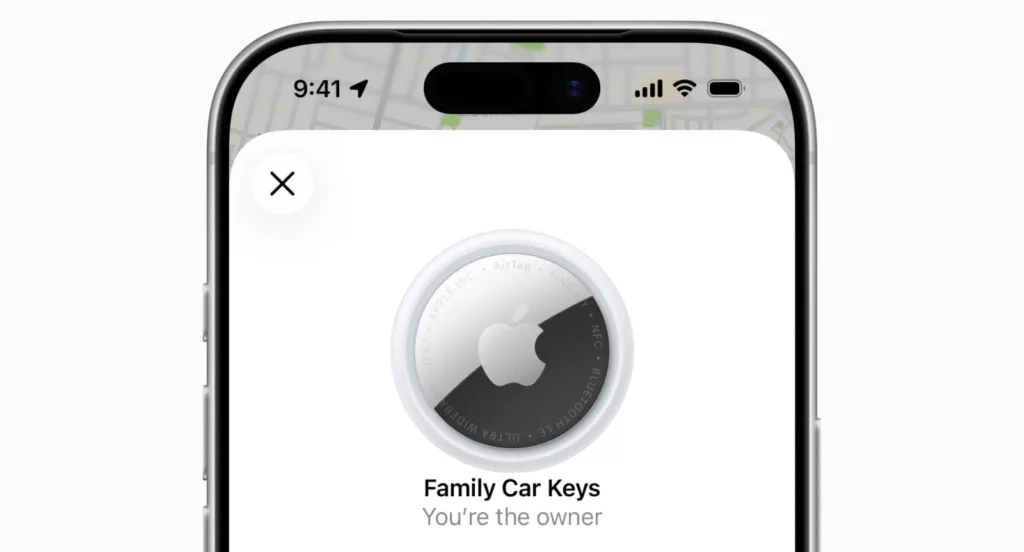
For instance, you can equip an AirTag to a car and use it as a turn-by-turn navigator and finder in a parking lot, and you can add a tracker to an animal to make sure you know where they. There are even GPS-equipped variations on that theme for dogs and cats.
While trackers can come in all sorts of shapes and sizes, and even on the top of water bottles, they all typically work in much the same way: a wireless gadget that tracks position based on background traffic talking to apps and devices.
Think of it as using crowds people to keep track of a location of things, and have them be unaware that it’s happening. There are a few variations of the technology, but by and large, trackers use wireless technologies in much the same way.
Most trackers make their way to the things you can probably expect them to — luggage, bags, and maybe a set of keys — but there are also other things they can be used on, and Life 360 has compiled a rather interesting list that shows Australians are using them in unusual ways.
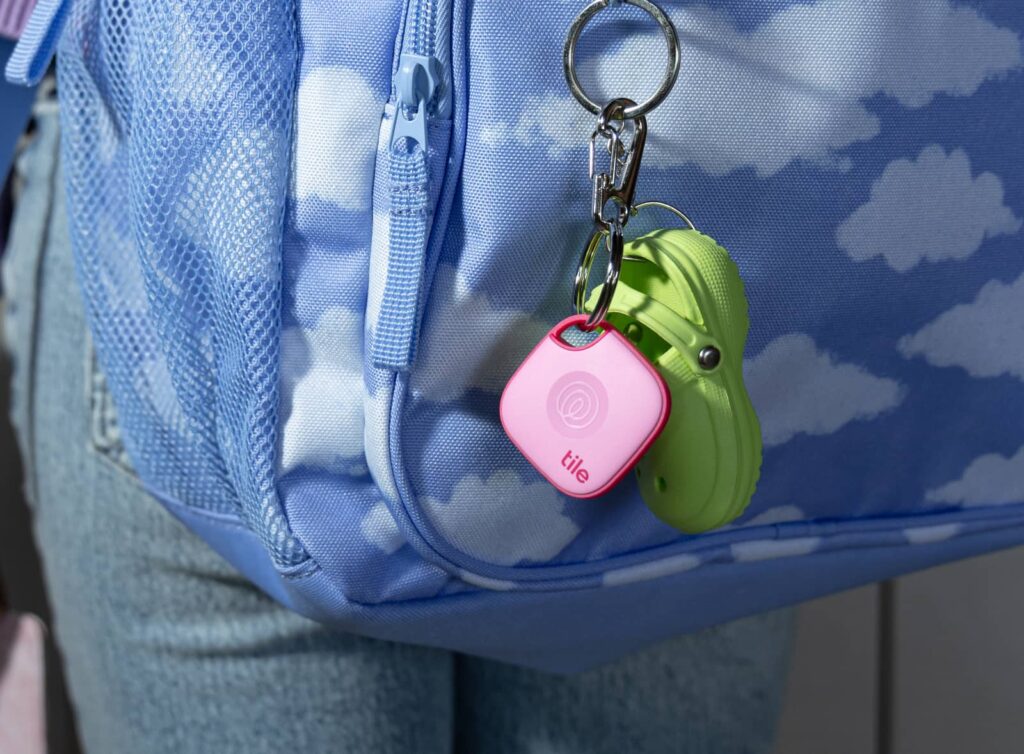
In fact, the top ten labels being used for “other” for the maker of the Tile, easily one of the biggest competitors to Apple’s AirTag, includes some definitely unexpected entries.
For instance, Australians are using tiles to track an assortment of compact forms of transport, including scooters, prams, jetskis, and even an excavator. At least one boat even made its way into the list.
Meanwhile, drones and stethoscopes were in there, handy for people keeping tabs on important gadgets, while number five is one this journalist probably contributed to: teddy bears.
With this journalist, it’s actually a childrens’ plushy bunny equipped with trackers to make sure they didn’t go walkabout on a family holiday to New Zealand, but it’s still used to date. If the plushy can’t be found, it’s a short button press to hear the tracker, and then to find it.
Or alternatively, for it to finder the phone, because trackers can also go the other way.
While these bits and pieces aren’t the norm, keys and wallets are, making up nearly half of all that’s tracked, while luggage and backs makes up nearly one fifth of what’s tracked.