
Regardless of how you feel about doing the laundry, washing and drying clothes is important, but drying can take a bit of a weird turn when the seasons get colder.
As the mercury well and truly drops around the country, so too does the heat drying your clothes outside. Less sunlight and lower evaporation make for cold and surprisingly damp clothes, forcing you to turn to the dryer, and that has its own problems: energy costs.
With energy prices on the increase and frustrations high, it’s no wonder that Australians are doing what they can to steer clear from any excess costs they don’t need to spend. And one of them appears to be electric dryers, or at least the belief that running the dryer will add to the cost of their electricity bills significantly.
Recent research from Samsung suggests two in three Australians would skip the dryer and opt for a drying rack in the home instead, even though drying this way can take a lot longer and leads clothes feels cold and damp.
Samsung’s numbers paint a picture of slight embarrassment following this, with one in three aged 25 to 29 avoiding hosting friends because of how they’re drying their clothes, draping them over furniture because of the cost of energy.
Perhaps crazily, we’re also doing more washing during this time because of the extra layers. From shirts to sweaters and so on, the laundry load increases, making the drying cycle extra problematic.
While the cost of electricity is definitely a problem that can be difficult to argue with, changes to laundry appliances may end up assisting, as whitegoods work to use sensors to optimise the cycle usage.
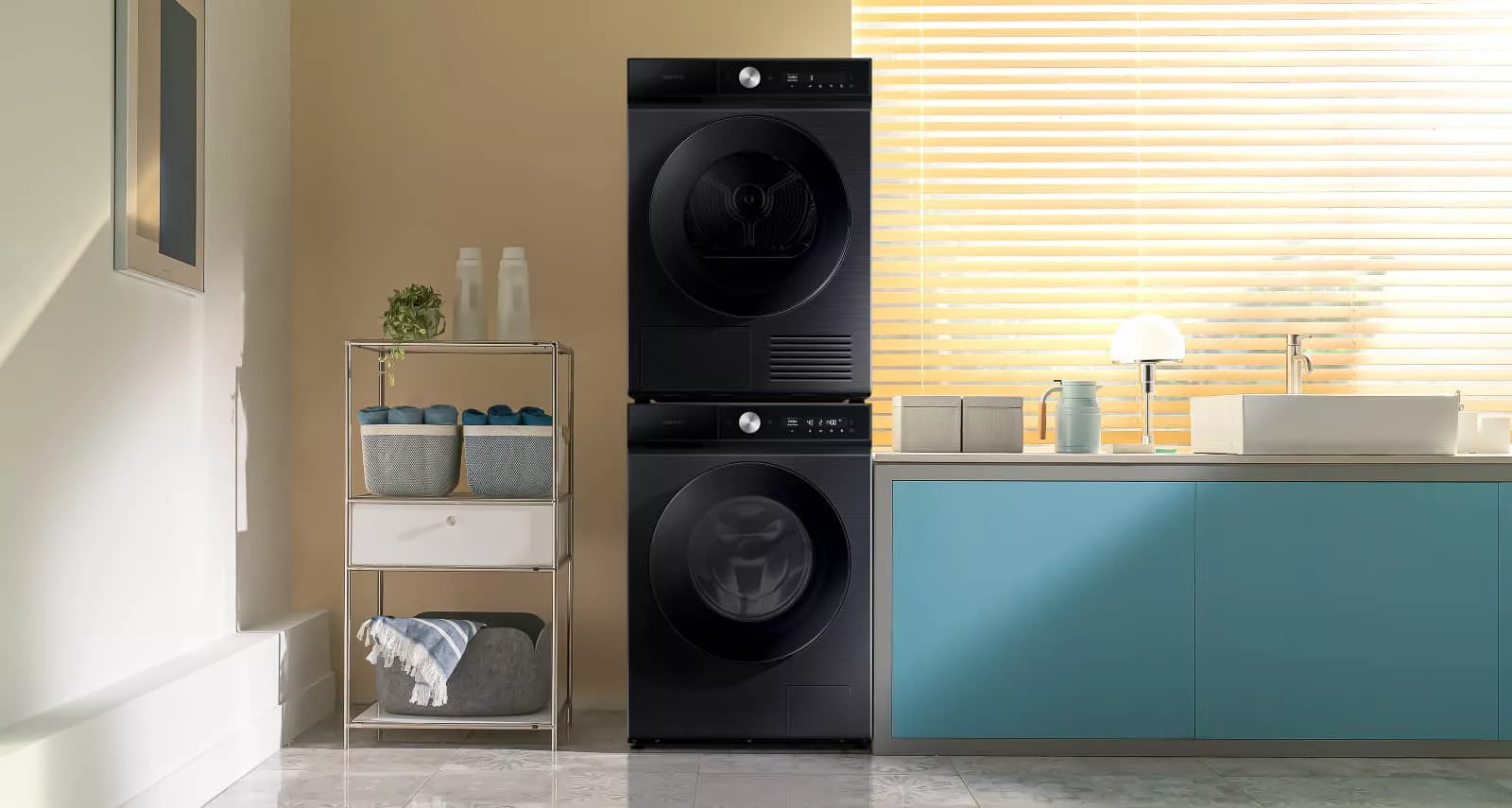
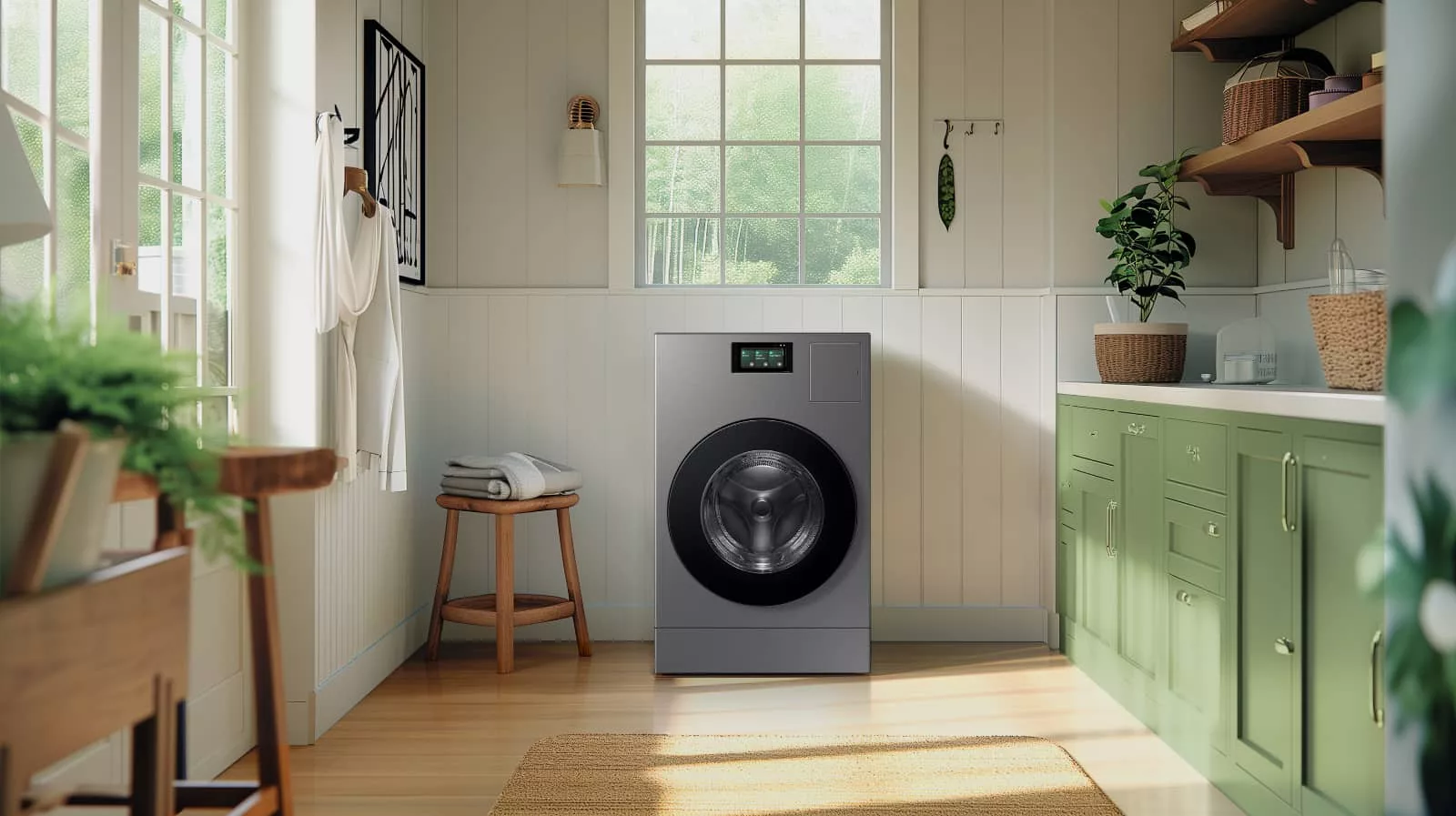
It’s something specific to newer models, as recent laundry machines use a combination of sensors to monitor load and work out how much water needs to be run, but also whether cycles can run for less time, as well. For a dryer, that can mean the pricey cost of electricity is toned down slightly, while a washing machine might save on both water and electricity. And if you use a combo device, the benefits potentially come to both cycles, though you may end up using a lot of water and electricity regardless.
Newer heat pump-based models may end up providing the most benefit, particularly in regards to energy efficiency, also running at cooler temperatures which can be nicer to clothes, as well.
Beyond the obvious point of simply upgrading the tech to a newer model — which was likely the reason why Samsung commissioned the research to begin with — there are other tips anyone can try, such as ensuring the load is properly balanced and not larger than it should be. That includes quickly realising that a 10 kilogram washing load will typically only handle half of that in the dryer, and not overloading the amount (otherwise it won’t dry).
You can also grab a drying rack for home instead of draping laundry over the furniture, placing some lighter clothing on that and letting air dry those garments, while giving the dryer the heavier loads, and allowing it to potentially use less energy for a smaller load of hefty items.