
Security camera systems have come a long way over the past decade, and we’ve now pushed past the point of needing cameras specifically wired into the wall, handy if you don’t want to pay for a sparky or an installer.
Most security cameras are wireless and cordless, but still require power, and so therefore may also still need a plug into the wall.
If you’re in this predicament, you probably have one of two options: wire a camera into power, or remind yourself to recharge the battery every few months, dependent on how often the camera fires up and captures something.
While that, too, has been the norm for security cameras, it’s beginning to change with solar.
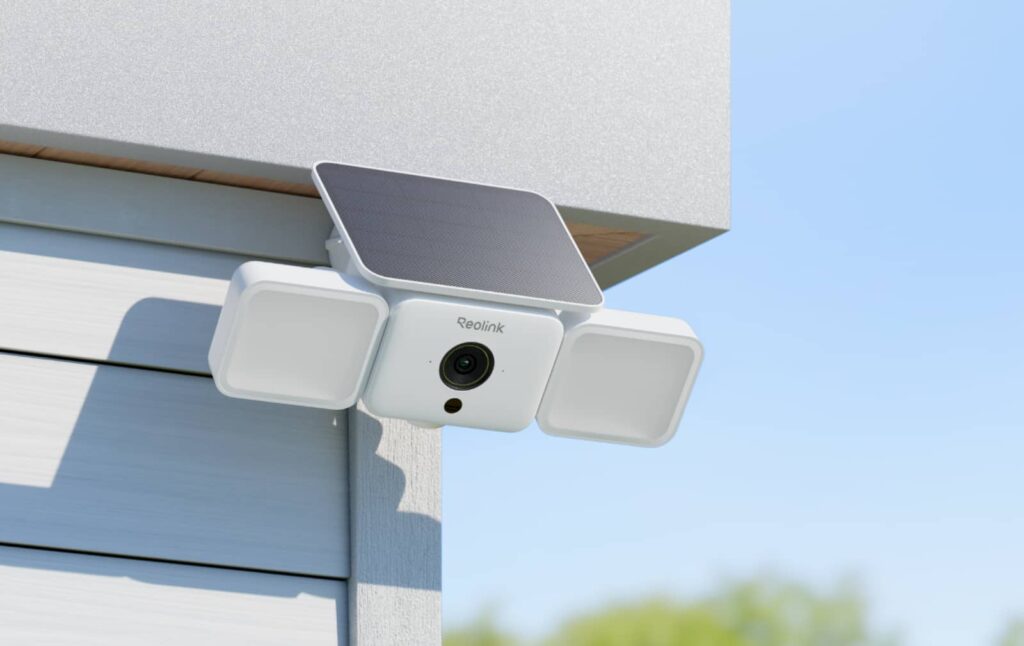
Much like how you can get solar panels for the home, security cameras also support them, and one of the latest varieties from Reolink even has one built in.
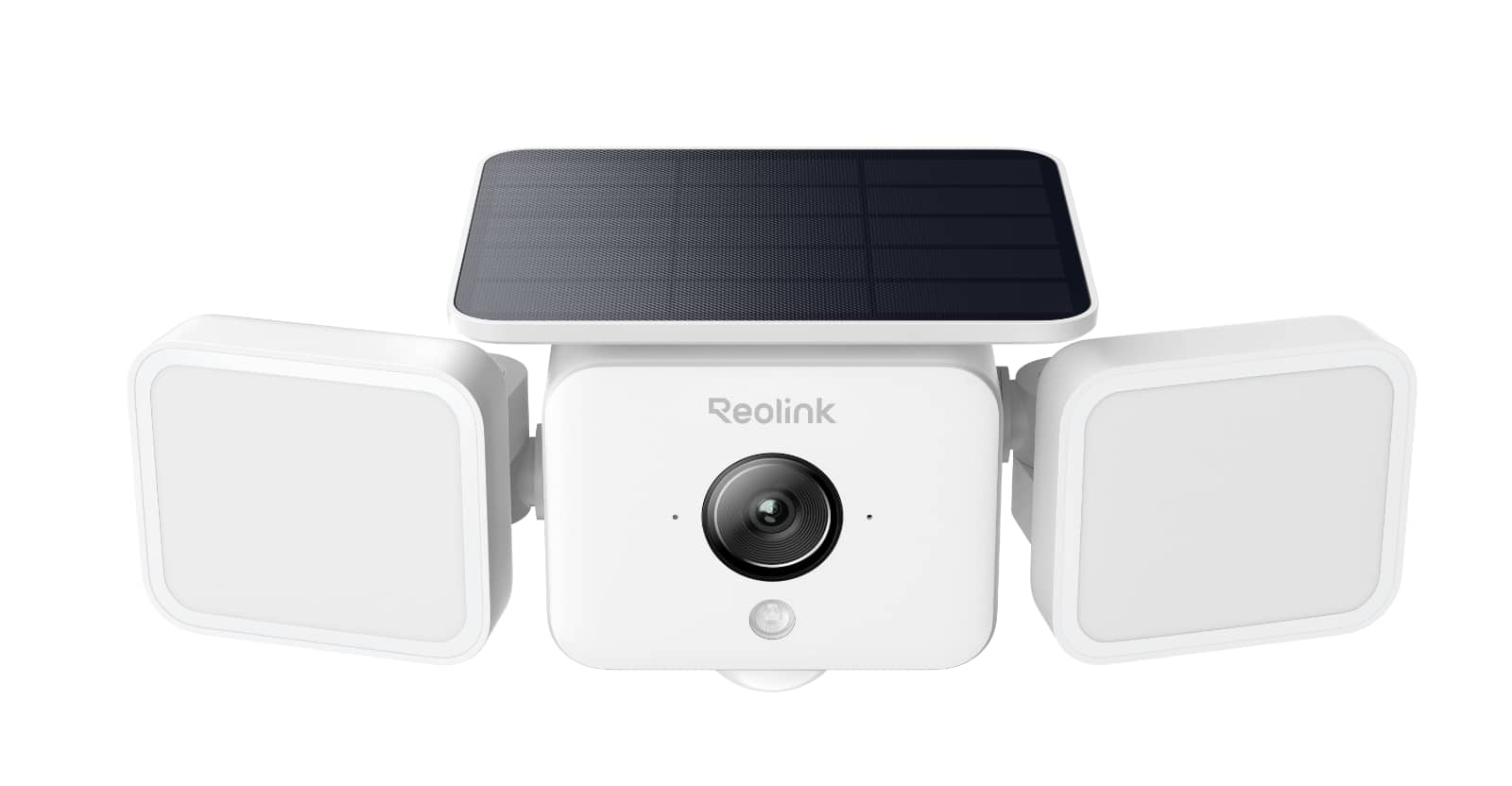
Launched at CES 2026, Reolink will have a 4 megapixel solar floodlight camera with a 3 watt solar panel and a 1000 lumens floodlight. At only four megapixels, the camera isn’t high-res, but the floodlight is bright, and that is likely the point, working with only an hour of sunlight, while working for up to three months without.
While a solar floodlight grabs our attention, Reolink’s other big addition comes from how you store your alerts and how you monitor your home.
For the former, Reolink will have a local AI box powered by a Qualcomm Dragonwing chip. This box will essentially store images and videos captured from Reolink cameras, analyse it locally, and then make it possible to search and understand what’s going on in them. Think of it as an AI approach to sorting and cataloguing security camera images, because that is largely what it is.
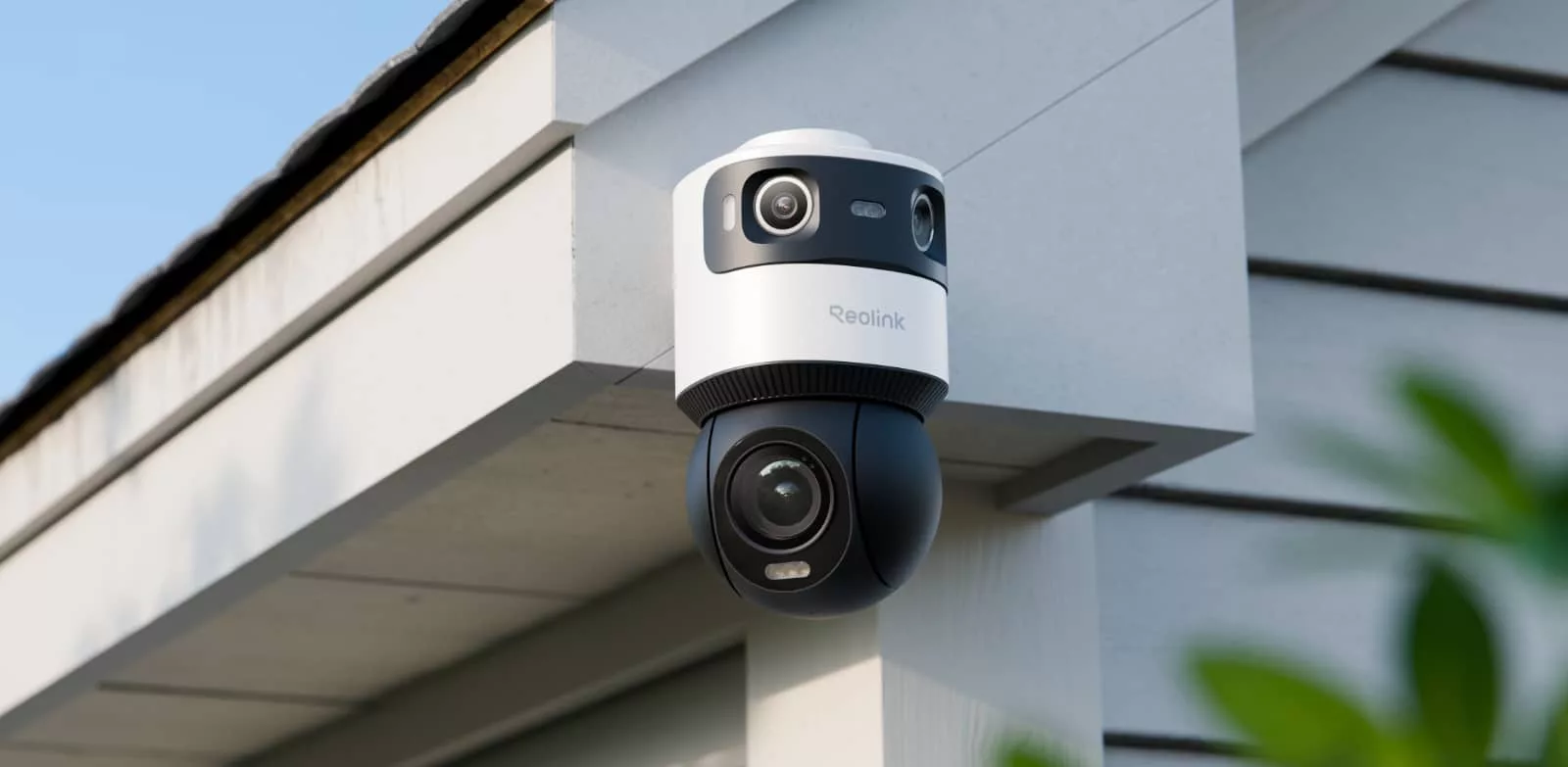
A new camera from Reolink fits in with this, coming in the Omvi triple-lens PTZ camera, a security camera with three lenses over 24 megapixels wide. It’s a little complex, but there are two lenses on a 16 megapixels ultra-wide camera, and then 8 megapixels at 16X optical zoom, providing a way to see around your property, and even move the camera remotely to get a better view.
The system uses smart tracking when motion is detected, and can either take a panoramic view or use the close-up camera to get in a little closer overall, with this imagery stored on the Reolink AI Box for analysis and sorting later.
Like most things CES, there’s no word on if or when any of this will come to Australia, but given Reolink’s past releases, we’d say there’s a good chance it could arrive in by mid-year.