
You don’t typically have to worry about a weird dent appearing in the middle of your phone’s screen, not unless you drop it and the hardware smashes, but it’s a problem foldable owners have long had to contend with.
It may well be part of living on the edge and using devices that futuristic. Phone screens aren’t typically made to fold, and so likely a book or magazine or any sort of paper, it makes senses that there’s a crease of some sort.
And yet that crease can hold back the hardware, and make foldable phones feel a little first-gen.
We’ve had foldable screens in phones for several years, going back roughly seven years if you can believe it, and since then, the screen technology has improved in leaps and bounds. Samsung even managed to slim down the hardware underneath, so now there’s little reason to complain about any extra bulk in the design.
But the crease has remained. It’a there on the foldable tablet phones and it’s there on the foldable clamshell phones, and it’s even there on the few foldable laptops we’ve seen.
The crease isn’t a dealbreaker — it won’t ruin your experience using a foldable phone — but it has remained. Like a stubborn and defiant niggling bug that just won’t go.
However, the crease could be on the way out, and Oppo might be the first company to nail it.
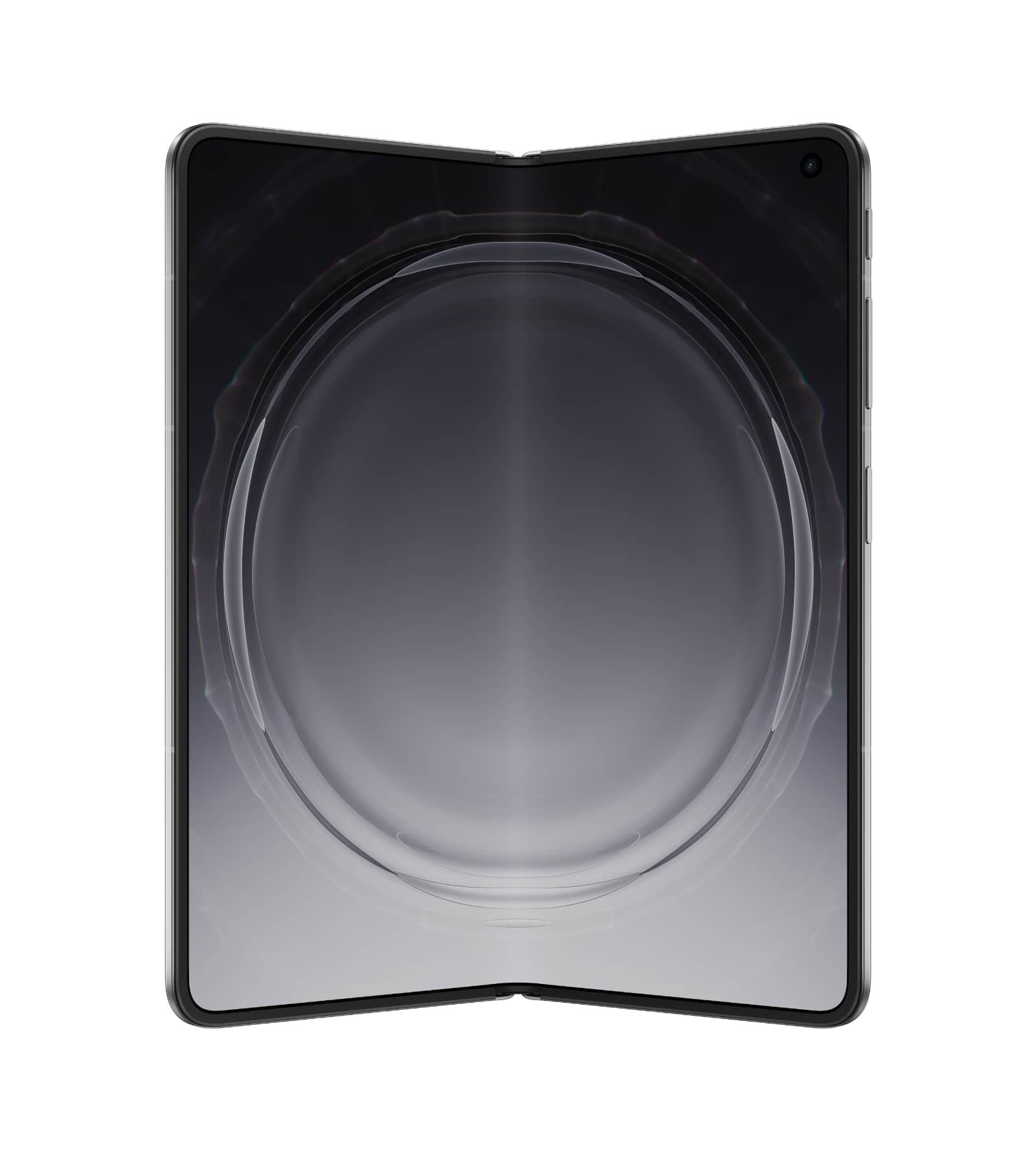
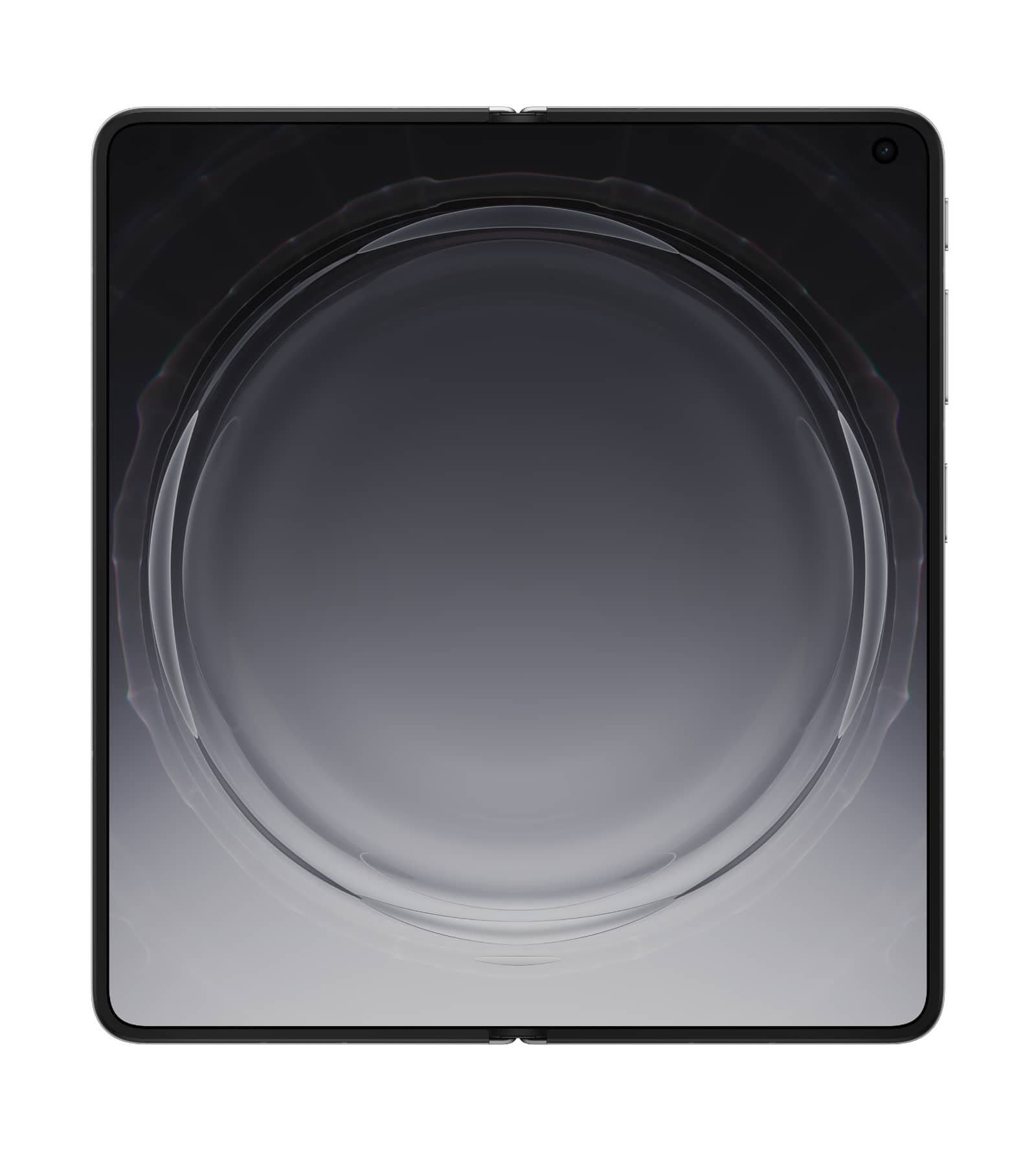
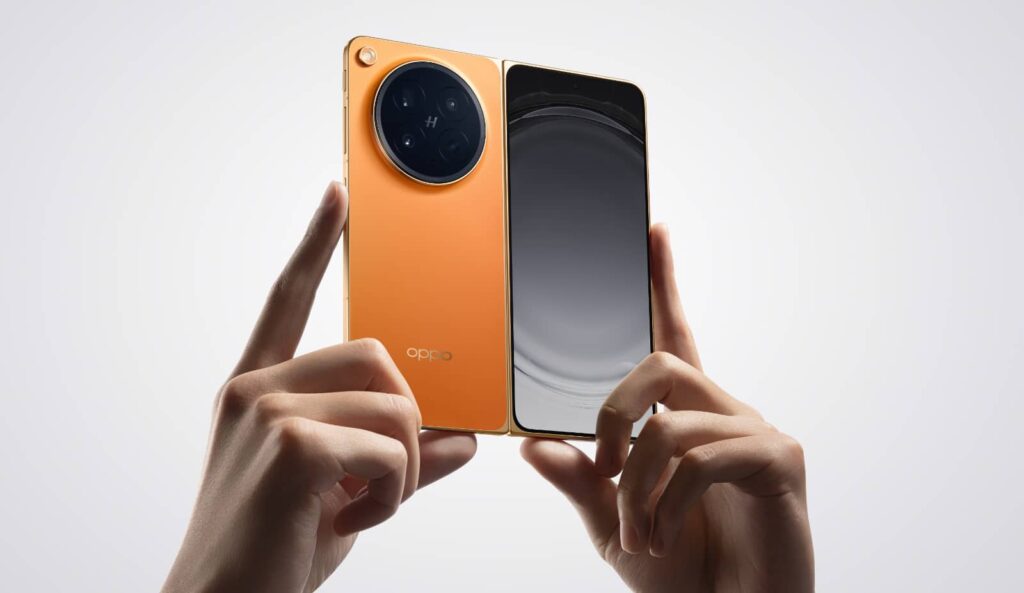
Oppo’s latest phone, the Find N6, could be the first gadget to do so, launching a new type of hinge made with “3D Liquid Printing” technology to fill super tiny points and gaps, and essentially making a hinge under the screen that is level. It means the screen that sits atop has a height variance that is largely imperceptible, moving from 0.2mm variants to 0.05mm.
It’s not just the hinge that’s seeing an improvement, but also changes to the glass. Oppo is using something it calls “Auto-Smoothing Flex Glass” that works a little like a spring to balance out any deformations.
The result is something Oppo calls a “Zero-Feel Crease”, or to put it simply, no obvious crease in the screen. That screen measures 8.12 inches on the inside, made up of a flexible screen, while the outside sees a 6.62 inch display, providing both a regular cover screen and a tablet style piece of hardware on the inside. There’s even support for a pen, something foldable makers largely turned away from recently.
Inside and outside, the Oppo Find N6 is more like a flagship for 2026, complete with a Qualcomm Snapdragon 8 Gen 5, which we’ve seen benchmarks from existing devices, such as the Leica Leitzphone (Xiaomi 17 Ultra).
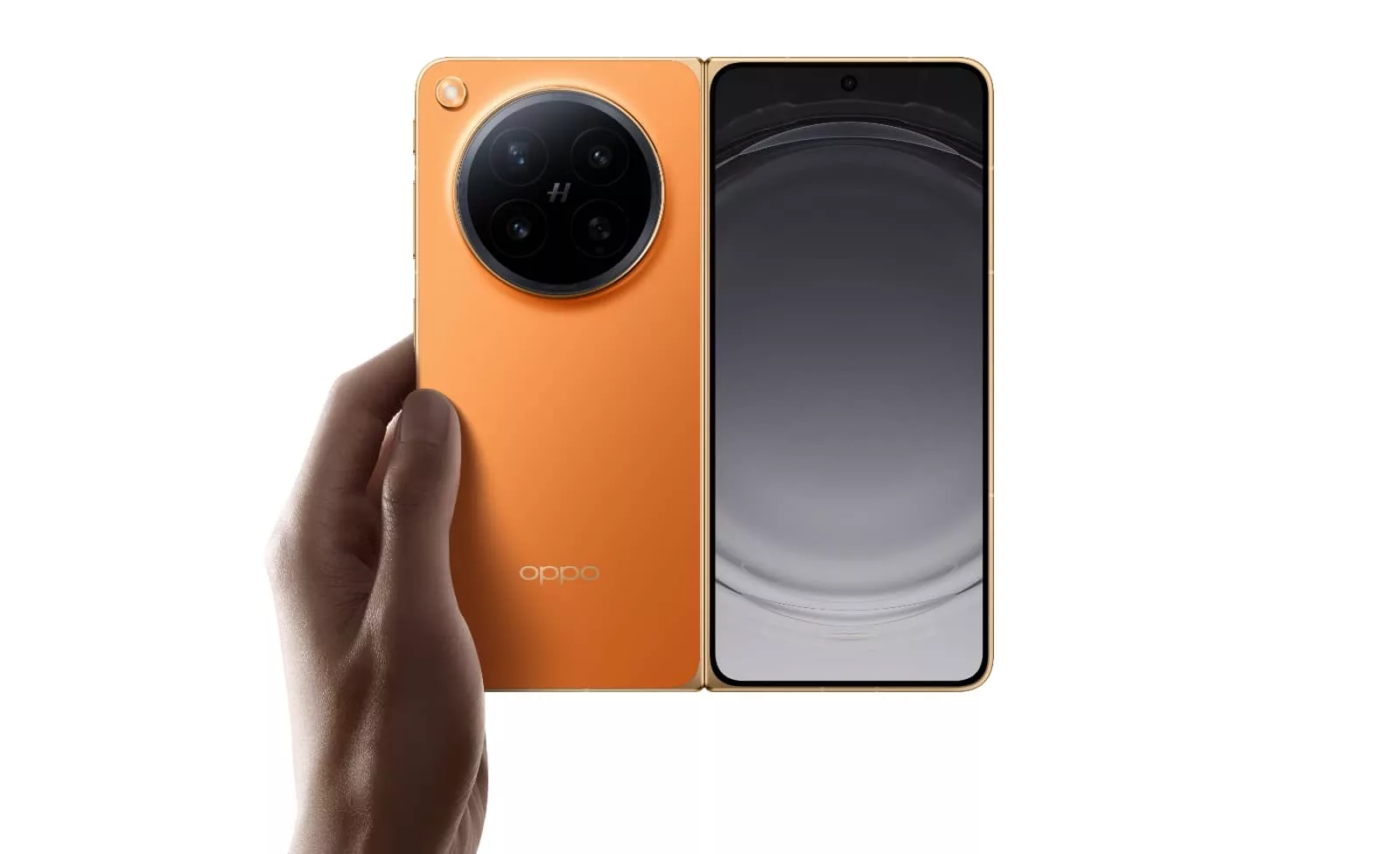
There’s also a multi-camera system in the design, with a 200 megapixel wide camera tweaked by Hasselblad, a 50 megapixel ultra-wide, and a 50 megapixel 3x telescopic camera using periscope technology. That’s not quite the same as the Oppo Find X9 Pro, so we doubt that means compatibility for the telescopic lens made available for that phone.
The design of the Find N6 stlls aims to be thin, with a closed design measuring 8.93mm, just marginally thicker than the iPhone 17 Pro Max’s 8.75mm thickness.
Perhaps most interesting is the price, which will see Australians get their hands on the Oppo Find N6 for $3299, while the Oppo AI Pen will be an optional extra at $199, landing in stores from April 16, specifically at JB HiFi, Vodafone, and at Oppo’s online store.