
You’d be forgiven for thinking the common desktop is dead, what with all the emphasis on the laptop in today’s day and age. Desktops still exist, but it can feel like they sit in a vacuum, left for people who want the convenience of an all-in-one like an iMac, or for folks building hefty hardware for games and the like.
But over at the world’s biggest technology show, HP is setting up the desktop in a way that could make it a perfect addition to a workplace, or even a home with simple needs. And that’s not all HP is doing with computers this year.
The news adds to the onslaught of everything CES 2026, because there is definitely a lot to wade through.
While this year will almost definitely raise prices on laptops, a problem you can thank AI for, HP’s range includes laptops sporting some of the longest battery life the company has ever seen, a big focus for PC owners today.
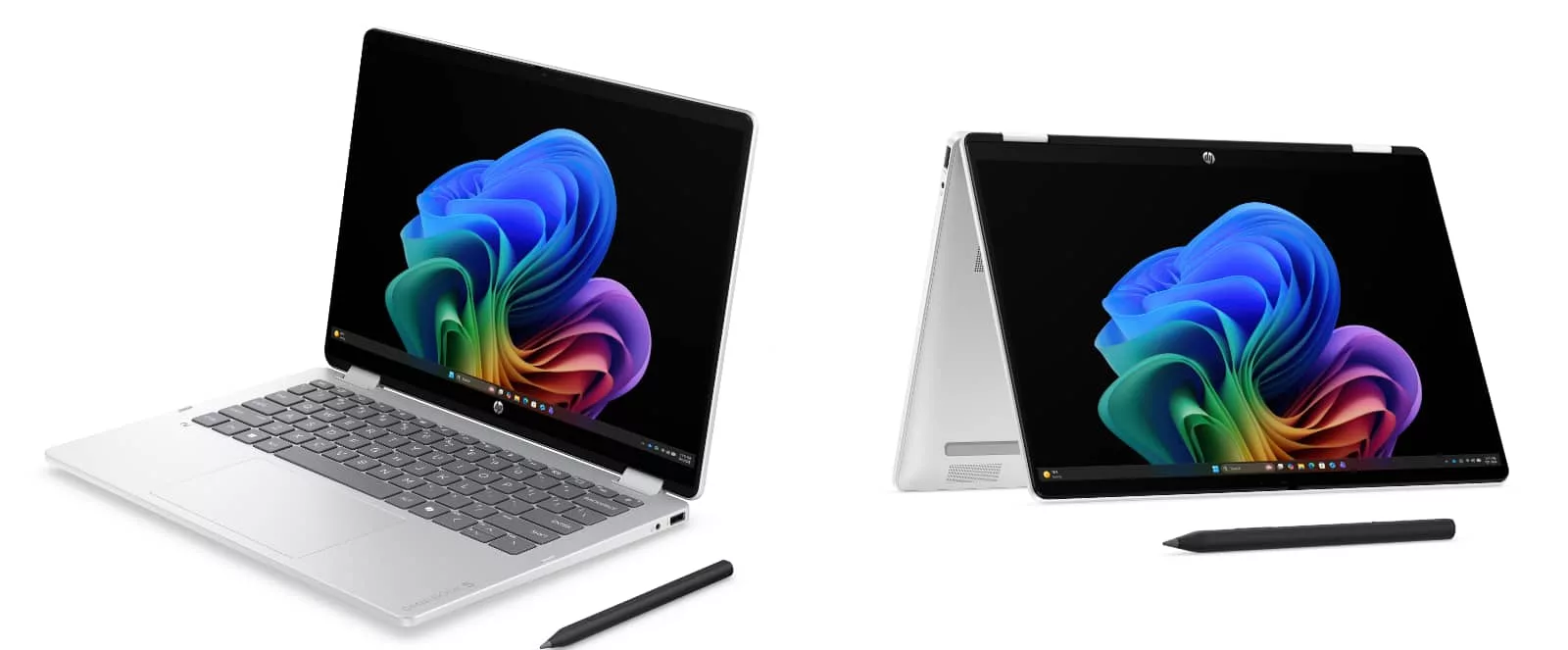
Take what’s happening in HP’s Snapdragon-powered PC range, the OmniBook, which this year will see up to 45 hours of life in the 16 inch OmniBook 3 thanks to Qualcomm’s X2 processor, also announced at CES this week.
As it is, the OmniBook 3 will aim to get the price of this style of laptop down, while updates to the mid-range OmniBook 5 will deliver OLED and aluminium as sort of a premium mid-range offering, and then a slightly better OmniBook 7 will be focused on more professional uses.
HP will also have a laptop without Snapdragon inside, the newly updated OmniBook X (which we’ve seen in the past) which will offer higher spec Intel and AMD processors, offering standard laptops and hybrid 360 degree models that work as a tablet, as well.
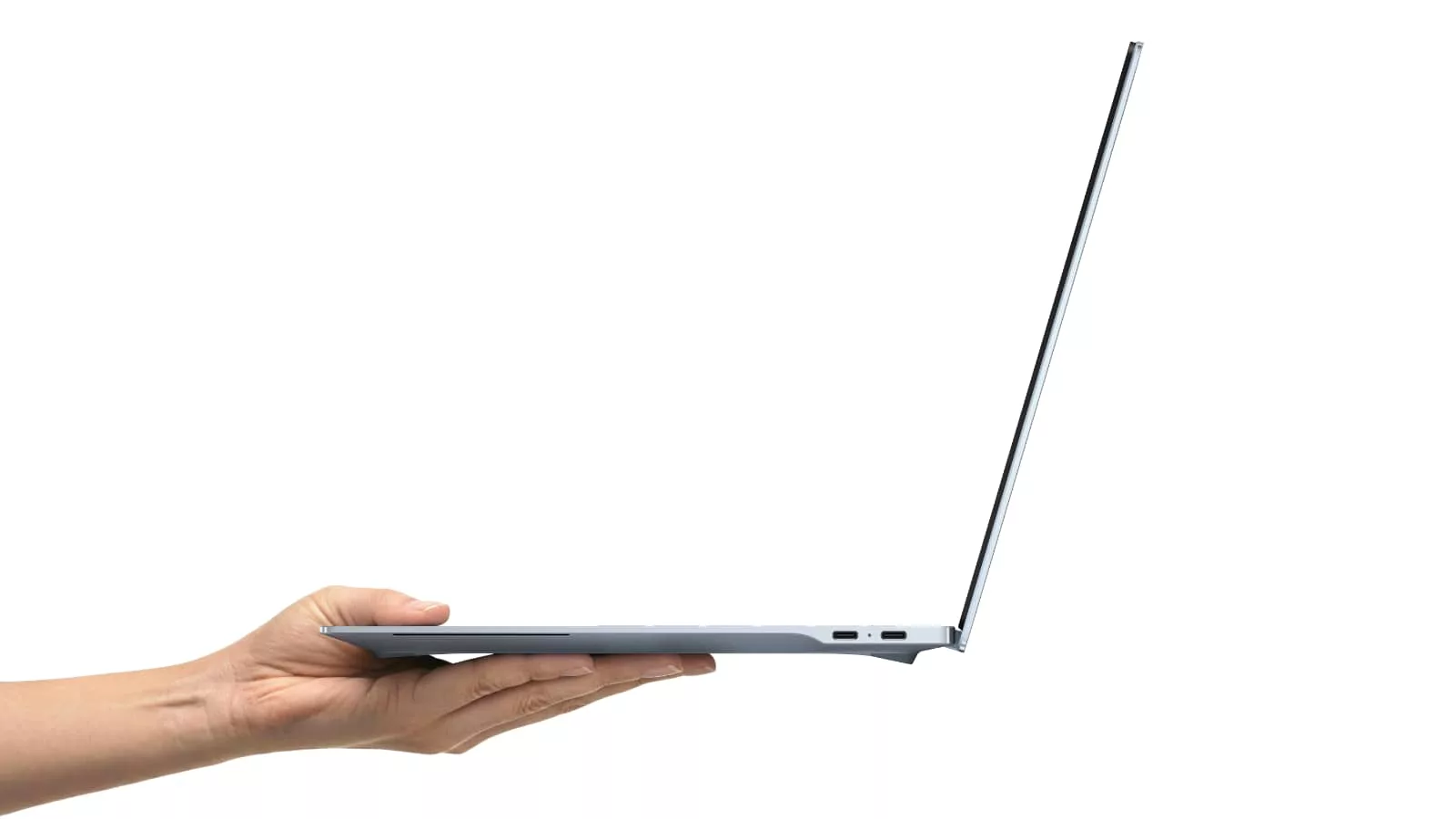
Of particular note is HP’s OmniBook Ultra 14, an aptly-named 14 inch laptop sporting either Intel or Snapdragon inside, and built to be thin, light, and durable. It’ll weigh just under 1.3 kilograms and measure marginally over 10 mm thick (10.67 to be exact).
While thin and light computers aren’t exactly rare today, the Omnibook Ultra 14 will also sport military-grade durability, making it a little more ruggedised than most other thin and light machines out there.
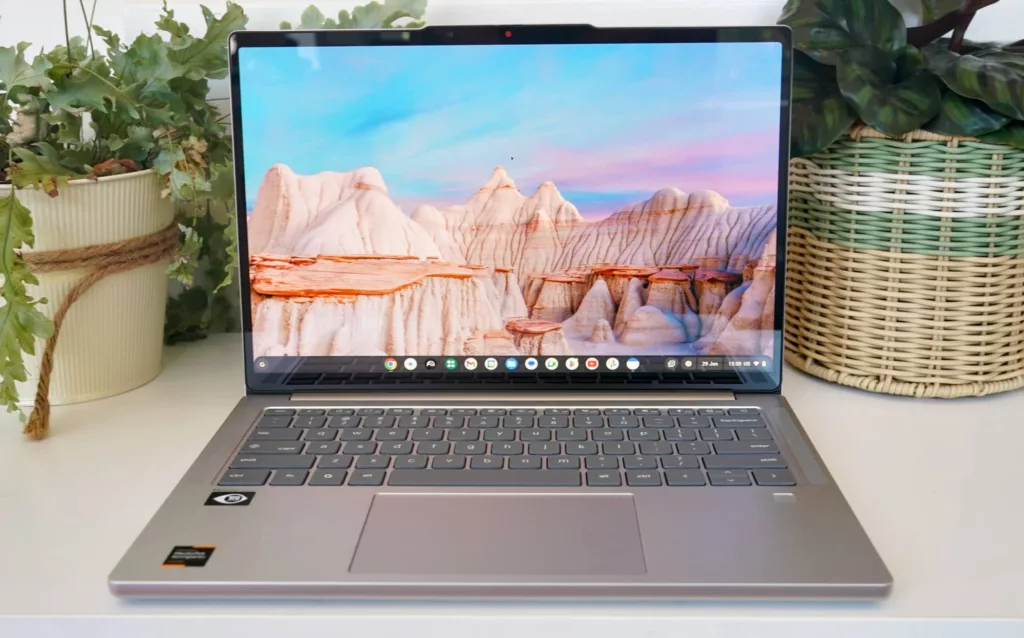
HP will also have Chromebooks and Chromebook Plus models to consider, the latter being the variant with a little bit of AI thrown in, and then there’s what’s happening in desktops.
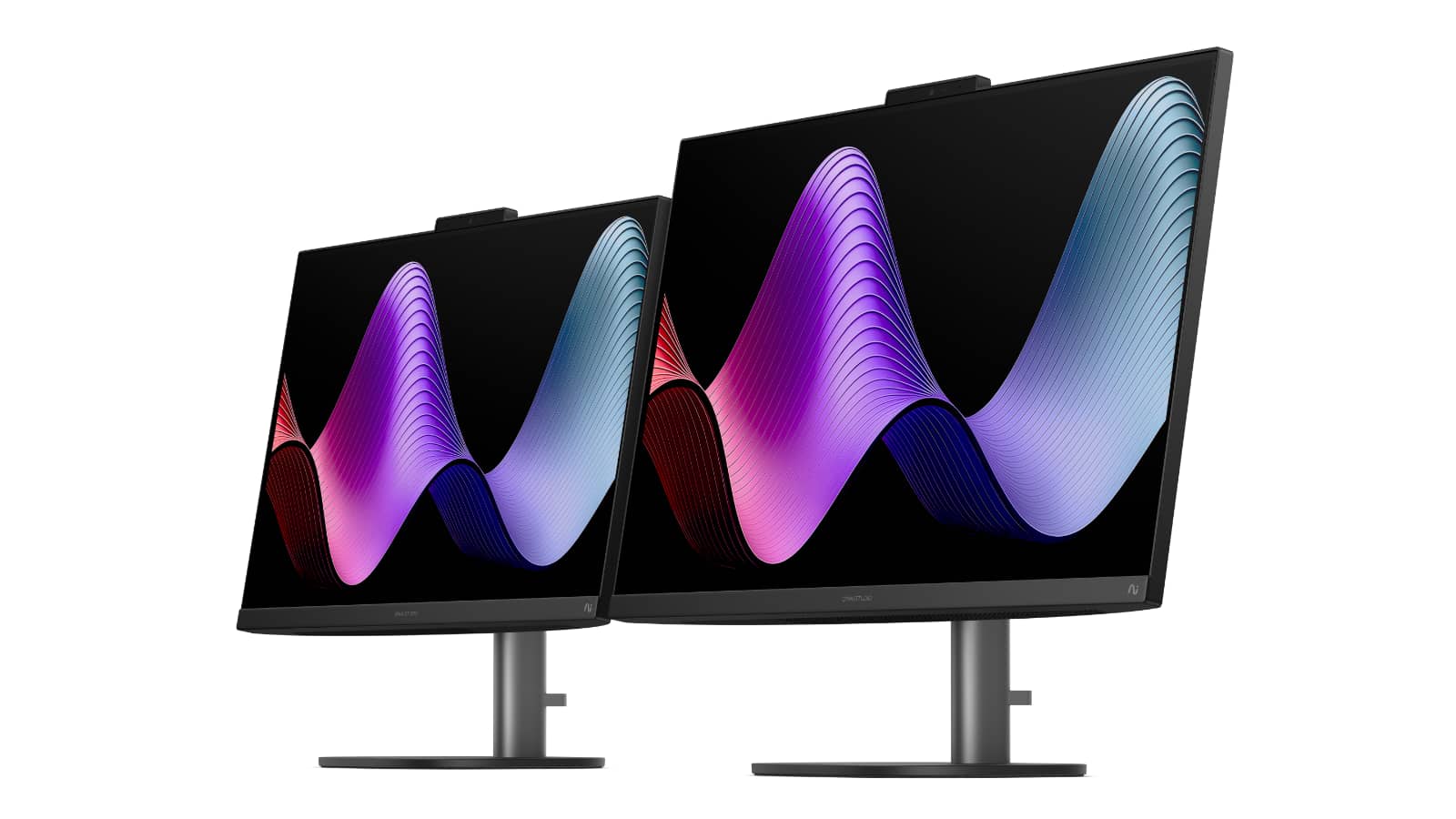
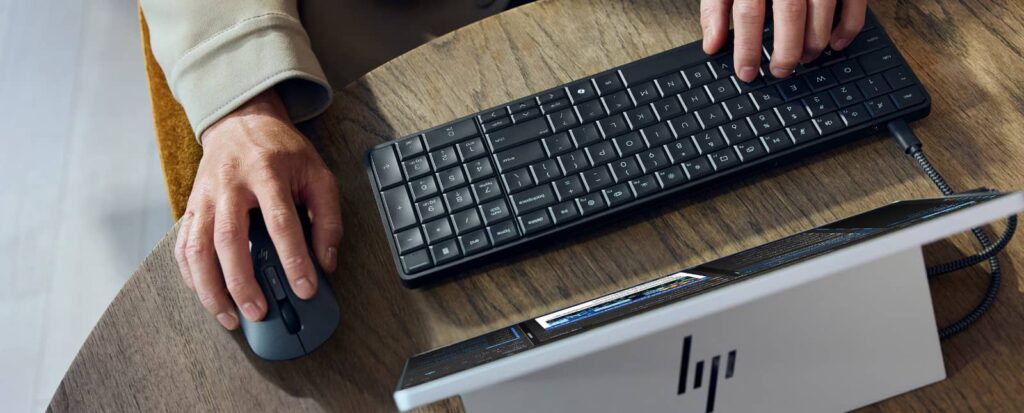
The company will have a couple of all-in-one desktops inside of the 23.8 inch and 27 inch OmniStudio X models, but the most impressive of the range could be the EliteBoard G1a, an AI PC built into a keyboard.
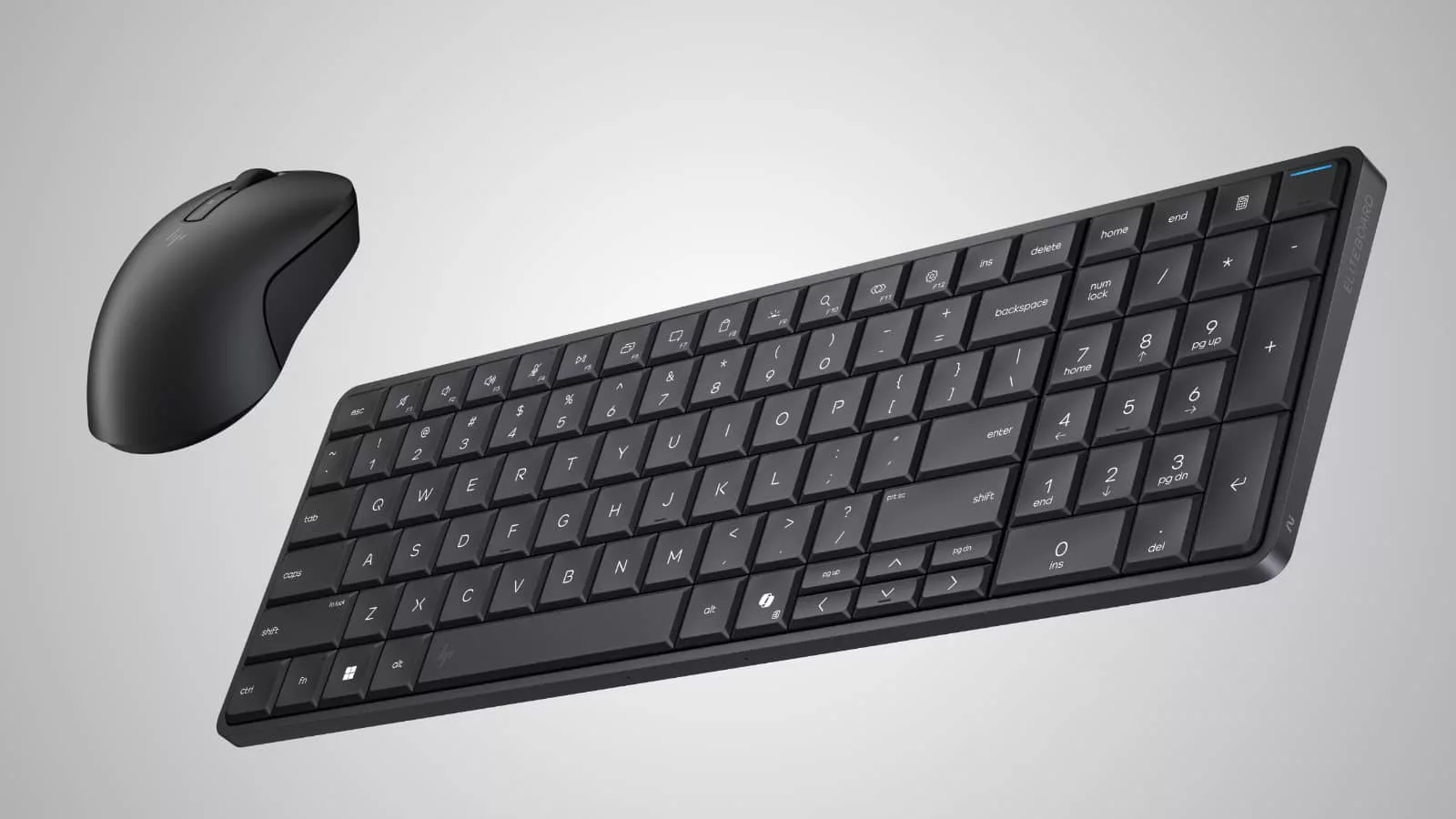
For that unusual take of a desktop PC, you’ll only really need to bring the monitor, with the keyboard coming with all the hardware including the mouse, and running an AMD Ryzen 300 processor with AI onboard for local machine learning uses.
It’s not the first PC keyboard hybrid, but it is a reinvention of the style, and one that could be more useful outside of the working world, which is clearly where it’s pitched. For instance, homes with a spare screen could turn a simple desk or bookshelf into a compact PC of sorts, and we can probably think of other uses, too.
Right now, there’s no pricing for any of it in Australia, but that’s par for the course with most CES announcements. If you are interested, stay tuned because these things typically get priced and dated not long after.