
Phone battery complaints tend to be the norm, and chances are you know them better than most.
“It just doesn’t last.”
“I can’t get through the day.”
We’ve heard it all and try as we might to get away from them, mobile phone owners tend to rely on power banks for obvious reasons. While battery development continues to improve, there’s a good chance that your phone still hasn’t seen many of those benefits come to fruition.
Or worse: it did once and now it doesn’t because phone batteries decay over time. Their once impressive battery life starts to lose power the more you use it, resulting in a battery issue that affects how long you have a phone for.
Power banks are therefore the obvious solution, but one that can come with an obvious risk. In fact, it’s a risk that has seen disaster at times from how flammable they can be. Now you can’t use power banks on flights for a seriously good reason.
That still doesn’t mean using a power bank is necessarily safe all the time, but manufacturers are working to improve the safety because of the risks as they are now.
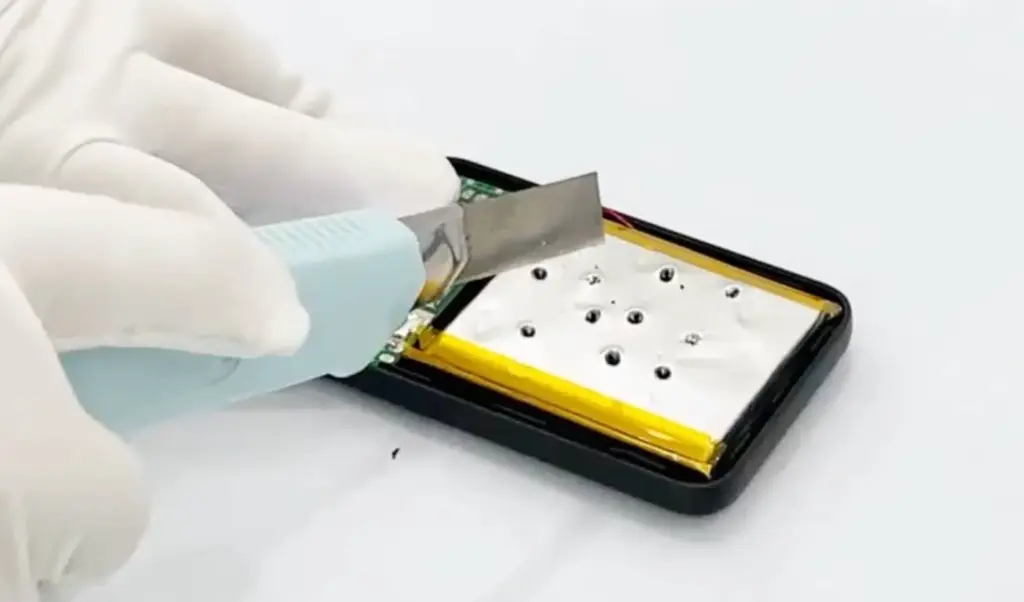
If a standard power bank is dropped badly or pierced in any way, the contents can explode. Those contents are often using a liquid electrolyte to move the electrons that power your devices, and they can catch fire. That’s not a good thing.
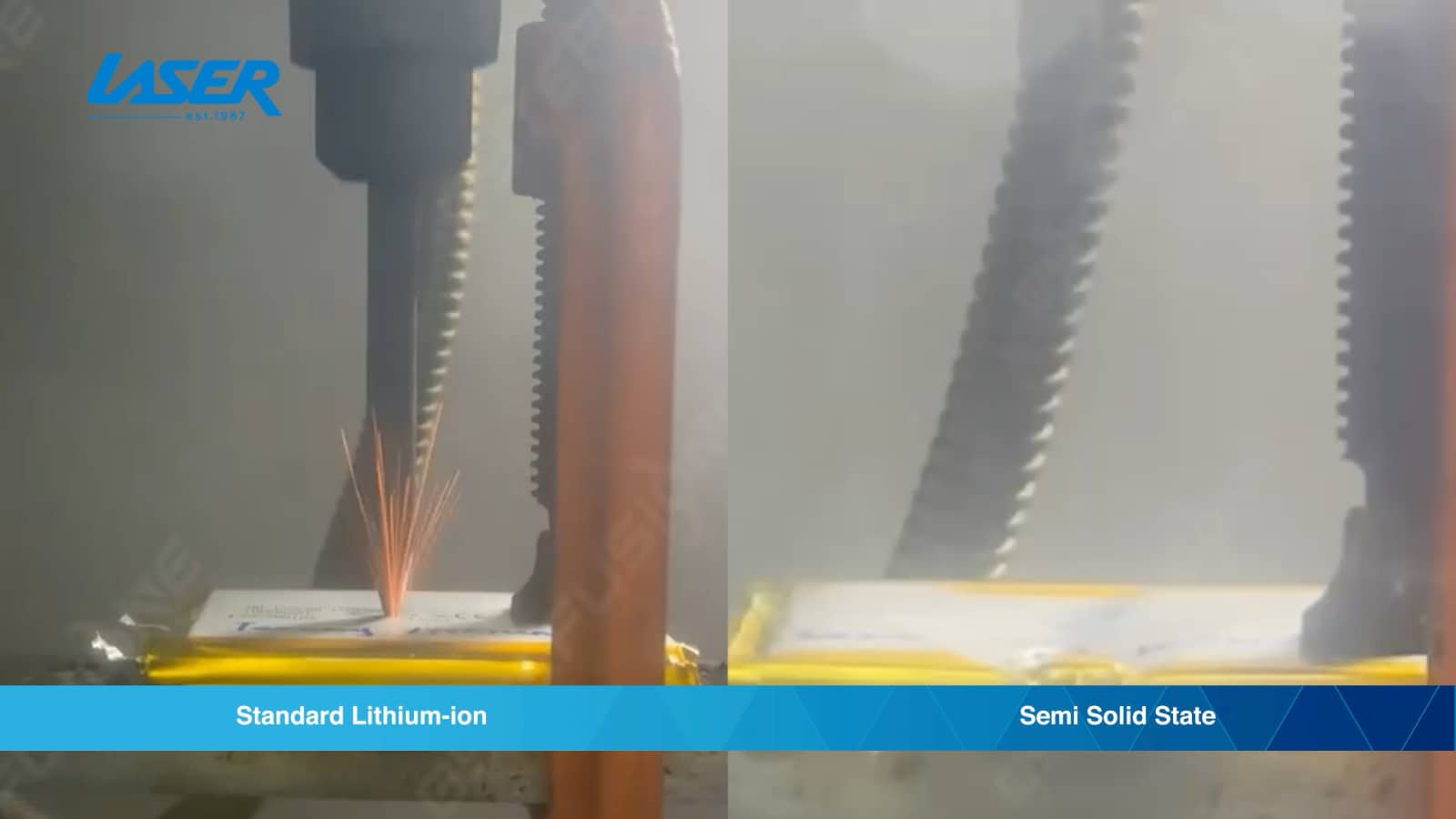
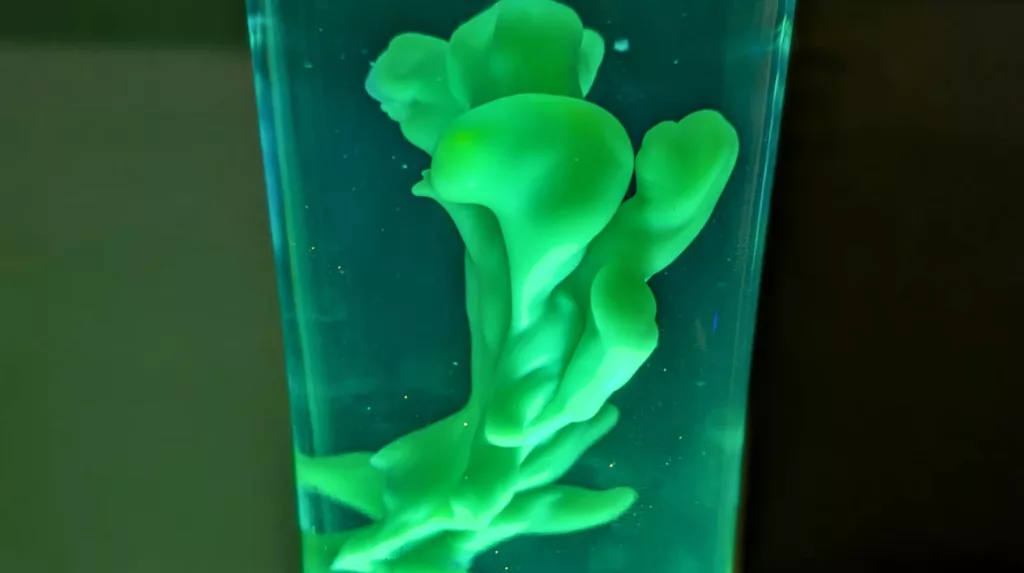
With the newer approaches, the electrolyte doing the lifting is suspended in a thick gel, reducing the amount of liquid and making it a “semi-solid state”.
You can probably imagine what a true solid-state battery is, but that’s something further off down the track. Baby steps for the moment, and semi-solid state now, with the main differences being less flammable liquid, less chance of it leaking, and less chance of it decomposing which can lead to it overheating.
“Safety is one of the most important considerations when it comes to portable power, and semi-solid-state battery technology represents an important step forward,” said Chris Lau, Managing Director at Laser.
“This technology is designed to make portable power safer by reducing the amount of flammable liquid electrolyte inside the battery,” he said. “Its gel-based composition helps minimise leakage and improve heat stability, addressing some of the key safety considerations associated with traditional lithium-ion batteries.”
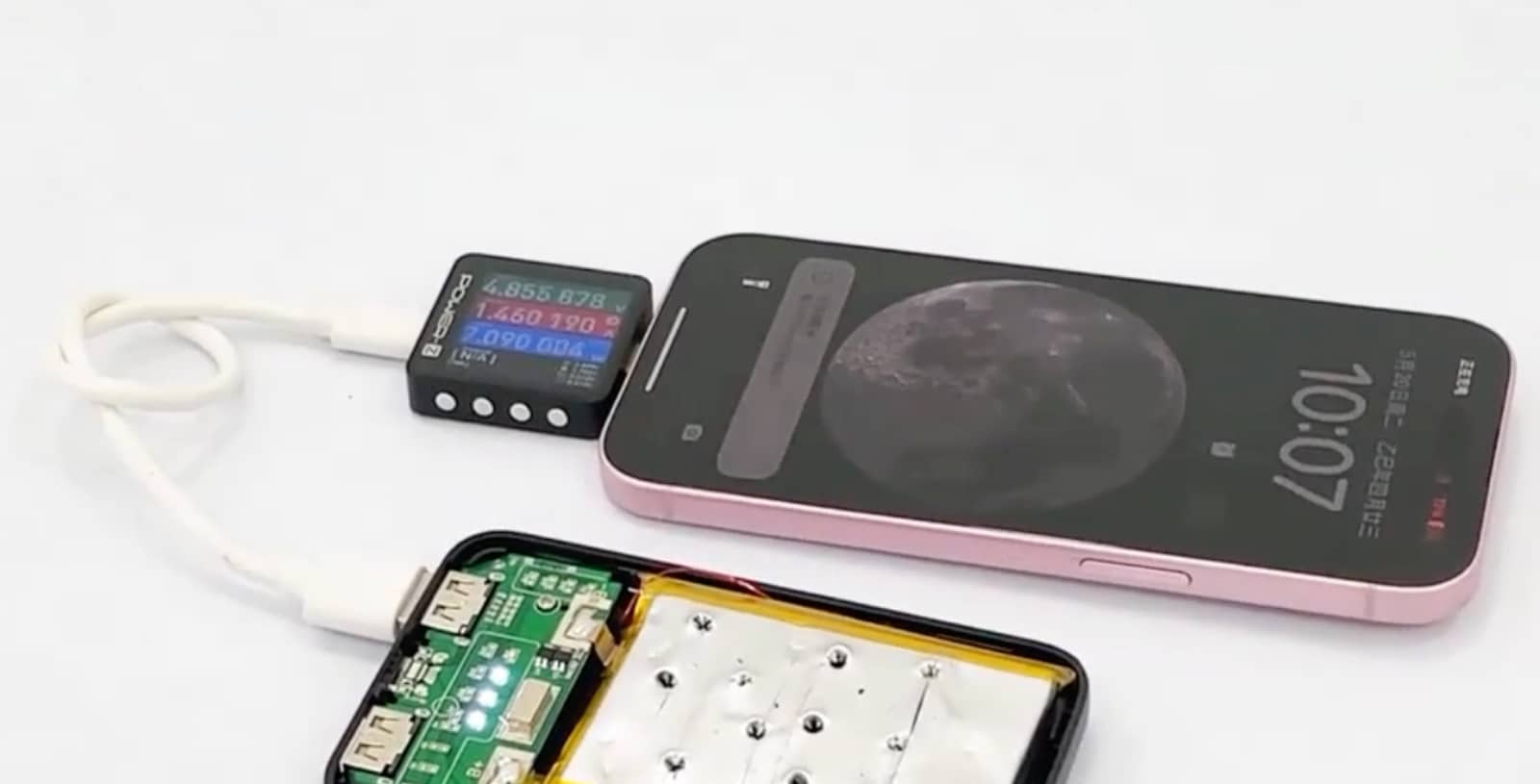
While Laser wouldn’t be drawn to just how much of the content was gel-based versus liquid, tests show the battery not only can sustain puncture without disastrous consequences. In some instances, it actually keeps working even after being punctured.
Laser’s launch in the category covers three models in its ChargeCore Semi-Solid models, ranging from a 10,000mAh battery all the way up to a laptop-focused 27,000mAh, the largest you can really carry with you in most luggage without needing a special permit.
However, it’s not the only company going down this way. Journey has previously launched semi-solid state locally, and other power banks are definitely going this way, with less risk and more stability the obvious benefits.
“For consumers, it means greater peace of mind when powering their everyday devices on the go,” said Lau.