
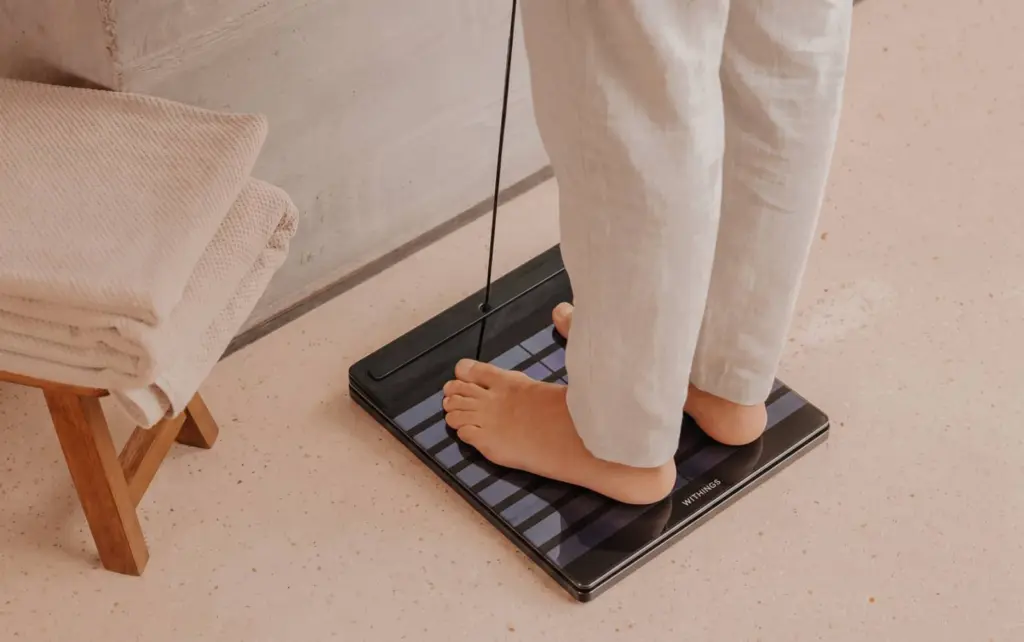
There are lots of ways technology can encourage and possibly inspire you to get fit, and not just by playing the sounds of zombies chasing you through the street.
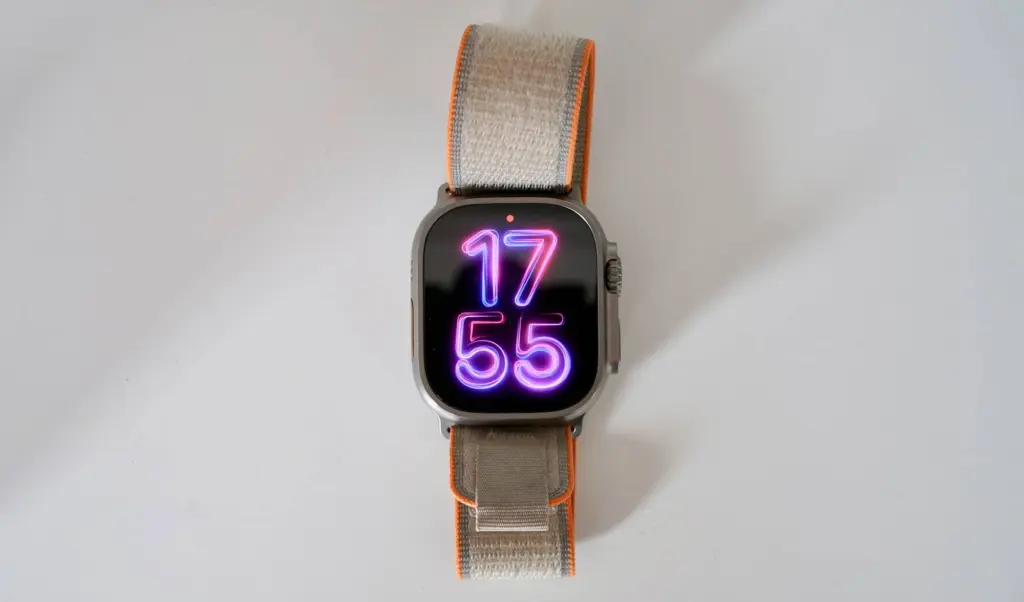
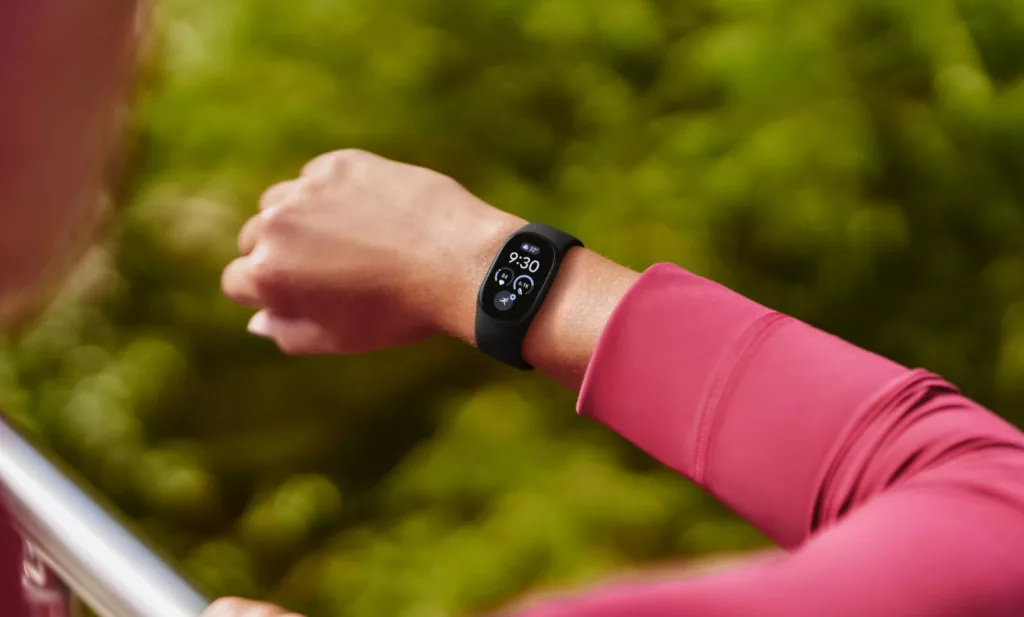
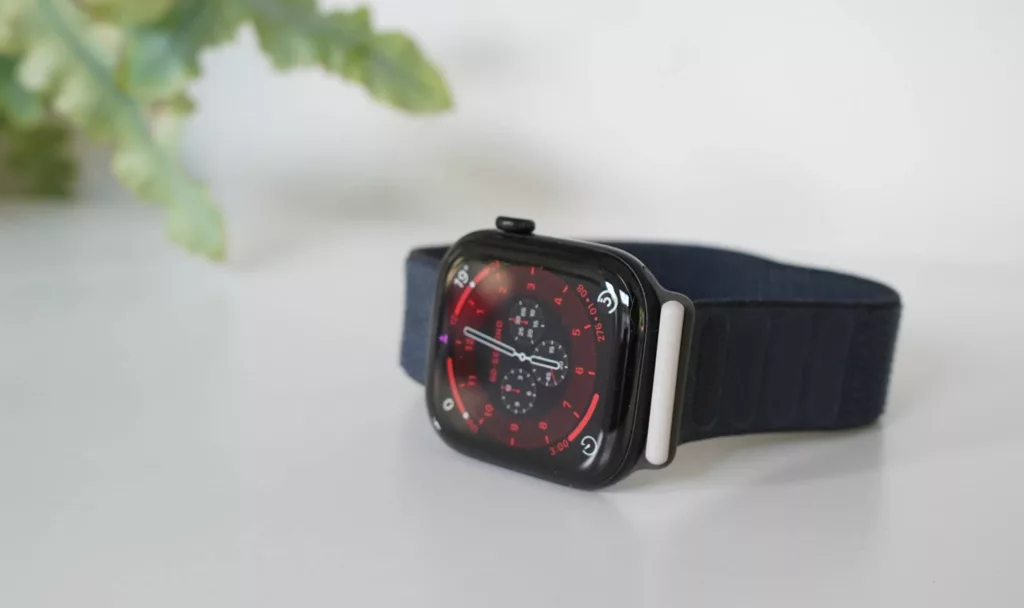
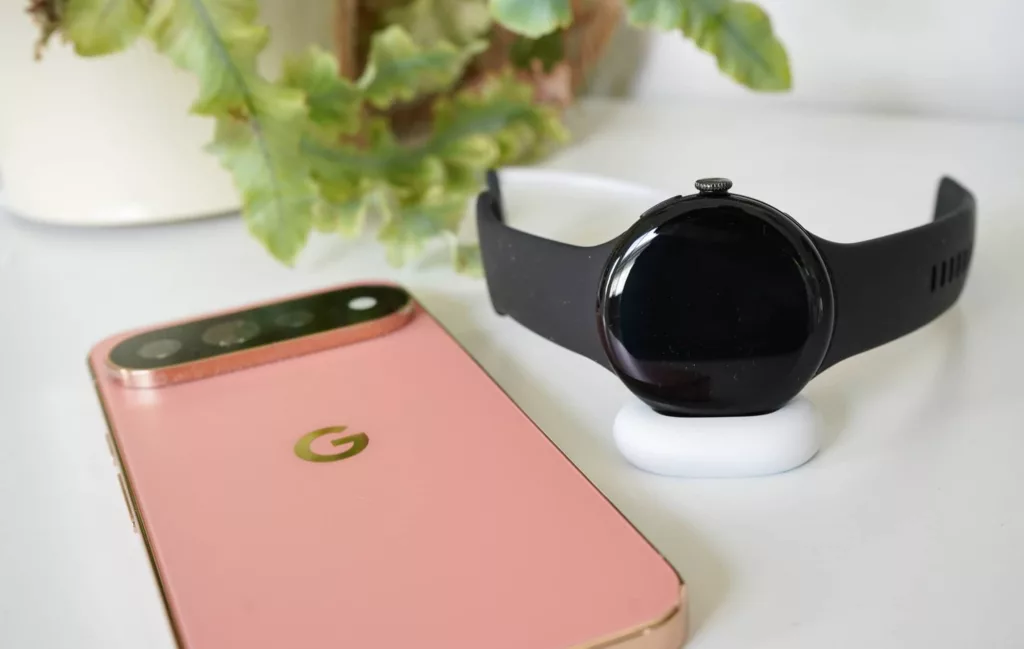
You can wear a fitness tracker or smart watch, monitoring your health and reminding you to stand up and move around. Earbuds can track the little bits of fitness you do and add it to your health activities. You might even decide to literally sleep on it, using sleeping technology to see your health, with sleep apnoea warnings serving as a reminder to lose weight.
Technology can definitely assist in a desire to get into better health, but there’s also technology that can bring it all together, delivering an outcome that better explains it all: a scale.
Yes, the humble square that you stand on can now be connected to your phone and wearable, and even provide analysis from the cloud, and that analysis is beginning to get more impressive.
Following its announcement at CES earlier this year, Withings is talking up a new generation of the technology that manages to go even deeper than its assortment of weight and nerve and heart rate analysis features has so far, adding two models to its “Body” range of smart scales.
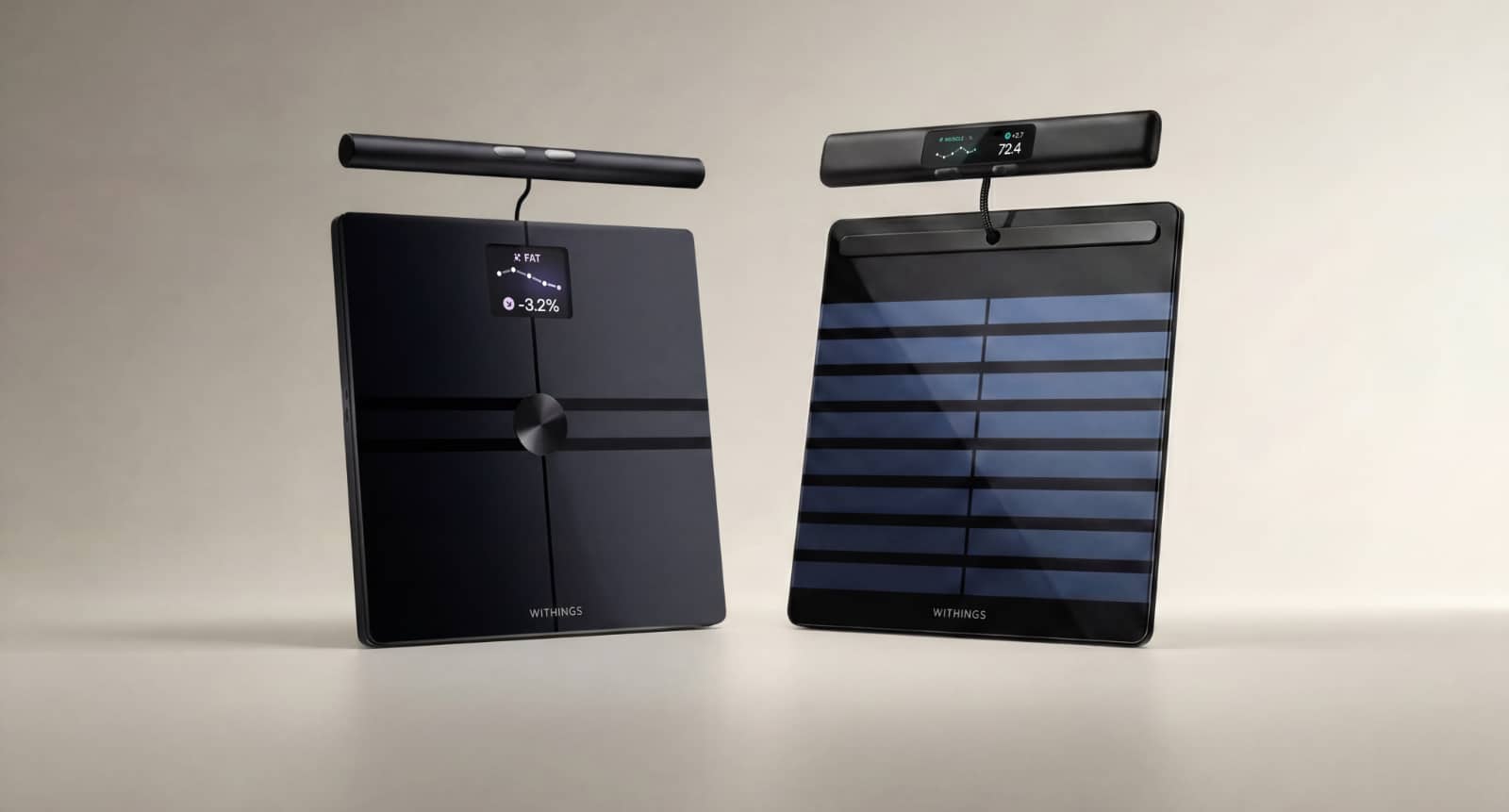
On the one hand, there’s the BodyScan 2, a top-of-the-line smart scale that essentially takes a cover-all approach to understanding health.
The scale comes with a bar you can hold while standing on the scale, using a bioelectric sensor to measure your internals, scanning arms, legs, and core to measure fat and muscle, and provide an understanding of each.
It will also cover cardiovascular, using an electrocardiograph (ECG) to analyse your heart health and heart age, while a built-in SpO2 blood oxygen sensor is used to get a gauge of improvements over time and other sensors for glucose resilience and nerve response time.
The bar you hold has most of the sensor tech inside, but it also has a screen to keep you aware of each sensor’s read-out, so you can simply hold it, watch it, and then stand off when you’re done.
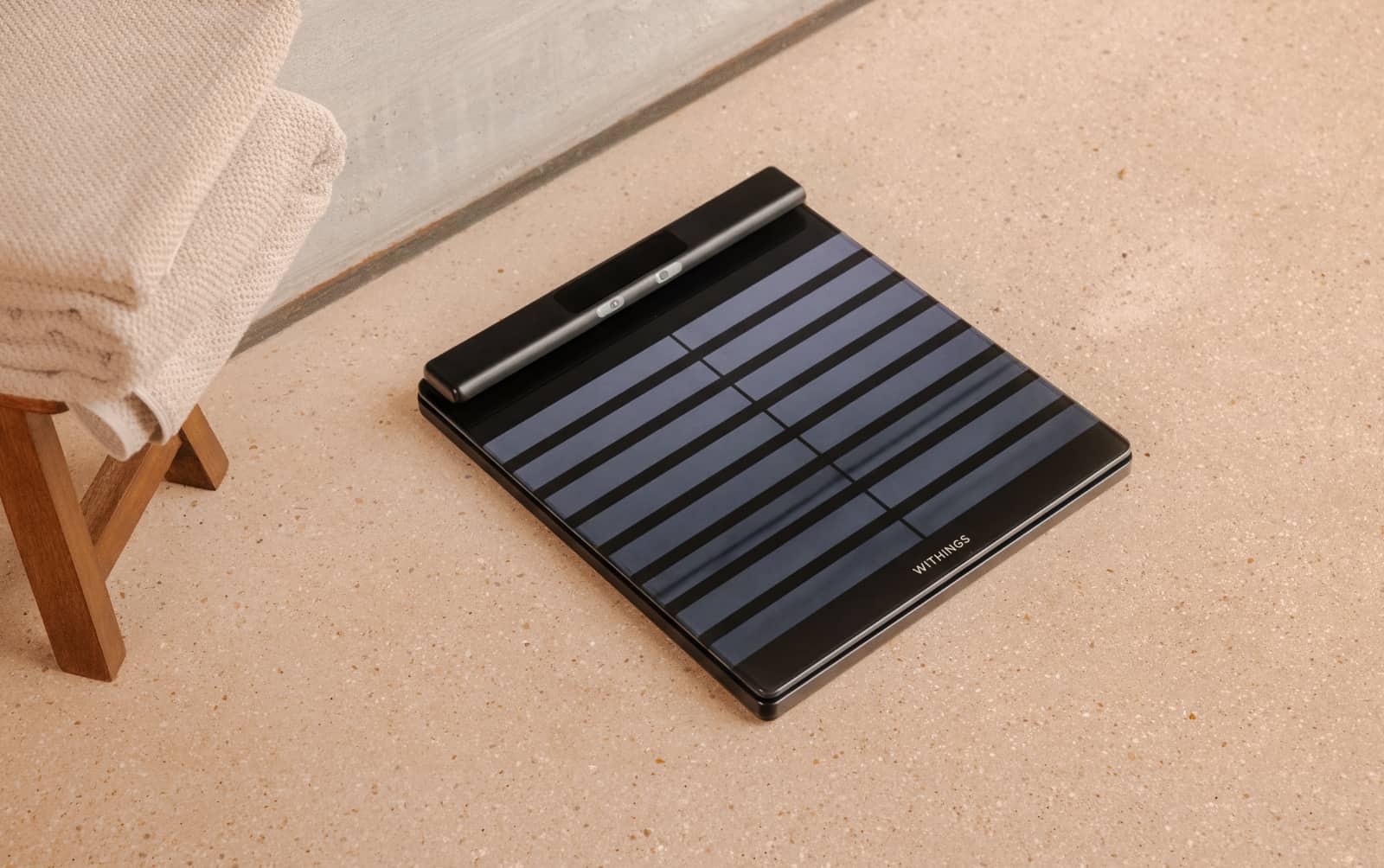
It’s a complex piece of technology Withings says is on the same level as a DEXA scan, but able to be used at home instead of at the gym or hospital, and uses a combinations of sensors and AI to provide an understanding of your health and progress when used over time.
The price, however, is definitely up there, commanding near a thousand dollars for a scale. Priced at $899 in Australia, the Withings BodyScan 2 is certainly not inexpensive.
A little lower, the BodyFit might be the model made for more people. While it misses out on the screen built into the sensor bar, it keeps the handheld sensor system and the DEXA-level body analysis and uses a similar approach for scanning.
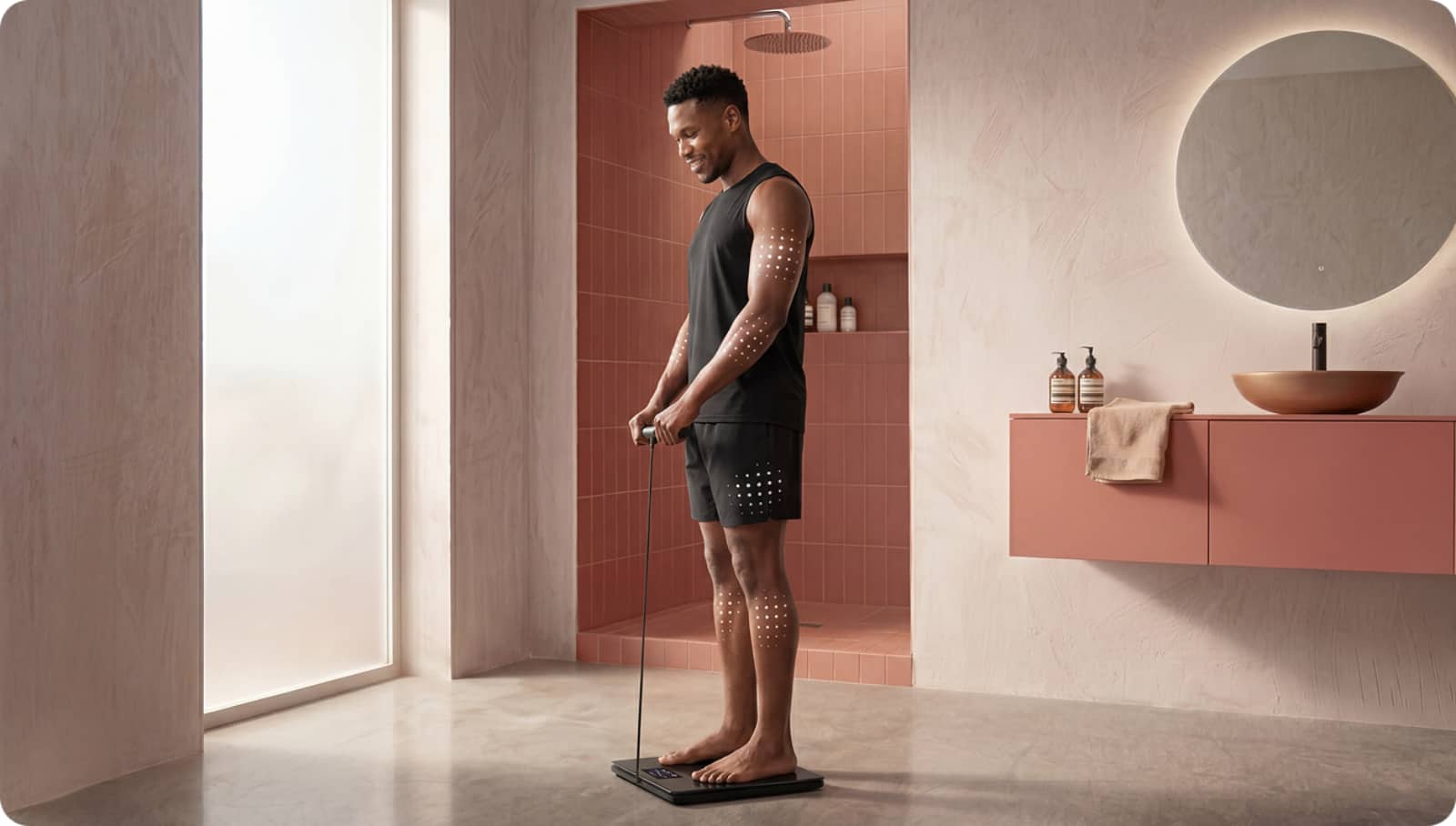
The BodyFit scale also applies biomarkers to track the fat around your organs, while a new “body profile” feature can measure the mass of skeletal muscle and fat mass as a means of going beyond the basics of body mass index.
In short, it sounds like a similar take on the tech, but at $499, comes in at a slightly more economical price. Granted, $500 is a lot of money to pay for a scale, but when you’re comparing a $500 scale to a $900 model, the saving clearly counts.
Both models can be found in Australia, with the Withings BodyFit and BodyScan found at retailers across the country.