
It’s been an interesting few years since Apple started showing us Apple Silicon, but ever since the first release of the M1 chip, the hardware has been growing in leaps and bounds.
The M1 was just the beginning, and in the past almost six years, it’s almost like a fire has been lit under Apple, igniting what’s possible from high-end hardware made to go.
The latest release definitely sees more of that apart, with a new architecture in the M5 Pro and M5 Max, hardware made for workstations, for professionals in the creative space, and even for the folks leveraging a lot of local AI in their lives.
“M5 Pro and M5 Max are a monumental leap forward for Apple silicon, leveraging our new Fusion Architecture to scale the capabilities of Apple silicon while preserving its core tenets of performance, power efficiency, and unified memory architecture,” said Johny Srouji, Senior Vice President of Hardware Technologies at Apple.
So what does all this mean?
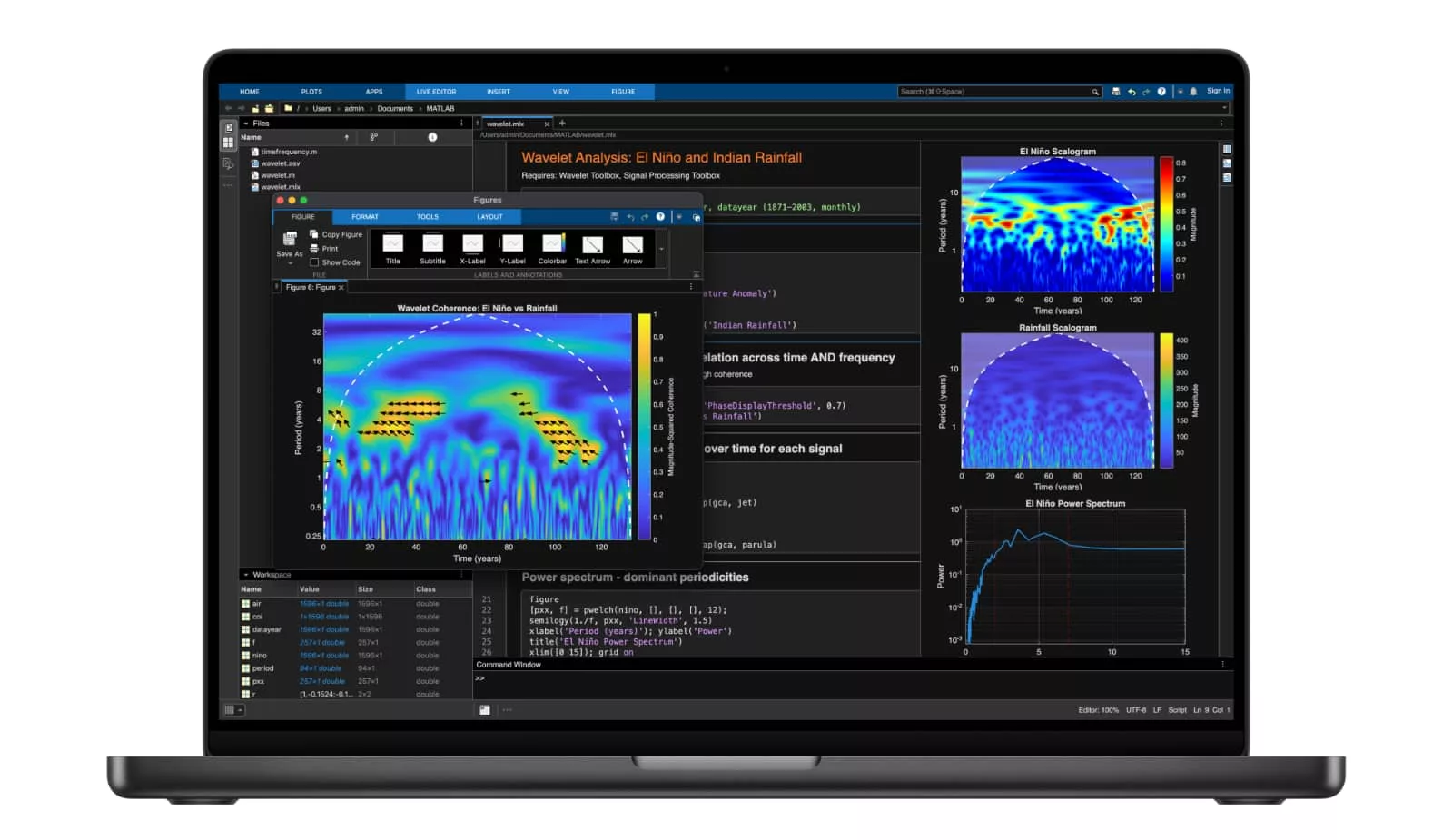
Under the hood, there’s an architecture that connects two spots of hardware into a system on a chip, essentially providing two processor stacks in one place, and allowing the system to use a scalable graphics system alongside a new processor, while also upgrading the AI capabilities with the Neural Engine.
Neural processing has long been a part of Apple’s hardware, which is why so many computers can technically run AI processing, albeit at different levels. Granted, local AI isn’t what most people use, with cloud services typically where AI runs. But it doesn’t have to be that way.
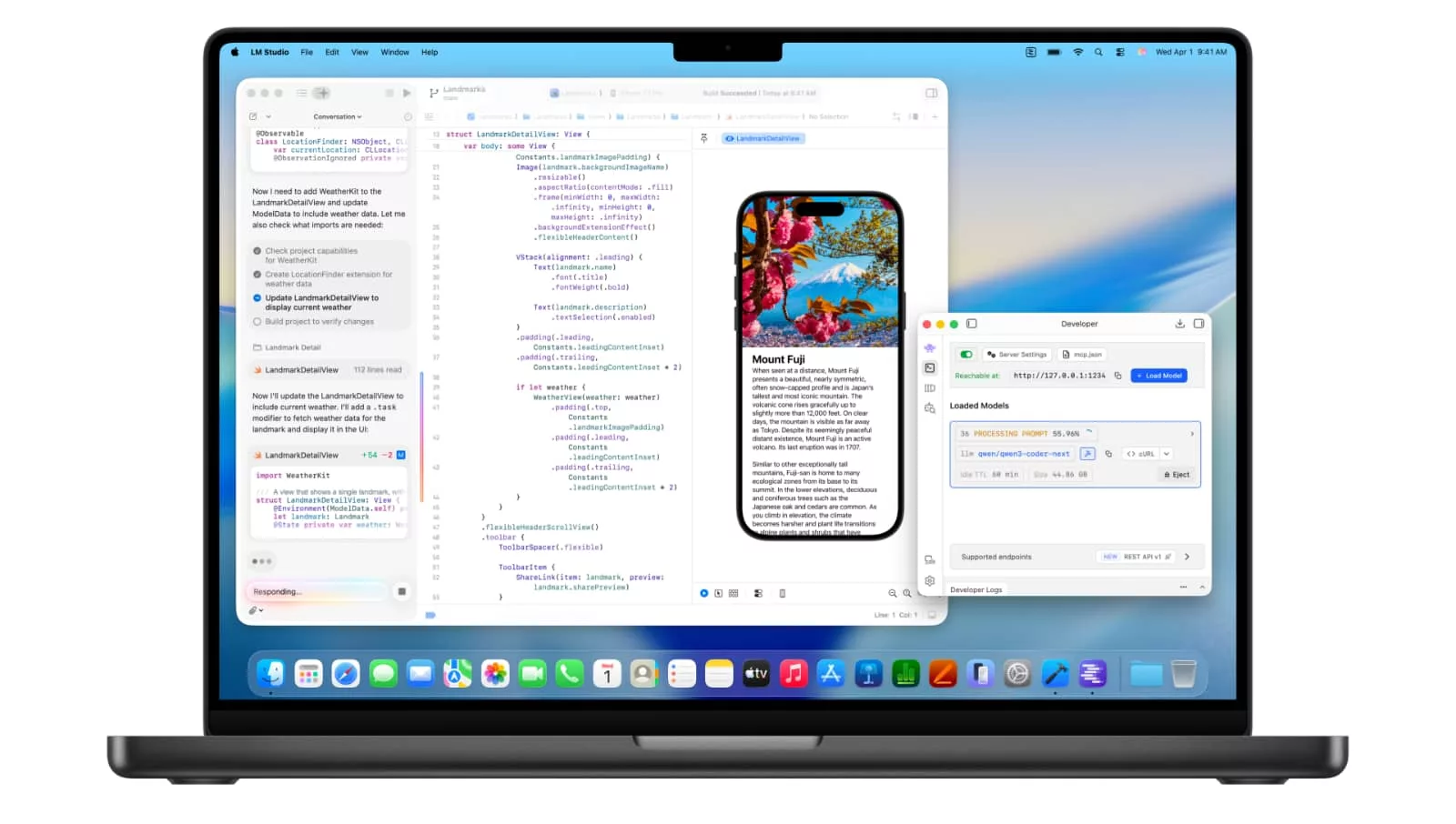
For instance, as part of the M5 Pro and M5 Max, each of the graphics accelerator cores features a neural accelerator, boosting AI capabilities, while CPU and GPU are both improved across speed and memory bandwidth.
On the M5 Max, things are pushed even more, with up to 40 cores of GPU on offer, higher memory bandwidth, and support for more of it, too.
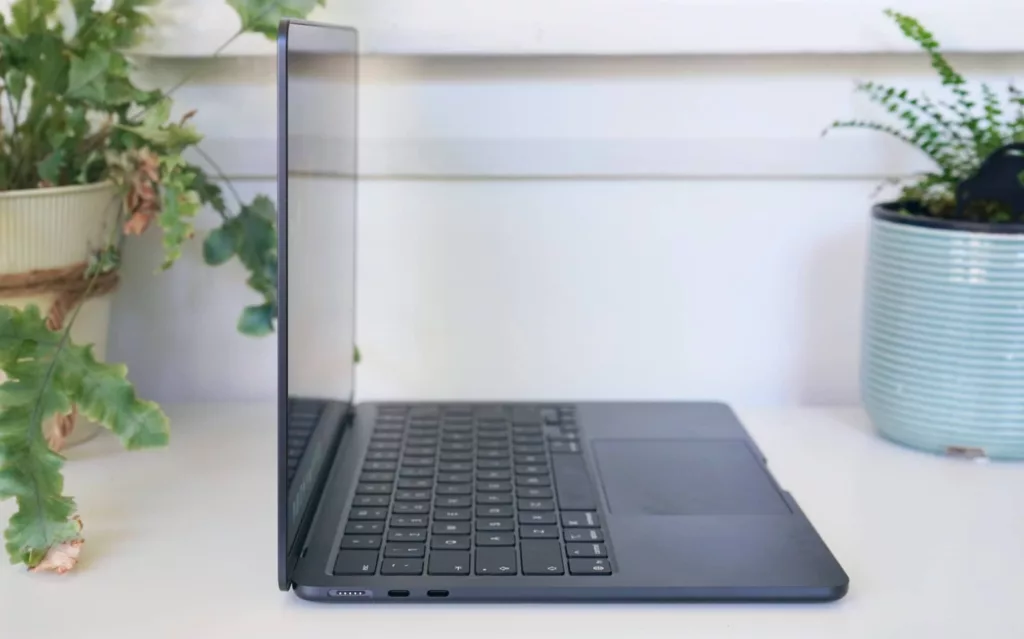
The chips are just faster, and they now come with support for Thunderbolt 5, meaning every machine with an M5 Pro and M5 Max gets Thunderbolt 5 support out of the box, with backwards compatibility for the previous Thunderbolt generations.
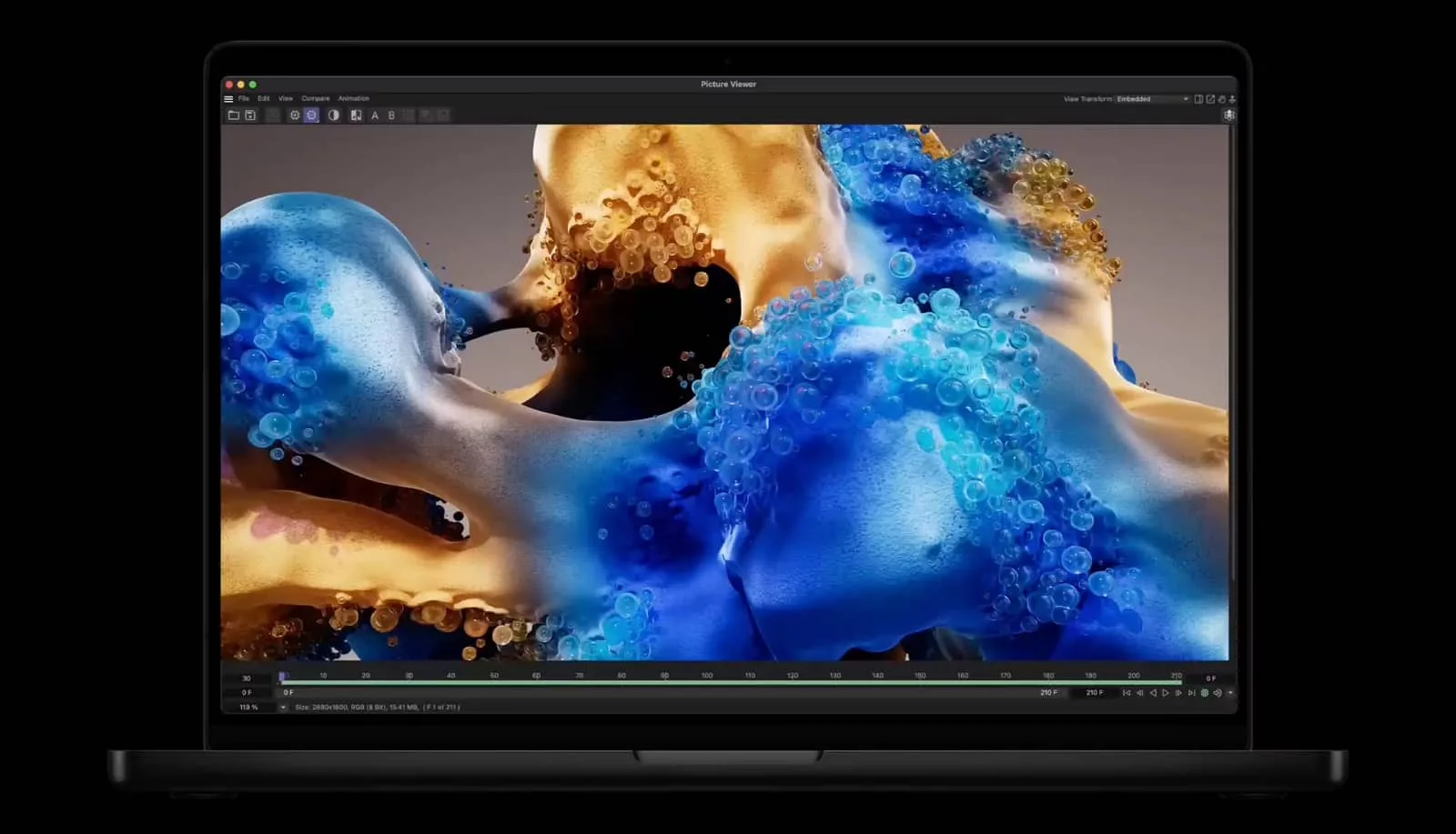
That should boost performance for folks in the visual effects, animation, and even data science fields, but the amount of neural processing should also improve life for those working with AI simply due to how much attention neural processing is being given.
While localhost AI is still less common than online AI cloud services, you can find it in some places. It’s even what powers the AI text to speech functionality on this site.
Of course, like all high-end Apple hardware, the M5 Pro and M5 Max chips aren’t likely to come cheap. But it’s a pretty clear sign what devices we can expect out of Apple, suggesting it won’t just be the MacBook Pro that’s updated this week, but also the Mac Mini with M4 and the most recent Mac Studio refresh, as well.