
You can’t go very far in robotics and drones without hearing the name “DJI”, as it is clearly one of the first companies to start dabbling in consumer-grade tech for these categories. And yet there’s one area in robotics we’ve not seen the company play in previously: cleaning gear for the home.
We’ve seen it from other players, such as Ecovacs, Narwal, Roborock, and more recently Dreame, but with robotics clearly playing a big part in consumer tech this year, thanks to all the fun things announced at CES this year, it’s probably no surprise that DJI is jumping into cleaning robots for Australia, launching a rather curious take on the concept.
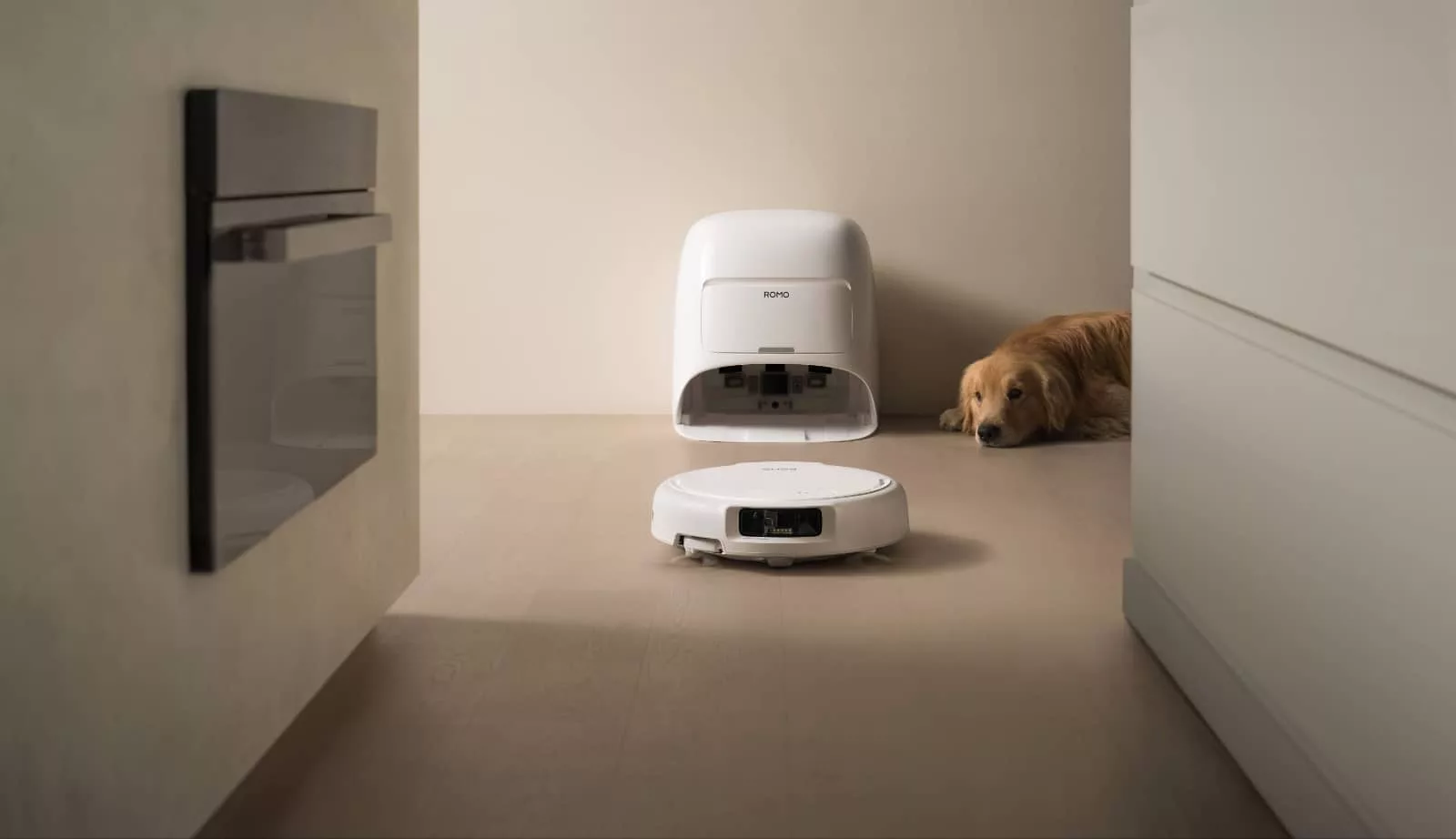
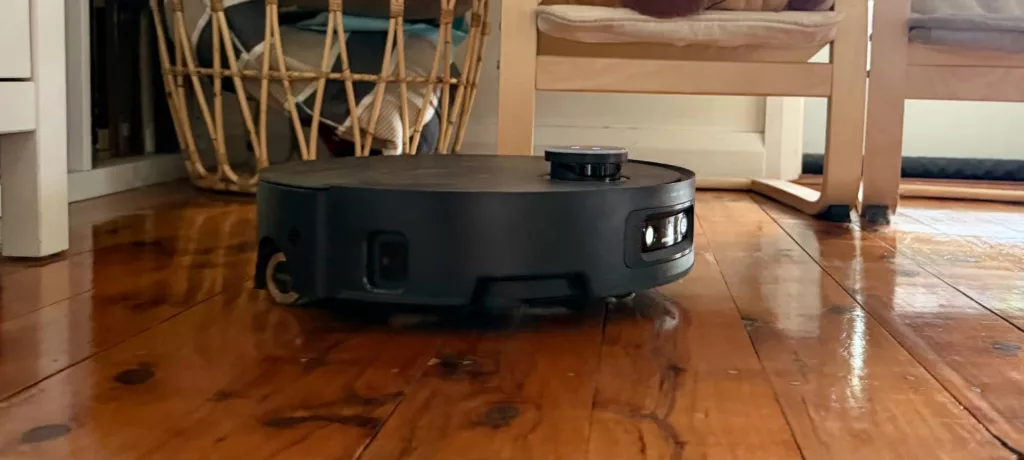
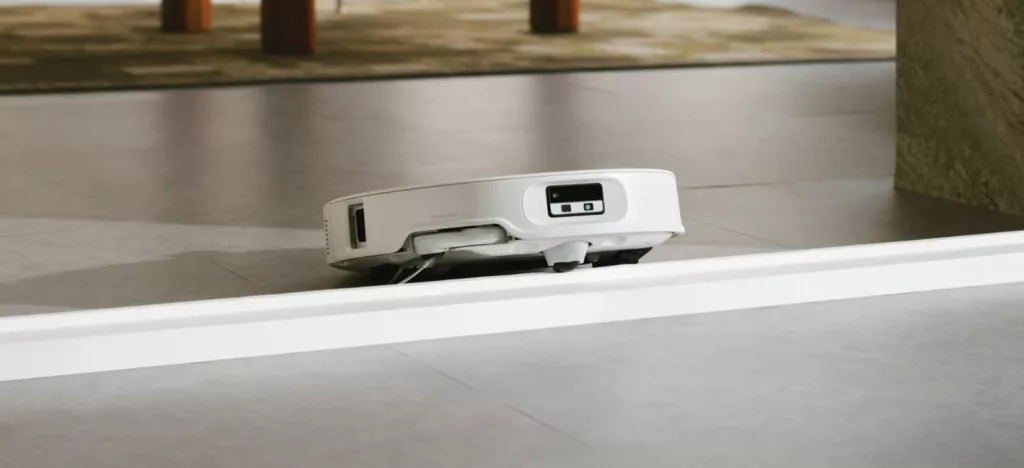
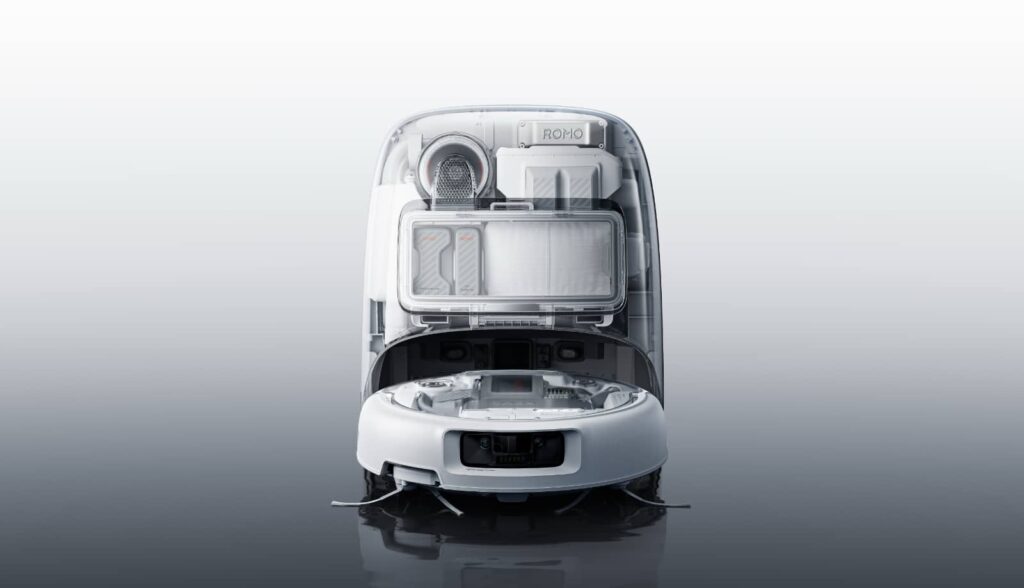
While most robotic vacuums come in obvious white or black or silver plastic casings, the DJI Romo has three options: an obvious white plastic case for the vacuum and dock, a totally transparent casing for the vacuum and dock, or a middle ground point with a white dock and a transparent see-through vacuum.
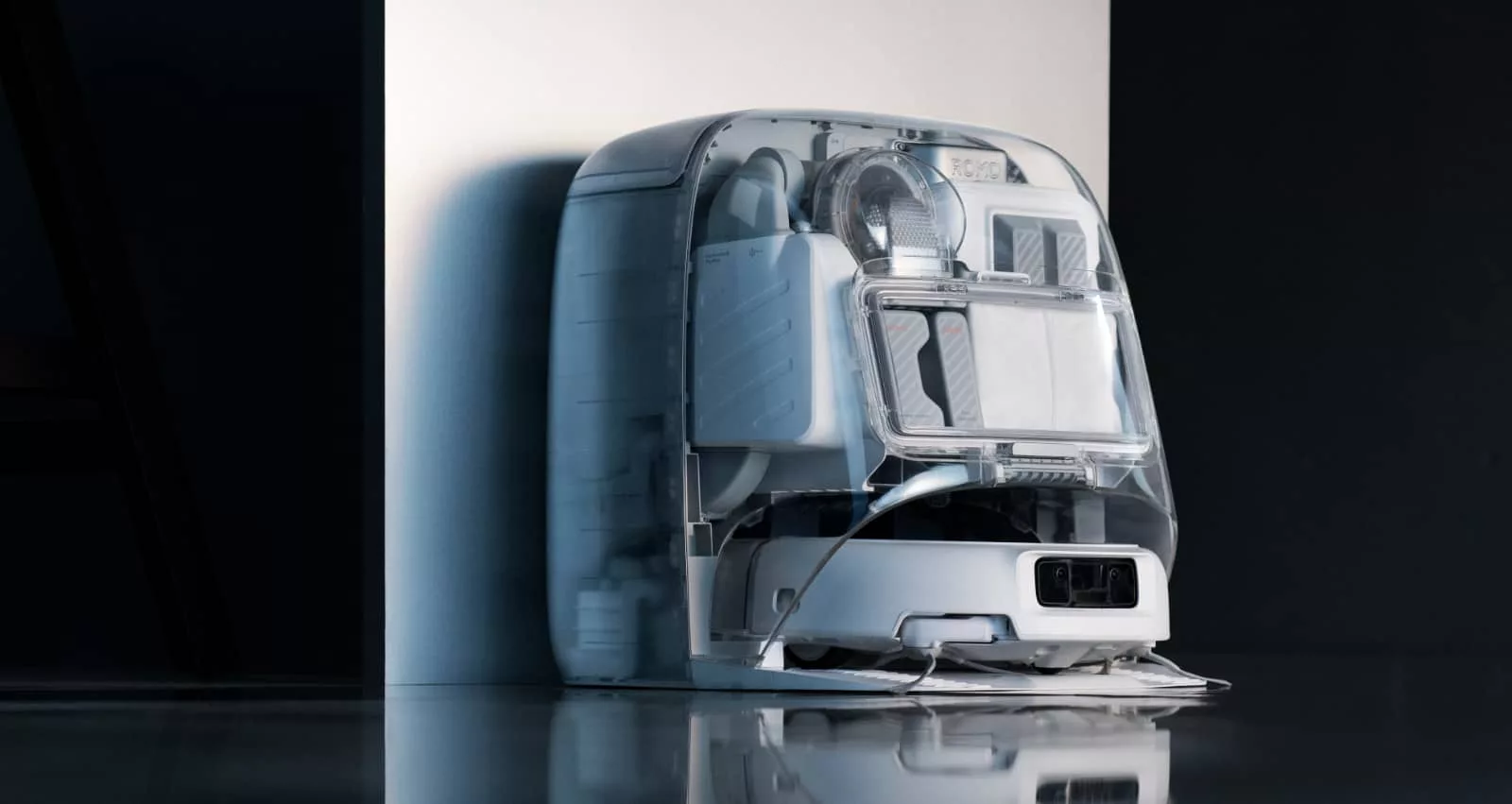
The various models — the Romo P being totally transparent across dock and vac, the Romo A being only transparent at the vacuum, and the Romo S going for white plastic across the unit — make the DJI Romo robotic vacuum just that little bit different from everything else on the market.
Neither will fly like a traditional DJI gadget, and these aren’t drones, nor are they action cameras or selfie sticks. However, some of the technology DJI is known for in other gadgets are here, including obstacle sensing and vision sensors, as well as LiDAR technology for depth and understanding of the space the robo-vac is in.
Regardless of what casing the Romo comes in, it’ll include a section for vacuuming and a section for mopping, the latter of which includes a self-cleaning base station focused on up to 200 days of maintenance-free operation, the company claims.
Like other robotic vacuums, there’s a good amount of suction power, covering up to 25,000 Pascals, plus motors to deal with hair, dust, and other long and large particles it might encounter.
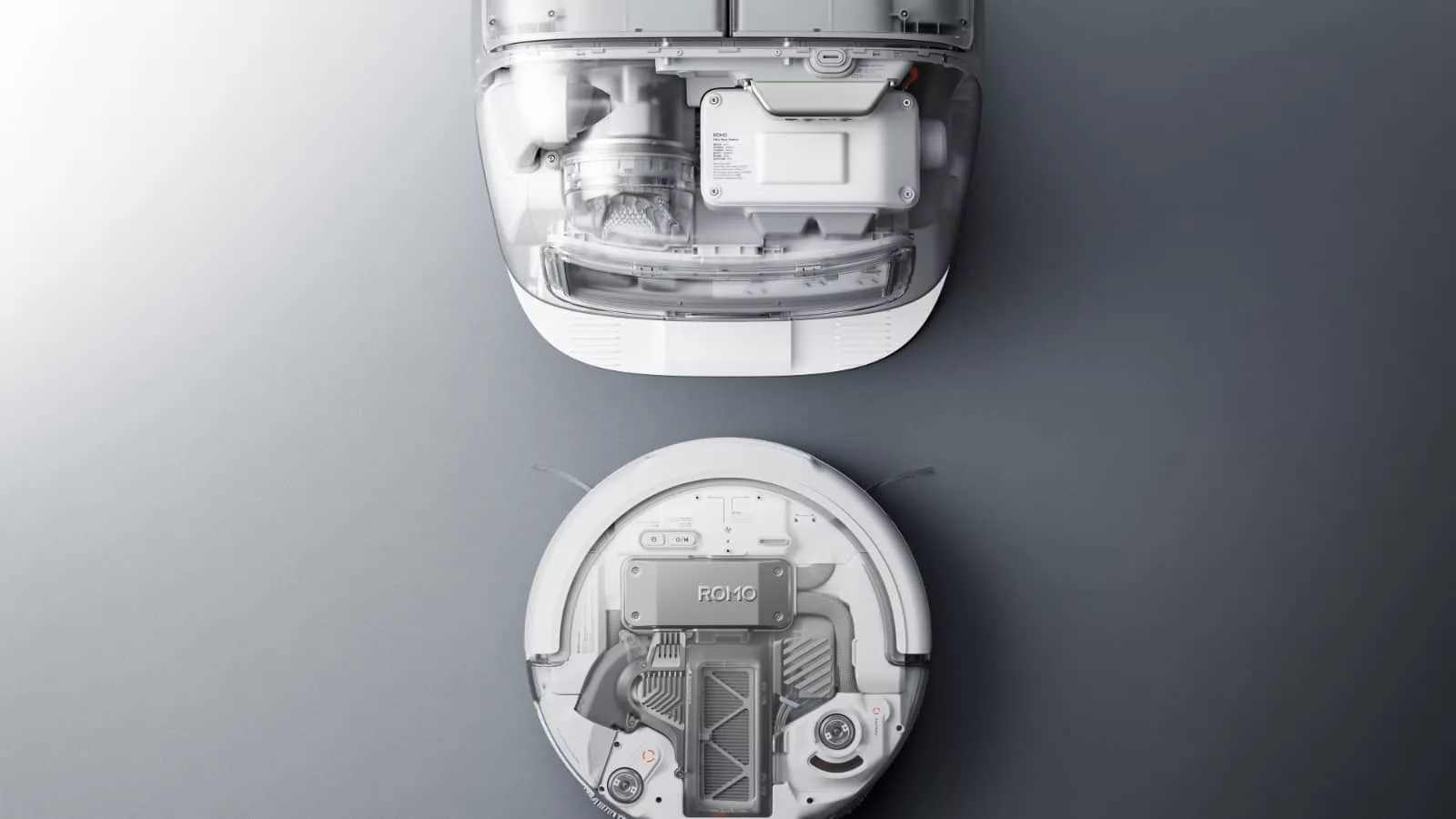
In the totally see-through Romo P, there’s also another compartment for floor deodoriser, though interestingly, it’s only on that more expensive model.
However, the launch of the Romo in Australia comes at a curious time: one owner has found a curious way to break into the network linking DJI’s Romo units, making it possible to remotely control them, following an attempt to link a game controller to their robotic vacuum.
While DJI has apparently fixed the problem following the incident, it does raise a question about how secure DJI’s robotic vacuums are, which are now launching in Australia.
Australians will be able to find the vacuums shortly, with the see-through Romo P from $2299, the mixed transparency effort that id the Romo A from $1899, and the regular plastic style in the Romo S for $1599.