
There doesn’t seem to be any escape from the world of AI, because it is there in nearly every product and service. If you’re growing up with the internet as so many kids are, that means you are also probably exposed to the world of generative AI, whether it’s deciphering AI slop from real-life videos, hearing AI-generated music, or being told that AI is also affecting the environment because of the data centre issues.
One problem at a time, of course, but AI services may be thinking about the kids and teens using their platforms, with approaches gradually rolling out.
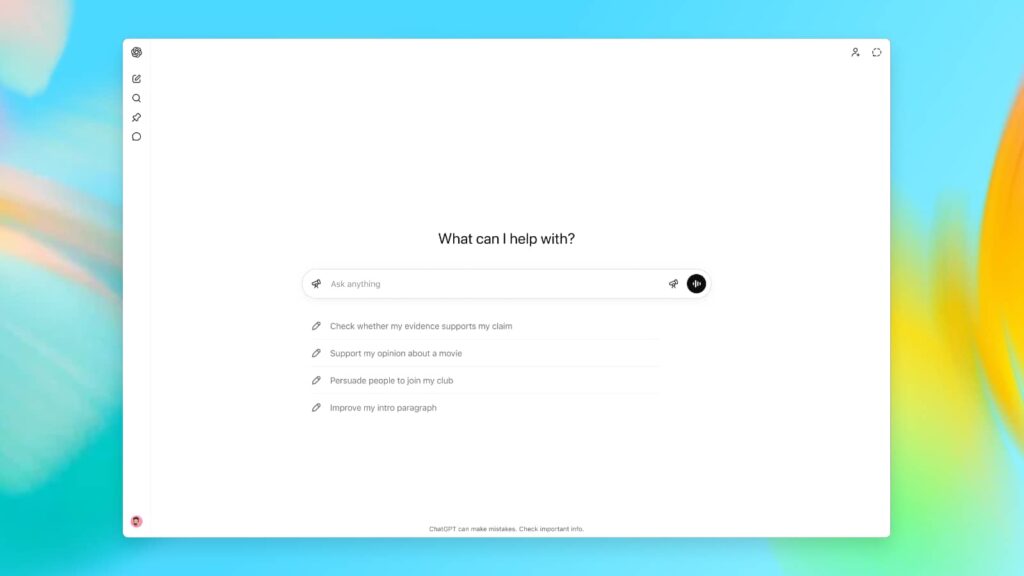
ChatGPT forms a part of that from this week, rolling out a version specifically for teens across the world, with Australians set to see “ChatGPT for Teens” from September 8.
Nearly a year to the day that ChatGPT rolled out its fifth-gen model, OpenAI has announced a mode that will be better suited for people under the age of 18.
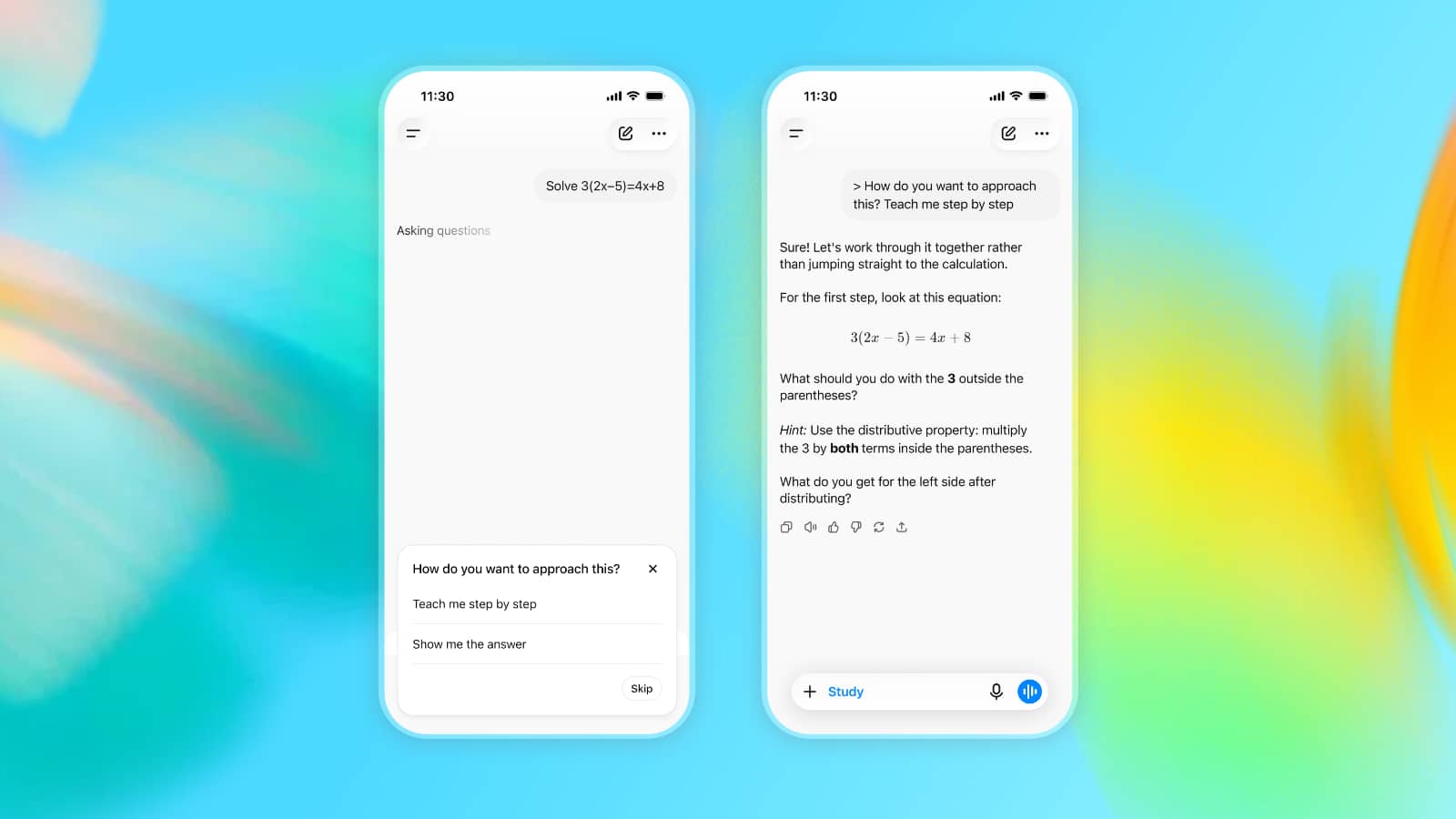
The move comes as OpenAI identifies nearly 90 percent of teens are using ChatGPT for things, such as research and finding information, and the addition is meant to capitalise on that. The system will include a study mode to guide teens through problems in steps, complete with interactive quizzes and frequent break reminders to encourage a healthier use of the platform.
“We’ve worked closely with experts to shape these features, guided by four commitments: put teen safety first, encourage real-world support, treat teens like teens, and be transparent about how our systems should behave,” said Brent Thomas, Head of Policy for Australia and New Zealand at OpenAI.
“We’ll continue building tools that help teens benefit from AI safely, and we’ll measure and share what we learn along the way,” he said.
The move comes amidst news stories that has seen ChatGPT offering up information that makes it more dangerous than simply a research tool, including suicide to at least one teenager. The lack of warnings on AI use can also lead to a concept known as AI-induced psychosis, where paranoia and delusions stem from AI use.
While some might see OpenAI’s support of teens as a welcome addition to the platform, given the problems with AI amidst growing up, it is likely more necessary because of the way the technology is evolving.
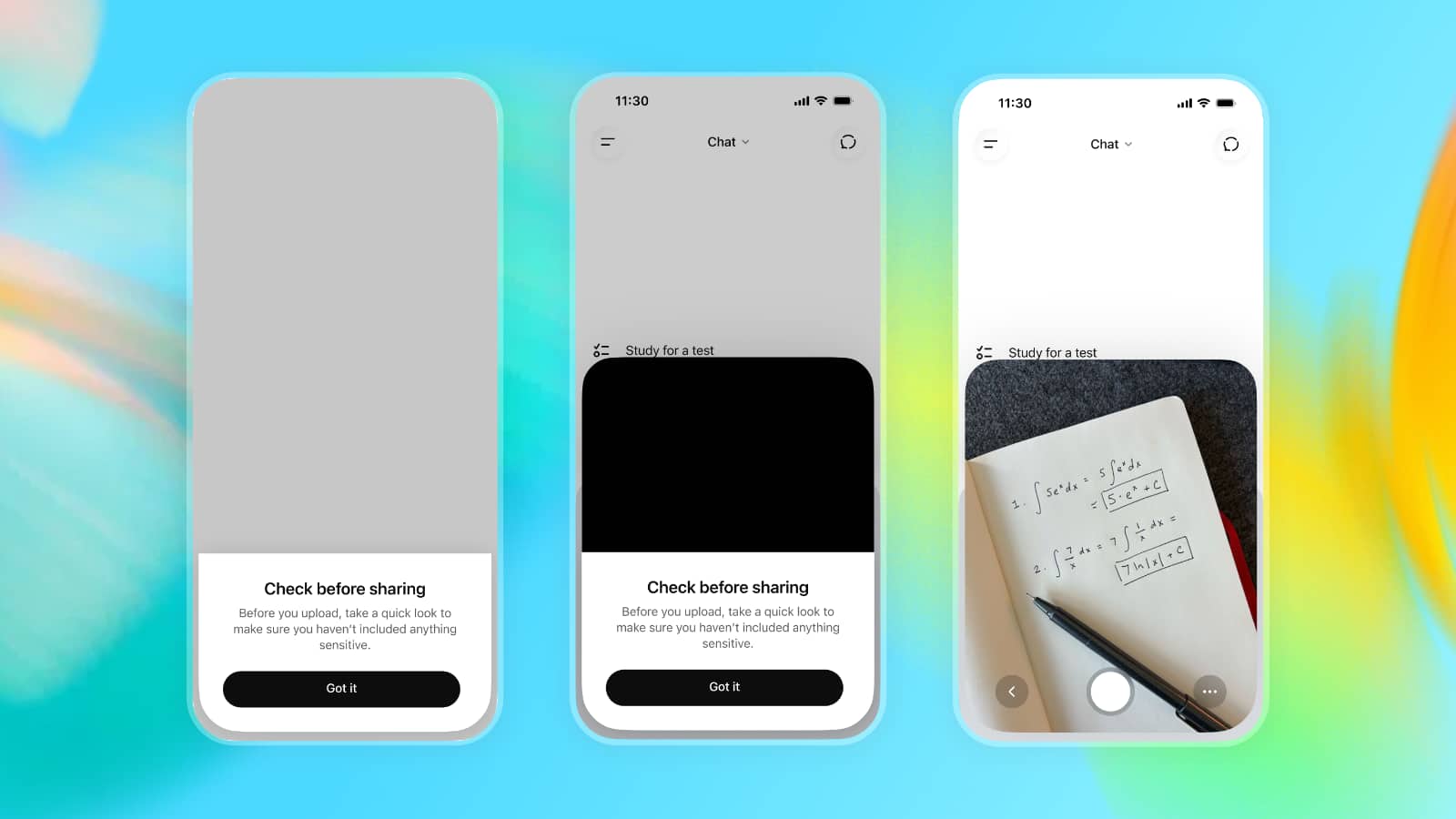
However, the company didn’t say whether ChatGPT for Teens would have any off-limit topics, though did note that it “applies age-appropriate safeguards designed to reduce exposure to content that may be harmful or developmentally inappropriate”. It hasn’t said exactly what that means, though we’ve asked.
We’re also just as curious to know whether the chatbot could simply say it didn’t know something, rather than simply hallucinating.
Mistakes are one of the problems every AI chatbot suffers from, and typically when they’re wrong, the mistake is reported as a fact, sometimes with a link to nowhere. The large language models that power chatbots probably won’t have the answer to every question on the planet, and so use patterns to work out what comes next. Unfortunately, what comes next can be just the next most obvious concept in the pattern, and systems like ChatGPT will instead offer up a fiction as a hallucination, which is distinct to a lie (which is intention).
It’s doubtful that OpenAI’s systems will say otherwise doesn’t know the answer, and by the time this article went to publication, the company hadn’t responded. However, it’s just one more reason why a controlled mode for teens may be more important, though possibly not just because of the reasons OpenAI has suggested.