
Australians may be used to somewhat fast speeds on mobile networks, but the technology is improving and higher speeds are coming. Perhaps surprisingly, research from our own country could see those faster speeds make their way to our devices within the next decade.
Right now, the speeds are fairly fast. You might even be amazed at the speeds 5G can deliver over older technologies, while possibly still lamenting the loss of the widely received 3G, and trying to work out what’s next.
To understand this, you need to look at where we are today.
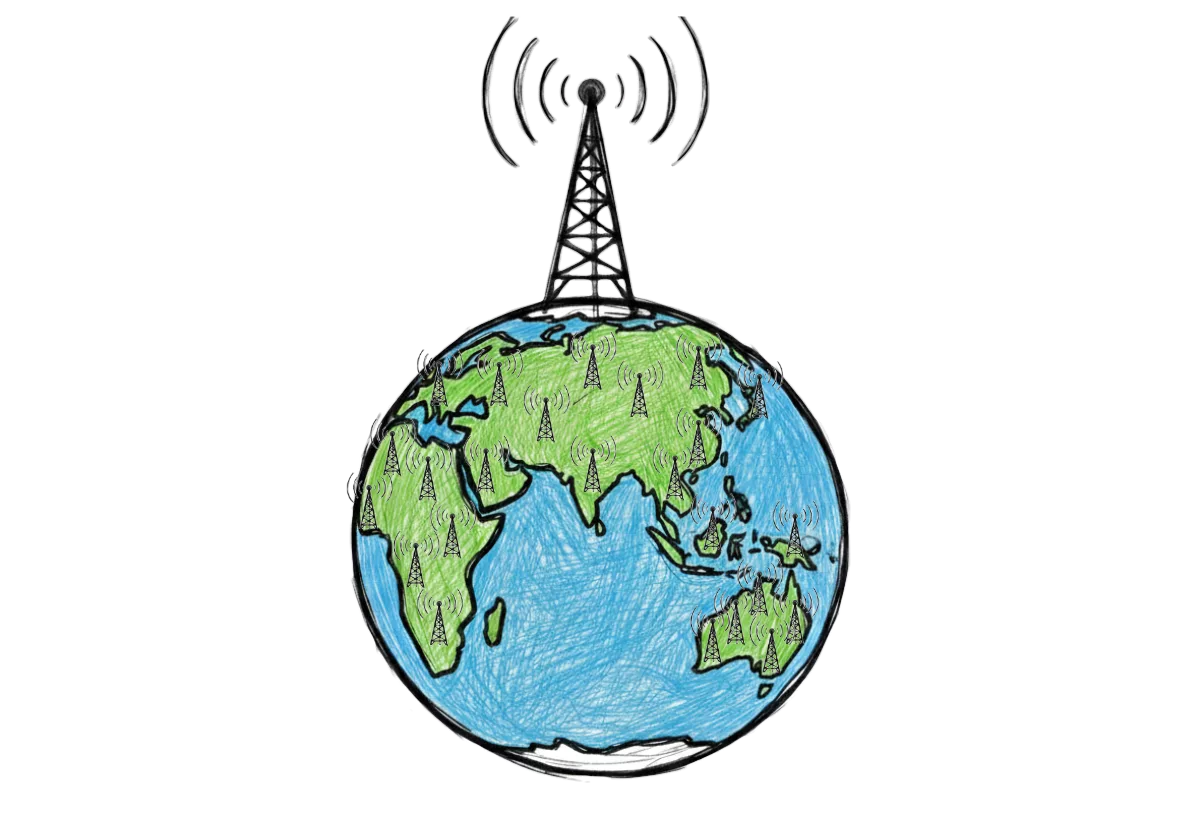
At the moment, we’re largely using a mixture of 4G and 5G, and technically able to achieve speeds of a max of 2 gigabits per second (Gbps) thanks to a combination of technologies.
You won’t usually get those speeds, but will instead find speeds ranging between 100 and 800 megabits per second (Mbps). Speed test data suggests Australians are on average only getting around 125 Mbps (as of December 2025) which isn’t much.
It might seem crazy, but back in the age of 4G, many of the speeds we’re seeing today were totally achievable.
Shifting to 5G opened up the floodgates for high-speed in more devices, standardising the whole thing even across two types of technologies: the less common mmWave and the more common sub-6 (GHz). However most of the speeds we get today were available in the high-speed phones that came out as 4G improved.
As it was, 4G could get over a gigabit, while most of what people found sat in the megabits.
When 5G first arrived in Australia, higher speeds were part and parcel of our reviews. But over time, telcos shifted the approach to be about data usage, capping the speeds to an ADSL speed for unlimited data, or a maximum of 150 or 250 megabits per second for their data allowance, which is fast enough for most phone owners using their phone as they normally would.
Gigabits and megabits are a speed reference, while the data you actually download and upload is measured in gigabytes and megabytes. We’re not just misspelling something, either: there is a clear difference between bits and bytes, and one worth knowing about.
To calculate how many bytes you’re transferring when connected using bits, take the bits and divide by eight. A connection of 250 megabits per second is actually connecting at a speed of roughly 31 megabytes per second.
In the world of 4G, those speeds would invariably be closer to between 70 and 300 megabits per second, while 5G is capable of much more. Our simulation of a 5G speed test below shows just how much faster 5G can achieve.
This simulation isn’t a real speed test. You can run one of those yourself by using the same speed test we use for our phone reviews. But it provides a good indication of what the world of 5G looks like for people today, and sets the map for where we’re going next: 6G.
What is 6G?
Also known as the next generation of mobile connectivity following 5G, 6G is where the world’s mobile speeds will go from roughly 2028 or 2030 onwards, as technology companies look for ways to improve our connected world.
Unsurprisingly, it’s about achieving faster speeds. Faster speeds mean bigger bursts of data. Bigger busts of data mean more information. And more information means someone on the other end of the line can see more about what’s going on.
While the obvious approach is to think about higher resolution movies and games, there’s more to it than just that.
Imagine not needing to go to the doctor for a simple checkup, and instead having a scale analyse your body, understanding weight, heart, blood pressure, and using 3D telemetry to provide a GP or health expert with similar detail to a real-life visit. It’s just an example of what’s possible, and what 6G might need: more bandwidth.
It can be difficult to understand just how much bandwidth 6G needs and how much speed is required, largely because everything is fairly fast at the moment and “fast” is difficult to explain. How much faster do we actually need?
How much we need is probably the wrong question. However how much we can get is closer to the right one, and Australian science and technology will be one of the very things likely underpinning it.
Theoretically, 6G should be able to hit speeds of around 1 terabit, also known as 1000 gigabits per second. But given the expected maximums of 5G, we’ll probably get closer to 100 gigabit at least initially, anywhere between 50 and 100 times that of 5G today.
And yet, a terabit is possible possibly thanks to something called a “terahertz wave”. If we can harness that, we might just see terabit speeds, and they look monumental.
Australian research at the centre
We’re still a long way off from 6G on devices today, but at the Terahertz Engineering Laboratory in Adelaide, South Australia, researchers are working on building the technology telcos will need to make 6G into a reality. Much like how Australia’s CSIRO played a part in making WiFi what it is today, so too is a team from Adelaide University working on what will push 6G into telcos and able to work in your life.
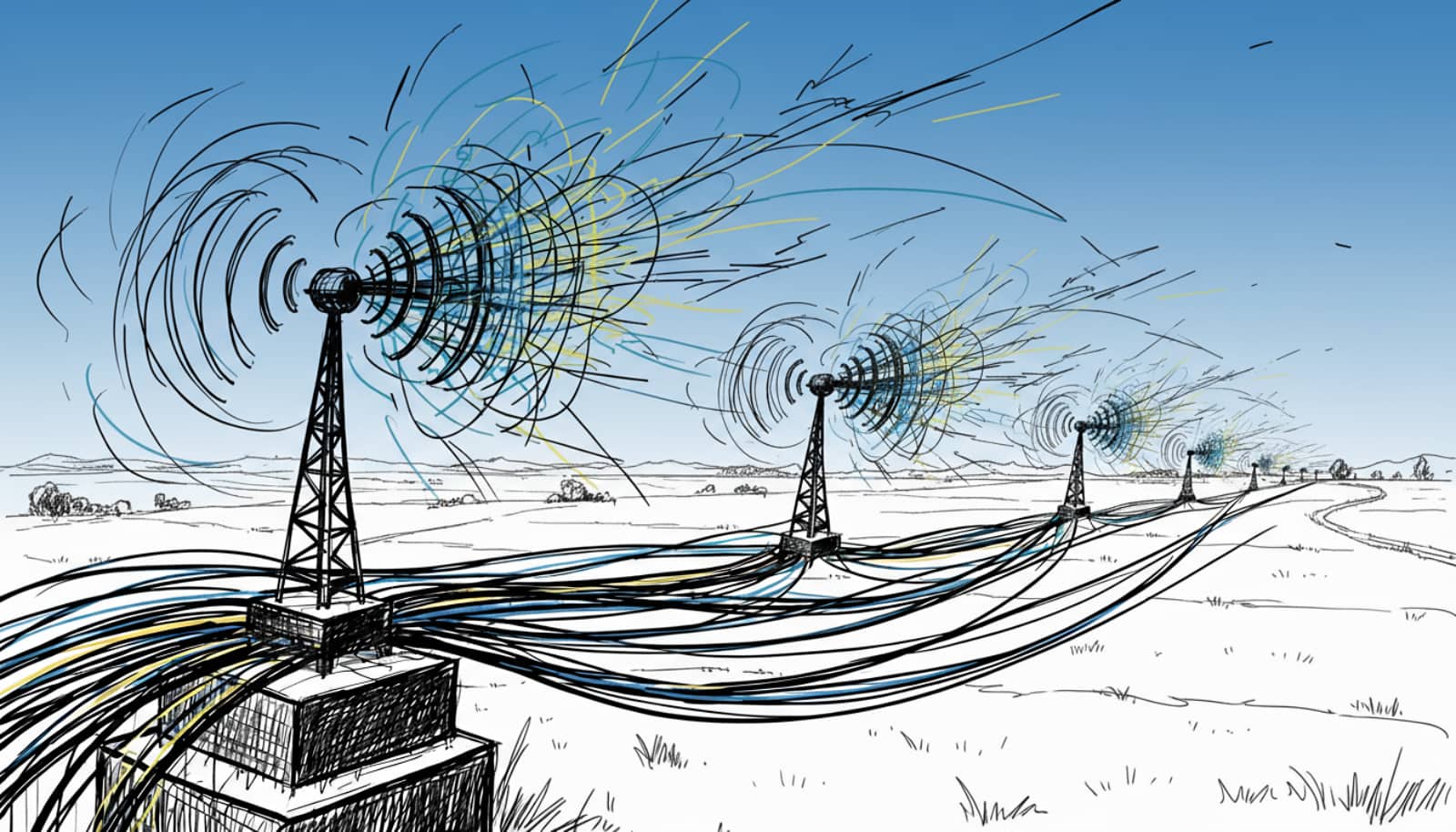
Led by Professor Withawat Withayachumnankul, the team is working with a type of electromagnetic wave called a terahertz wave (THz) that sits between microwave and infrared light, and could be used to transfer data not only over several kilometres but at high speeds we’ve not seen in 5G.
It could mean speeds topping out at a seemingly impossible 1000 gigabits per second mark, or 125 gigabytes per second, or a full terabyte (1024GB) in eight seconds. That will go beyond simply watching videos on your phone to being useful for much more.
At the moment, Professor Withayachumnankul’s research is largely focused on what telcos will likely use, with point-to-point wireless technology for telco backbones, and working with other research institutes to match the needs of telecommunications organisations.
As it is, terahertz waves have been suggested in other technologies, such as improving efficiency of chips. But once ready, harnessing terahertz waves for mobile communications could open up a world of possibilities for these new speeds.
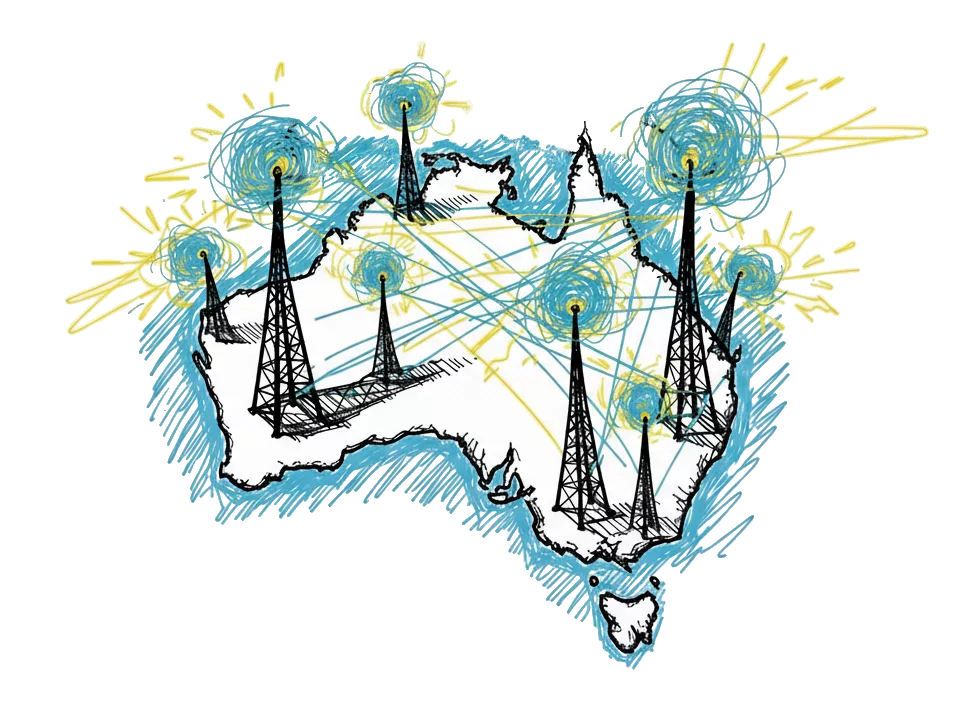
“We’re exploring devices that could enable wireless data rates above one terabit per second across several kilometres,” said Professor Withayachumnankul.
“Crucially, the increased data rates and reliability will enable real‑time applications such as immersive VR, telemedicine, and digital‑twin technologies. The range of potential applications is vast, and many have yet to be imagined,” he said.
Currently, 6G is a fair way away, and not expected until at least 2030. While that’s several years away, Adelaide University’s research is being worked on in partnership with the Australian National Fabrication Facility to understand any technical challenges early and ensure hardware is manufactured properly.
“Researchers worldwide are actively addressing many technical challenges. Following the pattern of previous generations, 6G is tentatively expected around 2030. However, given the complexity of the remaining challenges, I believe it may take longer before widespread deployment becomes feasible,” said Professor Withayachumnankul.
It may be some time before your phone and whatever futuristic device you own is latching onto the internet at these insane speeds, but it’s coming, and the work being done in parts of the country may be central to it.
It’s just one more contribution to Australian science and technology, and something to look forward to.