
Without getting too heavily into the current news cycle, if you’re a driver you can’t have failed to notice that the price you’re paying at the petrol pump has shot up sharply, especially in regional and rural areas.
We’re already in the middle of a cost-of-living crisis, and for many adding tens or even hundreds of dollars onto their fuel bills is a price they can ill afford.
Suddenly the allure of an EV with much cheaper running costs becomes quite a bit more compelling. Anecdotally I’ve seen a lot of reports of EV car yards seeing a huge surge in interest and orders as a fresh swathe of Australian buyers get ready to jump on the EV bandwagon for financial reasons.
I should say at this point that I haven’t driven a fuel-based vehicle since 2021. I currently drive either a 2016 Import Nissan Leaf, or a 2022 Tesla Model 3 LR (with the note that I’m no Elon Musk fan by a very long stretch, but it was the best option at the time).
Both vehicles are fully electric, though as you might expect, the Tesla has a bit more range than the Leaf does. I’ve also done a whole host of driving around in vehicles from the likes of Polestar, MG, and BMW in both Australia and the UK over the past five years. I’ve had some experiences, that’s for sure.
I’ve been around. I’ve put in thousands of electric driving kilometres. And even though I’m not what you might call a “car” guy by a long shot, I’d like to think I’m more of the practical “get me to my destination” kind of driver, to make that clear. That’s not a bad thing.
Still, there’s a lot of both misinformation and misunderstanding around EVs, something that is bubbling to the surface now that the price of petrol is rising.
Pickr’s recent article around government incentives for EVs got me thinking about those points and where the reality lies – as well as what you should really consider if you’re looking to buy an EV in Australia in 2026.
Debunking the whole “EV fire” thing
A while back when I was on a road trip, I met up with some old friends, and a friend-of-a-friend, noticing that I was in an EV thought it’d be “hilarious” to make jokes about the car catching fire on the way back, because EVs are all fire-prone deathtraps, right?
Well… no.
It cannot be ignored that lithium-ion battery fires are a serious concern, because they are technically more challenging to extinguish. That part is true, and it’s just chemical reality, though the reality there is that firefighters are now better trained in how to deal with them when they happen.
For EV cars sold in Australia, the figures here are well worth examining for context.
One hugely important caveat is that I’m talking about EV cars deliberately, because there is an issue with electric scooters and bikes, especially those bought cheaply online or modified by their end users.
There’s a serious quality control issue there that has been the cause of some very notable fires.
Are these “Electric Vehicles”? Yes, pedantically speaking, but astonishingly few people are really talking about taking an e-scooter across the Nullarbor any time soon, and the risks are quite different when we talk about electric cars.
The latest statistics on electric vehicle fires show that of the nearly half million vehicles sold in Australia to date – which includes full battery EV and plug-in hybrids – there have been a grand total of…
13 fires since 2021.
Thirteen. That’s not even three fires per year since the introduction of EVs.
Which isn’t a lot, and it gets even smaller when you consider that of those, three were caused by external fires, two by direct arson attack and four by the result of a high-speed collision.
Set your house on fire, have your car set on fire, or slam your car into something else and it doesn’t really matter if it’s fuel or electric, fires can 100 percent happen. Nobody’s blaming the underlying propulsion technology in those cases.
That leaves three EV fires where it’s not entirely clear what happened or why. It’s not a non-issue, but that’s a very small number indeed.
If you’d prefer a wider and longer-term global view, out of around 40 million EVs sold since 2010 across the planet, the battery fire figure sits below a thousand at just 772 fires.
Now let’s give that some context, shall we?
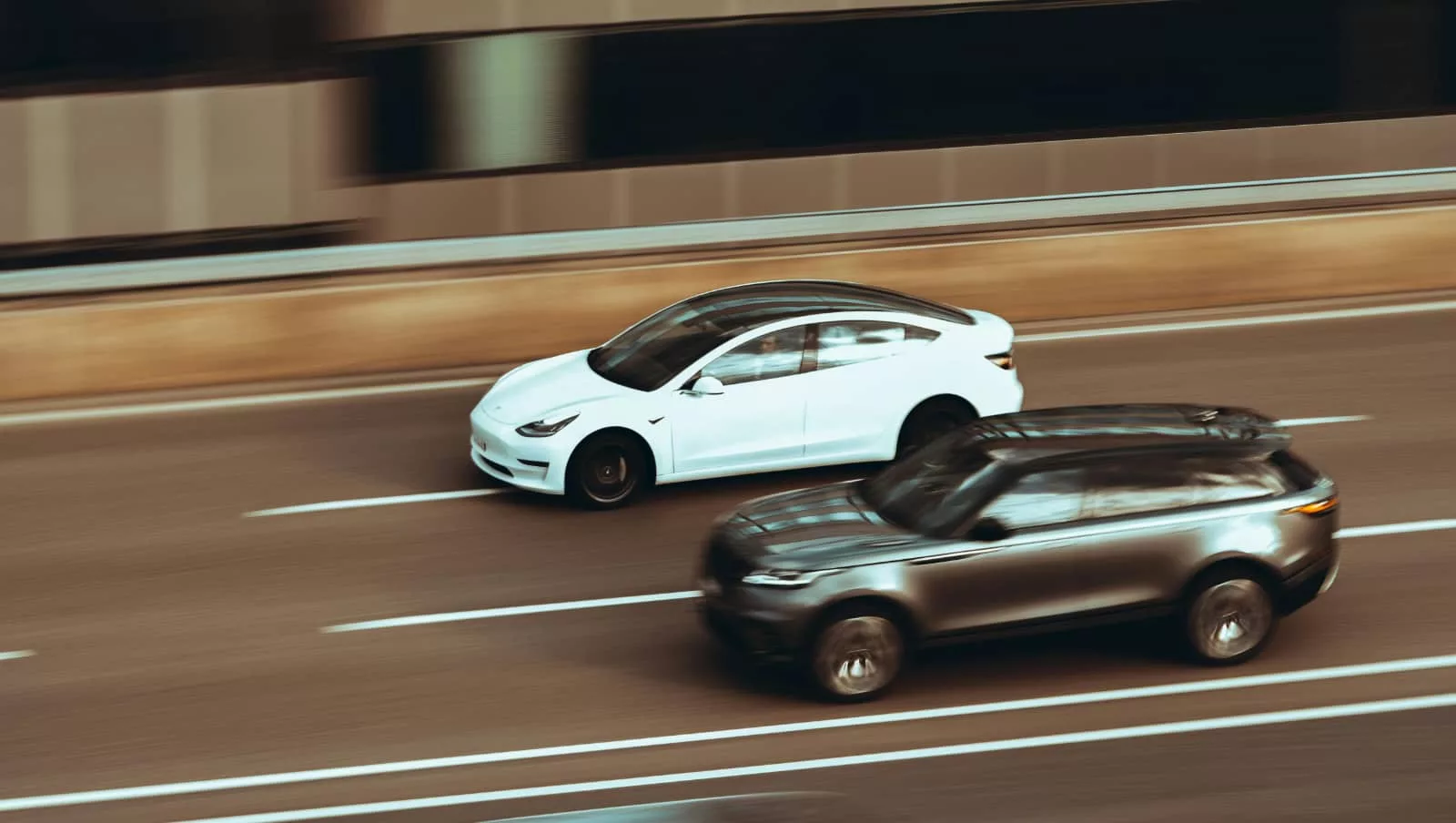
Just looking at the 2023-2024 figures from Fire NSW, they reported some 3,174 vehicle fires in that 12 month period. That’s for NSW alone, and even if we assumed that all three (or even 13 if you really, truly must) EV fires in all of Australia were in that period, that still leaves 3,161 fuel vehicle fires.
In one state, in one year, versus 13 across all states in five years, or 772 globally in a 15 year period.
You don’t need me to do the actual sums to tell you that you’re highly more likely to end up crispy fried in a fuel car, do you?
In short, EV fires aren’t a joke, but the hysteria around EVs “spontaneously” catching fire very much is, because the risk in an internal combustion engine vehicle is massively higher, and it’s not even close.
Range Anxiety isn’t quite what you think it might be
Back when I got my first EV – a relatively low-range but affordable Nissan Leaf that still does excellent duty as a city car day by day – the charging infrastructure story in Australia was somewhat poor, with only Tesla having anything that could be described as a reliable “network” of chargers.
In one sense of course there were chargers everywhere, because an EV can charge (albeit slowly) from any standard power point. But when people think “road trip”, they don’t really want that slower level of charging to be a larger part of their strategy.
Your power point may provide electricity, but it’s not made to be fast for cars. Think of your standard home power socket as a petrol can for the side of your car. Neither is particularly fast.
What you want is a dedicated charging station, with which more are being built. These are made to get your car back on the road in about thirty minutes. Just enough time to not only sip that cup of coffee, but possibly thoroughly enjoy it.
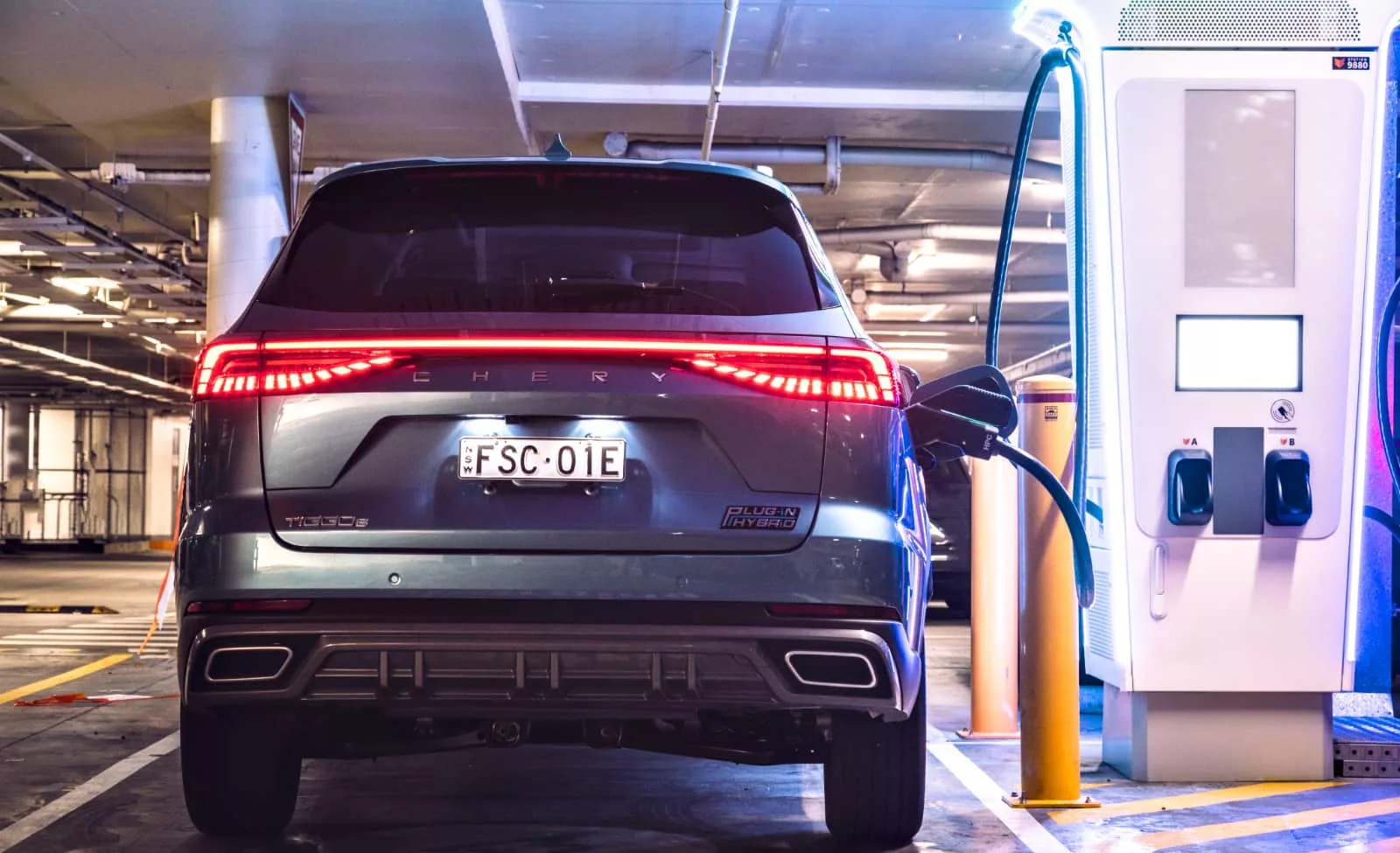
In 2021, the network of places to do this wasn’t fantastic. It’s possibly one of the reasons owning an EV didn’t have a fantastic outlook.
Fast forward half a decade and the picture is better in most places, though there’s still plenty of room for improvement, especially in regional Australia.
A recent trip I took down to Tasmania demonstrated this neatly; while Tasmania itself is quite beautiful to drive around, it could definitely use a little more charging infrastructure to make such matters a little easier.
The big terror that most new EV drivers face is this idea that they’ll be driving along happily one second only to find their shiny new electric vehicle shudders to a halt in the middle of nowhere, leaving them stranded. EVs are heavy and hard to push, and it’s a bit difficult to head to a nearby servo and ask for a jerry can full of electrons.
Realistically, this does not happen unless you actively try to make it happen, as long as you’re capable of watching a fuel – or in this case – power gauge. You know, that thing that most of us did for many decades before EVs were really a thing, right?
The reality for any modern EV is that its general estimate of range and battery capacity can be reasonably trustworthy in fair weather, even though the general figures cited by most EV manufacturers in terms of range are often a tad overinflated for real-world use.
That’s because the general tests for “standardised” range don’t really apply in real-world driving conditions.
Tests vs real life
When you glance at a car maker’s range, they’ll refer to either the WLTP or NEDC approaches that basically simulate range from a small test. For those playing along at home, that’s the global standard of Worldwide Harmonised Light-Duty Vehicle Test Procedure (WLTP), which replaced the New European Driving Cycle (NEDC) test before it.
But like all tests, they’re not perfect simulations. They’re a guide. They use small driving tests to determine how long a car could last on the road.
However in the real world and through driving, you find that most smart EV systems really do adjust dynamically to both your current driving conditions and, if you’ve inputted a destination for longer drives, your needs for recharging.
From personal experience, most electric vehicles will also incorporate recharge stops along the way, further reducing that stress, and you can always supplement that kind of research with apps such as Plugshare or ABRP.
Ultimately, EVs are quite good at calculating range, and you’ll only run out if you drive like an idiot with your eyes shut. Don’t do that.
You do need to adopt a planning mindset
While there are a lot more public chargers around than when I started EV driving half a decade ago, there’s still plenty of work to do.
Of course, there are also a lot more EVs on the road as well, which means that the resources out there are used a fair bit more over time. We’re a long way from parity with petrol stations in this regard.
What this means if you’re considering an EV is that you do have to adopt a rather more planned approach to driving, albeit likely not all the time. Let me explain.
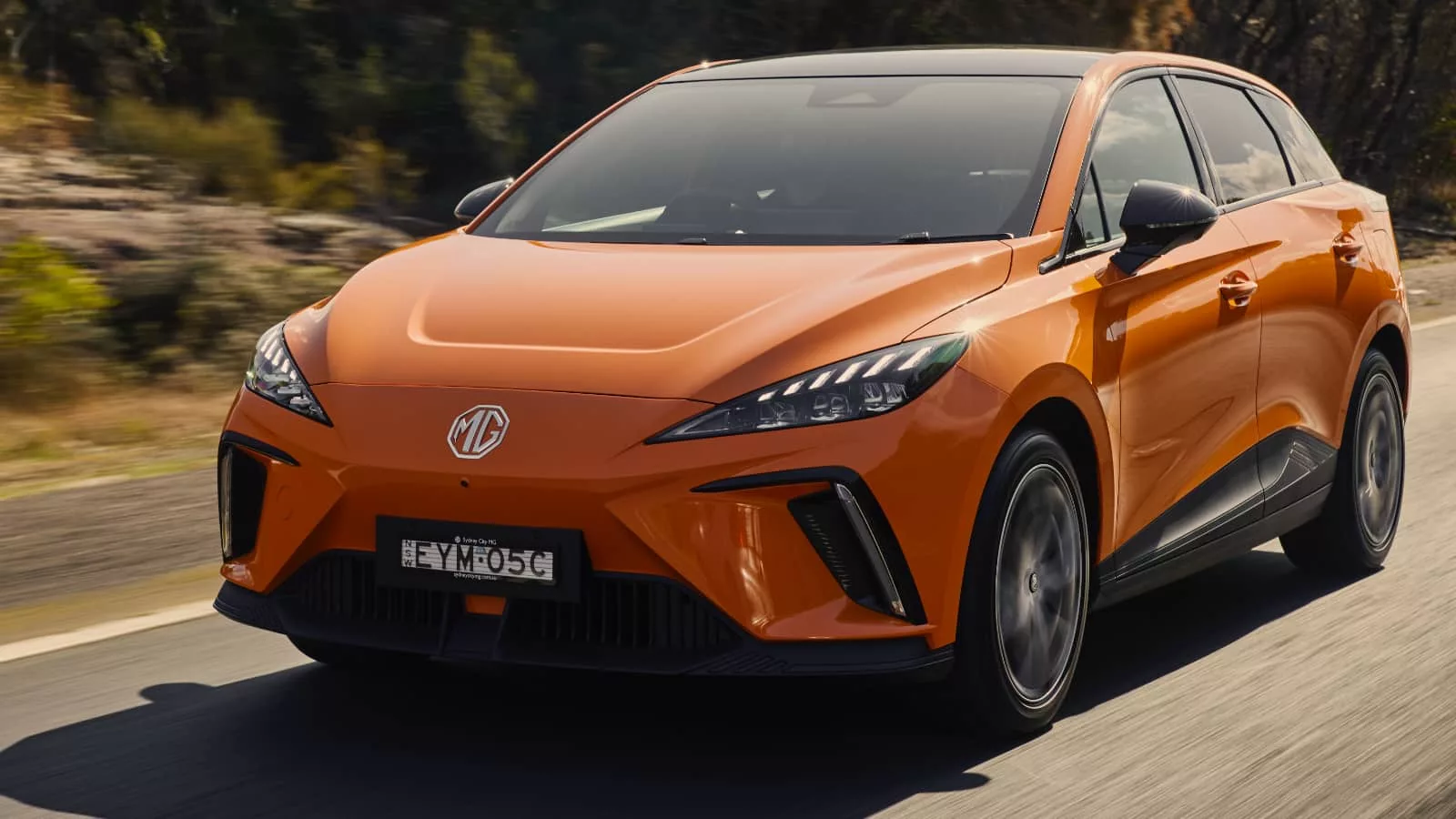
One of the more common complaints I see “against” EVs is the idea that they’re no good because they can’t do 1,000kms in one go, something you might be able to do with some hybrid or high-capacity fuel tank vehicles. That’s a nice numbers argument that unfortunately also ignores the reality of the way most of us drive on a day-by-day basis, or the need for rest stops and the pressure of how human bladders work too.
The most recent figures I can find suggest the average Australian travels 37km per day. Obviously some folks do more, and it’s not clear in those figures if we’re talking mode, median or mean, but realistically a decent number of folks do less, and most probably hover around that 37km figure.
It’s pathetically easy to recharge any EV for 37km of travel distance even if you’re a hoon on the pedal – and thus less efficient – because you can do that overnight with ease from a standard domestic power point coming out of your garage and then some.
You may find that you get cheaper power that way too, though delving into the maths around choosing the right power plan is an entirely different kind of article, so I’ll get back on track quickly.
If you’re an apartment dweller, though, you’re back on the public charging infrastructure, and the same is true if you’re pondering a longer road trip than your usual 37km of travel distance.
This is where planning comes in, though it does not have to massively impact your travel time per se, depending on where you’re heading to, and, being totally honest, sometimes a little luck.
For apartment dwellers or those who otherwise cannot charge “at home”, that may equate out to a stop at a charger once a week or so, and you could do worse than to work out when the peak charging times are likely to be; if I had to do that locally, there’s a charger near one local supermarket and I’d try to coordinate my charging with my weekly shop to make that happen, for example.
If you happen to do a spot of furniture shopping, or even simply gazing at recent Swedish interior design trends, you may find that store has chargers at the back of the carpark.
For longer road trip drives, if you plan out your trip and allow for some variance, it’s not that hard to factor in proper rest breaks around your charging times.
You should have proper rest breaks, too. Remember what Dr. Karl said in the ads?
Beyond the safety argument, I cannot count the number of times I’ve just used my lunch break as the charge time for my longer road trips, or taken in a small local museum while getting a few needed electrons into my car.
I’ve also found some amazing local bakeries, taken in a couple of parkruns and done some intermittent op shop buying as well, contributing to local economies and having fun while my car charged.
If I ever had “fun” while pouring petrol into a car, I honestly can’t recall it.
A bit of luck
The “luck” part of this equation does come into play if you’re travelling off the beaten path where there might only be one or two available chargers.
The NRMA did admirable work some years back placing chargers in small country towns in NSW some years back, but those models are both lower capacity (slower charging) and typically only single or dual vehicle chargers at best. With the general rise in the number of EVs on the road, you may find that you have to wait for a charger on those longer trips, depending on the driving habits of other users.
Sometimes you may find inconsiderate drivers simply parking their car in a spot meant for charging, and that is a problem. Clearly, that’s inconsiderate behaviour that flies in the face of Wheaton’s Law, and is something I wish we didn’t have to deal with.
Again, that can be the problem with “luck”: sometimes we’re unlucky dealing with humans that aren’t exactly considerate.
But for folks thinking this is all a bit of fun, some networks do penalise you for this in a financial sense, meaning you may lose out for acting this way.
A quick lesson in Australian-ethics-as-they-should-be here: don’t be an inconsiderate jerk. Quick lesson ends.
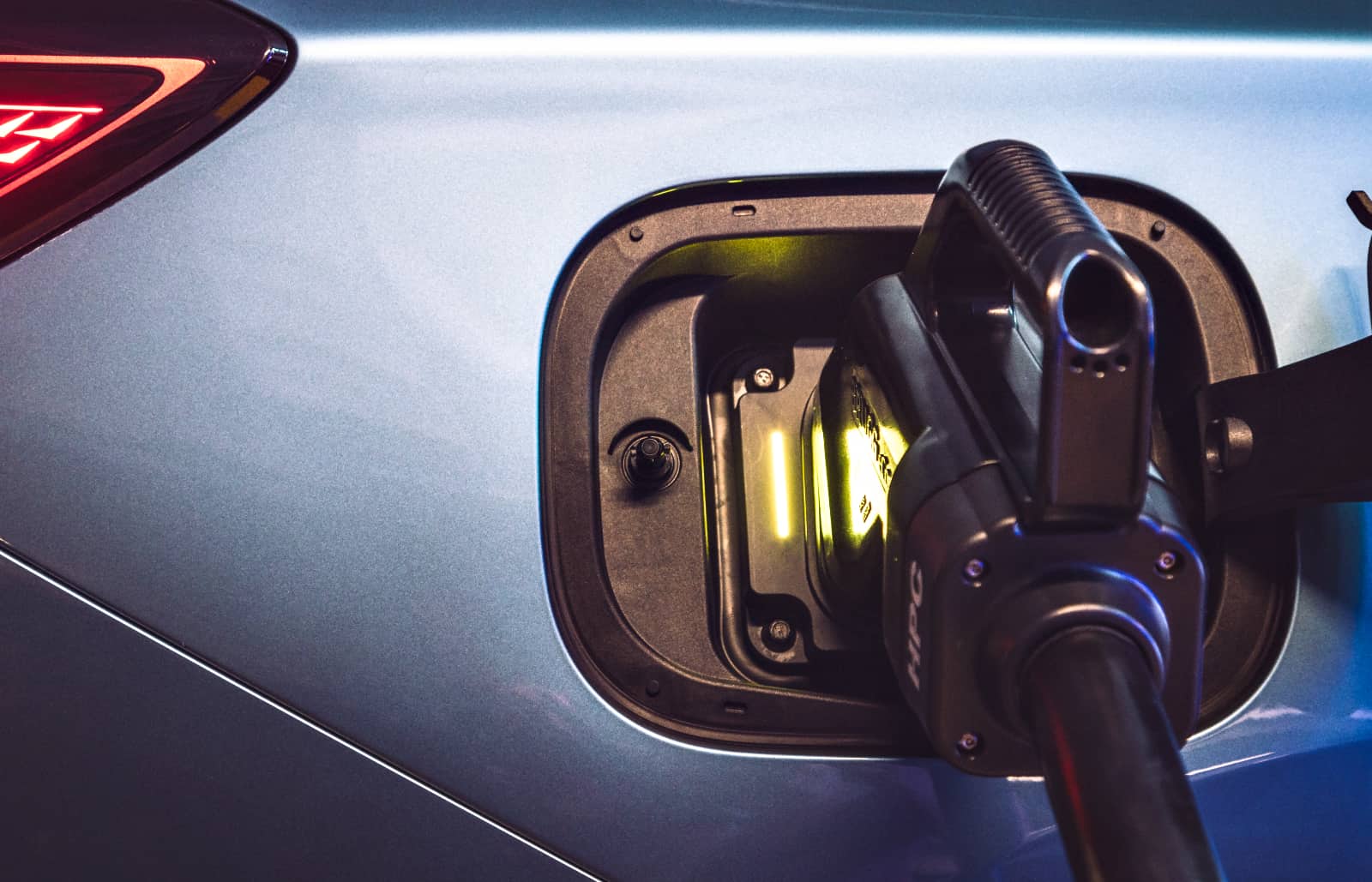
EV range is a variable, not a constant
I’ve already commented about how the figures your car salesperson will cite you aren’t likely to be what you get in the real world, and this is a challenge when deciding on the right vehicle to buy.
The bad news here is that it’s even more variable than that, for two reasons.
The first is that power economy is very much like fuel economy for the exact same physical reasons.
If you’re on the wide open road and letting rip at 110kph or more, you’ll travel faster but get less overall power economy as a result. Don’t blame me, blame physics, and the same is true whether your car runs on electrons, petrol, diesel or repurposed ibis poop. (Editor’s note: eww.)
The other factor that does affect EV range is ambient temperature. At lower temperatures, especially in winter, your real-world range will drop, sometimes markedly.
The good news here is that Australian temperatures are still generally quite mild by world standards, and depending on where you live, you might not see all that much variance at all – until you start to travel further around our wide, brown, and sometimes frosty landscape.
I’ll give you a real-world example from my own driving history to illustrate this phenomenon.
Heading from Dubbo in NSW’s fabulous west back to Sydney, I had to make an unplanned detour via Orange. Not so much for the food or tourism (though Orange is quite a nice place), but because it was winter, the temperature dropped, and it started snowing on my car.
The predicted range dropped a lot, and it became clear I was going to have to charge somewhere additional to my plans on the way. This is where having apps handy to find chargers is a very good idea; it wasn’t like I suddenly noticed that I had 1% battery left in the middle of nowhere.
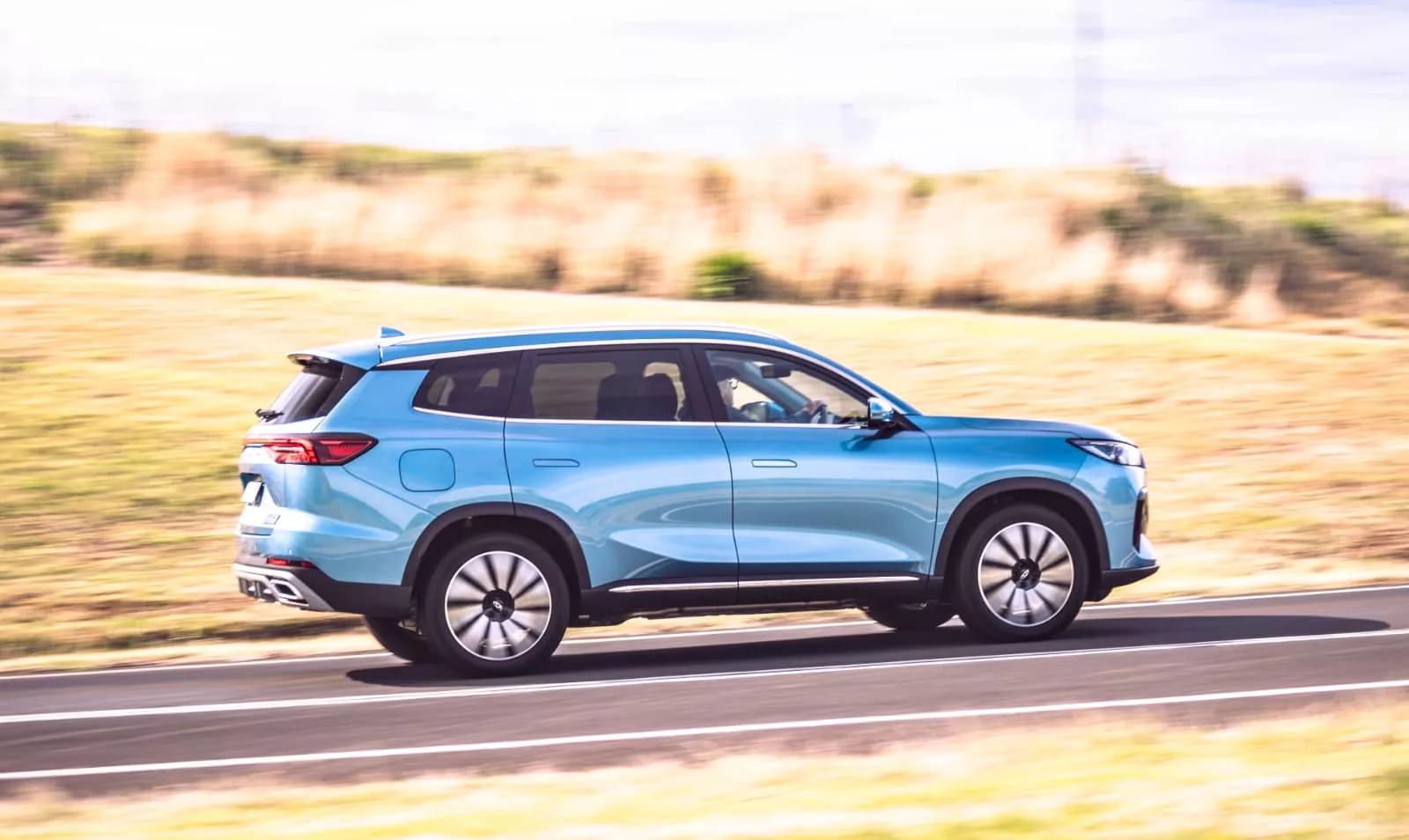
Instead, it was the car itself wanting to reroute through Orange; I ordinarily would have headed in a more Bathurst-focused direction, but the current usage demanded a different trip, and I wasn’t quite as likely to make it unless I dropped speed significantly. So I stopped, grabbed a coffee and charged the car up.
Was it the ideal approach that I wanted on that day? No, but again, a planning mindset and keeping an eye on what the car was telling me averted any other issues.
Ultimately, I’ve found with EVs that if you drive economically for the best range, and consider the weather when driving, you’ll have a better time. All of these factors can have a serious effect on how far you’ll get.
But won’t the battery die in a matter of years?
My longer-distance driving vehicle is a Tesla Model 3, and that was very much by design; the Leaf I have uses the older Chademo standard for charging and those are just plain less common. It took me some years before I ever did a public Chademo charge on it, and even that was more a proof of concept than a need. It was always a lower-range vehicle anyway because it only has a 30kWh battery on board.
When new, that model had a claimed range of 155 miles, or around 250 kilometres. Again, though, that’s based on the older NEDC standard, and looking around the real-world tests that folks were doing at that time, 200km was a more likely actual on-road figure.
That was, of course, for a 2016 model, a decade ago. So how far does my little Leaf (called Catweazle) manage on a full tank of electrons?
It’s an open question depending on my driving style, but its own range guessometer puts it at around 170km, and I’d certainly be able to get around 150km on it without stressing too hard for city-based driving.
There are other issues with long drives in a Leaf because the underlying technology is a little older and there’s no active cooling, but for day-to-day stuff it’s just fine. After a decade of use, it’s dropped something like 15% of the real world range, or even if I wanted to be brutalist and take Nissan’s claims about as-new performance as gospel, around 32% of that claimed capacity.
That’s the nature of batteries, yes, but the reality here is it still has enough for what I use it for, and that’s not likely to change for some time regardless. My own needs might change and I’d end up looking at something newer, but for now, it’s fine, and there are plenty of other examples of decade or more old EVs out there where batteries have continued along nicely.
This has improved of course as the technology has improved as well; the capacity drop on the four year old Tesla isn’t even close to where the Leaf is (or presumably was when it was four years old and hooning around the mean streets of Ikebukuro).
If you’ve reached this point and just want an answer, the reality is this: your car battery will almost certainly outlast your desire to own that particular car.
And if it does eventually fail, you can technically also replace an EV car battery. The price isn’t friendly, though, so much like how breaking an Apple Watch costs almost the entirety of the watch to replace, so too does replacing the battery on an electric vehicle.
In short, if you end up needing to replace the battery on your EV in the future, it might simply be time to upgrade to a new one. There will clearly be other benefits, too, such as better performance from the newer battery, and fewer crumbs for you to vacuum out.