
Quick review
The good
The not-so-good
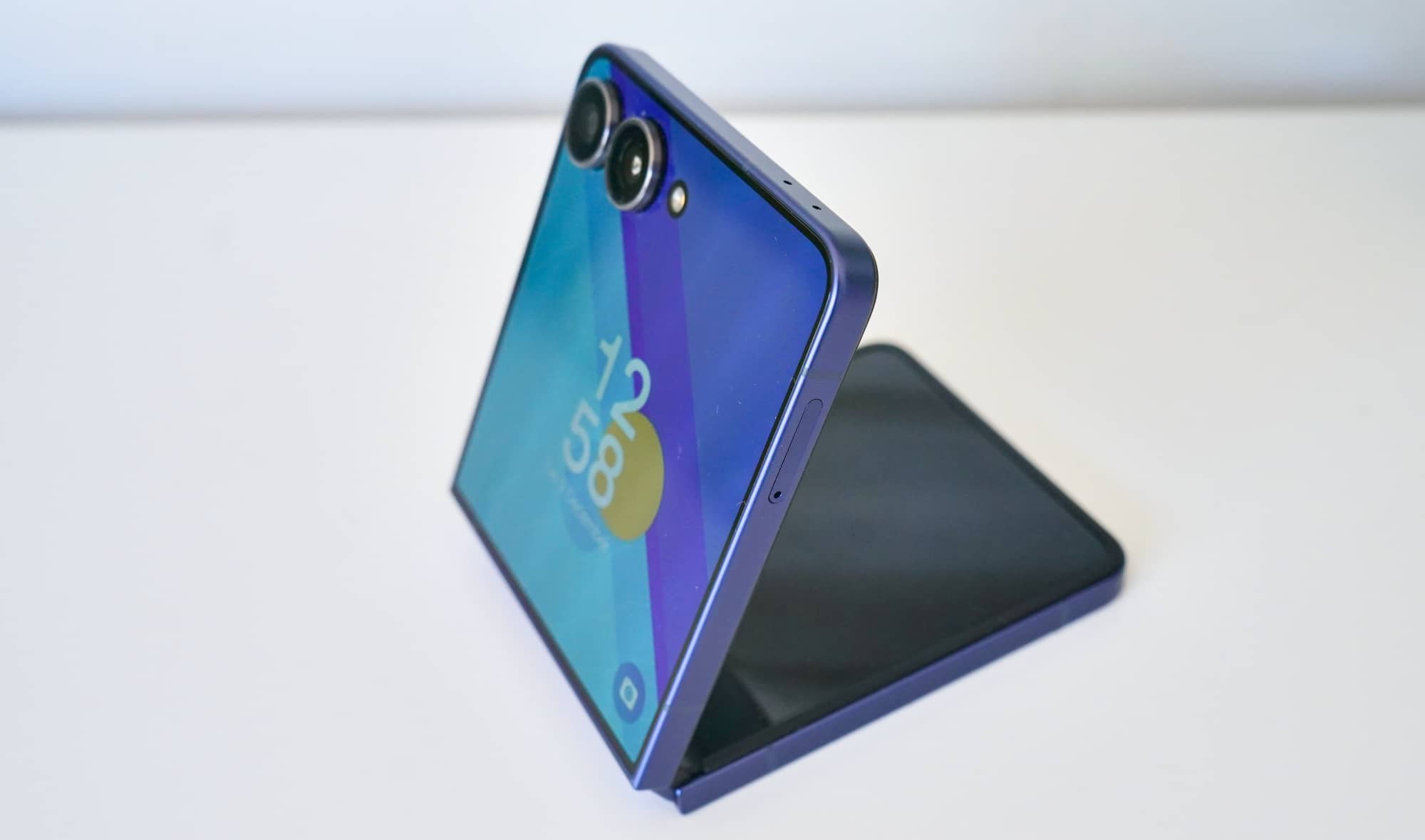
A new compact phone from Samsung in the Galaxy Z Flip 7 offers a pint-sized update, but given the strength of the Fold this year, it really could have been more.
Big phones are everywhere these days, but smaller devices are definitely more difficult to find. By comparison, small phones have largely gone the way of the diminutive dodo, replaced by foldable models that can fold shut like a clamshell and be thrown into your pocket.
A little different from the big phones they compete with, foldable flip phones are technically the best of both worlds: a big phone inside the design of something smaller. After all, why have one when you can settle for both?
This year, Australians didn’t see much in this category, but the Flip 7 is definitely one of them. Released alongside the Fold 7, it was this year’s premium flip fold. Is it worth owning?
Design
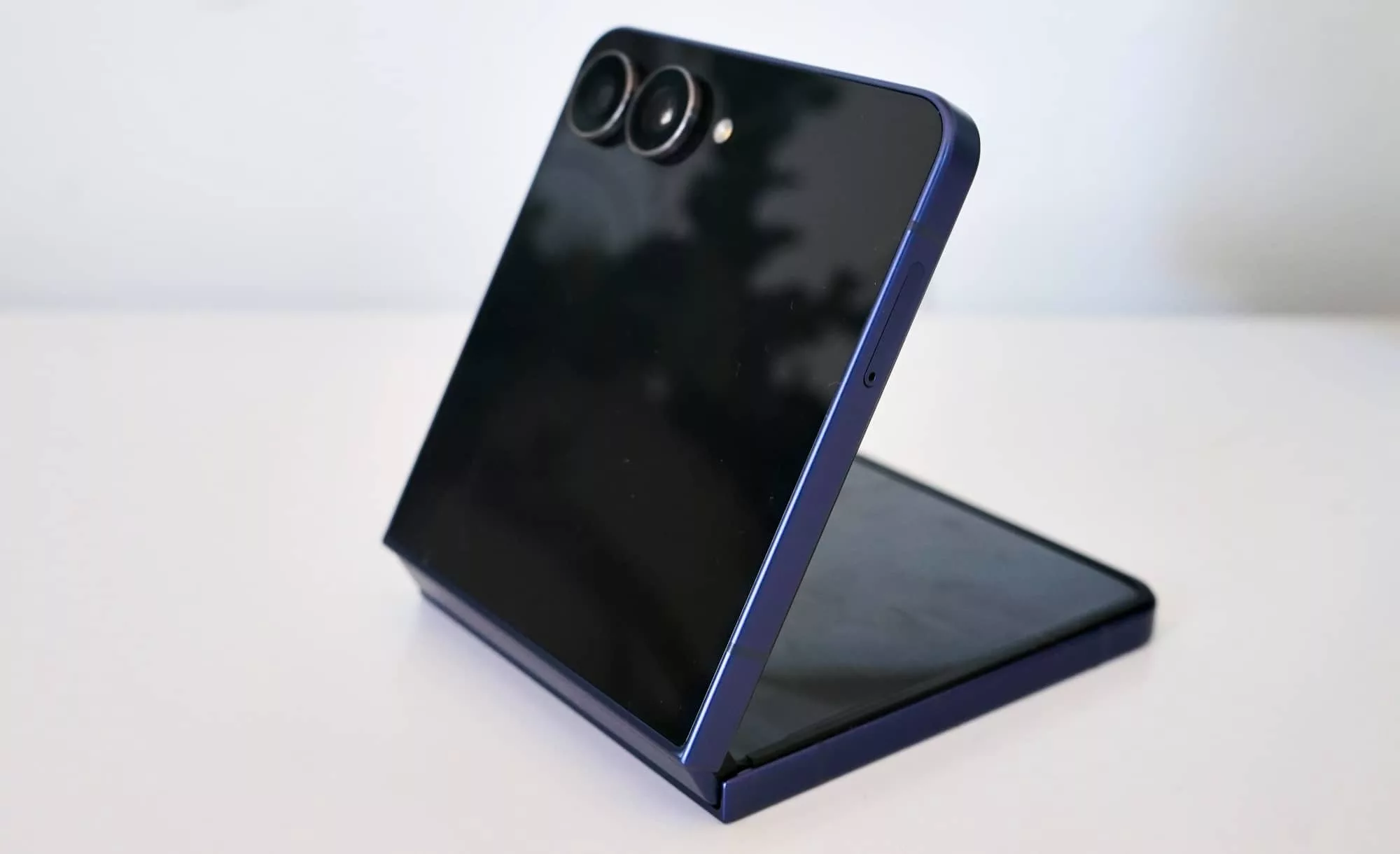
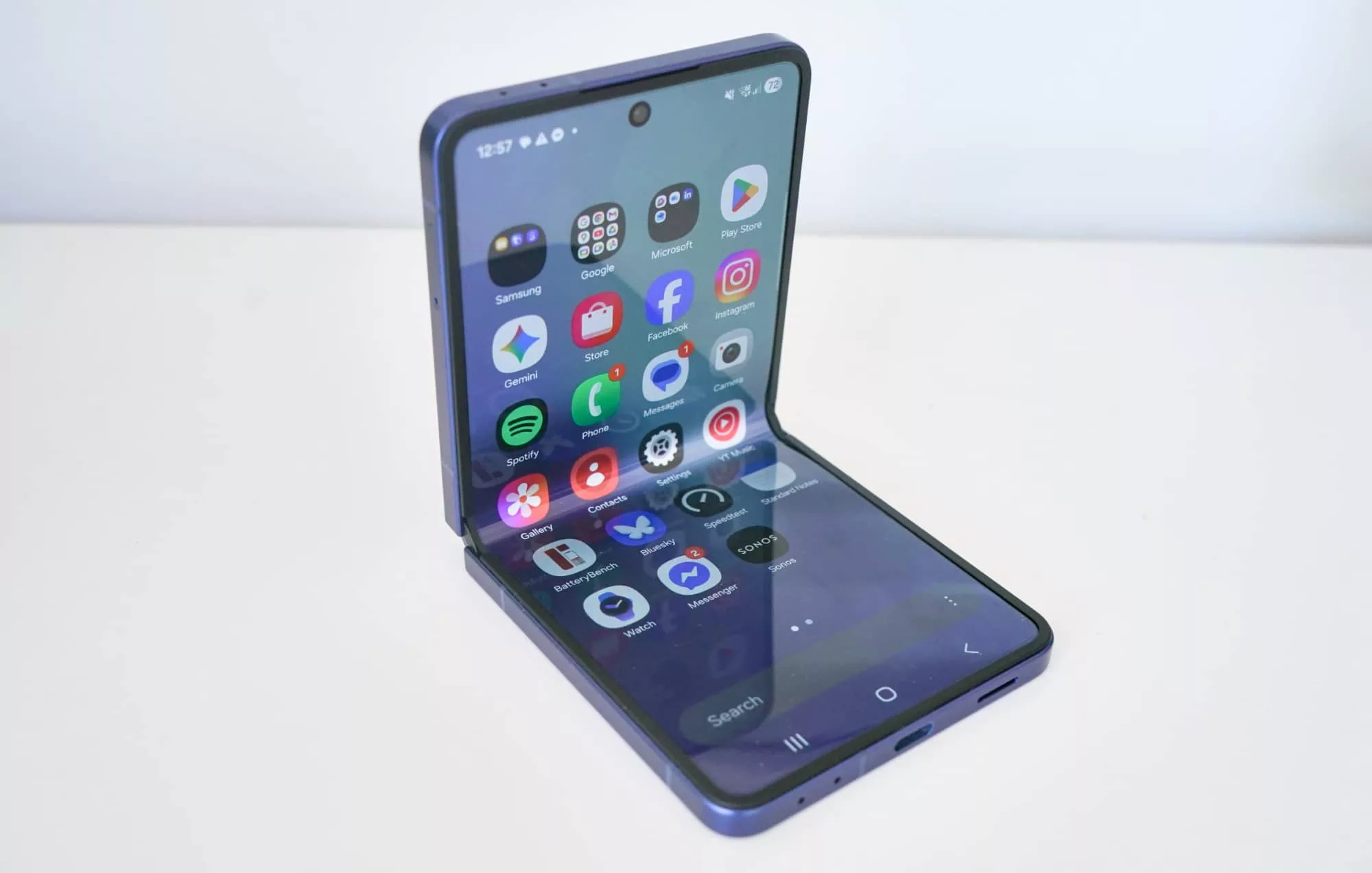
Familiar but still friendly, the seventh generation of Samsung’s foldable flip phone range doesn’t try to change much, leaving most of what worked in prior generations, but changing some of the specs and the screen on the front.
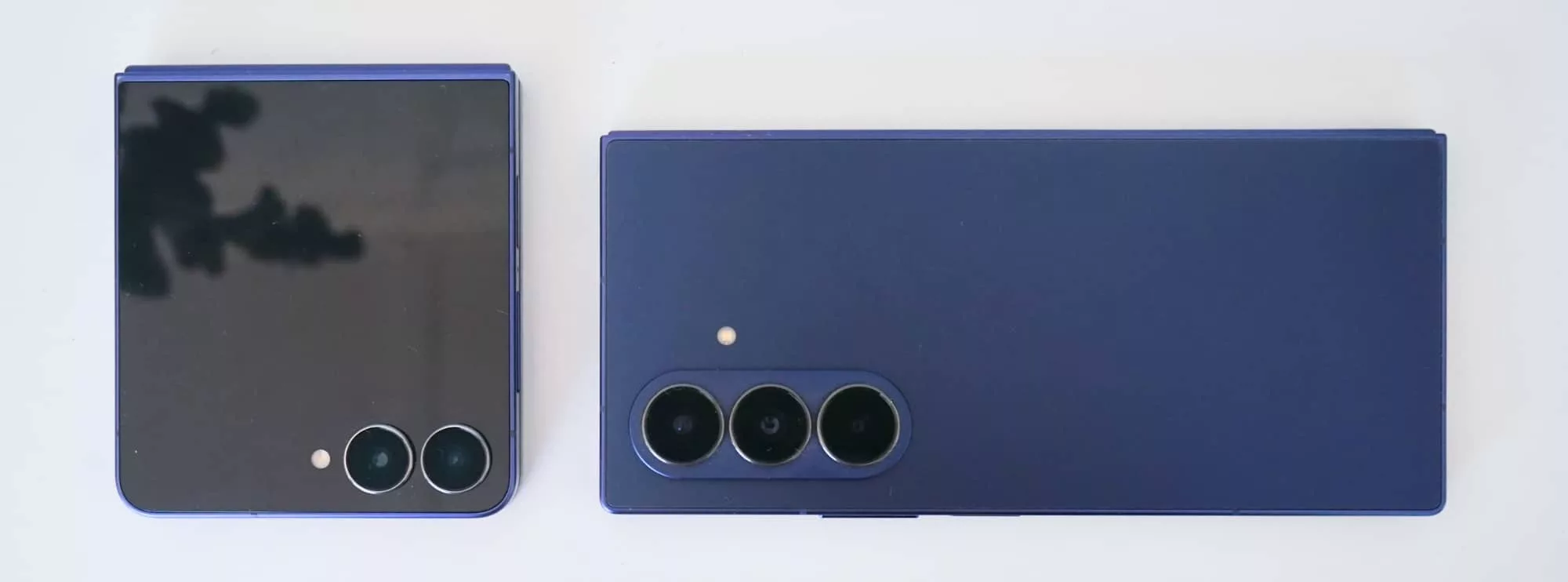
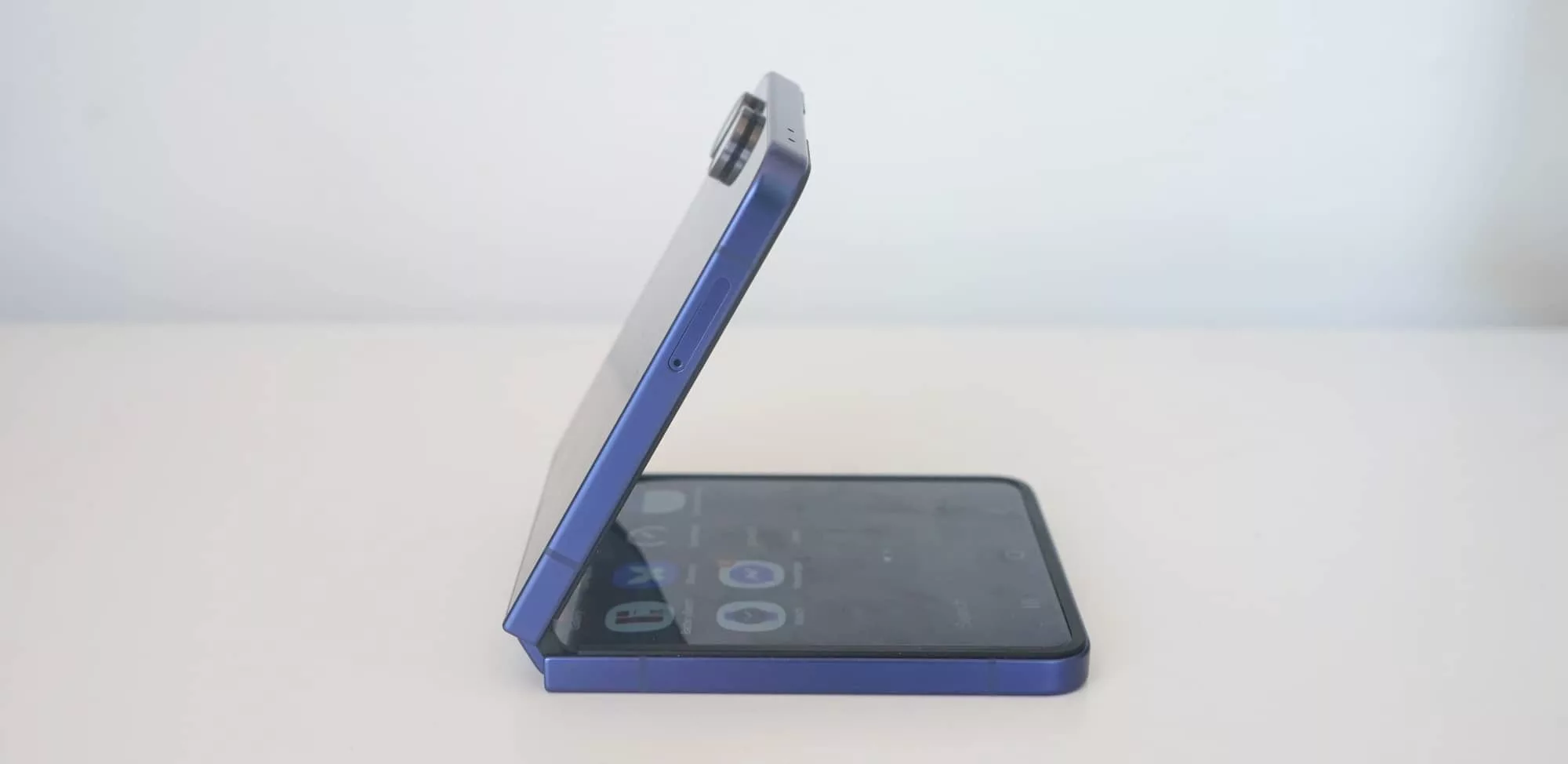
The look is the same, and if you jump between the Flip 6 review from last year and this write-up, you’d be hard-pressed to notice much of a difference, with a combination of glass and metal making up the design, which continues its two-tone approach to the aesthetics, and ends up looking quite nice.
Features
Inside, there are some differences; it’s not entirely last year’s phone, even if the look would have you fooled.
You’ll find a different processor from the assortment of flagship innards normally seen in the range. No Qualcomm Snapdragon here, because we’re instead getting one of Samsung’s own Exynos chips, a little like the FE range of tablets and phones.
In the Galaxy Z Flip7, you can look forward to the Exynos 2500, a 10-core chip paired with 12GB RAM and either 256GB or 512GB storage, as well as Android 16.
Connections are pretty normal a high-end phone these days, offering 802.11a/b/g/n/ac/ax/be WiFi 7, Bluetooth 5.4, GPS, Near-Field Communication (NFC) for Google Pay and Samsung Pay, and also 4G and 5G connections, handy if you plan on connecting to any mobile network in Australia and other parts of the world.
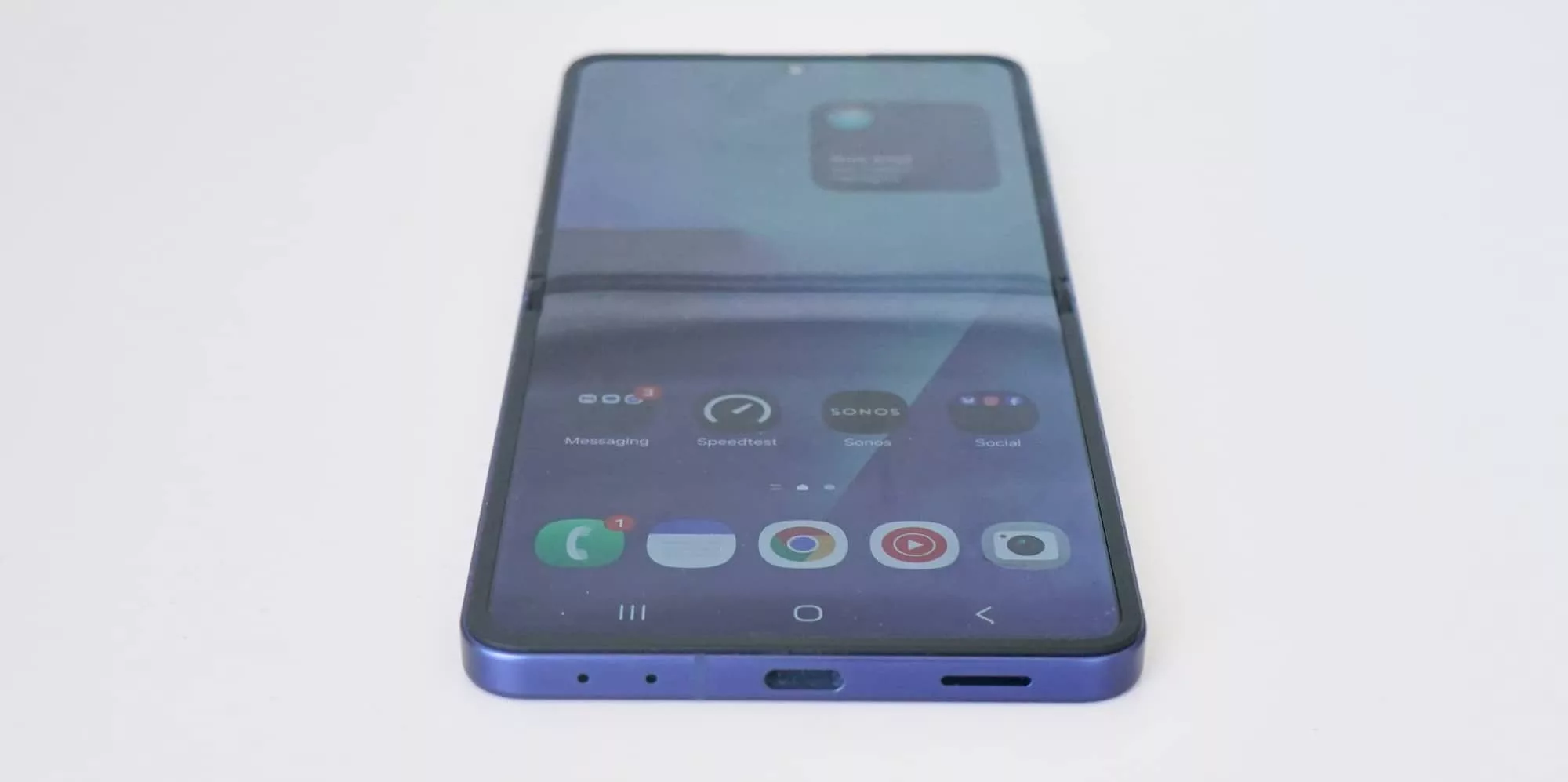
The phone also includes a physical port at the bottom, the one USB-C port where you can charge it, transfer data, and even use it to convert to a 3.5mm headset jack if you still rely on wired headphones.
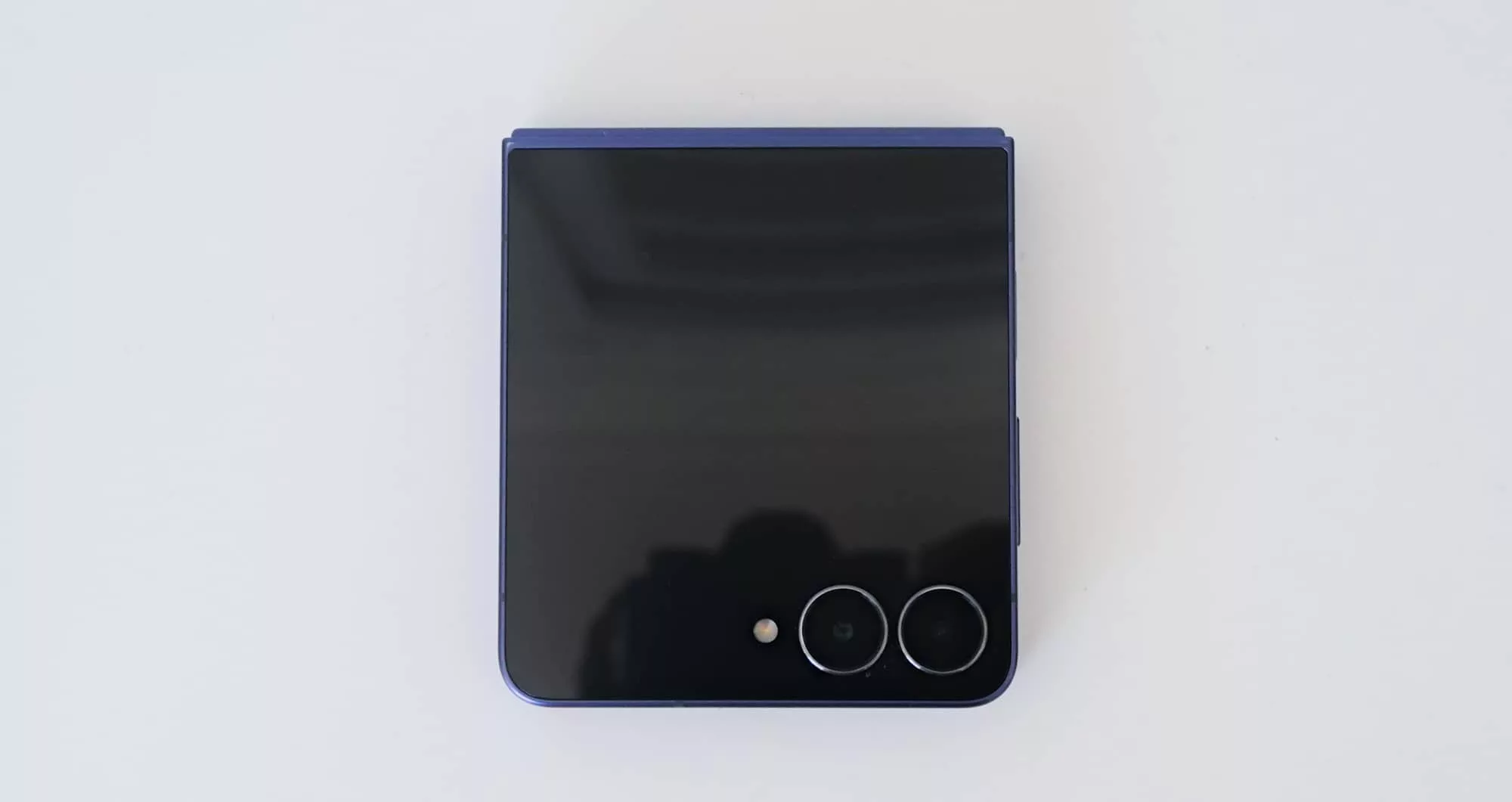
Two cameras can also be found here, both on the front and the back (depending on how you look at it), with a 50 megapixel wide F1.8 camera and a 12 megapixel ultrawide F2.2, both of which cover 4K video.
The selfie camera can be found on the inside, using a 10 megapixel F2.2 camera, though because this phone also uses a cover screen, the two main cameras are also technically selfie cameras. Technically, anyway.
You can also find wired and wireless charging (but no Qi2), a fingerprint sensor under the power button, an IP48 water resistance, and a paint job not unlike its Fold 7 sibling, which looks nice in blue.
Display
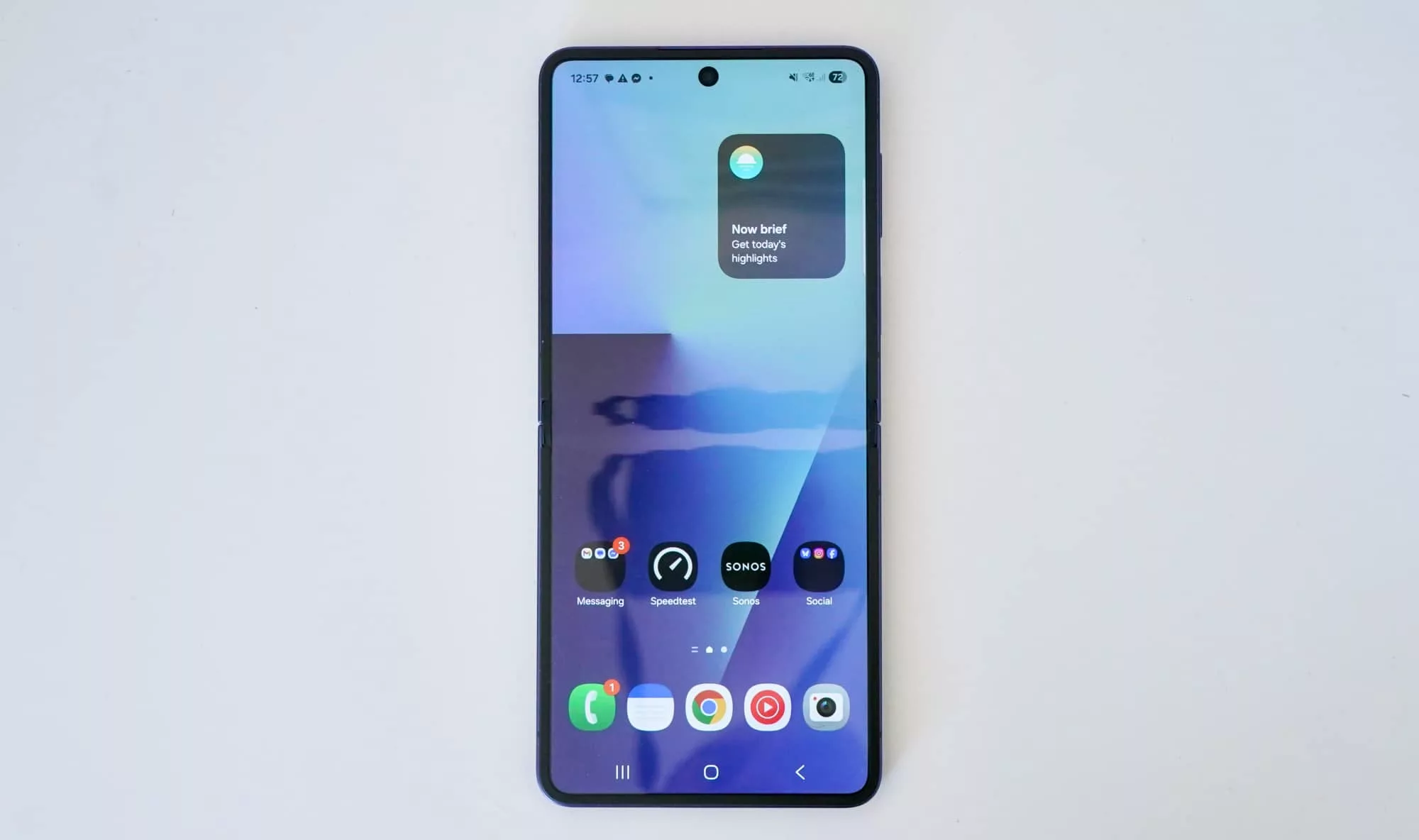
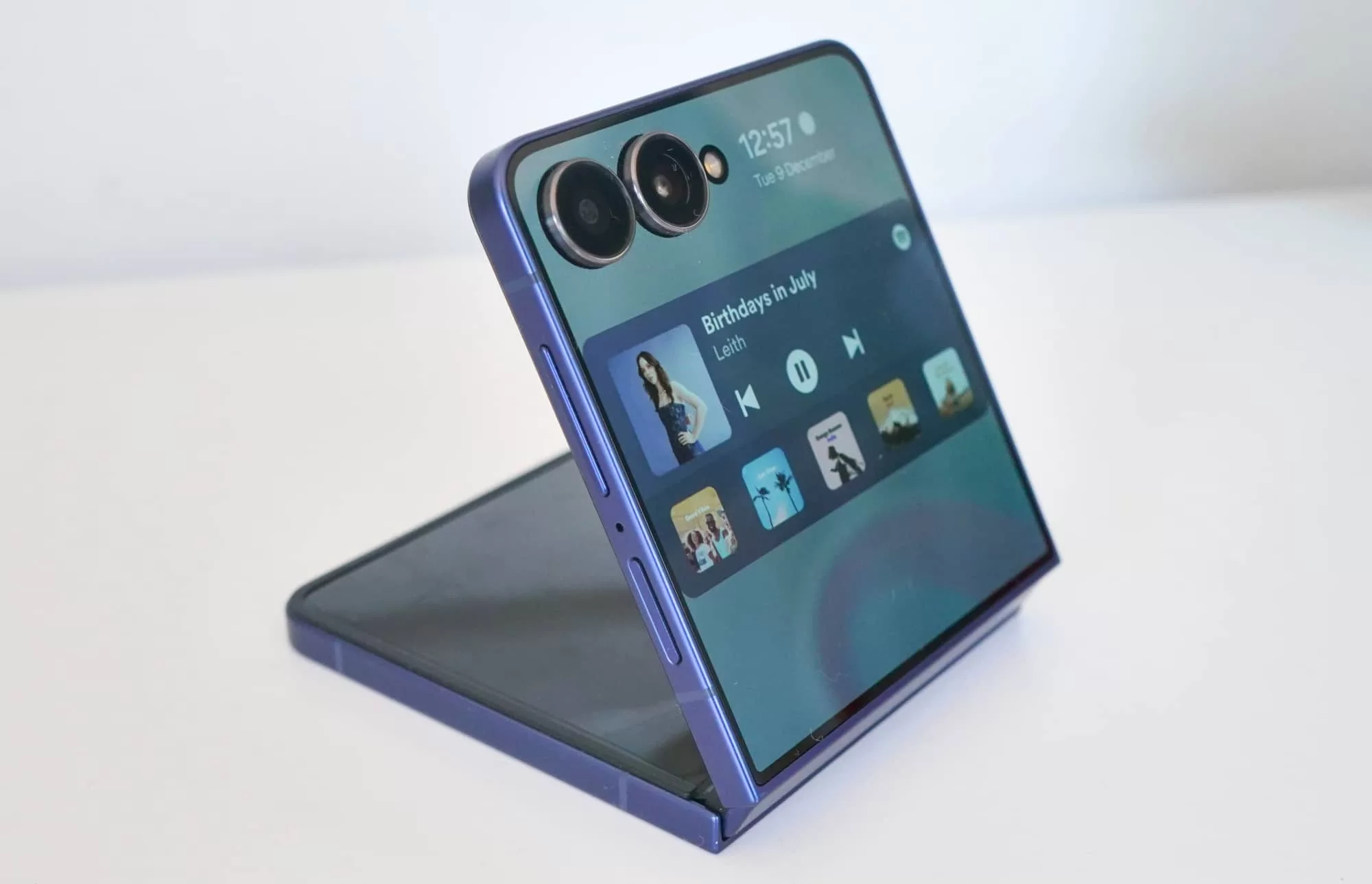
The most obvious change is on the outside screen, more commonly known as the cover screen. While previous generations saw a phone with a bit of a notch cut out, this time the Flip is treated to the entire screen, albeit with the camera lenses poking through.
In actuality, the change means you now get a 4.1 inch AMOLED front screen versus the 3.4 inch screen of the Flip6. It’s a noticeable change on the outside, because there’s clearly more display.
The inside even sees a slight improvement, jumping from 6.7 inch to 6.9 inch AMOLED but pulling back on the resolution, now running the Full HD+ resolution of 1080×2520 versus last year’s 1080×2640.
But here’s the thing: that doesn’t matter much. Both screens on the Galaxy Flip 7 are nice to look at, and both also offer 120Hz refresh rates, meaning they’re both slick and responsive, as well.
In-use
The most obvious change between models is clearly the external screen, which goes from a weird little notched display in the Flip 6 to a full-screen option in the Flip 7. This does look better, though Motorola was here first, so it’s not like Samsung is new to the idea. It’s just new for Samsung.
However, using the phone doesn’t see anything really change. The fingerprint button is still under the power button on the side of the phone, the inside screen is still Android by way of Samsung’s One UI, and the outside screen is largely widget based.
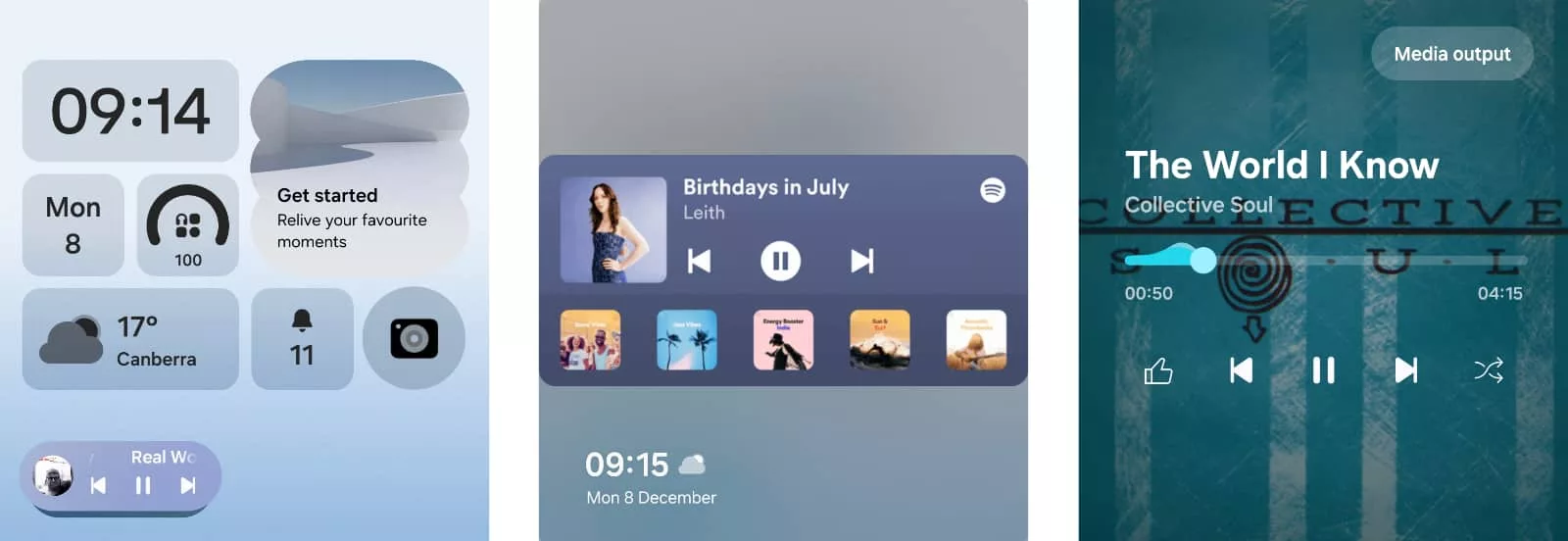
This isn’t like Motorola’s micro-version of full Android that you get on the Razr 50 Ultra, with the offering more like an assortment of widgets you can slide in, and that’s it.
The result can be handy, such as controlling your music from just the one outside screen, or checking notifications and battery life without needing to open the phone up entirely. It’s just not as useful as what Motorola managed to achieve.
Performance
In an interesting twist, Samsung has shied away from its high-end Snapdragon 8 chips for the Flip 7, and that is a genuine surprise.
While the previous generation Flip models saw largely the same system spec as what was used in the high-end Galaxy Z Fold model, the Z Flip 7 flips the script and goes a different way. It’s a bit of a shock.
| Device | CPU Single Core | CPU Multicore | GPU |
|---|---|---|---|
|
Samsung Galaxy Z Flip 4
|
1288
|
3919
|
6586
|
|
Samsung Galaxy Z Flip 5
|
2037
|
5214
|
8211
|
|
Samsung Galaxy Z Flip 5G
|
1262
|
3406
|
3351
|
|
Samsung Galaxy Z Flip 6
|
2282
|
6947
|
11954
|
|
Samsung Galaxy Z Flip 7
|
1823
|
6796
|
18664
|
There’s a clear difference in the delivery, with the graphics seeing a boost, but the single and multi-core CPU being under where they were in the last generation, the Flip 6.
It’s almost the same mix of meh when you compare the Flip 7’s performance versus other handsets in the market today.
| Device | CPU Single Core | CPU Multicore | GPU |
|---|---|---|---|
|
Google Pixel 10
|
2291
|
6193
|
3109
|
|
Nothing Phone 3
|
2105
|
6527
|
13001
|
|
Samsung Galaxy S25 FE
|
2046
|
6602
|
13580
|
|
Samsung Galaxy Z Flip 7
|
1823
|
6796
|
18664
|
|
Samsung Galaxy Z Fold 7 (cover screen)
|
3056
|
9621
|
19744
|
Overall, the result isn’t bad — synthetic benchmarks paint a decent picture for graphical performance — but the processor isn’t as up there as other phones, including the mid-range options from the Galaxy S25 FE.
Confusingly, even phones with chips that just didn’t deliver much oomph like the Google Pixel 10 can edge out the Flip 7.
It’s such a confusing situation, and just makes you want to reach for the Flip 6, particularly if you’ve been eyeing this year’s release.
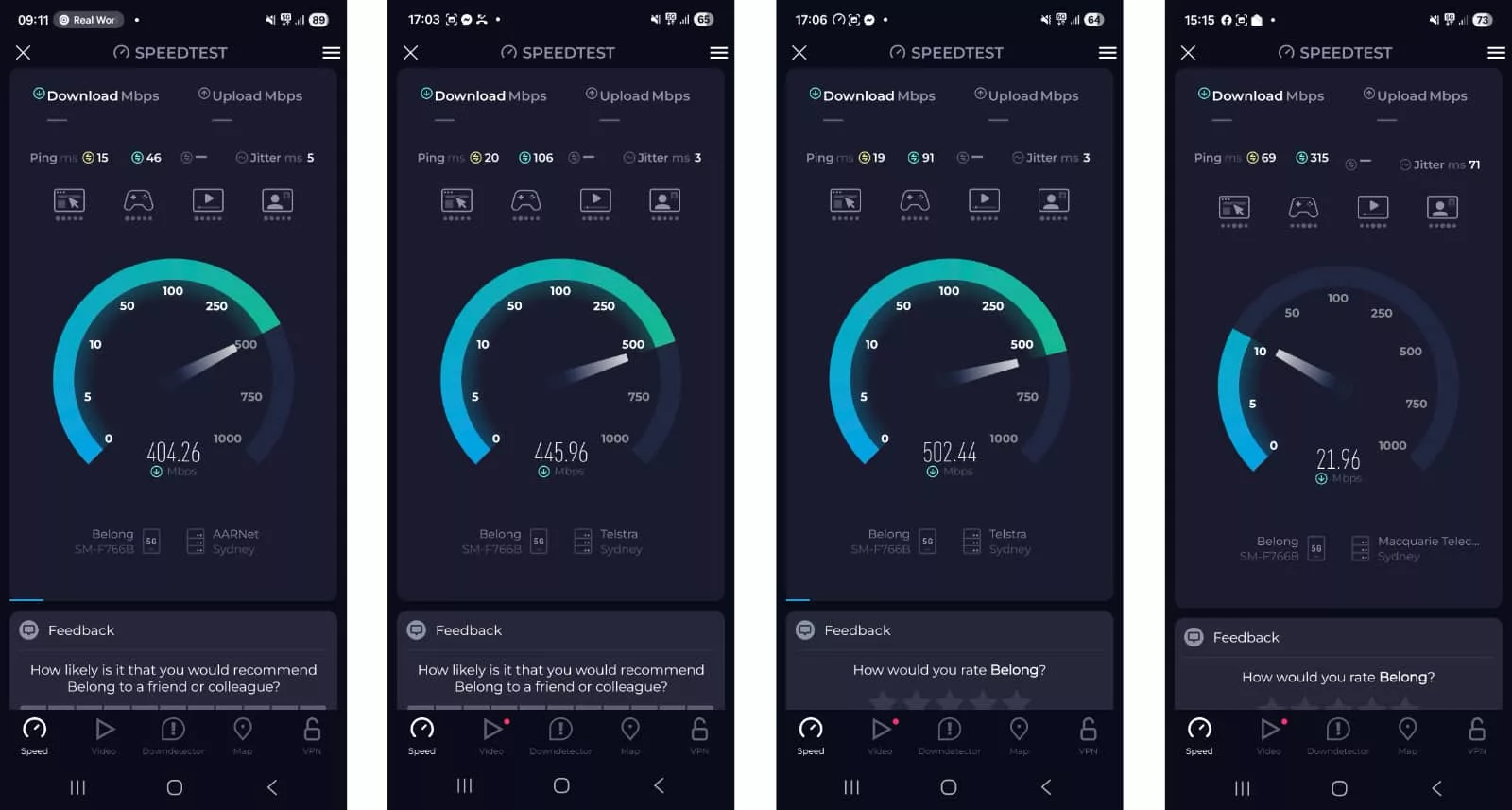
At least the mobile performance delivers, resulting in speeds as high as 513Mbps in our tests on the Telstra network by way of Belong Mobile in Sydney, Australia.
Camera
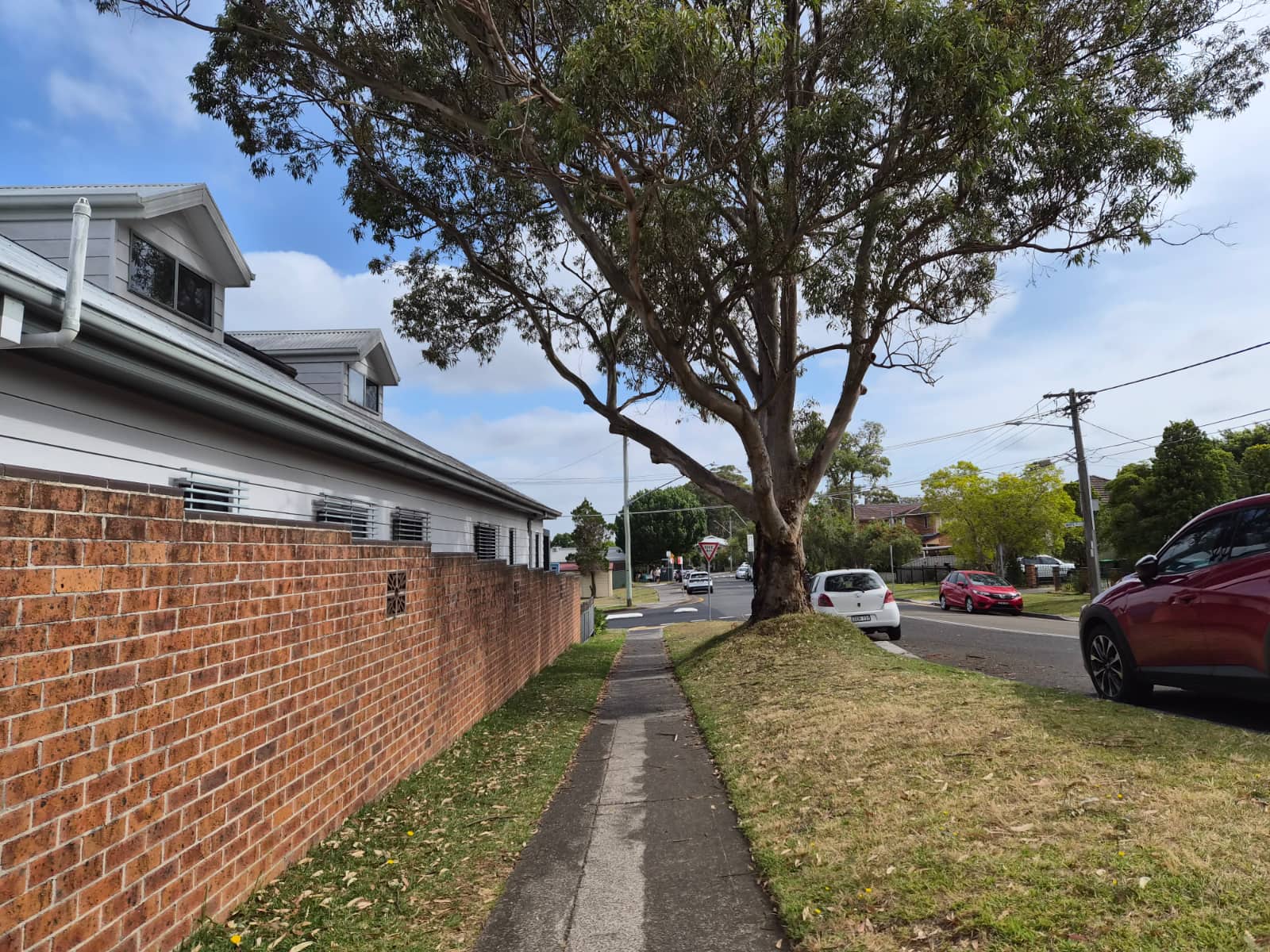
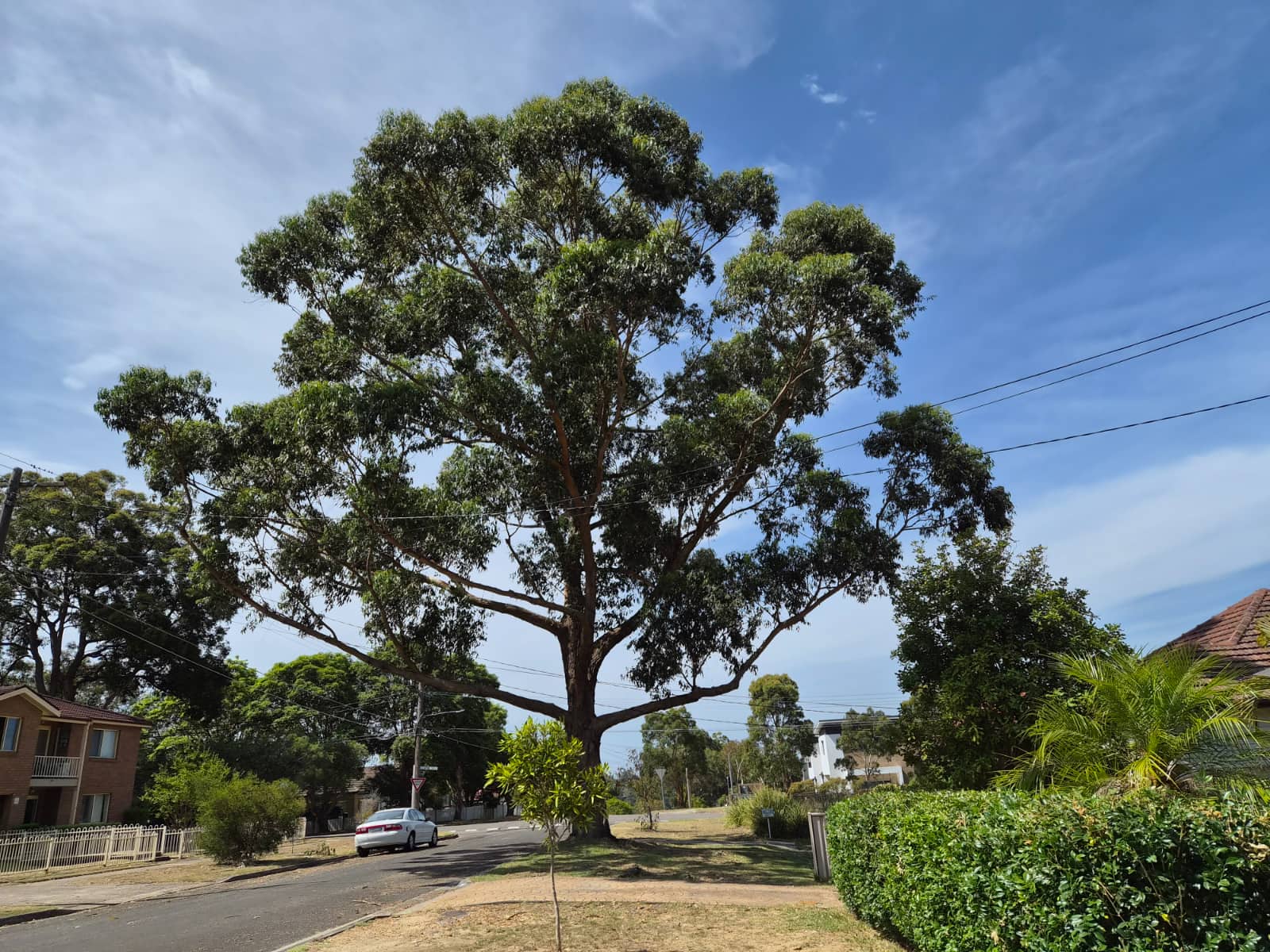
Another aspect we’re not super enthused about is the camera, which isn’t anywhere near on the level as Samsung’s other models.
You get a 200 megapixel with the Fold 7, just like you do on the S25 Ultra. Here on the Flip 7, though, it’s a 50 megapixel camera alongside a 12 megapixel ultra-wide, and frankly, it feels like last year’s tech.
That’s not to say the combination is bad — it’s fine, and serves the purpose — but the Flip 7’s camera setup does feel like a 2024 assortment of cameras, and that means the smaller foldable misses out on the camera improvements from the rest of the range. It’s just not as nice a setup.
You should find it does the job well enough, but it’s not much of an update, if any. It’s all a touch underwhelming.


Battery
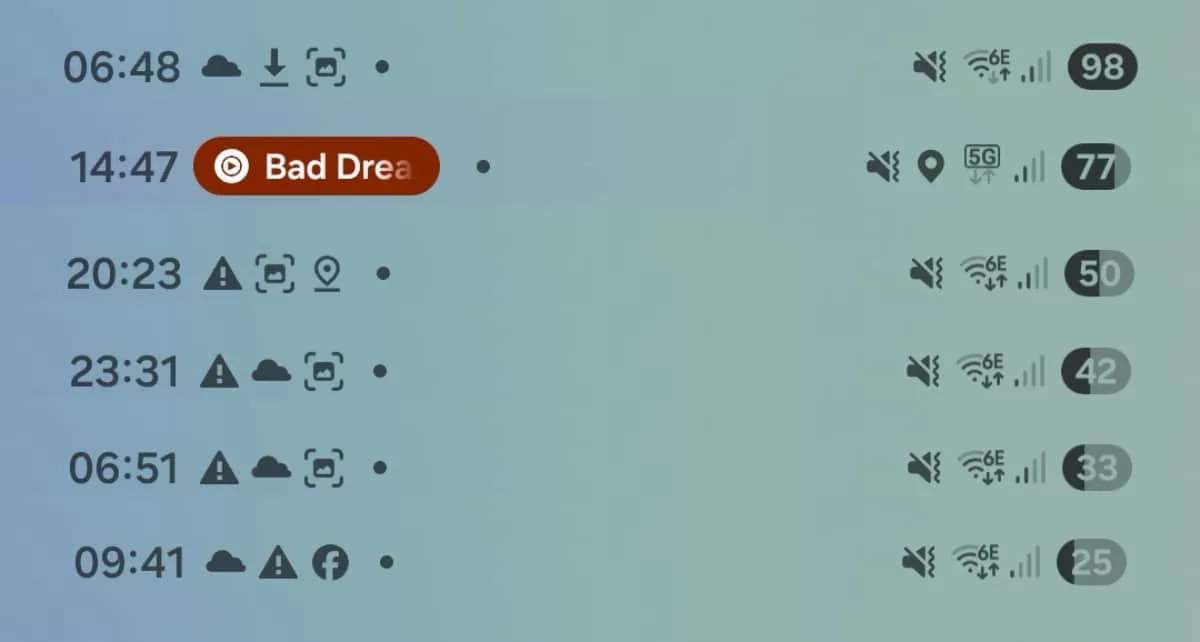
The battery is slightly better, though, resulting in a good 24 hours of life in our regular day-to-day usage test, and a total of between 4 and 6 hours of screen time in active use.
Testing the Flip 7 with our own BatteryBench app, the performance managed to deliver better than expected non-stop video-watching use, achieving a result of 28 hours and 20 minutes (28:20). That’s on par with Google’s Pixel 10 Pro XL, which only managed to squeeze out ten minutes more.
Sufficed to say, the battery performs slightly better than we expected, which is a good thing.
| Device | Battery |
|---|---|
| Samsung Galaxy Z Flip 7 |
23:15
|
| Motorola Razr 60 |
18:49
|
| Motorola Razr 50 Ultra |
17:06
|
Value
But the price does manage to feel a little off, not necessarily because it’s more expensive than it once was, but because so little has changed, it’s difficult to feel like the Z Flip 7 is worth the cost.
Rather, its $1799 starting price for a 256GB model and $1999 for a 512GB seems a little higher than it should be. The hardware isn’t a leap ahead of anything, and at $200 more than the Flip 7 FE (which offers a 256GB model for $1599), you may as well opt for that variant, which is basically a Flip 6 with a slightly lower Exynos 2400 chip inside.
The main difference between the Flip7 FE and the standard Flip7 is a slight chip improvement and a different front screen. The saving is $200, and while we’re not sure the Flip7 FE is worth the price either, at least its value makes more sense.
What needs work?
The problem with the Flip 7 is the feeling that nothing has changed, or not in a way that’s important to notice. There’s nothing majorly wrong with the Flip models, but the development seems to have stopped.
While Motorola skipped Australia for its Razr flagships this year, previous generations have been excellent. We saw the full screen display, a telephoto camera, and even a way to use that external cover screen just like any other aspect of Android. It felt like Motorola was improving the flip phone markedly.
Samsung just doesn’t give off the same vibe. If anything, it’s almost like the Flip 7 is settling with foldables in this style. It does the job, offers minor improvements, and the company is leaving it at that.
There’s just so little to be inspired about in this phone, because the cameras could be better, the cover screen is underwhelming, and while the Flip 7 feels like a bit of a fashion item, there are just simply much better phones out there.
What we love
Despite this, we still love the form-factor, and love that Samsung still saw it worthwhile releasing a model or two this year. Motorola only did one, and the difference between the two can be pretty severe.

If you were considering the Razr 60 standard, know the performance between the two is very different. The price is, too — there’s a good $600 between them! — but the different in performance is clearly there.
Even though Samsung’s Flip 7 isn’t quite on the same footing as the Fold 7, there’s a lot more grunt here, giving you an idea that the phone should last a lot longer in your pocket.
Final thoughts (TLDR)
It’s a shame that the Flip 7 isn’t being given quite the same billing as its Fold 7 sibling.
The Galaxy Z Fold 7 is easily one of 2025’s biggest highlights, delivering a phone that stands out for all the right reasons, and doesn’t have a lot of negatives beyond its price.
The Flip 7 is clearly a different phone altogether.
It’s small and a foldable, yes, and for all intents and purposes, it is a good looking phone with acceptable battery life for a small phone. But it also is very ho-hum and mediocre, lacking the pow its Fold 7 sibling launched with, and all the while feeling like a marginally changed version of last year’s device.
That’s a shame, because while the Fold 7 shows a future where foldables can change, the Flip 7 feels very much like yesterday’s news, or even yesterday’s phone. It’s just that little underwhelming when it had the chance to be a little more interesting overall.
If the price was much lower, we’d probably be less hard on Samsung. But as it is, the Flip 7 is difficult to recommend to all but the most ardent of Samsung foldable fans, and quite frankly, they should look to the better Fold if they want something both fancy and clever.