


The TV may not be the centre of the home it once was, but good luck finding an Australian home without a TV. Or any home for that matter. The place of the television has largely been the centre of most homes for decades, and while that’s being challenged by phones and tablets, it still means TVs play a central role.
However, that central role may come with a catch, because it could also be the most easily hacked part of the home, as well.
Internet-connected smart TVs started to become normal back in 2010, meaning they’ve played a part in our lives for over 15 years. The potential problem with that is they may not be seeing updates, which can turn these smart devices into a portal for those who need to get in.
The screen can still be used, but the device can also provide a foothold into the network, or even used to gather information on a network, making it something that may need more protection than simply turn it on and off. And that’s because when it’s off, it’s still likely connected.
The worse news is that this problem with smart TVs could be one we’re all facing, with a report from Bitdefender and Netgear on the Internet of Things (IoT) this year revealing that the TV is one of the most obvious points of vulnerability in the home network, joined by smart plugs and network storage devices. While they all share similar amounts of vulnerability observations in the joint report, smart TVs are a lot more common comparably, and can be found in most homes where a TV has been purchased in the past ten years.
These days, every TV is a smart TV, and if you’ve connected it to your home network, it is on the internet. That makes it a potential risk, complete with its own problems, such as a Common Vulnerability and Exposure, a CVE, which is basically a weak point that can be patched up but is often problematic until it is.
You only have to look at the PHP issue recently to see how a CVE can wreak havoc, with technical teams rushing to patch the problems as quickly as possible.
And with roughly 24 devices per household, it means that not only is there a TV at risk, but potentially other things, as well. Potentially from gadgets that need internet access, yet almost never receive updates.
The 2026 IoT Security Landscape Report was based on an analysis of nearly 5.4 billion vulnerabilities, including some major ones such as routers shipping with a backdoor, TVs logging audio while the screen was off, cameras broken, and so on. Those were just from this year alone.
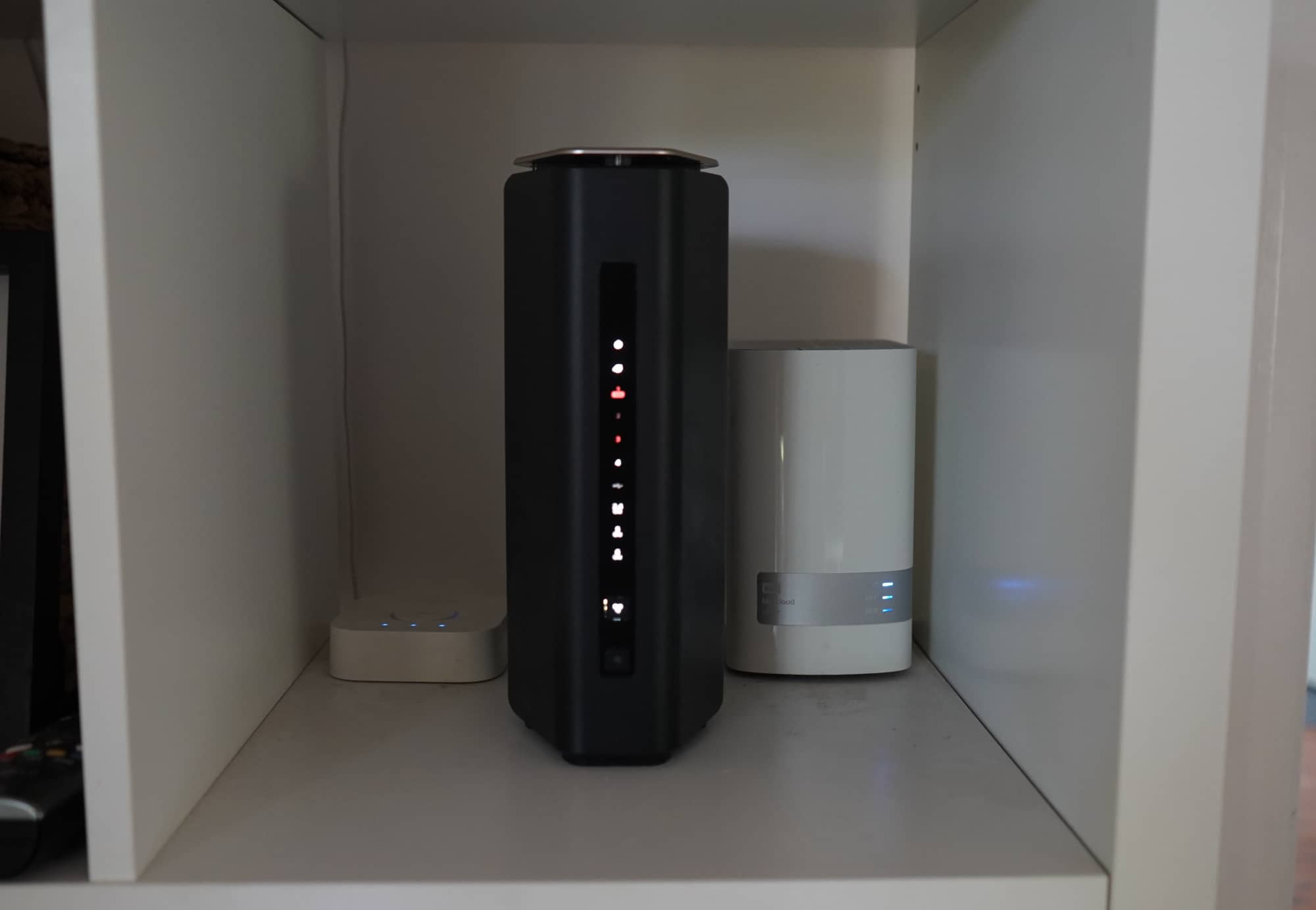
With that in mind, security may soon play a bigger role in the home, and not just with regard to security cameras or internet security. Rather, you may soon see security as part of more routers, something we’ve seen Netgear previously offer on its Nighthawk routers, and which could become even more critical.
While internet security provides a software guard and stop to digital nasties making a dent on your computer, internet security at the router end could be the same type of protection needed on the rest of the home, potentially blocking things from breaking in and taking advantage of smart devices.
“As enterprises get better at protecting their digital infrastructure, cybercriminals are turning to connected home devices,” said Chandan Nandakumaraiah, Head od Product and Cybersecurity at Netgear.
“These devices are increasingly smart and powerful, which makes them an ideal foothold: always on, reliable, and rarely monitored. Once inside, criminals can stay hidden and move laterally across the home network,” he said. “Monitoring, detecting, and blocking these threats is more important than ever.”
The push for greater security beyond the computer is probably exactly what you’d expect from security and network gear manufacturers, and you’d be right, but with security likely to get worse, thanks in part to more vulnerabilities being found and AI able to be tasked with hacks and breaks, that need for security also grows.
As it is, the IoT report paints the next year as even more risky, with an increased in flaws and greater risks with an increase in Android-based TV systems. As such, Netgear and Bitdefender’s report suggests keeping a router up-to-date, to use unique passwords but to also stop using devices when their support expires. That may be a little problematic for many, especially when software and patches isn’t always released in a timely manner for every device.
Rather, it might simply be a case of being more aware of what gadgets you own and how often they’re updated, or alternatively to consider a form of security at the router level, working as a gatekeeper for everything else in your home that’s important (which is probably everything).