
Whether you’re strapping a camera to your head, arm, surfboard, skateboard, car, or even maybe your dog, it’s impossible to do it without thinking of the tech that largely started it all: GoPro.
There had been waterproof cameras and camera casings before GoPro turned up, but few did it with the simplicity we saw from the Hero range, and since its inception, many have joined, adding to just what you can capture from a compact cam. You can record your exploits surfing or skiing or cycling or skydiving, taking a durable and capable camera and fixing it to nearly anything.
That’s the world of action cameras, something GoPro practically invented with its first cameras in 2004, but in the years since, competition has increased. Not just from other action camera makers, but also from phones, which are equally capable and water resistant to boot.
GoPro is clearly thinking about how to evolve the category with its latest models, announcing what 2026 action camera buyers have to look forward to, and it’s a little more pro-grade than expected.
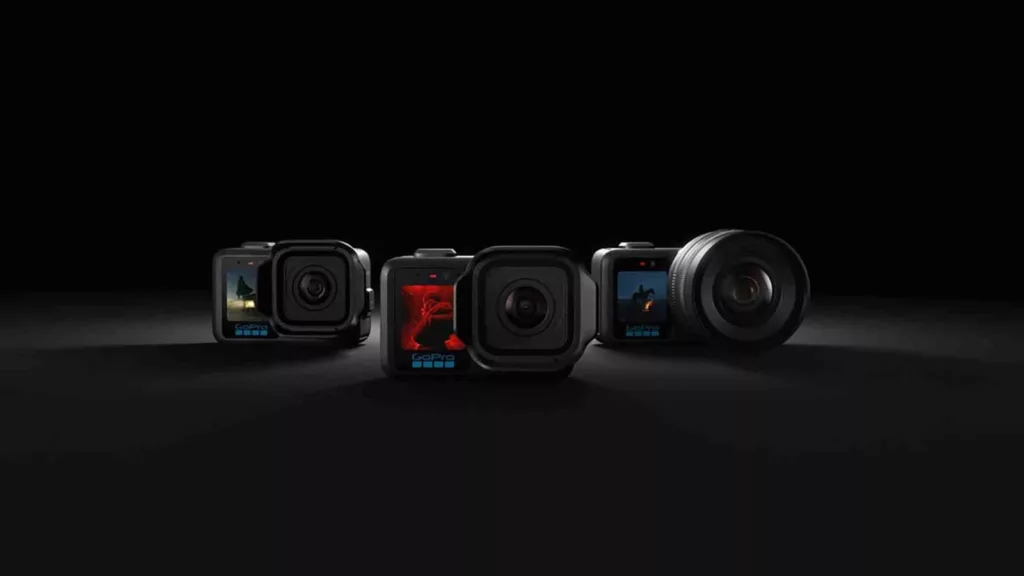
The 2026 models skip the “Hero” name we’ve seen on GoPro for aged and replace it with “Mission”, launching the Mission 1 with a 1 inch sensor (hence the name) sized to 50 megapixels, and supported by GoPro’s GP3 processor with image and video processing, low-light, and a built-in Neural Processing Unit using AI for some of this.
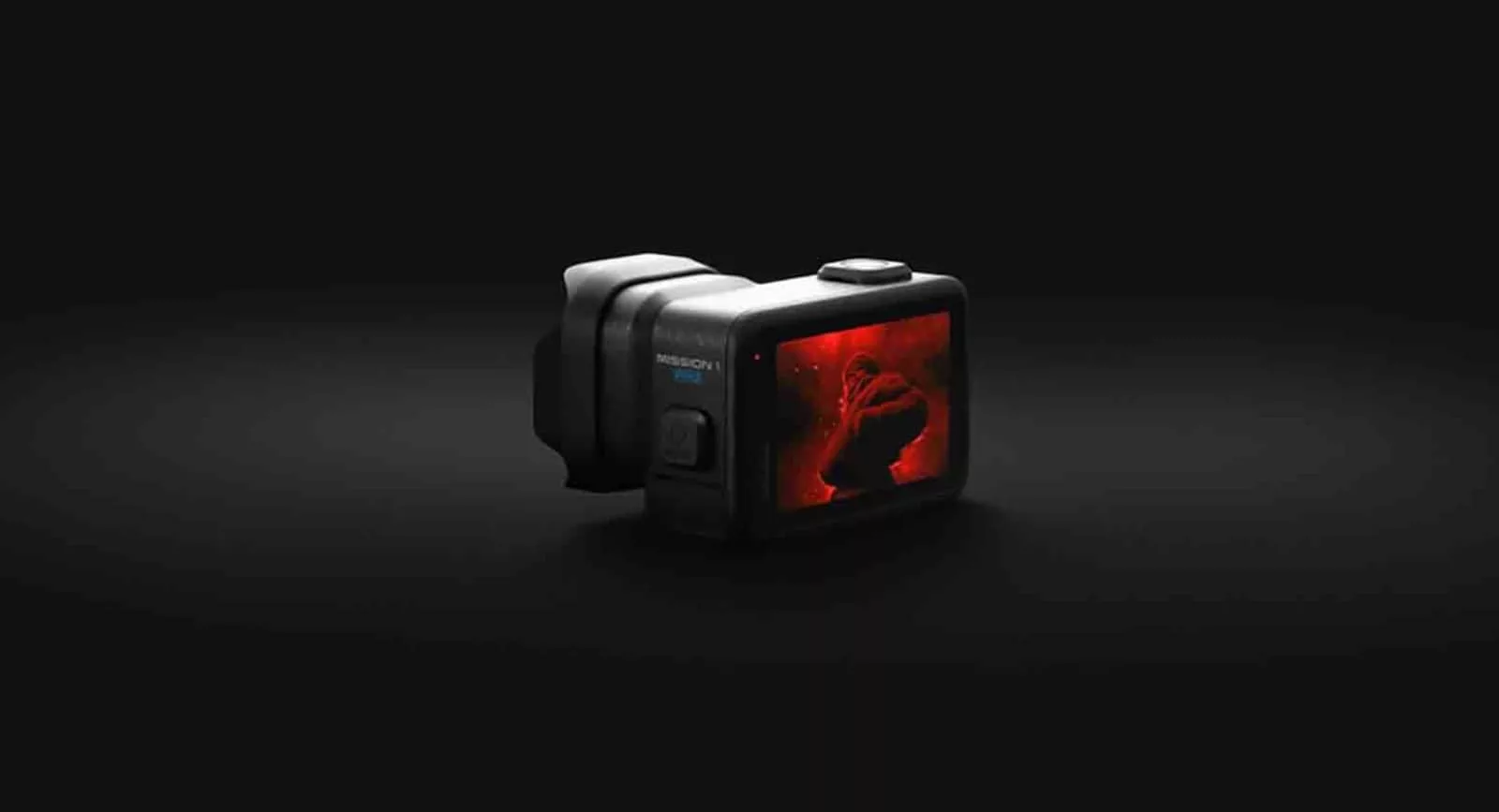
The cameras cover 13 capture modes, support for HDR, four microphones, Bluetooth audio, and several hours of video from the battery with over five for 1080p Full HD and three for 4K at 30 frames per second. Even the design has seen the water-resistance improve, supporting up to 20 metres of depth underwater in the Mission 1 and Mission 1 Pro. Adding to this, the screen on the back is bigger and now used OLED, while the viewing angles have increased, as well.
One edition of the Mission 1 Pro will support a compact hand grip to make the camera easy to hold and carry, while a “Creator” edition will support a battery grip for extended capture.
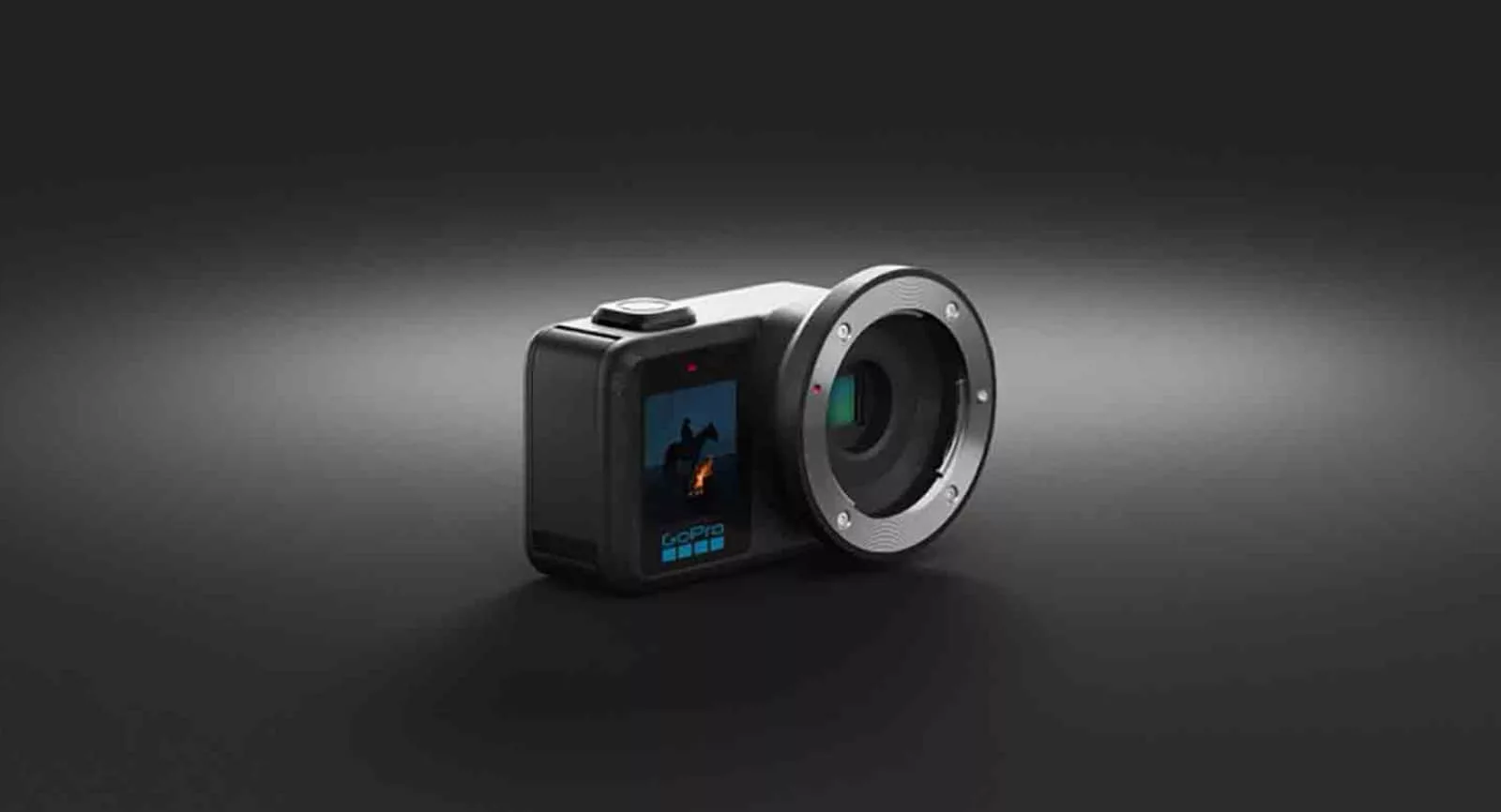
But the GoPro Mission 1 Pro ILS might be the most intriguing camera from the company yet, using the same technology, but opting for a Micro Four Thirds interchangeable lens mount, hence the ILS in the name (Interchangeable Lens System). That will see GoPro’s previous introduction of lenses get supported by more interesting camera lenses, the likes of which we’ve seen in action from Panasonic and Olympus cameras in the past.
“With the launch of the Mission 1 Series, GoPro is entering the premium end of the digital imaging market in a significant way,” said Pablo Lema, Senior Vice President of Product at GoPro.
“The combination of our new 50 megapixel 1 inch sensor and ultra-efficient GP3 processor sets a new performance bar for compact cinema cameras, enabling resolutions, frame rates, low-light performance, runtimes and thermal capabilities never seen before in cameras this small,” he said.
“We expect the Mission 1 Series to expand the creative potential of filmmakers and creators around the world, similar to the impact GoPro made when it pioneered the category for durable, ultra-capable compact cameras.”
GoPro also expects to launch a wireles microphone system alongside, but neither this nor the Mission 1 cameras have a local price or retail date. We should see that soon, though, giving you yet something else to consider.