

After working in IVF for 20-odd years, I can tell you a thing or two about making babies, and the science is always a part.
While being an embryologist is always one part skill, one part science, and another part luck, the consistency is always that the science is a key part. You can’t make any part of the baby making process happen without science. It is necessary.
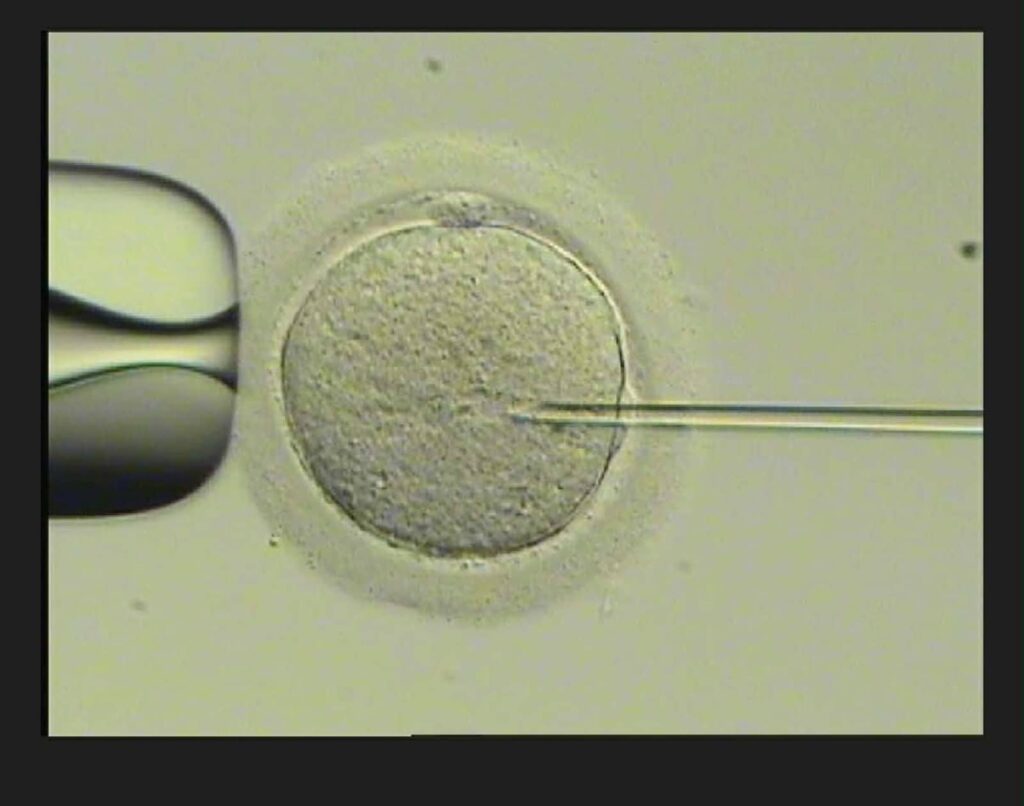
It’s all about the science, and every time I don my scrubs and sit behind a microscope, injecting sperm to egg and letting the “magic” happen, I know it’s the skills and science making it all coalesce and work.
But science is now telling us that the “magic” may go deeper than the skill set, decoding more of what our bodies actually do on the molecular level.
A recent study Linköping University in Sweden has shown that sperm molecules bring other molecules with them, and helps embryo development. These elements are smaller pieces of RNA called “Micro-RNA” and in other animals can affect embryo development.
If you know DNA, the building blocks of life, but you don’t know “RNA”, you know some of what’s going on. It’s not just a difference of one letter, but a difference of complexity.
The building blocks that are deoxyribonucleic acid or “DNA” is the complex molecule that can define us, and that humans are trying to decipher and make sense of. By comparison, ribonucleic acid or “RNA” is a single strand of DNA and less complex, but still incredibly complicated to understand.
Micro-RNA is smaller again, and a fairly recent discovery, at least compared to everything else. They can help control gene processes and expression, and may be useful in numerous medical fields.
With humans, the micro-RNA could provide a better understanding as to whether some sperm is better than others, particularly where it comes from, and knowing this could make it possible to get better in-vitro outcomes for patients dealing with fertility, or more specifically, infertility.
It may even provide some indication as to whether diet and lifestyle are key factors, with the study’s authors investigating possible links to diet during IVF treatment.
Of course, it’s early days yet, but like all things science and technology, it’s also possible that in the coming years, this research helps contribute to the improvement of fertility outcomes, and makes it easier for scientists like me to give better news, too.