

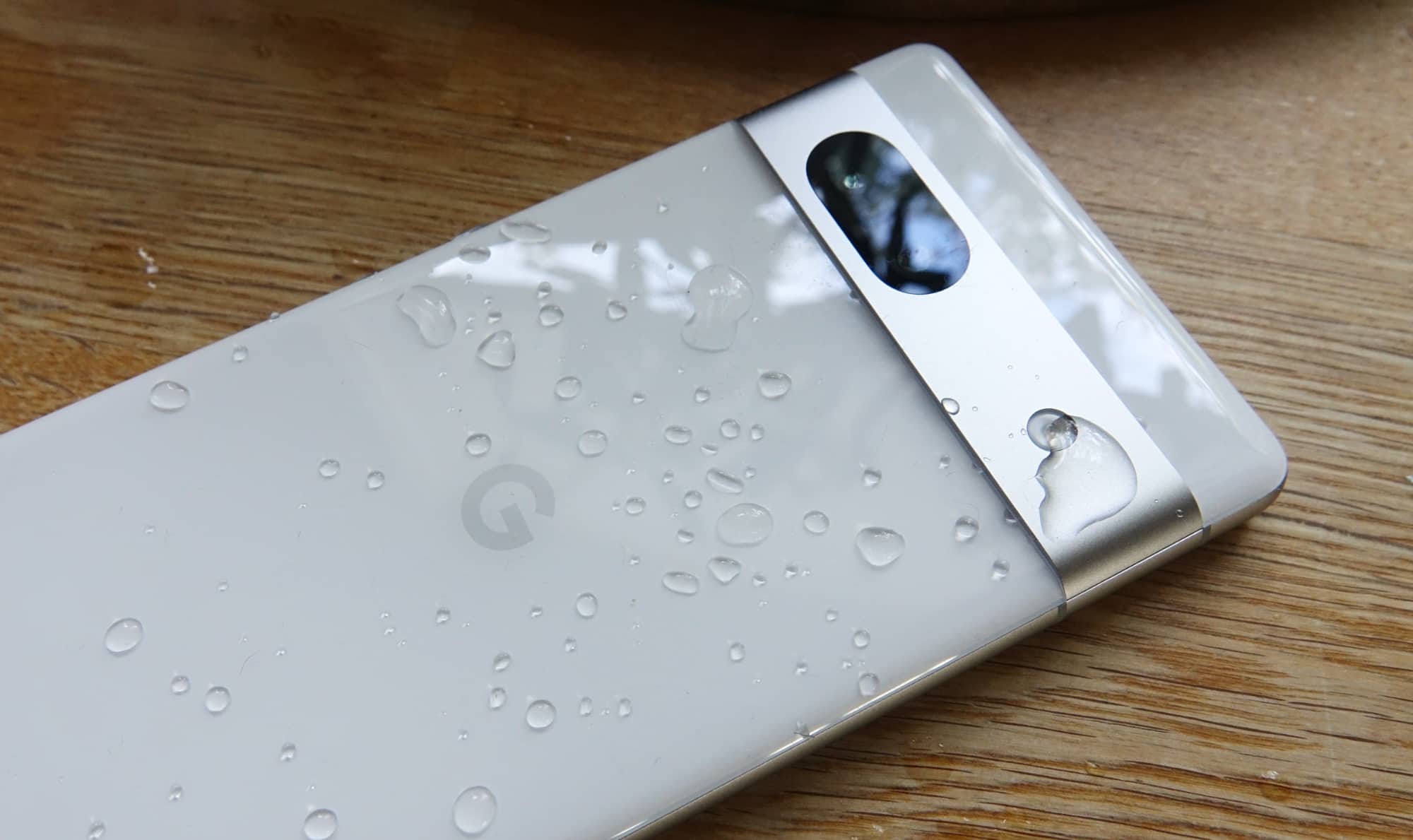
You shouldn’t have to spend an arm or a leg to get a new phone, and while the big and expensive phones tend to get so many new features, they’re not the only choices around.
Mid-range phones, also known as “mid-tier” phones, provide many of the features as their larger and more pricey siblings, but for a fraction of the cost. While high-end flagship phones tend to rocket past the thousand dollar mark into $2K and high, mid-range phones tend to max out at a thousand dollars, ranging in the past couple of years between $500 and $1000.
There’s a lot of choices here, and a lot of difference between what makes a mid-range phone genuinely compelling, so what should you be looking for if you want to find a mid-range phone?
The best mid-range phones so far in 2026
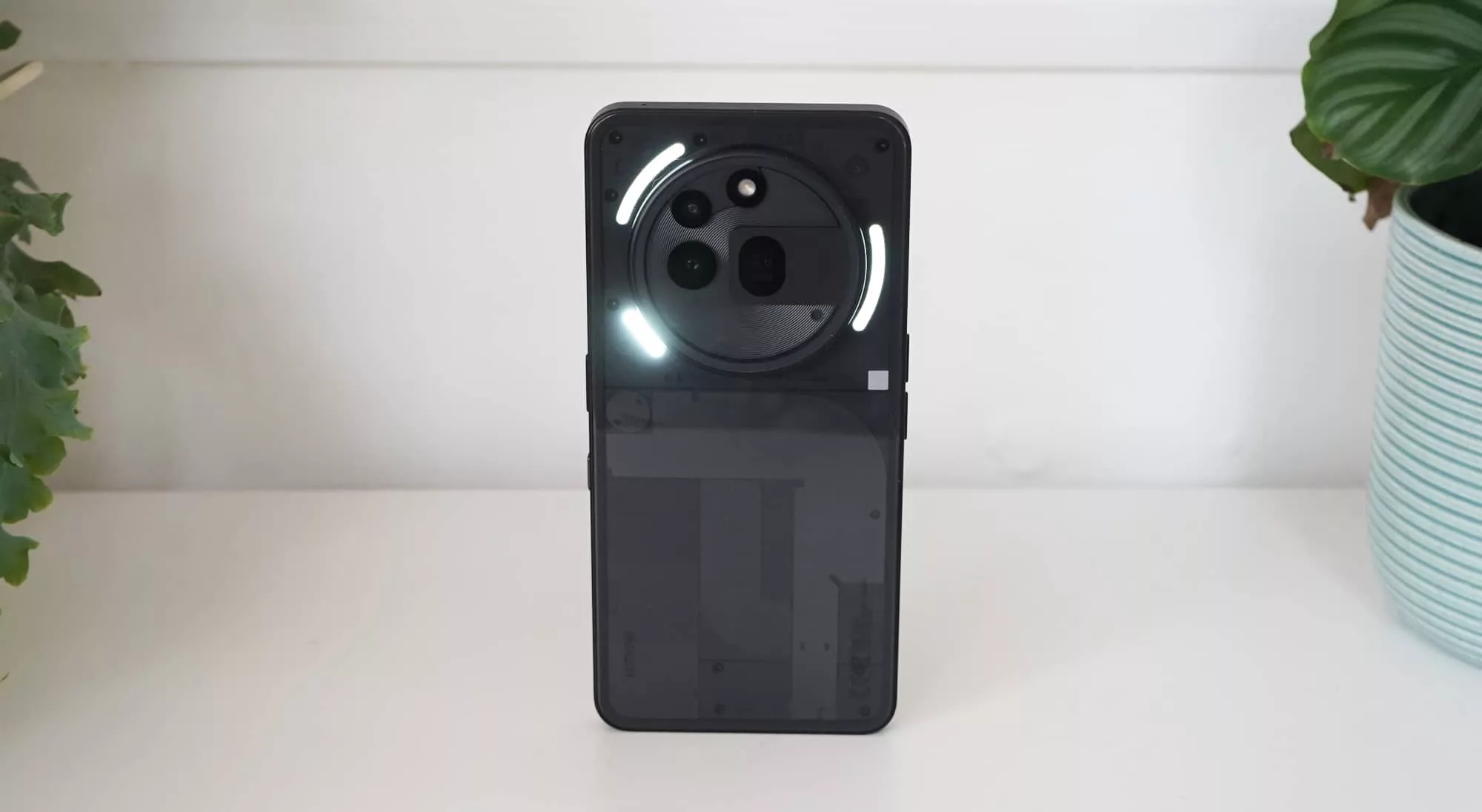
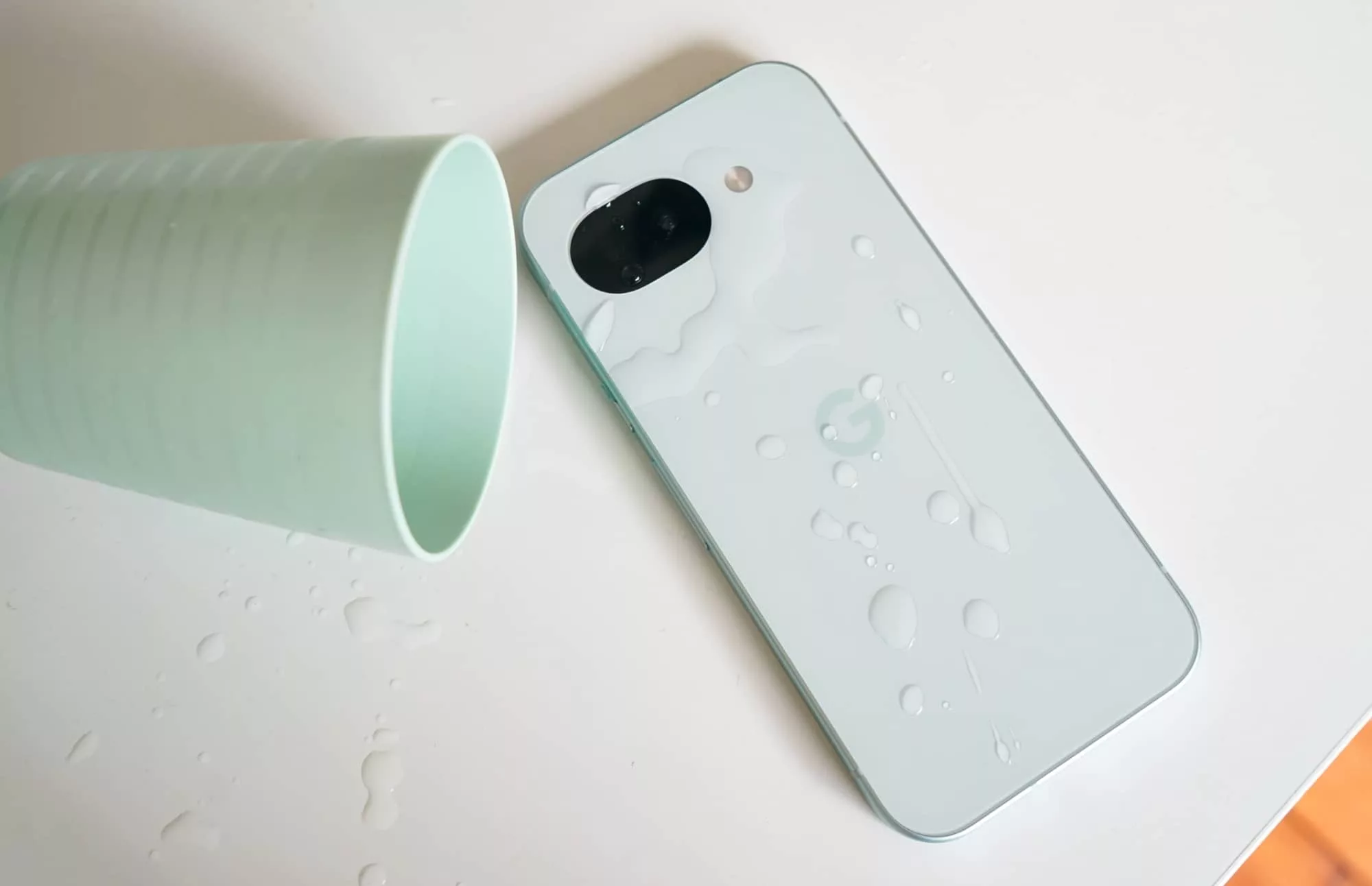
Before diving into what look for, you might be here to simply find the best phone for your mid-range dollar. For that, we have a list of the five best mid-range phones in the past year or so, ordered from the best to the still pretty good.
What to look for in a mid-range phone
An area that is gradually changing, mid-range phones essentially take some of the technology that has trickled down from the high-end, and package it up into a moderately priced phone for people who want a great experience, but may not necessarily need the best of everything.
Typically, mid-range phones include four key features: a decent camera, plenty of performance, a large battery, and a compelling price tag. Here’s what you can expect when you look at a mid-tier mobile.
A decent camera system
The days of associating a cheap phone with a cheap camera may well be over, with some of the better cameras in the market popping up in mid-range phones.
While some cameras will still be one camera with some great software smarts, others use multiple cameras in the one body, providing a standard camera, a wide camera, and then usually some gimmicky cameras for handling portrait shots or up-close macro imagery.
Acceptable performance
Another feature you can expect to find in mid-range phones is performance, with mobile chips that aren’t in the high-end often performing just as well, not to mention a solid assortment of memory.
You may not realise, but memory is what helps keep apps running and responsive, much like it does on a computer, so you can expect mid-tier phones to include between 4 and 8GB RAM, and a mobile processor that handles most apps, though may not perform as well in games as their high-end siblings.
Two days of battery life
Big batteries are often a key feature in mid-range phones, often sharing the spot with a big screen. A big screen on a mid-range phone may not be of a remarkably high quality, though they are getting better. However, that big screen space means manufacturers can throw in a huge battery, with sizes up to 5000mAh often found underneath. More often than not, our mid-range phone reviews find better battery life than the high-end phones that cost a whole lot more.
This almost always means a mid-range phone should be able to find a good two days of battery life, though that can vary depending on how you use the phone, as well as other factors.
A compelling price tag
Of course, these wouldn’t be compelling phones if they didn’t come with a compelling price point, and mid-range phones definitely have that catered for. With prices between $399 and $999, the mid-range mobile world is large and spacious, and offers plenty to choose from, but being forced to spend an arm and a leg for something new isn’t part of it.
Of course there are negatives worth paying attention to, and a reminder to always read the reviews when looking, because not everything is perfect in a mid-range phone.
What you may not find in a mid-range phone
Getting that price down means skipping out on some features, and that’s where a mid-range phone will often lose to its flagship sibling.
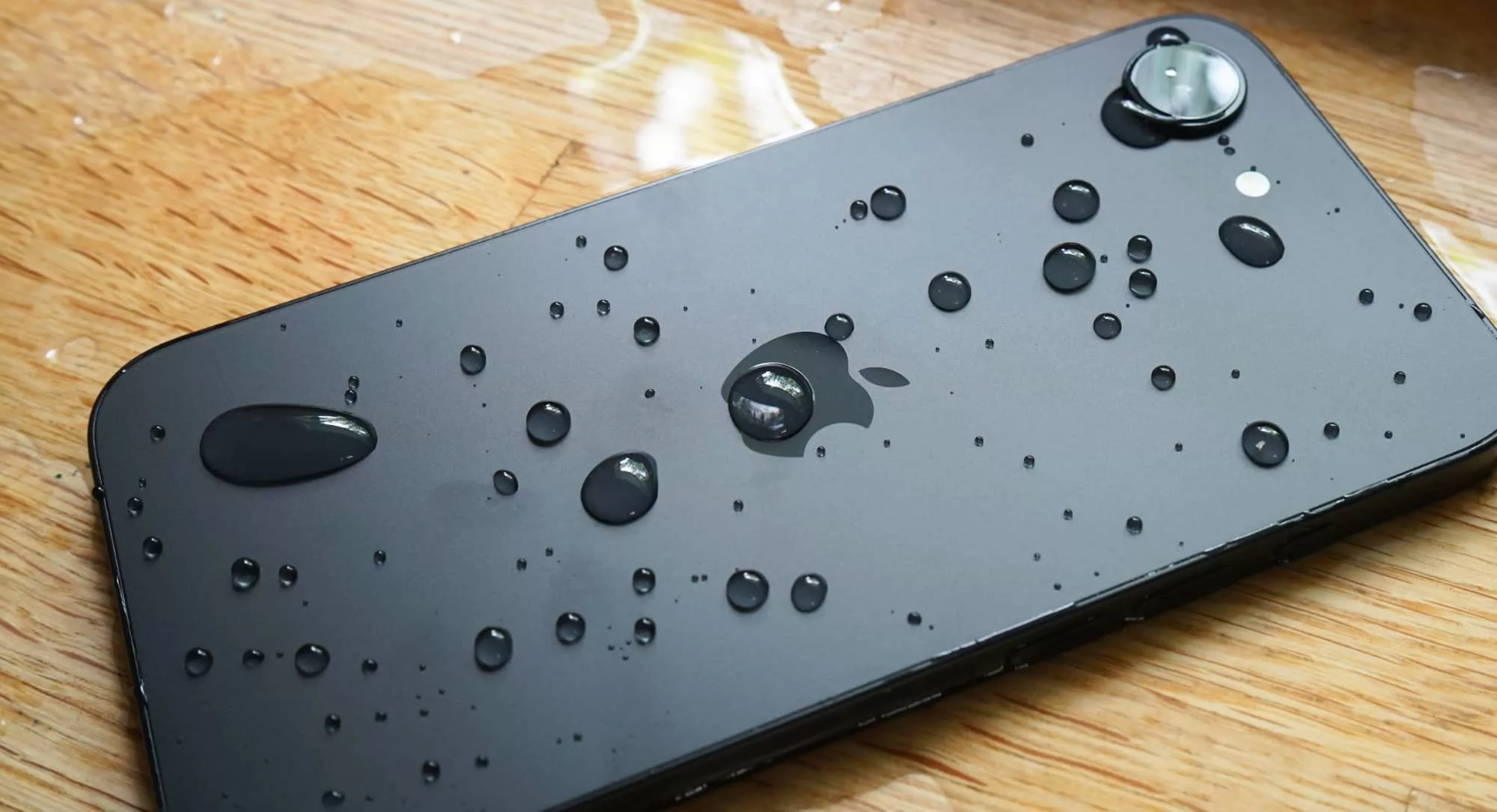
It means you may find premium features like wireless charging and water resistance aren’t included, and that if you get a big screen, it mightn’t be as sharp or use as good a screen technology as some of the other more expensive brands out there. Screen resolution and display tech are often aspects that lose out to mid-range quite quickly, as can memory, often arriving with a minimum of 4GB RAM.
The casing of the phone might not be as premium as with other options, with mid-range phones more often than not appearing with plastic bodies, rather than the metal and glass more expensive phones receive.