

It’s 2026, and two little initials arrive in nearly every tech story whether you want them or not. An A followed by an I are very much a part of what companies are trying to offer, many for reasons that might not be an amazing, but all because AI is apparently in everything these days.
AI in cars. AI in phones. AI in computers. Even AI in your fridge.
And over in the world of the simple internet search, AI is a big part, as well. You’ll have noticed that when AI Mode rolled out over at Google Search, simply because more than results are now a part of what you find when you search for anything. Rather, the results are several paragraphs of an AI interpreting the answers for you, essentially giving you a version of an AI model is trying to solve.
In the next few months, it seems like things will only become more AI focused, with Google using its I/O event this year to talk about what’s to come in the world of artificial intelligence at the search giant.
There was no new Pixel hardware — Google did that earlier in the year with the Pixel 10a — but there is quite a bit happening from the world of Gemini, Google’s take on the ChatGPT conversational AI formula, with improvements to that and to search.
New in Gemini
With I/O no longer about the hardware, the software saw centre stage, and with it, Google Gemini.
For those playing along at home, Google Gemini is the AI aspect of Google that connects with more or less every Android now and the replacement for Google Assistant, while also working on iPhone with the Gemini app. It’s essentially Google’s conversational assistant with big models, able to response quickly, or think slowly with computational reasoning in the mix.
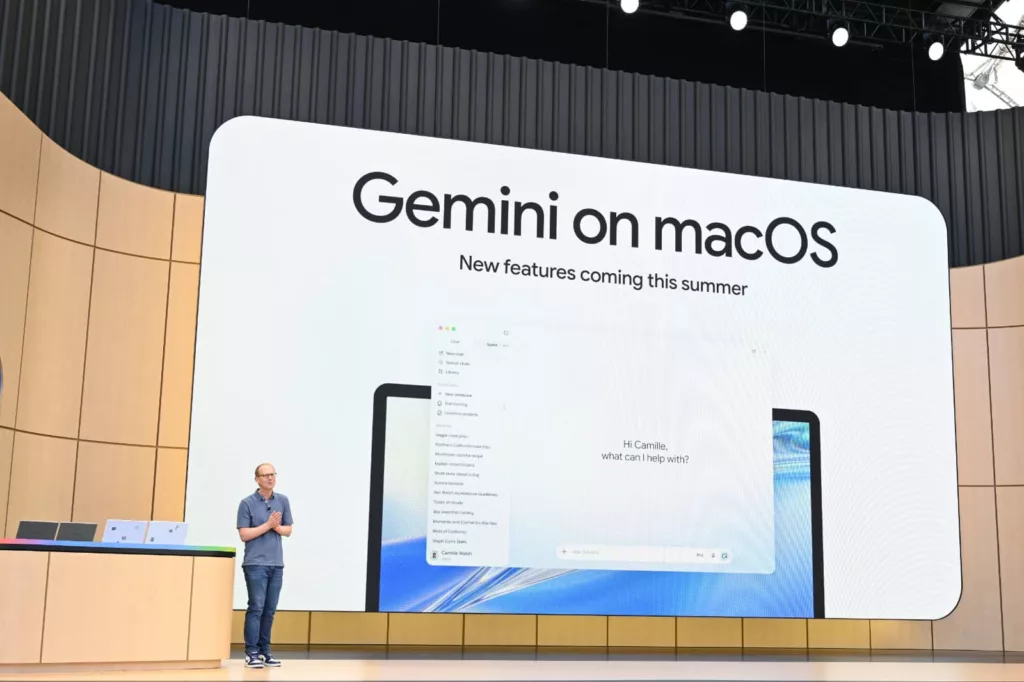
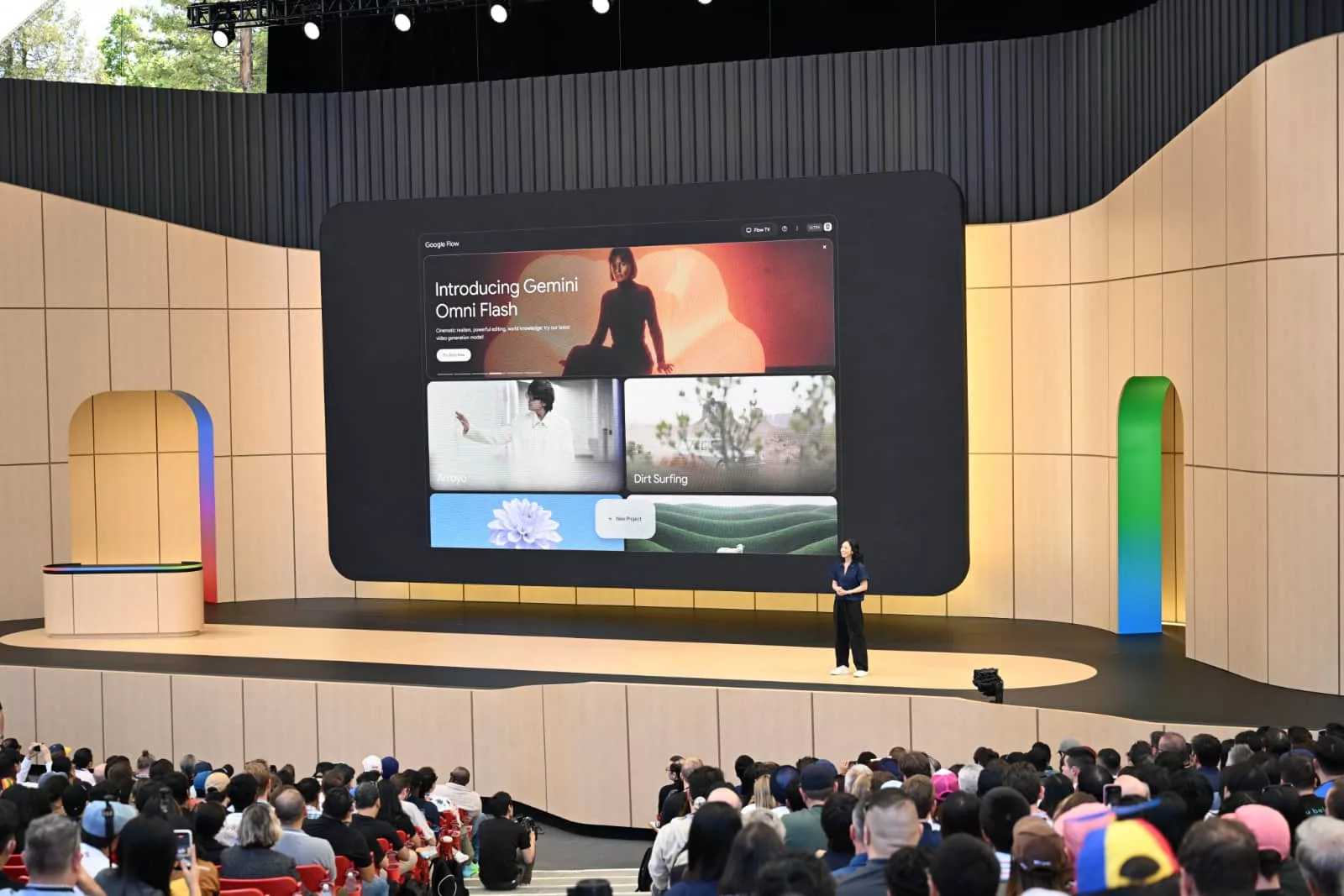
At I/O 2026, Google announced some new changes, including a faster Gemini 3.5 Flash model, a larger “Omni” model that can turn text and images into videos, and a MacOS Gemini app, as well.
Of particular note is one feature called “Gemini Spark”, which will essentially act as a personal agent, connecting to your apps and tools, such as Google’s Drive office apps and Gmail, and set to expand through services such as Canva. The idea sounds a little like another personal AI agent, but one that integrates with more of what apps and services on the web do, with eventual sub-agents.
Essentially, Google’s Gemini Spark will see AI agents doing things for you based on what you tell it. Sort out meeting notes. Ask it to get updates from the school. Monitor billing statements for hidden fees.
Tell you a bunch of things, provided you let Google’s AI monitor it all, rather than simply receive it passively.
That will be your choice, of course, as is “Daily Brief”, a variation of agent coming to Gemini that will turn your inbox and calendars into a personalised digest of sorts. It sounds a little like a feature Samsung’s Galaxy devices ship with, but for Gemini specifically.
New on search
If you don’t intentionally use Gemini, Google search mightn’t give you a lot of choice in the matter, and that’s because similar technology is coming to Google search.
Search isn’t going full AI mode just yet, but the search box will get bigger, with the box now becoming an “intelligent search box” that can essentially ask it more. Simply put, you’ll be able to ask it bigger and more complex sentences, and have Google break down the portions of those to search for what it needs.
A list of websites is still a possible result, but so, too, is an answer created from analysing the pages in question, and delivering something closer to what might have been wanted to begin with.
Part of what gets Google here is a set of personalised AI agents working as part of agentic search. That means you’ll be able to have multiple queries work in the background, scouring the web in an attempt to find the best results, while agentic search can built custom layouts of search results to specific questions.
It’s a little like asking an encyclopaedia a question, and having it change the way the page looks for the answer, potentially making it more useful than simply displaying five or ten results.
AI here, there, everywhere on Google
There are also AI features coming to more facets of Google, such as on YouTube, Google Docs, plus new tools.
In the latter, there are AI tools for making pictures in the aptly named “Google Pics”, while Google’s Flow tool used for AI photo and video generation can be used for video effects, animations, using a more complex agent, the company says.
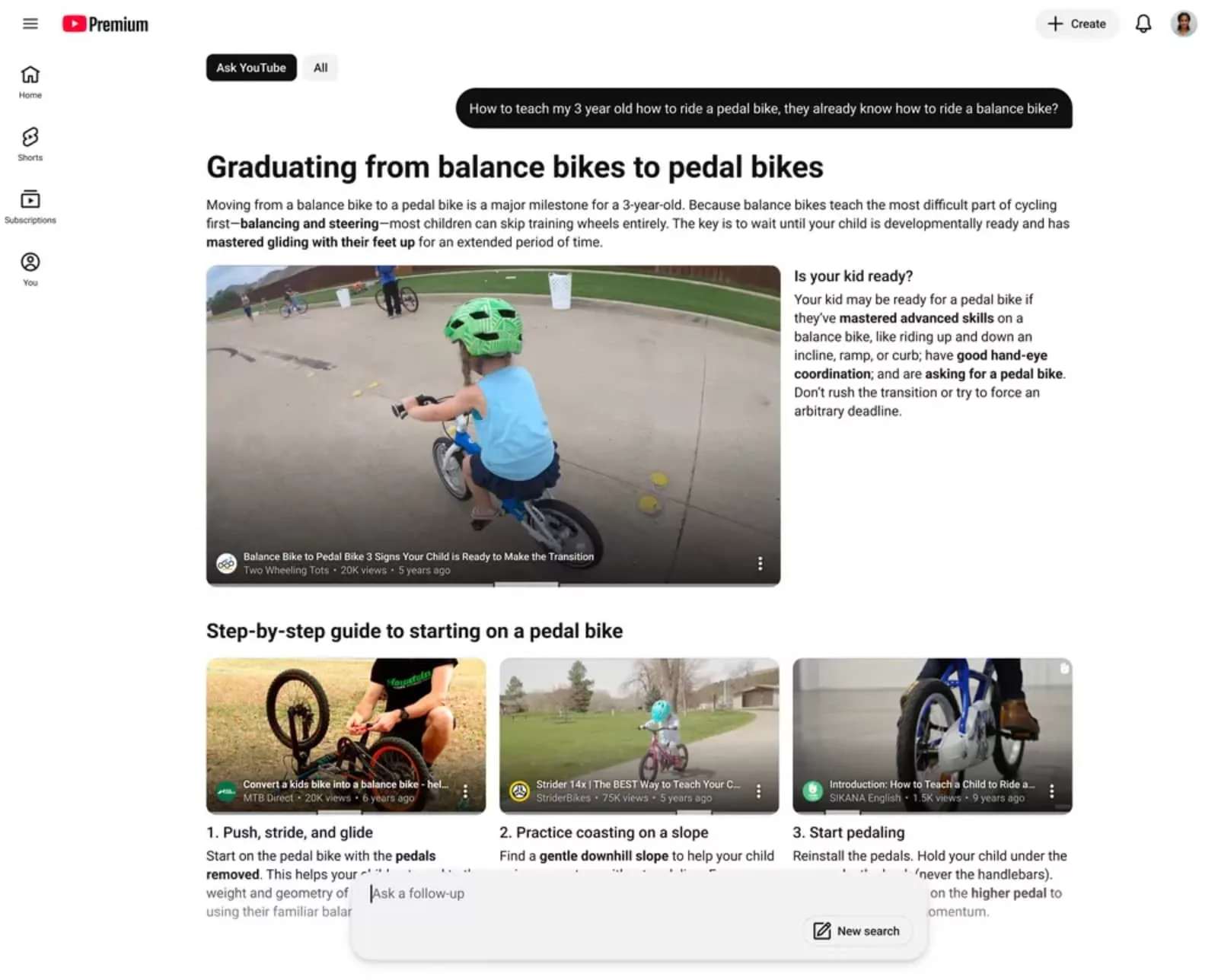
YouTube’s search is also affected, with an “Ask YouTube” feature set to become part of the experience, basically adding the larger search queries to Google’s video experience, and essentially using details about the videos to fill in the answers. You can probably expect that to be made with a combination of transcripts and video analyse of what happens in the videos, things Google has been doing when you upload video content for a few years now.
The result will basically be a custom answer for a question, referencing videos on the network, and essentially directing you around the site based on what the AI system detects.
Australia will likely get this one a lot later, with the US seeing a rollout in our winter, and our neck of the woods possibly seeing in months later.
And over in Google Docs, there’s now “voice-powered Docs”, a way to essentially turn your voice into notes with structure, and even taking details from other Google apps you might be using, such as Drive, Chat, and Gmail. It’s a little like Google’s Gemini addition of Personalised Intelligence, but connected to writing.
Search-sans AI
While many of these features are set to roll out either shortly or in the coming months, it does suggest that AI is very much here to stay, a part of the Google search landscape.
Like it or lump it, if you use Google shortly, you’ll have to use AI, it seems. Given how much AI we seem to see in products and apps and online these days, AI seems to be everywhere. But that doesn’t mean it is.
While this is largely a story about the AI features Google is adding to its assortment of services, there are places you can search sans-AI, though the results mightn’t be as polished as they are over at the big G.
Services such as DuckDuckGo’s flavour of search works without AI, while Ecosia offers a search that’s focused on being environmentally friendly and without AI.
The other serious competition comes from Brave, also a web browser, which has AI to begin with, but you can turn off all too easily in settings, even if you don’t have an account. That alone makes it a bit of a winner, giving you an AI-free feature even Google doesn’t support.